
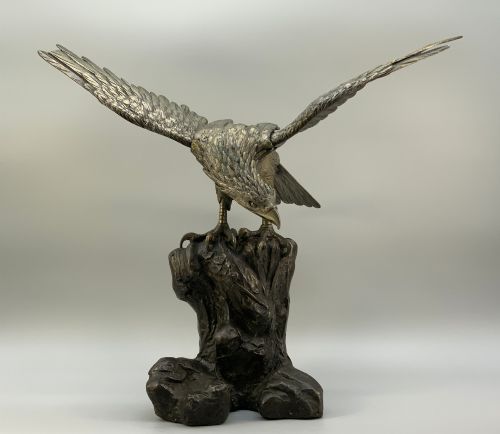
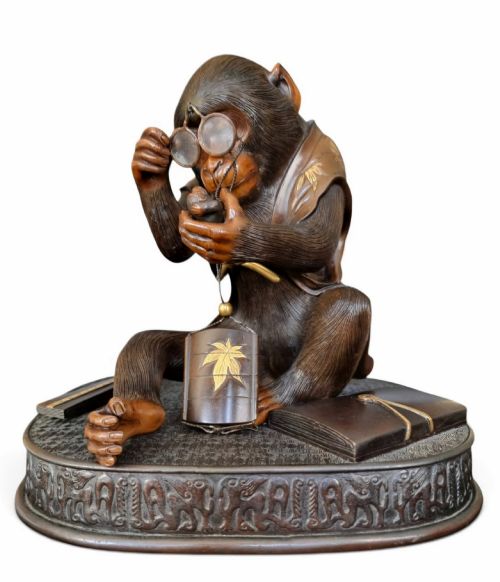
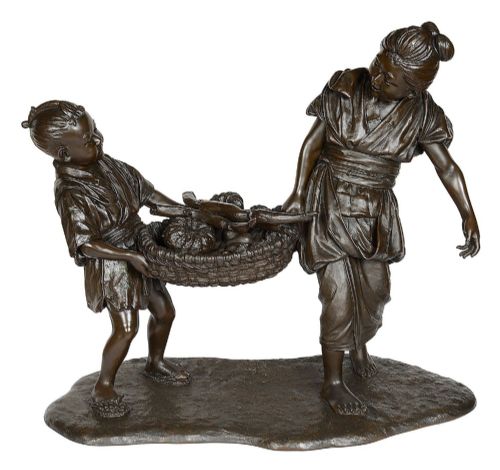
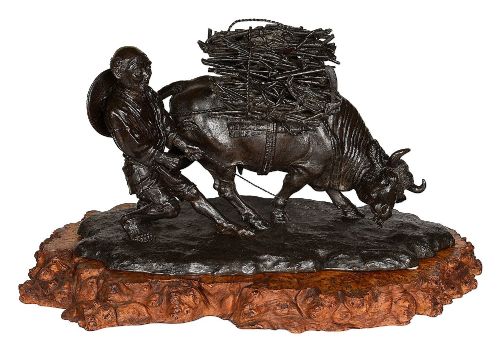



Dark Bronze Okimono
These dark bronze okimono are Japanese sculptures from the Meiji period, prized for casting animals and human figures with exact observation.
Dark Bronze Okimono
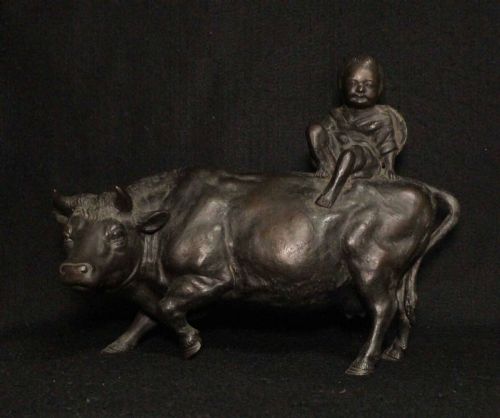
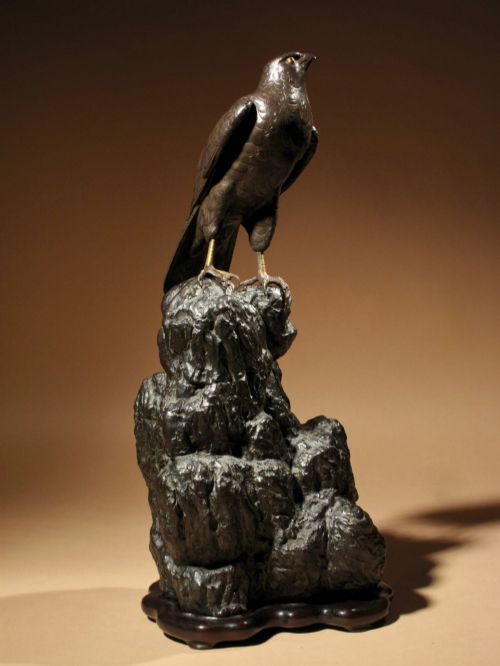
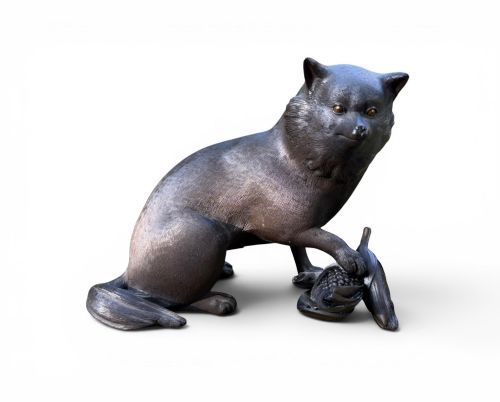
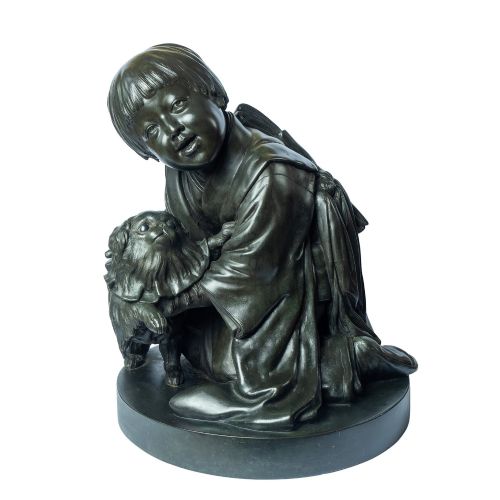
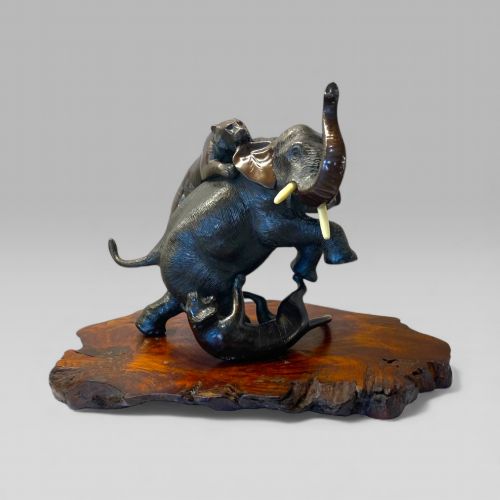
Dark bronze okimono represent a distinct class of Japanese decorative sculptures originating primarily in the nineteenth century and the Meiji period. When you search for dark bronze okimono, you encounter sculptural forms ranging from birds of prey and domestic animals to complex animal combats and human figures.
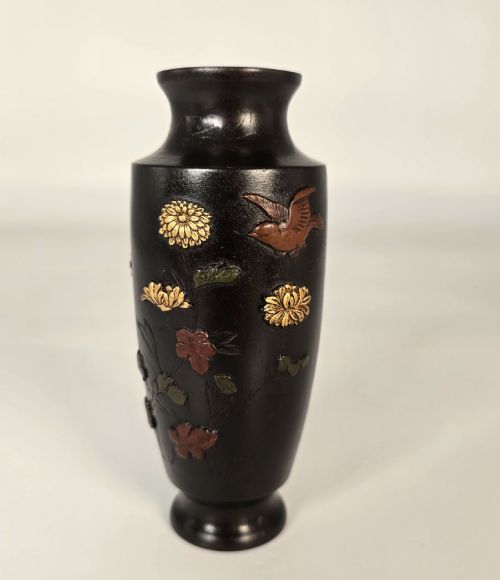
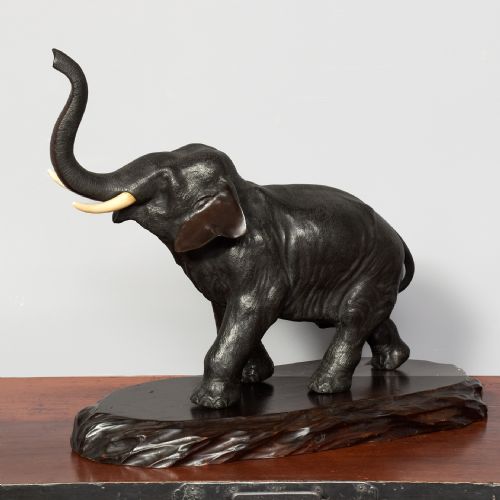
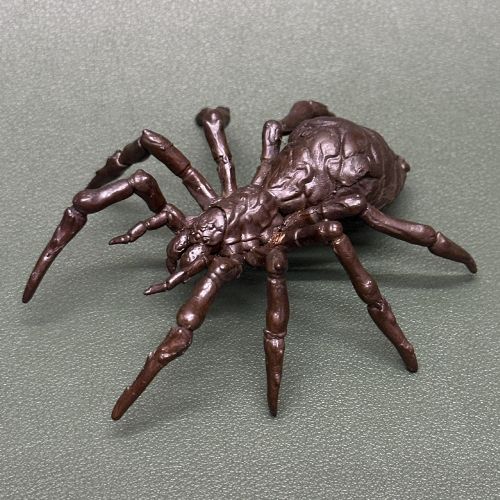
The objects take the shape of standalone figures, animal groups, and occasional vases or small statues. Many pieces depict nature closely, showing eagles, elephants, tigers, monkeys, and smaller creatures such as beetles and spiders.
The most frequent examples on this page date from the nineteenth century and the early decades of the twentieth century. These freestanding display pieces demonstrate the metalworking skills of Japanese workshops during a period of intense artistic production.
How they were made
Artisans cast these pieces using bronze and patinated bronze, often combining mixed metals, gold inlay, or shakudo to achieve tonal depth and dark surface colours. Certain works incorporate organic materials including wood, ivory, bone, and root wood bases.
Foundries utilised traditional lost-wax casting techniques alongside elaborate surface finishing, patination, and carving. Master metalworkers manipulated the alloy and applied chemical patinas to produce dark, nuanced finishes that highlight anatomical details and textures.
The listings on this page span the 1870s to the 1920s, dominated by Meiji period bronze sculptures and mixed metal works.
What varies in quality
Quality rests upon the precision of the casting, the complexity of the subject matter, and the subtlety of the patination. Masterworks display lifelike anatomical tension and fine chiselling across feathers, fur, and skin.
Signed pieces by known artists or distinguished workshops separate standard decorative casting from exceptional artistic achievement. The inclusion of mixed metals, gold inlay, or articulated elements indicates a higher level of technical ambition.
Jomi Eisuke·Masaaki·Kaniya Kuniharu·Seiunsai Miyamoto Sei·Unno Shomin·Gyoko·Miyao
The Dark Bronze Okimono Glossary
- Okimono
- A Japanese term for an ornamental object or sculpture placed for display in a home. These freestanding figures often depict animals, figures, or scenes from nature.
- Meiji Period
- The era in Japanese history spanning from 1868 to 1912. This period saw rapid modernisation alongside the creation of exceptional metalwork and decorative arts for export.
- Patinated Bronze
- Bronze treated with chemicals or heat to alter its surface colour. This technique produces deep dark tones that accent the contours of the sculpture.
- Shakudo
- A Japanese billon alloy of copper and a small amount of gold that turns a dark purple-black or blue-black colour when patinated.
- Mixed Metals
- The practice of combining different metallic alloys within a single sculpture to create contrasting colour and texture effects.
Dark Bronze Okimono: Frequently Asked Questions
What is a dark bronze okimono?
A dark bronze okimono is a freestanding Japanese sculpture cast in bronze with a dark patina, created primarily during the Meiji period for interior display.
These pieces range from small studies of insects and rodents to large figures of elephants, eagles, and human subjects.
How were these sculptures used?
These pieces served as decorative ornaments in traditional Japanese interiors or were exported for Western collectors during the Meiji era.
They were placed on plain surfaces, custom wood bases, or tables to be admired closely for their craftsmanship.
How do I date a dark bronze okimono?
Dating relies on stylistic markers from the Meiji period, specific casting techniques, and signatures or artist marks found on the bronze.
The recorded pieces span the nineteenth century and extend into the early twentieth century, reflecting shifting production eras.
How should I care for dark bronze okimono?
Maintenance requires gentle dusting with a soft, dry cloth to protect the delicate patinated surface from abrasion or moisture.
Avoid chemical polishes that can strip the dark finish and compromise the historic patina of the bronze.