
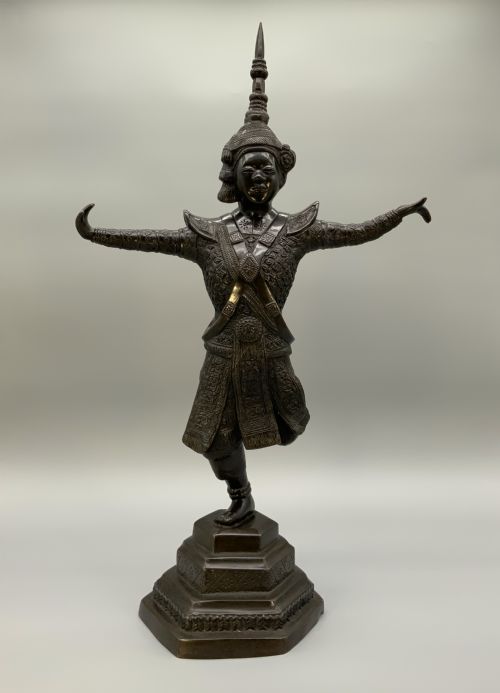


Asian Bronze Figurine
An asian bronze figurine brings centuries of sculptural skill and ritual tradition directly into a room.
Asian Bronze Figurine
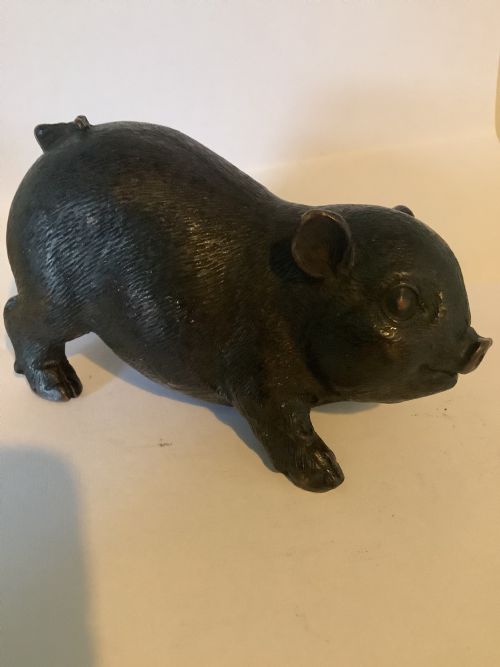
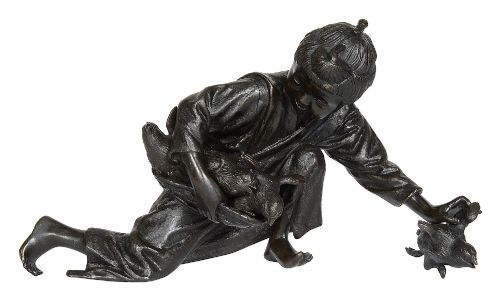
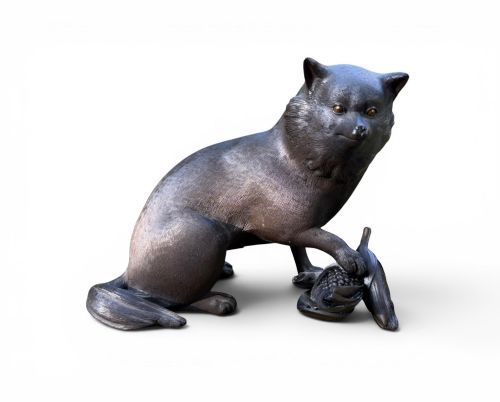
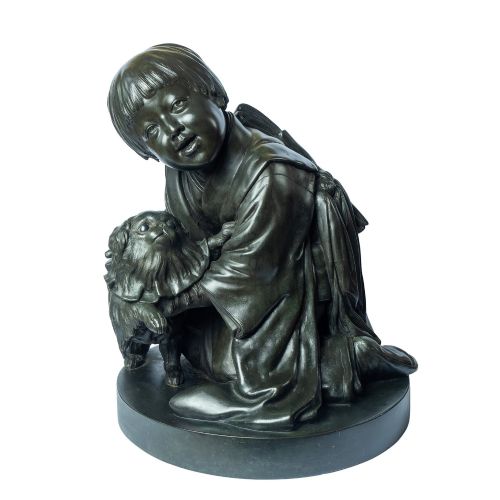
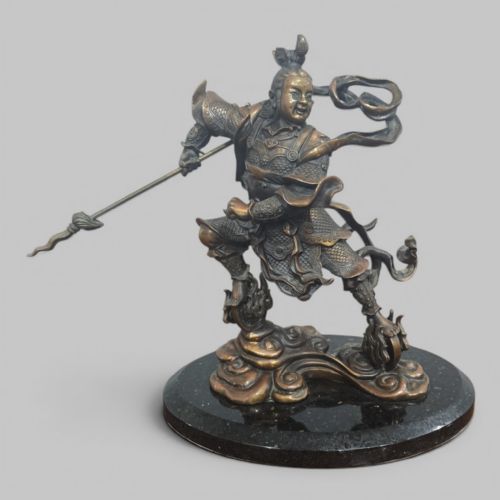
When searching for an asian bronze figurine, collectors encounter diverse sculptural traditions spanning from the sixteenth century through the mid twentieth century. These pieces encompass religious deities, domestic animals, mythical creatures, and human subjects originating from China, Japan, India, Thailand, Burma, and Tibet. The selection on this page relies heavily on nineteenth century items, particularly Japanese okimono, Chinese figures, and Southeast Asian Buddha statues.
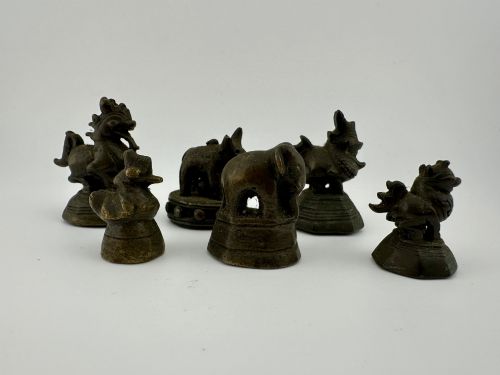
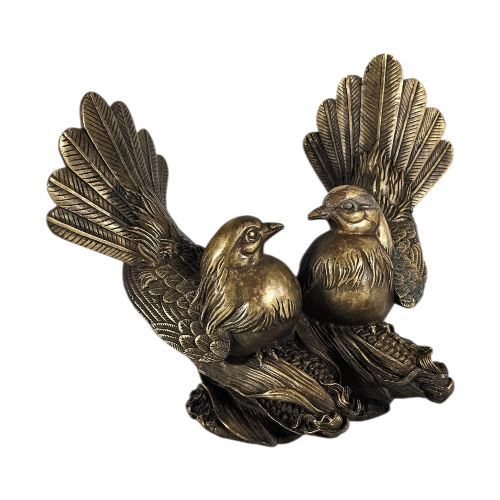
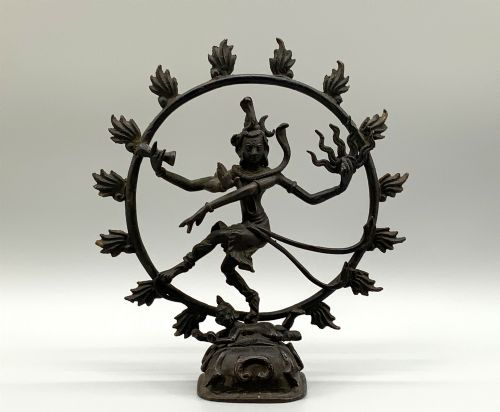
Forms range widely from miniature opium weights and pigeon pairs to large statues of elephants, tigers, horses, and figures such as Shiva Nataraja or Dewi Tara. Many objects serve specific cultural or religious functions, including incense burners, temple figures, and scholar's desk items. Japanese works frequently capture animals and genre scenes with naturalistic precision, whilst Chinese and Southeast Asian examples often portray spiritual iconography.
Materials and casting methods
These sculptures utilise bronze as the primary structural metal, frequently enhanced with surface patination, gilt finishes, or inlays of turquoise and coral. Artisans employ traditional lost wax casting techniques to achieve intricate detail in animal pelts, flowing garments, and facial expressions. Supplementary components incorporate carved wood stands or marble bases to support the heavier statues.
Surface treatments define the visual character of each piece, ranging from dark patinated bronze to bright gilt bronze and polished solid metal. Workshops in different regions apply distinct finishing methods, whether achieving a rich brown tone on Thai Buddhas or fire-gilding Javanese statuettes. The integration of mixed materials like coral and turquoise adds focal points to select ritual figures.
Listings feature 19th Century and Meiji Period bronzes alongside rarer 16th Century examples.
Distinctions in craftsmanship
Quality rests upon the crispness of the metal casting and the sensitivity of the chisel work applied after the mould is removed. Superior figures display lifelike anatomical proportions and deep, deliberate texturing in fur, feathers, and drapery rather than smooth, factory-smoothed surfaces. Signed pieces and works associated with specific recognised makers or periods command higher regard for their artistic authority.
The sophistication of the overall composition and the stability of the stance dictate the visual success of the sculpture. Elaborate integrations, such as a tiger subduing an elephant or a scholar riding a water buffalo, demand advanced balance and multi-part casting skill. Preservation of the original surface patina or gilding further separates exceptional examples from heavily polished or altered pieces.
MASAAKI
The Asian Bronze Figurine Glossary
- Okimono
- A Japanese decorative statue designed for display in a household alcove or on a shelf. These carvings frequently depict animals, demons, or daily life.
- Gilt bronze
- Metal coated with a thin layer of gold using mercury amalgamation or leaf application. This technique imparts a radiant metallic sheen often reserved for sacred images.
- Patinated bronze
- Metal treated with chemical solutions to produce a controlled surface colour or aged finish. This process protects the alloy while enhancing visual depth.
- Tical
- A traditional unit of weight and currency used in Southeast Asia. Burmese and Thai trade items often conform to these specific mass standards.
- Kylin
- A mythical hooved Chinese creature that brings good omens and prosperity. Figures of this beast often incorporate removable sections for burning incense.
Asian Bronze Figurine: Frequently Asked Questions
What is an okimono?
An okimono is a Japanese freestanding display sculpture created for interior decoration rather than religious worship. These pieces depict animals, historical figures, or folklore characters with fine detail.
Craftsmen often signed their work on the base, reflecting the elevated status of metalworking during the Meiji period.
How do I date an antique bronze?
Dating relies upon stylistic markers, casting techniques, and regional characteristics associated with specific eras like the Meiji period or Qing Dynasty. Patination styles and wear patterns also offer clues to an object's age.
Makers' marks or inscriptions provide precise temporal anchors when authentic.
Were these figures used in temples?
Many bronze statues served sacred functions in Buddhist or Hindu temples, acting as foci for prayer and meditation. Examples include depictions of Buddha, Shiva, and Tara.
Other items, such as incense burners and scholar's figures, belonged in private domestic spaces or studies.
How should I care for bronze?
Bronze requires minimal maintenance beyond gentle dusting with a soft, dry cloth to prevent dirt accumulation. Avoid using chemical cleaners or abrasive polishes that strip away historical patina.
Keeping pieces away from excessive moisture preserves the stability of the metal.