




Standing Buddha Figure
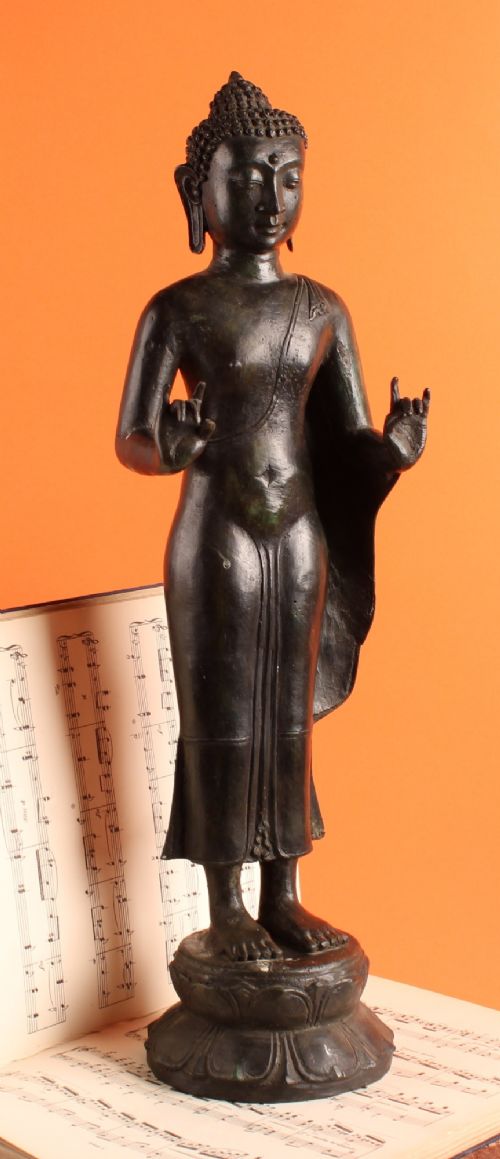
A standing buddha figure brings centred calm to a room, cast in bronze or carved from wood across traditions from Thailand, China and Japan.
Standing Buddha Figure
A standing buddha figure represents enlightened presence and spiritual awakening through distinct postures and hand gestures, known as mudras. When you search for a standing buddha figure, you encounter works ranging from diminutive household carvings to substantial temple sculptures.
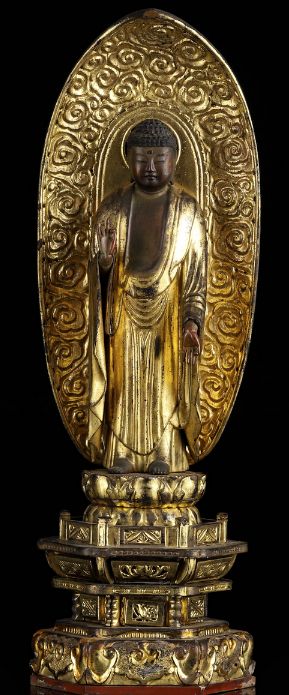
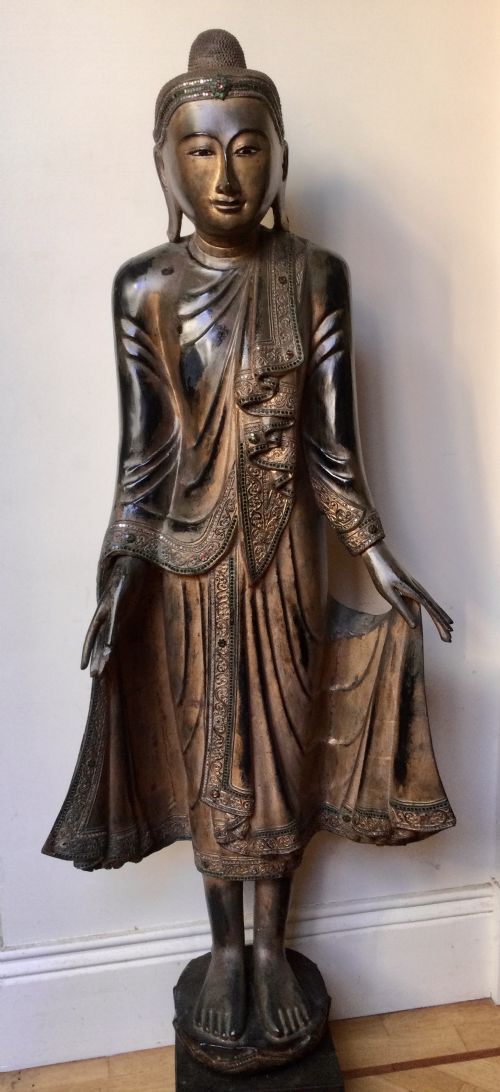
The examples available here stretch from the sixteenth century into the twentieth century, encompassing Thai Ayutthaya and Rattanakosin traditions alongside Chinese and Japanese forms. Bronze, gilt wood and polychrome painted timber dominate these regional interpretations.
Regional aesthetics define the silhouette, from the elongated crowns of Thai bronzes to the serene robes of Japanese Edo statues and Burmese Mandalay woodcarvings. Each piece carries the distinct stylistic markers of its period of origin.
Materials and construction
Metal sculptures utilise the lost-wax casting technique in bronze, yielding solid or hollow figures that often receive subsequent layers of gilding, gold leaf or dark patination. Artisans shaped these metals to capture intricate folds of drapery and precise facial expressions.
Wooden statues employ carved hardwoods, which frequently serve as a base for polychrome pigments, lacquering and delicate surface gilding. Alabaster and stone also appear, shaped through direct carving by skilled hands.
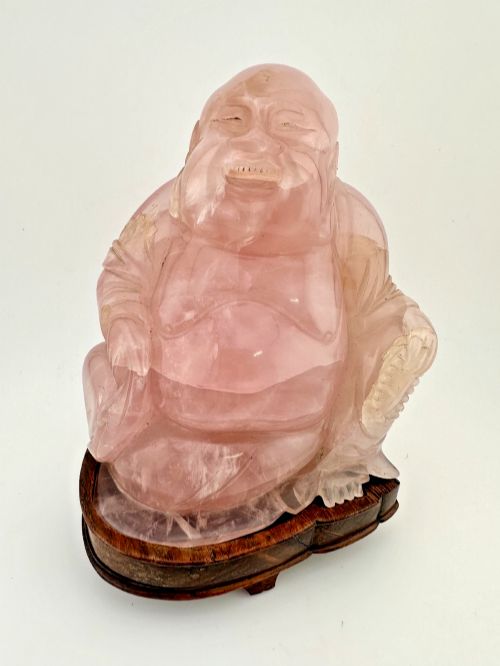
Secondary elements such as fitted wooden stands complement the primary sculpture, providing stability and elevation for stones like rose quartz.
Several figures maintain their original wooden stands, ensuring each deity has proper elevation after centuries of quiet contemplation.
Evaluating quality and execution
The crispness of the carving or the precision of the bronze casting dictates the visual impact of the piece, separating masterwork from utilitarian production. Surface treatments such as remaining gold leaf, original polychrome pigments and undisturbed patina add depth and historical integrity.
The Standing Buddha Figure Glossary
- Mudra
- A symbolic hand gesture in Buddhist iconography that conveys specific teachings or states of mind. These gestures are key to identifying the narrative or spiritual role of the figure.
- Patina
- The surface sheen and coloration developed through age, handling and environmental exposure on metals or wood. Original old patination indicates a surface untouched by aggressive modern cleaning.
- Polychrome
- Decoration employing multiple colours of paint applied to wood or stone surfaces. Surviving polychrome pigments provide vital evidence of original appearance.
- Ayutthaya Period
- An era in Thai history spanning from the fourteenth to the eighteenth century, noted for distinctive bronze casting styles and crowned buddha imagery.
- Gilding
- The application of gold leaf or powder to the surface of wood or bronze to impart a luminous finish. This technique highlights sacred figures and denotes high status.
Standing Buddha Figure: Frequently Asked Questions
Where should I place a standing figure?
Position the piece in a stable, elevated location away from direct sunlight, extreme heat sources and high humidity fluctuations.
Allow sufficient clearance so the silhouette and regional details can be appreciated from multiple angles within the room.
How do I distinguish regional styles?
Examine the facial structure, headdress and posture for characteristic markers of Thai, Burmese, Chinese or Japanese craftsmanship.
Thai figures often feature elaborate crowns and slender proportions, while Japanese Edo examples display serene expressions and refined woodcarving.
What does a double mudra signify?
A double mudra involves specific hand placements that communicate protection, reassurance or teaching simultaneously.
These varied gestures reflect regional liturgical practices and the specific artistic tradition of the maker.