


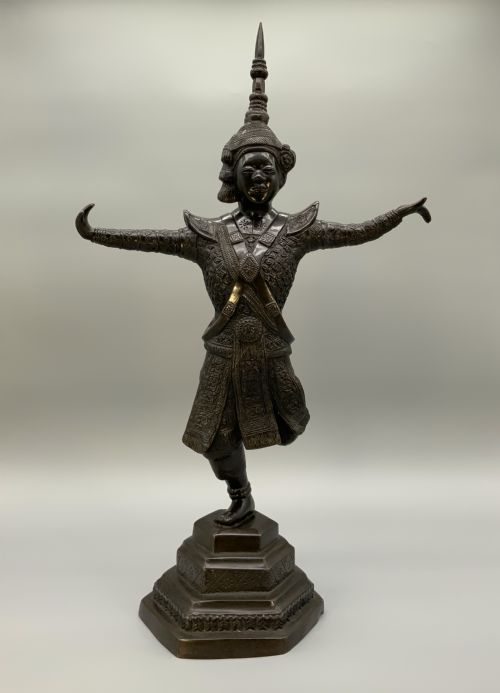


Southeast Asian
A southeast asian antique brings centuries of regional ritual, courtly refinement and skilled craft directly into contemporary rooms.
Southeast Asian
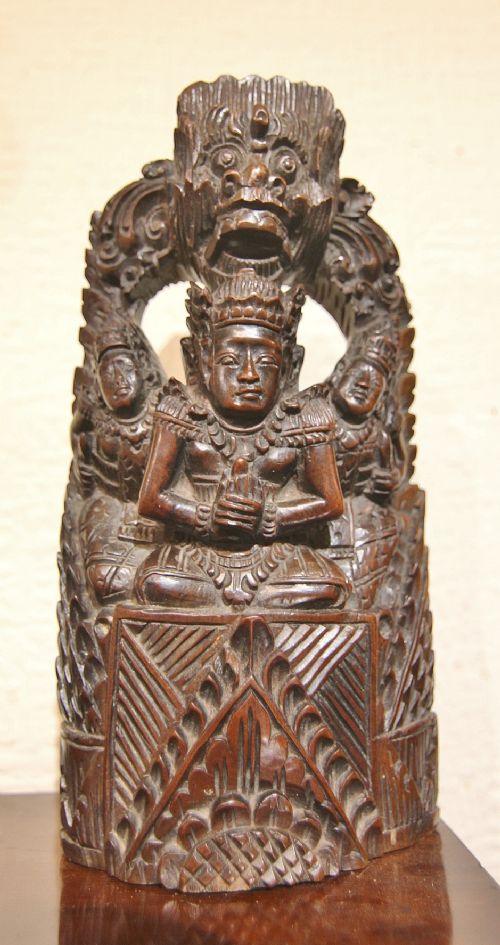
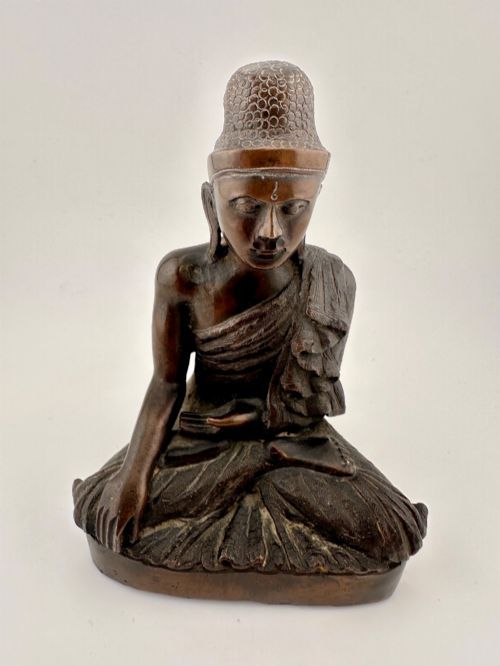
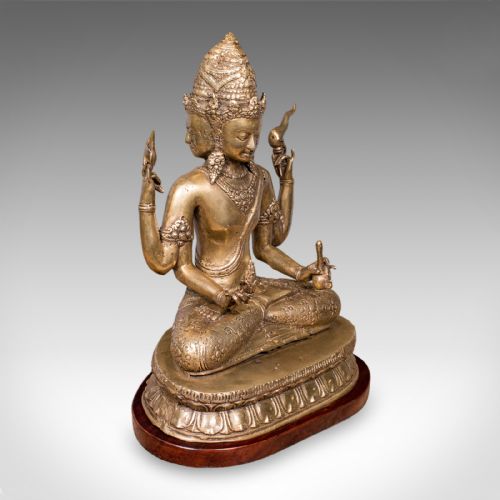
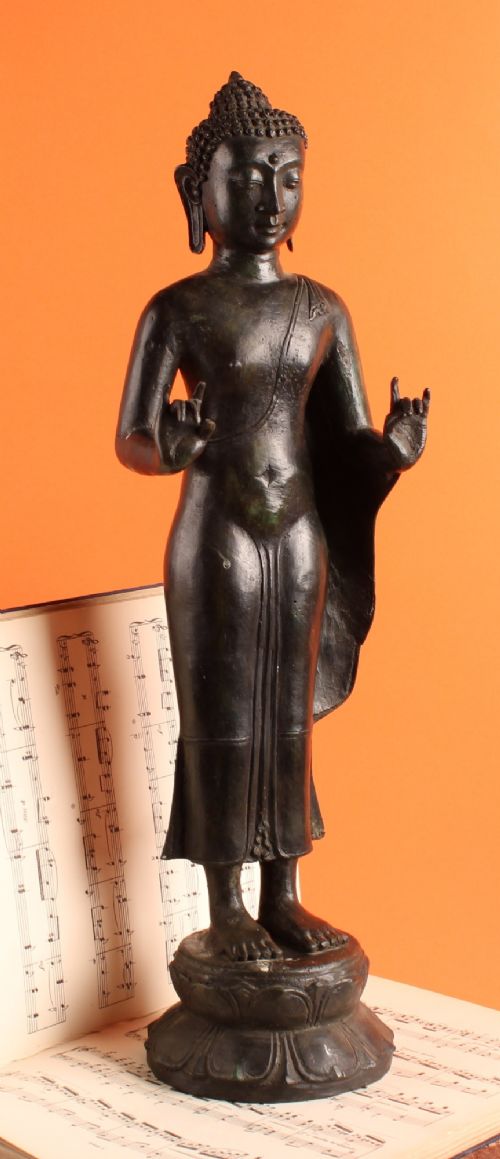
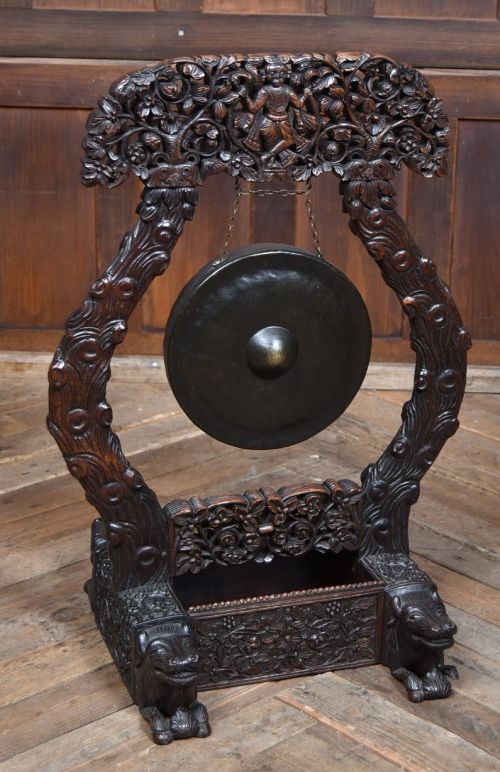
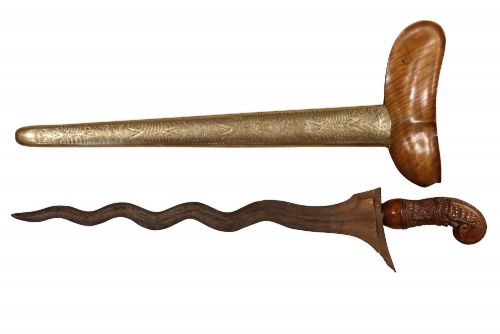
A southeast asian antique encompasses a diverse range of regional objects, from sacred temple figures to functional domestic furnishings originating across multiple centuries. Buyers searching for a southeast asian antique regularly encounter sculptural representations of Buddha, regional deities, and mythological figures cast in bronze or carved from dense timbers.
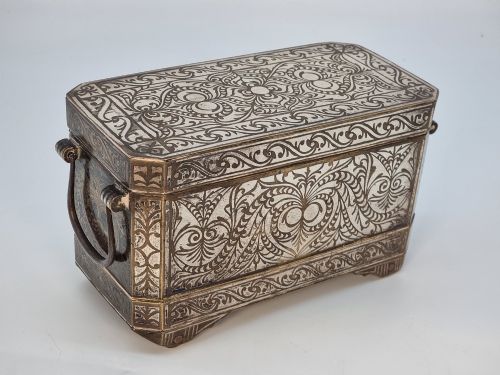
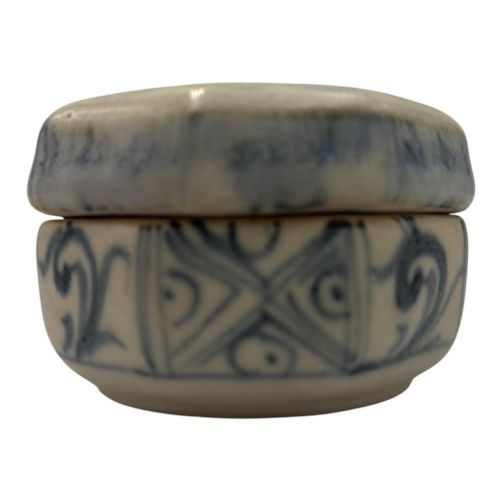
The selection frequently spans utilitarian yet decorative domestic items such as betel boxes, opium weights, ceremonial bowls, and intricately carved seating furniture. Origins traverse Burmese, Thai, Indonesian, Vietnamese, and Khmer workshops, reflecting distinct local stylistic traditions from the pre-sixteenth century onward.
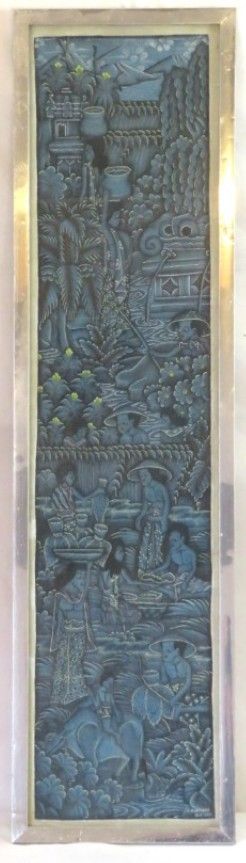
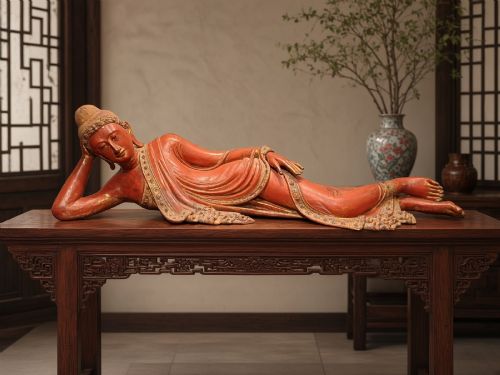
Figural sculpture dominates the material record, particularly bronze statues depicting specific mudras alongside carved wooden throne chairs and temple panels. Domestic vessels fashioned from silver, copper alloy, and brass also appear alongside lacquered wooden tables and screens.
How they were made
Metalwork pieces rely predominantly on traditional lost-wax casting methods utilising bronze, brass, or copper alloys, often finished with surface gilding, gold leaf, or applied patination. Artisans shaped silver and copper objects through intricate repoussé and hand-chased engraving techniques to yield ornate surface patterns.
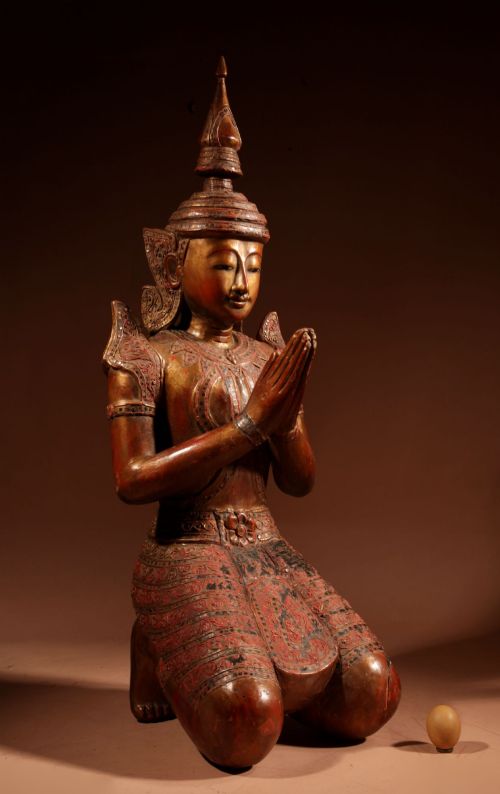
Wooden furniture and sculptural figures utilise dense regional hardwoods, teak, and gilt wood, shaped through detailed hand carving and polychrome painted finishes. Lacquer work involves building successive resin layers over wooden or woven cores, frequently incorporating coloured glass inlay for decorative effect.
Southeast Asian Retail Price Guide 2026
Typical asking prices for southeast asian among the pieces listed under this phrase on Sellingantiques today, from the lower quarter to the upper quarter. They describe what is for sale here now, not the wider market.
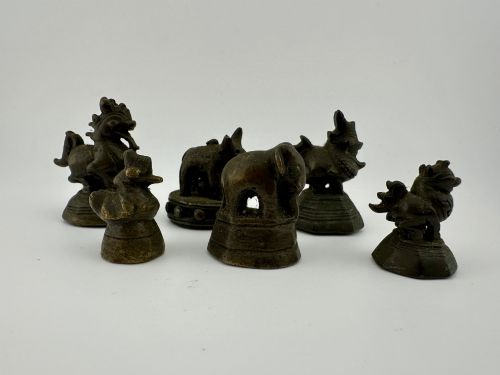
Several heavy bronze animals wait patiently on this page, having spent their early working lives weighing opium on merchant scales.
What varies in quality
The refinement of the initial carving or casting establishes the baseline of quality, separating standard utilitarian output from pieces produced for royal courts or major temples. Sharpness of detail in facial expressions, drapery folds, and chased surface ornamentation marks the distinction between hurried production and master craftsmanship.
The survival of original surface treatments - such as early patination, gilding, and polychrome pigments - determines the integrity of a piece. Retaining authentic wear patterns without intrusive modern restoration preserves the historical character expected by serious collectors.
The Southeast Asian Glossary
- Mudra
- A symbolic hand gesture in Buddhist and Hindu iconography, conveying specific spiritual teachings or states of mind. Different mudras help identify the theological purpose of figural sculptures.
- Repoussé
- A metalworking technique where an artisan hammers a sheet of metal from the reverse side to form a raised design. This process allows intricate three-dimensional ornamentation on bowls and decorative vessels.
- Betel box
- A container designed to hold ingredients for chewing betel quid, a widespread social and ritual practice across the region. These boxes are frequently constructed from silver or brass with detailed inlay.
- Opium weight
- Small cast-metal weights shaped as animals, used historically for commercial weighing in mainland Southeast Asia. They are commonly cast in bronze in forms such as elephants, ducks, and mythical beasts.
- Patination
- The natural or induced surface alteration on metals and wood accumulated through age and handling. Original patination offers vital evidence regarding the age and handling history of antique bronzes.
- Polychrome
- The practice of decorating architectural elements or sculptures in multiple colours using paints or pigments. This technique enhances the visual drama of temple carvings and ceremonial figures.
Southeast Asian: Frequently Asked Questions
How do I identify a bronze Buddha?
Bronze Buddha figures are identified by specific physical attributes, hand gestures known as mudras, and regional stylistic markers. Figures from different centuries and locations exhibit distinct cranial protuberances, robe styles, and facial proportions.
Examination of the metal casting method, alloy composition, and the presence of original patination or gilding help determine the age and origin of the sculpture.
What are temple chairs used for?
Temple chairs and throne chairs served ceremonial functions within monastic or royal settings, often elevating sacred figures or seated dignitaries during rituals. Their heavy construction in hardwoods reflects their status.
In modern interiors, these substantial chairs function as statement seating or decorative anchors within a room, showcasing deep relief carving and traditional joinery.
How should I clean antique lacquer?
Antique lacquer surfaces require gentle maintenance to preserve the delicate resin layers and any embedded glass or gold leaf inlay. Dusting with a soft, dry cloth prevents particulate accumulation without risking moisture damage.
Harsh chemical cleaners, water immersion, and modern polishes must be strictly avoided, as they strip the historical finishes and degrade the underlying wooden or organic core.