
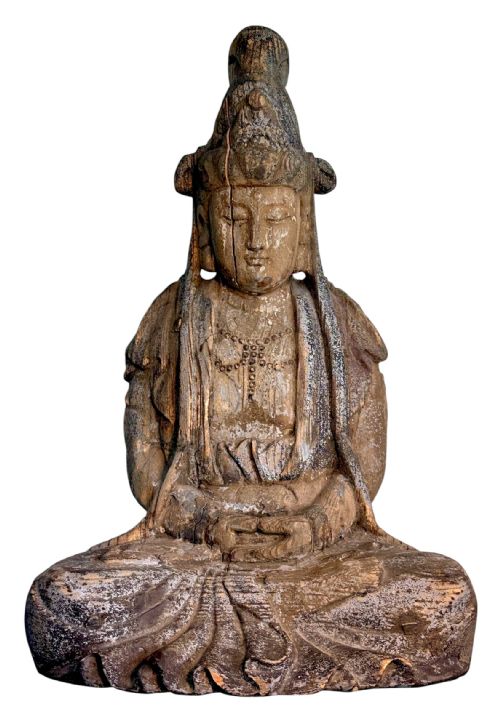


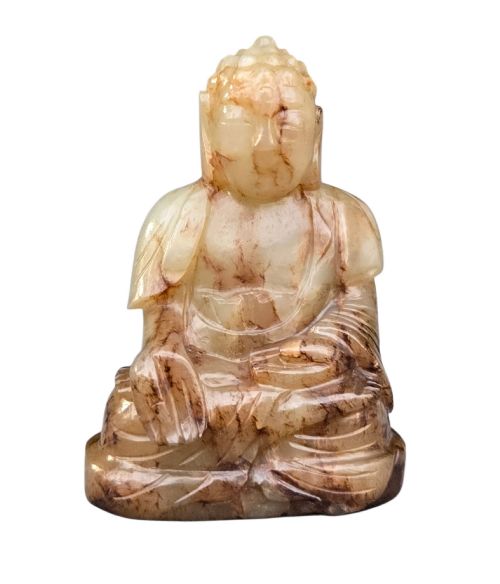


Seated Buddha Sculpture
A seated buddha sculpture brings meditative calm into a room through centuries of metalwork and woodcarving tradition.
Seated Buddha Sculpture
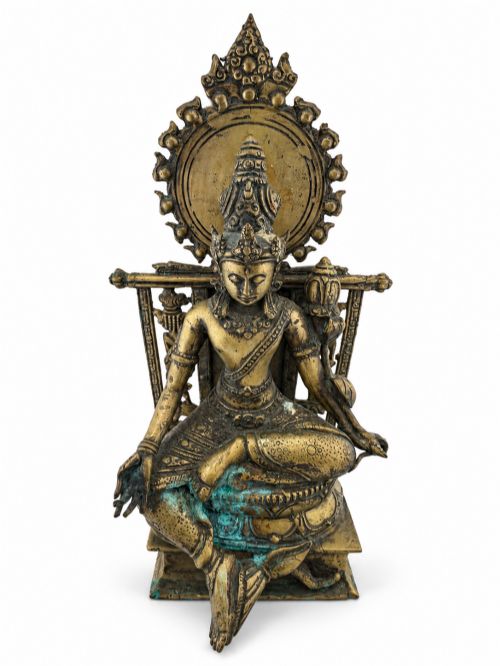
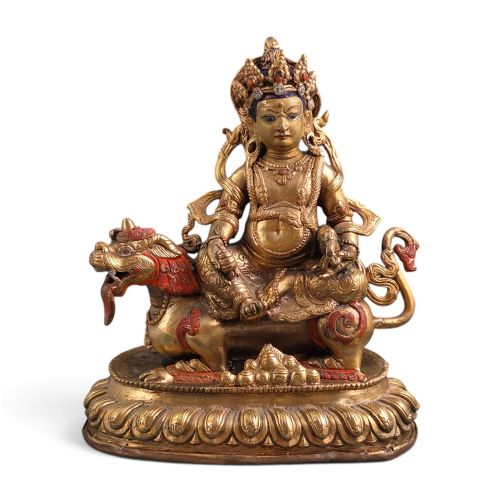
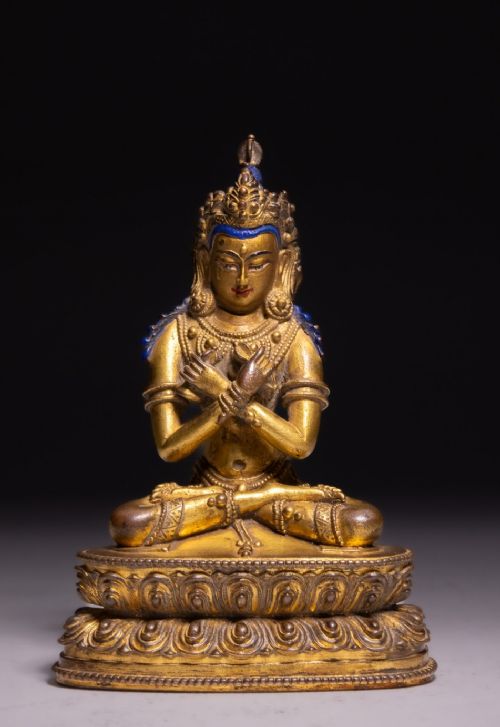
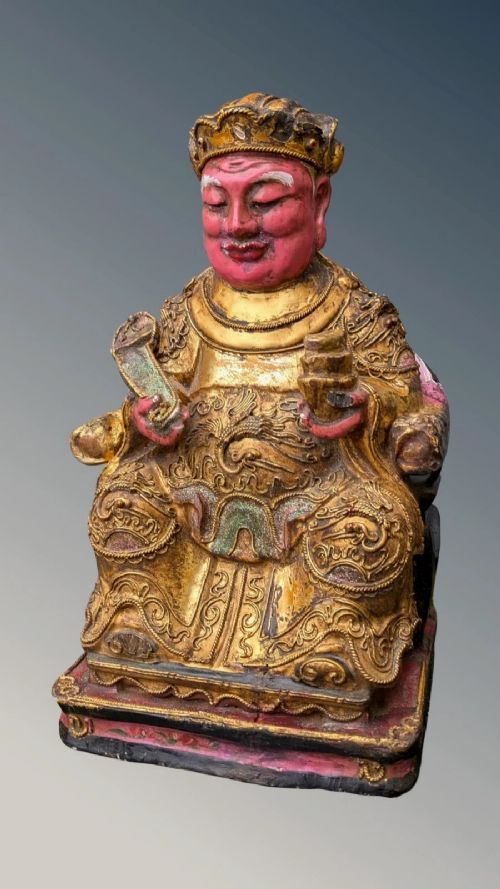
A seated buddha sculpture captures spiritual figures in meditative poses originating from diverse regions across Asia. Collectors encounter pieces shaped across multiple centuries, ranging from early periods up through the twentieth century.
The selections on this page feature forms sculpted in bronze, wood, stone, and copper alloy. These statues reflect varied cultural traditions including Sino-Tibetan, Burmese, and Southeast Asian styles.
Makers produced these works as ritual objects and devotional figures for temples and shrines. Surviving examples demonstrate the enduring iconography of deities and bodhisattvas.
Materials and Methods
Woodcarving traditions employ dense timbers finished with polychrome paint, lacquer, or gilding. Stone and terracotta figures rely on direct carving and shaping techniques developed within regional workshops.
Current listings feature materials spanning bronze, wood, gold leaf, copper alloy, gilt bronze, pigment, lacquer, and stone.
Assessing Quality
Quality rests upon the precision of the casting or the depth of the carving. Master artisans achieved refined facial expressions, balanced proportions, and crisp detailing in the drapery of robes.
The preservation of original surface treatments such as gilding, polychrome pigment, and patination elevates a piece. Age-related wear should integrate naturally with the material without obscuring the original form.
The Seated Buddha Sculpture Glossary
- Bronze
- An alloy of copper and tin utilised for casting durable statues and ritual figures. This metal develops a rich patina over centuries of handling and exposure.
- Gilt Bronze
- Metal sculpture coated with a thin layer of gold or gold leaf. This technique illuminates sacred figures with a lasting metallic sheen.
- Bhumisparsha Mudra
- The earth-touching gesture depicted in Buddhist art where the right hand reaches down to touch the ground. This posture symbolises enlightenment and steadfastness.
- Bodhisattva
- An enlightened being dedicated to assisting others on the path to spiritual awakening. These figures appear frequently alongside buddhas in regional shrines.
Seated Buddha Sculpture: Frequently Asked Questions
What materials are used in these sculptures?
Makers shaped these figures from cast bronze, copper alloy, carved wood, stone, and terracotta. Many examples feature added layers of gold leaf, lacquer, or polychrome pigment.
Surviving works reflect the specific material resources and artistic techniques available within their region of origin.
How do I identify the age of a statue?
Dating relies on stylistic markers associated with specific dynasties, reigns, and regional traditions such as the Qing period or Mandalay style. Material wear, patination, and tool marks also indicate the period of creation.
Comparative study of iconography helps place individual sculptures within broader historical timelines.
Where did these sculptures originate?
The pieces originate from across Asia, including China, Tibet, Burma, Thailand, Nepal, and Java. Each geographic area developed distinct artistic conventions for depicting sacred figures.
Trade and cultural exchange further spread these stylistic traditions across neighbouring regions.
How should I display a sculpture at home?
Place statues on stable surfaces away from direct sunlight and extreme temperature fluctuations to protect delicate wood, pigment, and gold leaf. Proper lighting helps reveal the subtle contours of metal casting and surface carving.
Allow sufficient surrounding space for the piece to serve as a focal point in the room.