
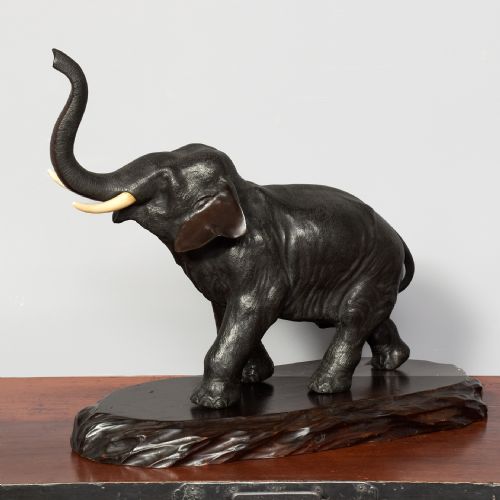
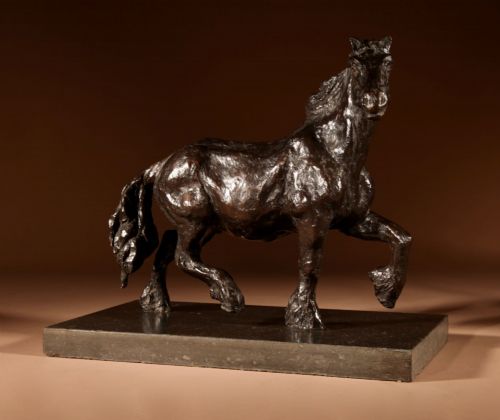
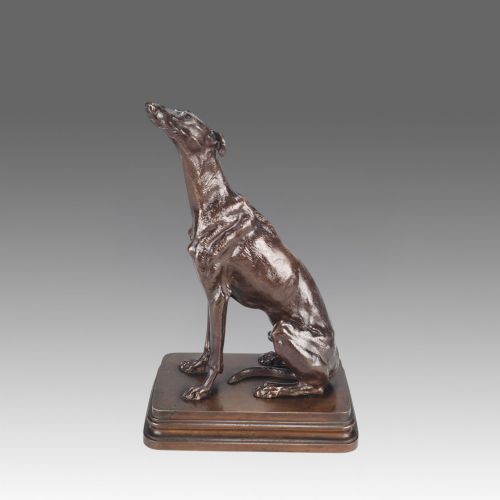
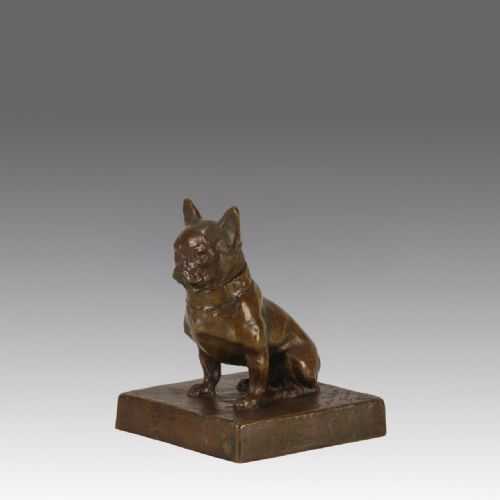
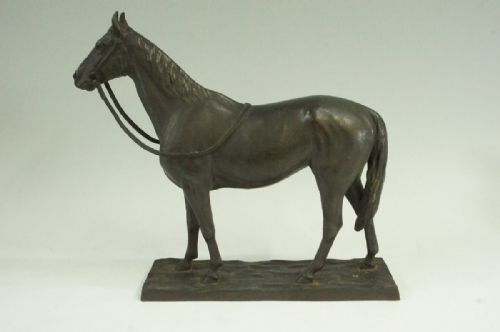
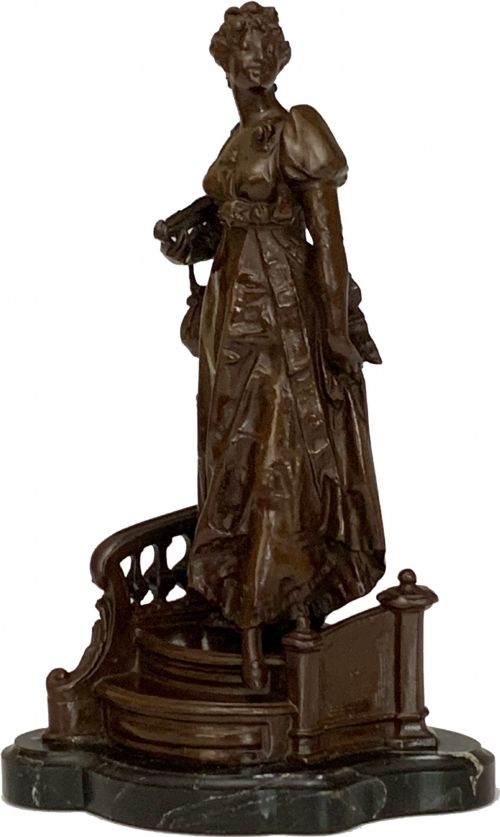


Cast Bronze Statuette
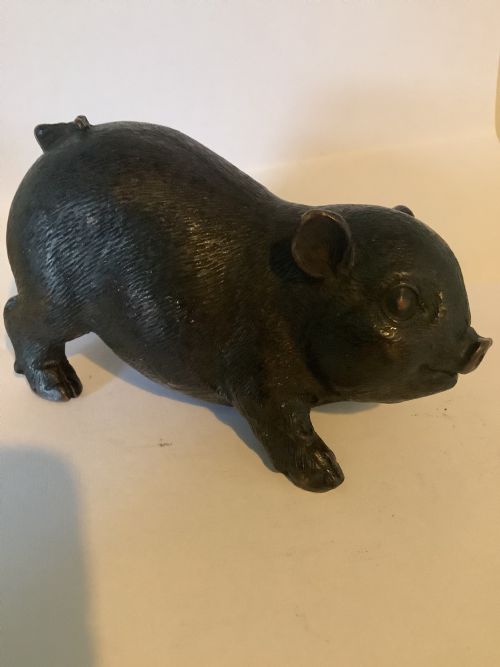
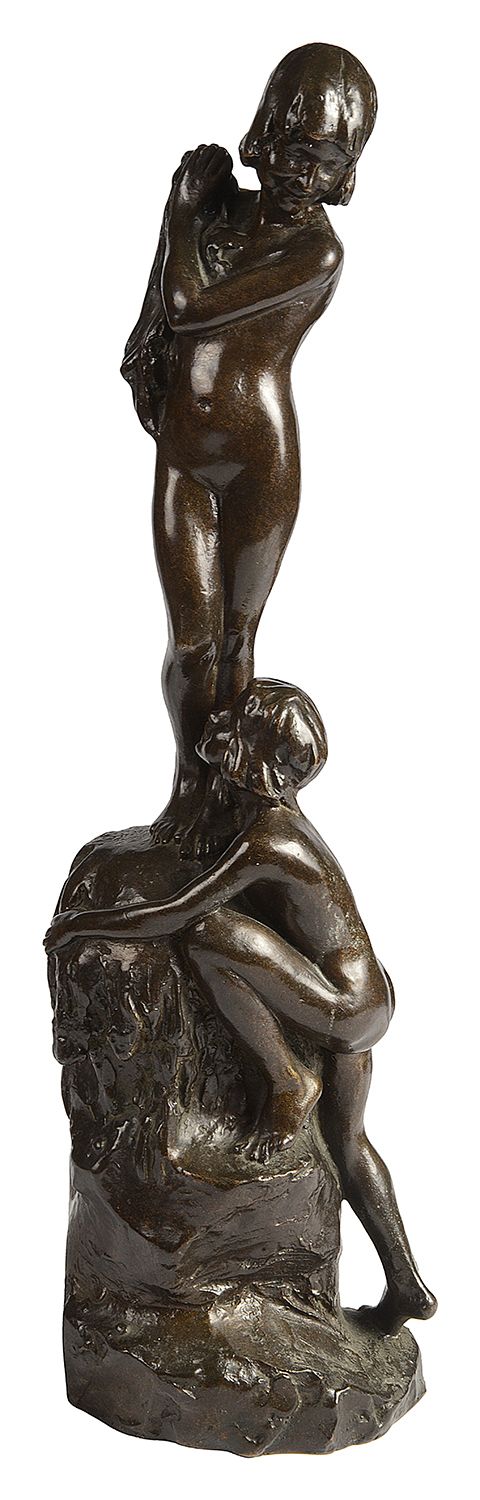
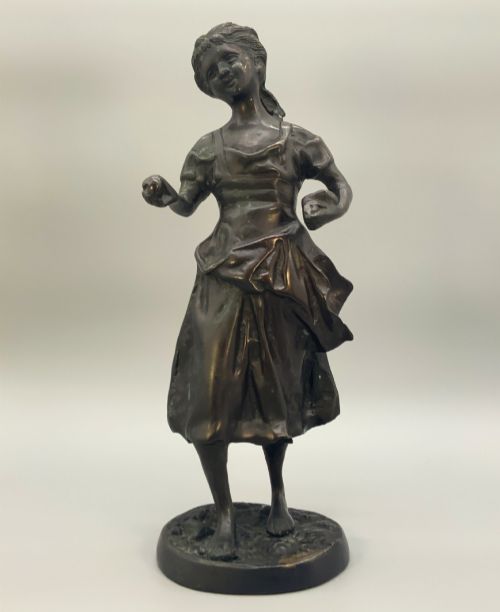
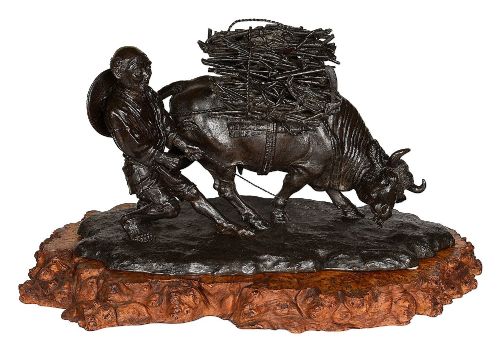
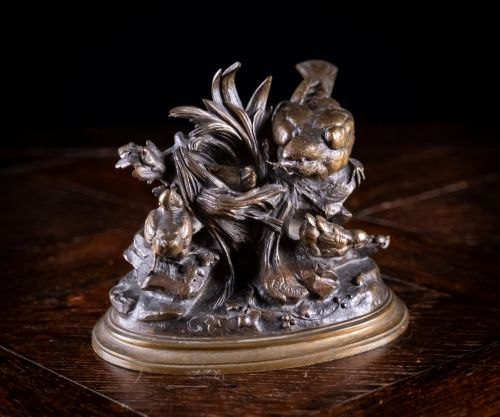
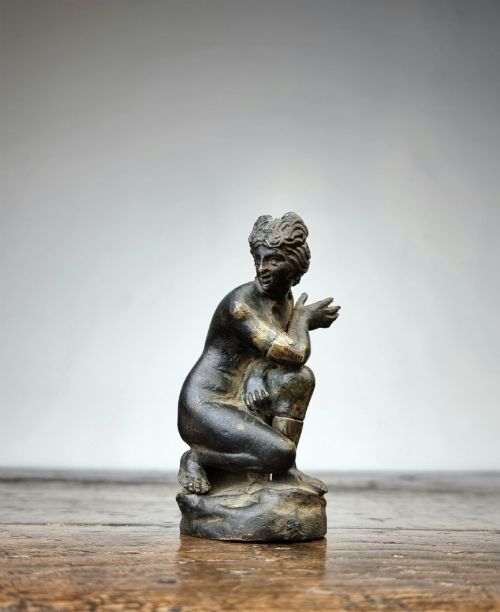
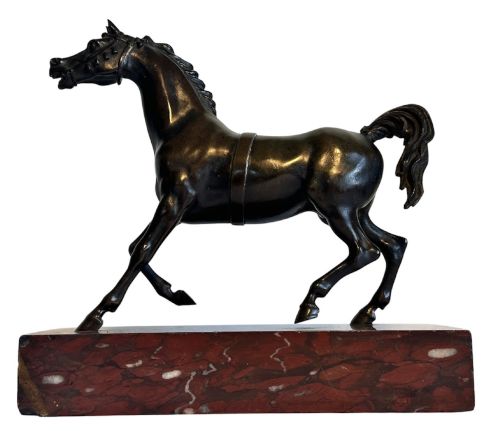
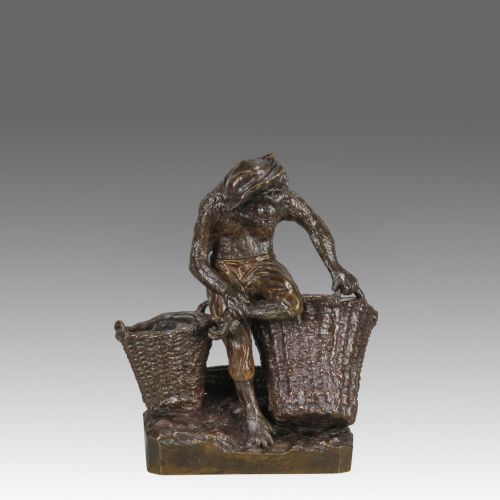
These cast bronze statuette pieces bring classical figures and French realism into a room, offering tactile metalwork for a mantelpiece.
Understanding cast bronze statuette pieces
A cast bronze statuette takes the form of standing pipers, classical deities, and literary or mythological subjects scaled for interior display. They appear across nineteenth-century styles, encompassing French realism, Art Nouveau fluidity, and neoclassical discipline.
The versions most commonly met on this page span the nineteenth century, including specific dates around eighteen-ninety and nineteen-ten. They frequently combine patinated or gilt metal with marble bases to anchor the composition.
Makers and foundries such as Susse Frères and artists including Emmanuel Villanis and Jules Dalou shape the selection. Grand Tour souvenirs also appear, referencing classical sculpture for travellers.
Materials and methods
Foundries cast these figures in bronze, sometimes applying a gilt finish to highlight details of drapery and hair. Metalwork is frequently mounted upon marble bases to provide weight and stability.
Techniques rely upon traditional metal casting, followed by manual chasing of the surface to refine contours and textures. Patination is applied to achieve varied tones across the bronze skin and garments.
Retail Price Guide 2026
Typical UK retail prices for cast bronze statuette, calculated from the Sellingantiques database of over a million retail prices indexed since 2003. This retail price guide relies exclusively on Sellingantiques data; no external sources or auction records are used, so the figures do not describe the wider market.
Listings feature bronze, marble, and gilt bronze across nineteenth-century styles including Art Nouveau and neoclassical.
Assessing quality
The integration of the figure with its marble base and the nuance of the surface patination distinguish finer foundry work from simpler commercial output.
Moreau Family·Emmanuel Villanis·Jules Dalou·Susse Freres·Giambologna
The Cast Bronze Statuette Glossary
- Cast bronze
- Metalwork formed by pouring molten alloy into a mould. It allows intricate sculptural detail and develops a rich surface patina over time.
- Gilt bronze
- Metal coated with a thin layer of gold or gold-coloured alloy. This finish adds luminosity and protects the underlying bronze from tarnishing.
- Patina
- The surface coloration and sheen acquired by bronze through age or chemical treatment. It adds depth and visual warmth to the metal.
- Grand Tour
- Souvenir pieces acquired by travellers in Europe during the nineteenth century. They typically replicate classical antiquities in miniature form.
Frequently Asked Questions
What periods do these pieces date from?
The pieces span the nineteenth century, with specific examples dated around eighteen-ninety, nineteen-hundred, and nineteen-ten.
They reflect nineteenth-century French, European, Art Nouveau, and neoclassical stylistic movements.
What materials are used?
The primary material is cast bronze, which appears alongside gilt bronze and marble.
Marble is utilised for the bases that support the metal figures.
What subjects do these figures depict?
Subjects include mythological figures, classical deities, and pastoral characters such as pipers, milkmaids, and maidens.
Works also reference antique sculpture like Narcissus and Diane do Gabries.
Where were these statuettes made?
The records point to French origins and European workshops associated with named sculptors and foundries.
Grand Tour souvenirs also connect these works to classical models collected during European travels.