

Vintage Bronze Ornament
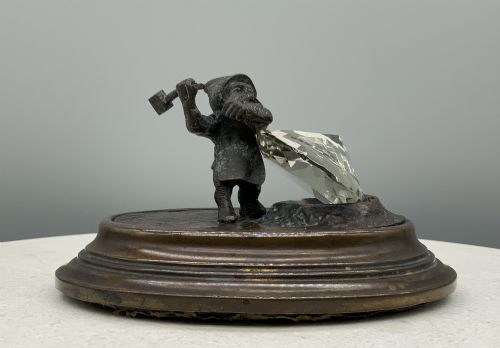
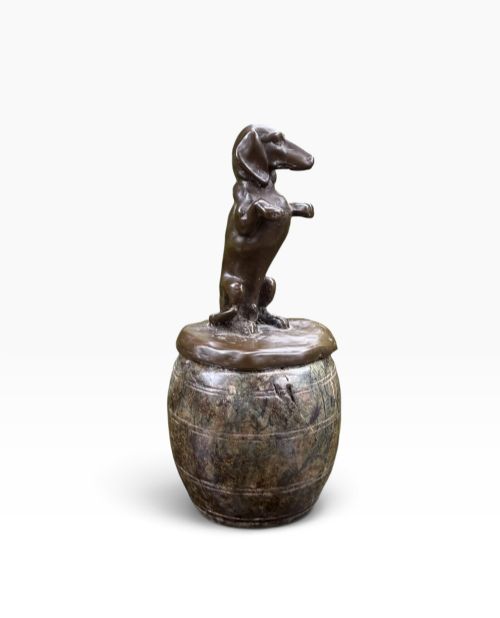
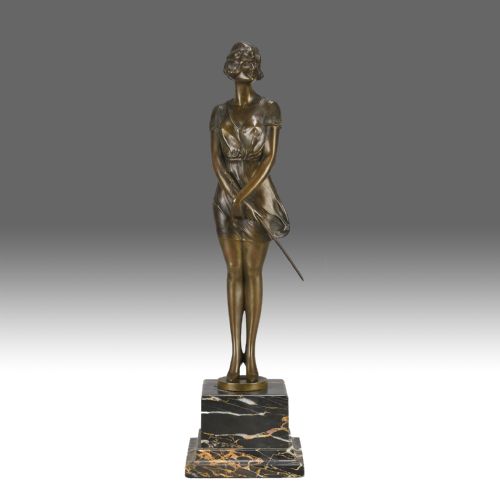
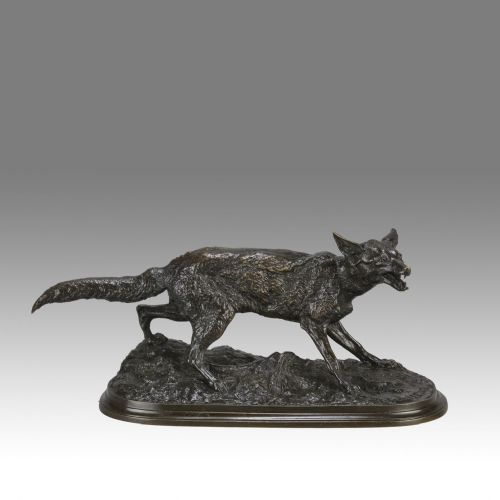
A vintage bronze ornament brings weight and character to a room, ranging from fierce animalier studies to sleek Art Deco dancers.
Vintage Bronze Ornament
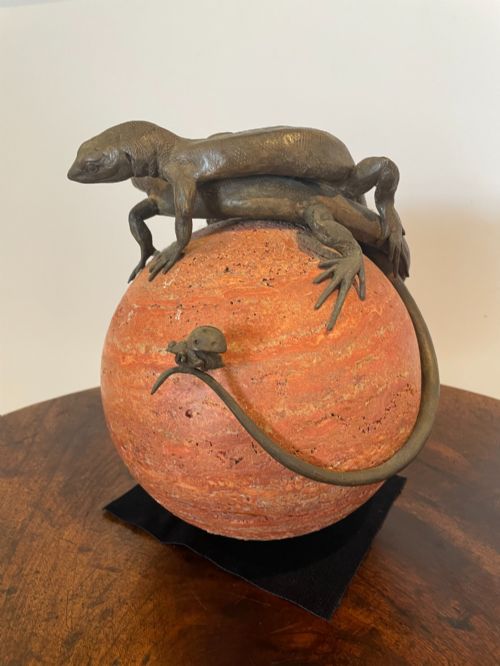
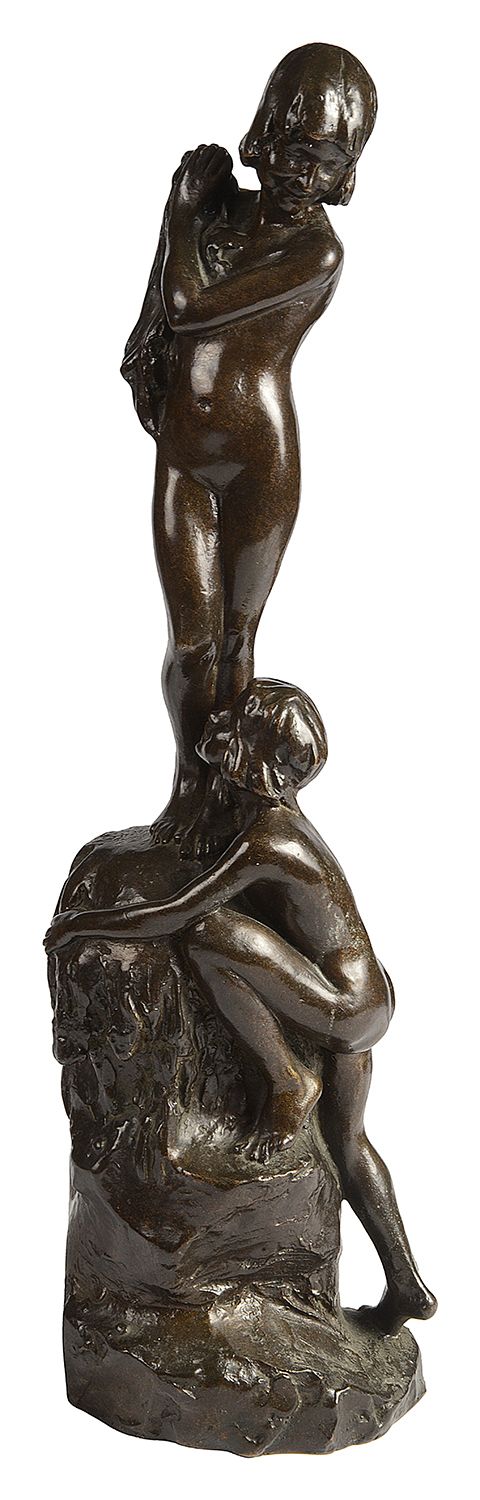
When you search for a vintage bronze ornament, you encounter a diverse array of sculptural objects spanning the nineteenth and twentieth centuries. These pieces encompass everything from delicate animal figurines and garden sundials to grand figurative studies and dancers.
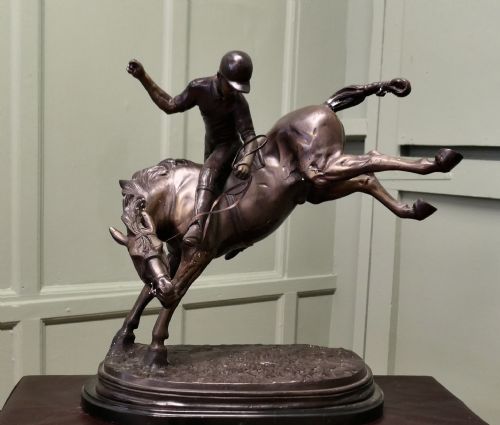
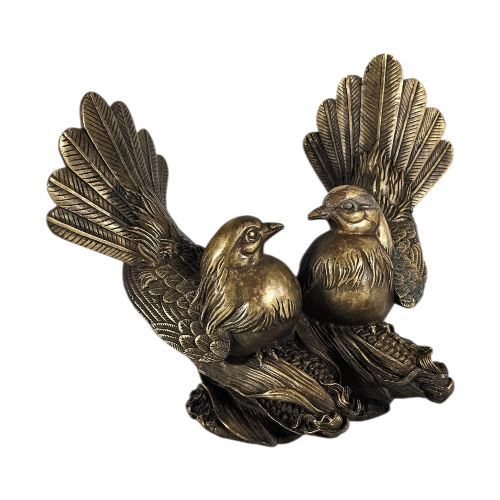
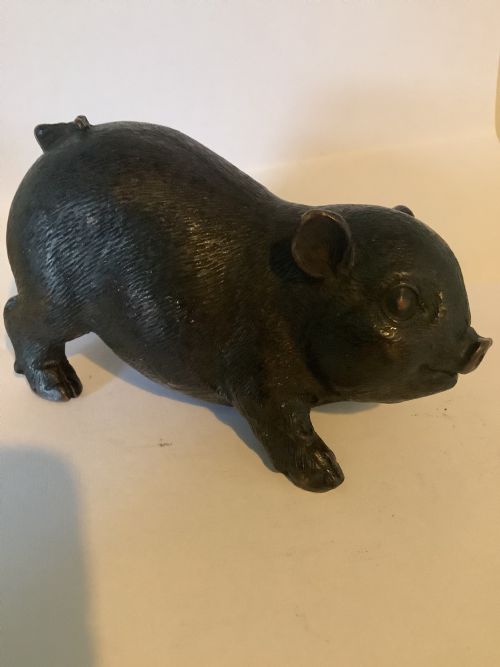
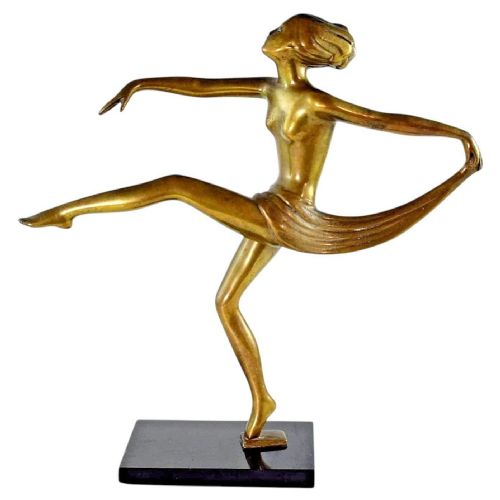
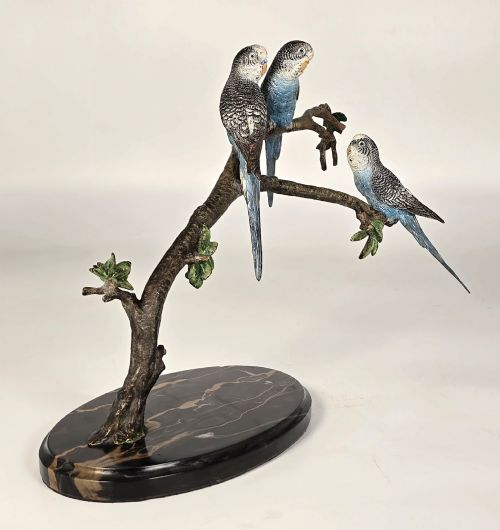
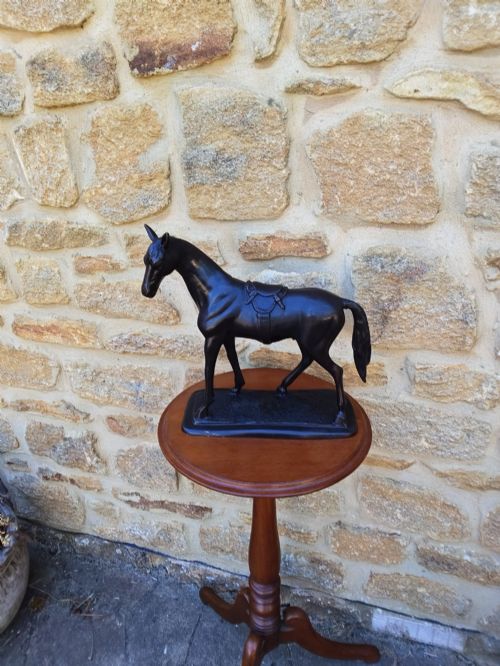
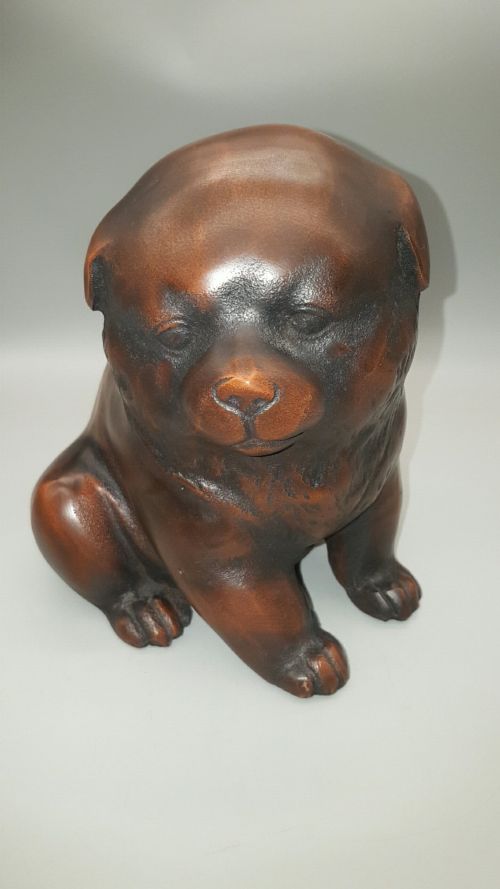
The most common versions met on this page date from the late nineteenth century through to the Art Deco period of the 1920s and 1930s. Animalier studies of dogs, birds, and horses appear alongside human figures cast in distinct stylistic movements like Vienna Bronze and Art Deco.
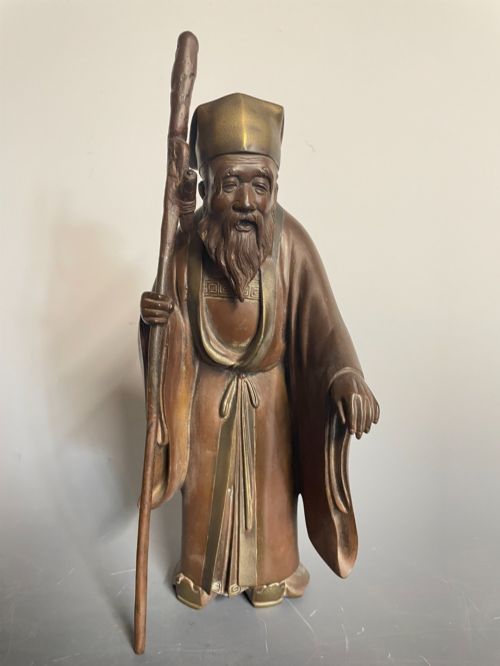
Origins vary widely across the selection, featuring European foundries, Austrian workshops, and Japanese okimono. Buyers find both European dancer figures and Asian bronze subjects among the listed items.
Materials and Technique
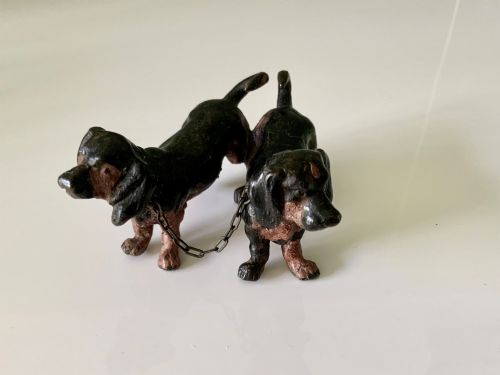
Casting forms the backbone of these pieces, primarily utilising bronze or related metals such as spelter and brass. Many figures employ patinated bronze surfaces, while others receive the intricate detailing of cold painting.
Foundries frequently mounted these metal sculptures onto supportive bases made of marble, onyx, or wood to provide stability and visual contrast. Paint is also recorded as a material component in coloured or cold-painted examples.
Periods represented span from the mid-nineteenth century through the 1930s Art Deco era.
Assessing Quality
Quality in these sculptures rests upon the crispness of the cast and the sensitivity of the modelling. Superior pieces retain sharp details in feathers, fur, and facial expressions without losing definition to heavy cleanup or poor casting.
The application of surface finishes, particularly the depth of patination or the preservation of cold-painted colours, separates standard production from finer examples. Furthermore, the integration of original bases such as marble or onyx contributes to the overall integrity of the piece.
Bruno Zach·P J Mêne·Josef Lorenzl·Franz Bergman·Antoine Louis Barye
The Vintage Bronze Ornament Glossary
- Animalier
- A nineteenth-century artistic movement focused on the realistic depiction of animals, particularly in motion or repose. P J Mêne and Antoine Louis Barye are key figures in this tradition.
- Cold-Painted Bronze
- A technique where paint is applied to a cold bronze casting rather than fired in a kiln, common in Austrian production. Franz Bergman workshops utilised this method extensively.
- Spelter
- A zinc alloy frequently used as a cheaper alternative to bronze, especially during the Art Deco period. Spelter figures often received patination to mimic the appearance of genuine bronze.
- Okimono
- A Japanese decorative object designed for display on a shelf or in a tokonoma alcove. These carvings and castings often depict animals, insects, or figures with high realism.
- Armillary Sphere
- A model of objects in the sky consisting of a spherical framework of rings. These astronomical instruments frequently serve as garden sundials.
Vintage Bronze Ornament: Frequently Asked Questions
What is an animalier bronze?
An animalier bronze is a nineteenth-century sculpture focused on realistic representations of animals. These works capture creatures such as dogs, lions, and birds in naturalistic poses.
Artists within this tradition studied anatomy closely to portray wildlife and domestic animals with vitality.
How do I identify cold-painted bronze?
Cold-painted bronzes feature polychrome decoration applied directly to the metal surface without high-temperature firing. This technique produces vibrant coloration on small figures like birds and human dancers.
Over time, the paint can show characteristic wear that reveals the metal beneath.
What is spelter?
Spelter is a zinc-based alloy commonly utilised as a cost-effective substitute for bronze in manufacturing decorative figures. It typically feels lighter than bronze and often displays a distinct metallic grain under its patination.
Many Art Deco dancing figures were cast in spelter rather than bronze.
Where were Vienna bronzes made?
Vienna bronzes originated in Austrian workshops during the late nineteenth and early twentieth centuries. These small, highly detailed sculptures frequently depict animals, human figures, and whimsical scenes.
Master craftsmen produced them in limited batches with careful cold-painted finishes.
How should I clean a bronze ornament?
Bronze ornaments require minimal intervention to preserve their historic patination. Gentle dusting with a soft, dry cloth is usually sufficient for routine maintenance.
Avoid abrasive cleaners, water, or polishes that can strip away the original surface finish.