


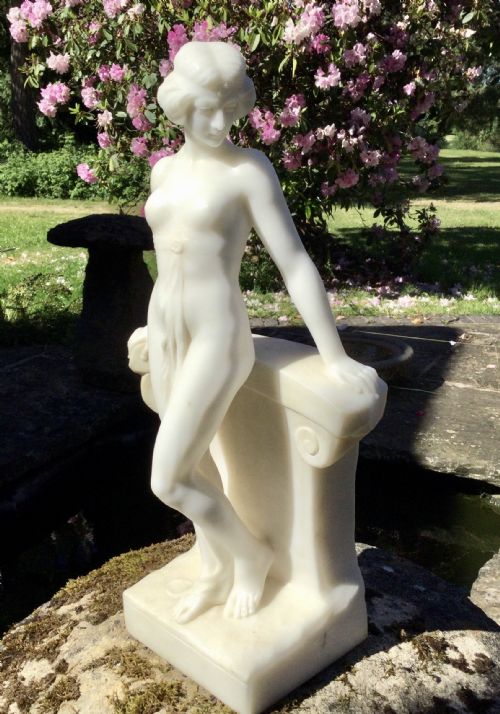
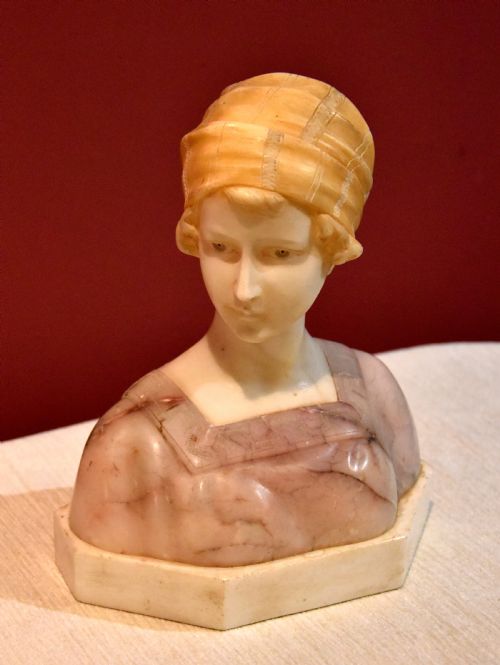
Art Nouveau Female Sculpture
When you handle an art nouveau female sculpture, you hold the fluid lines and natural grace characteristic of turn-of-the-century European casting and carving.
Art Nouveau Female Sculpture
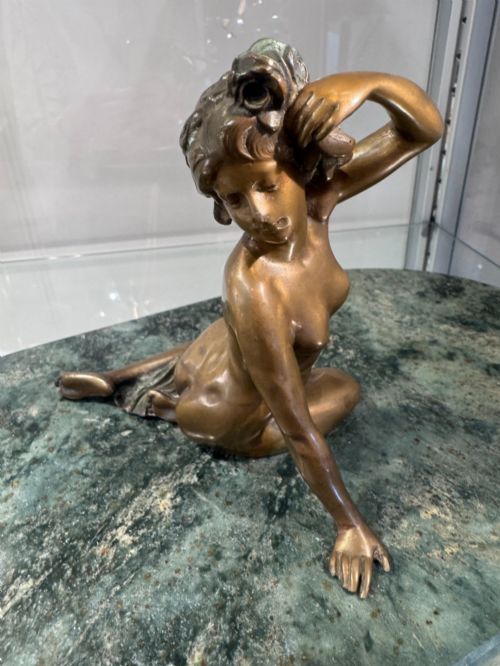
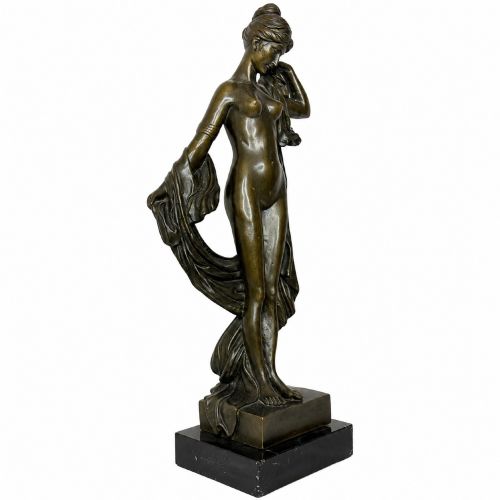
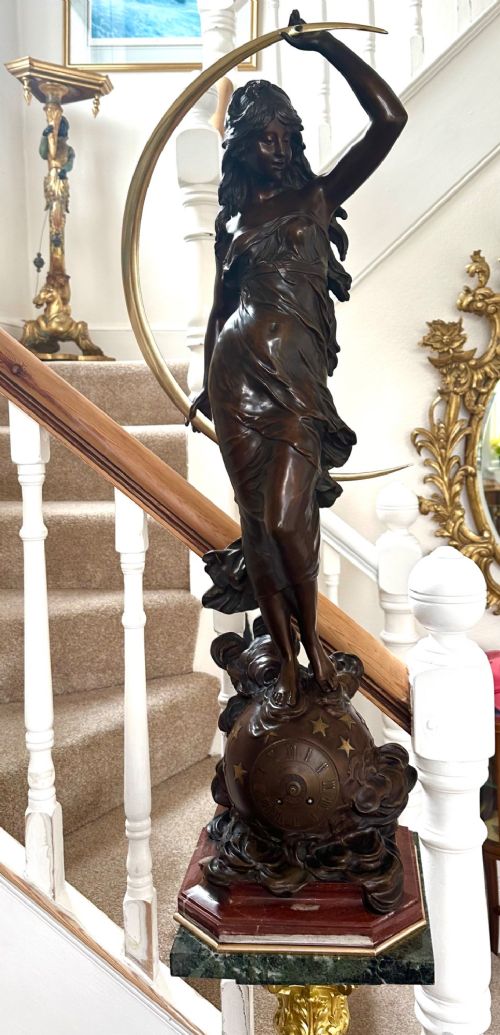
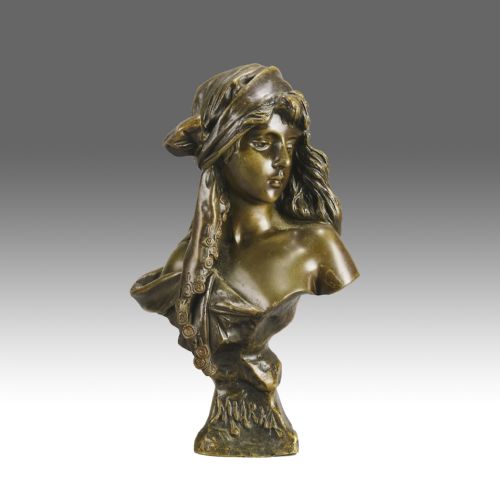
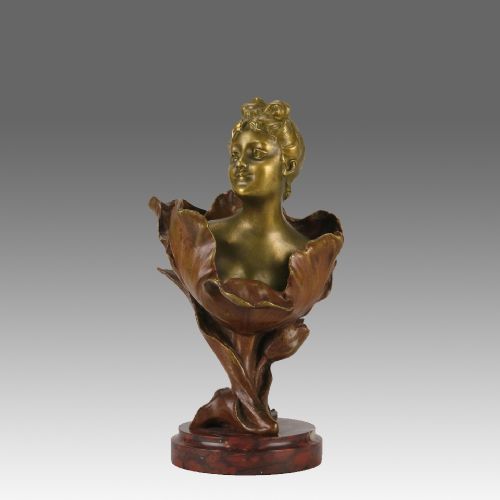
An art nouveau female sculpture captures the stylistic curves and organic motifs popular across the late nineteenth and early twentieth centuries. Pieces range from small decorative desk busts to monumental bronze figures and carved alabaster studies.
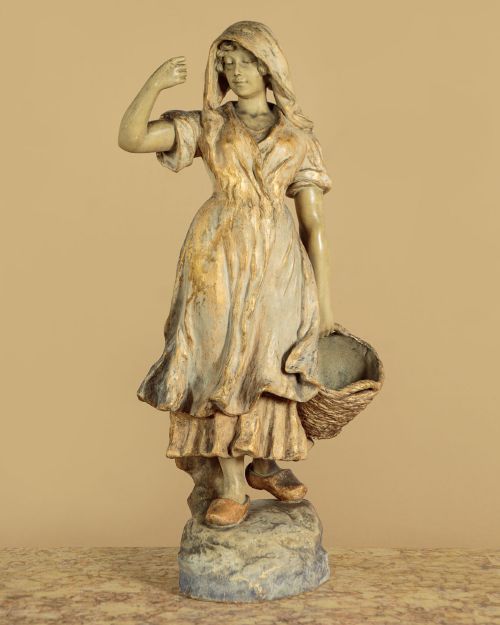
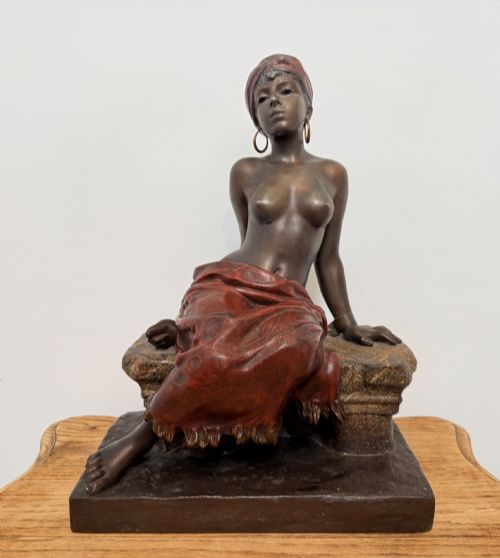
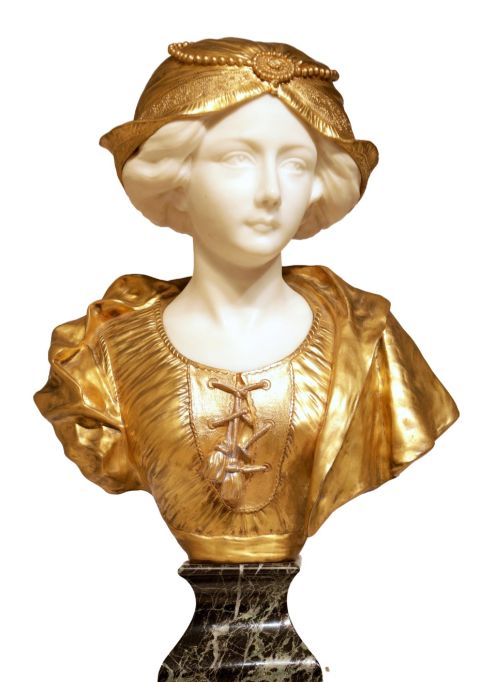
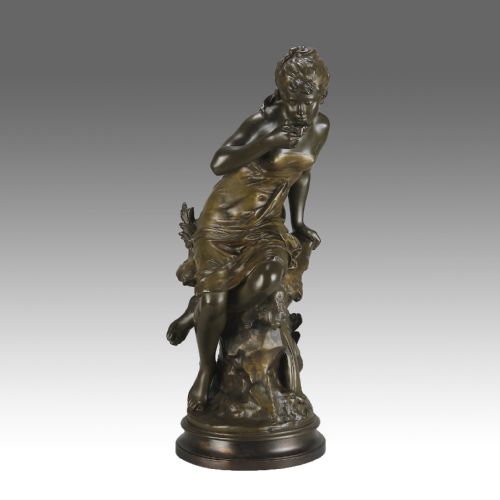
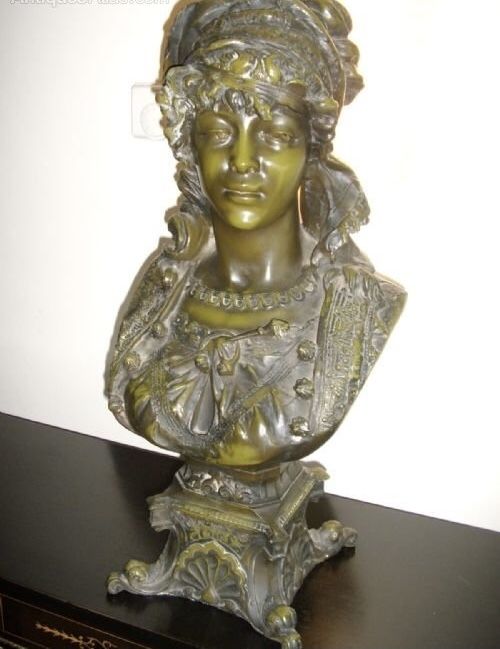
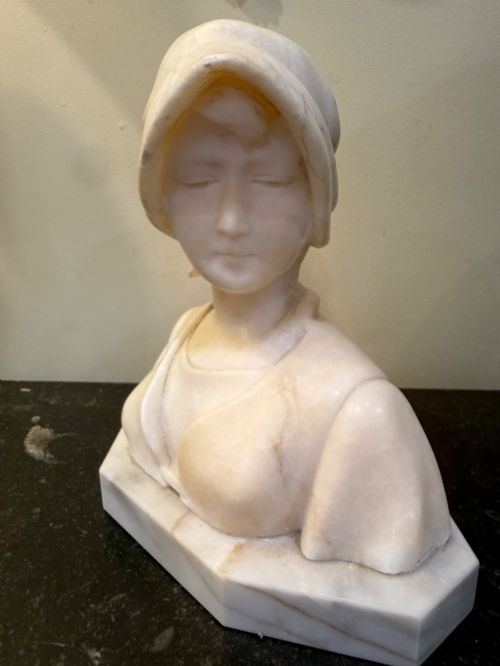
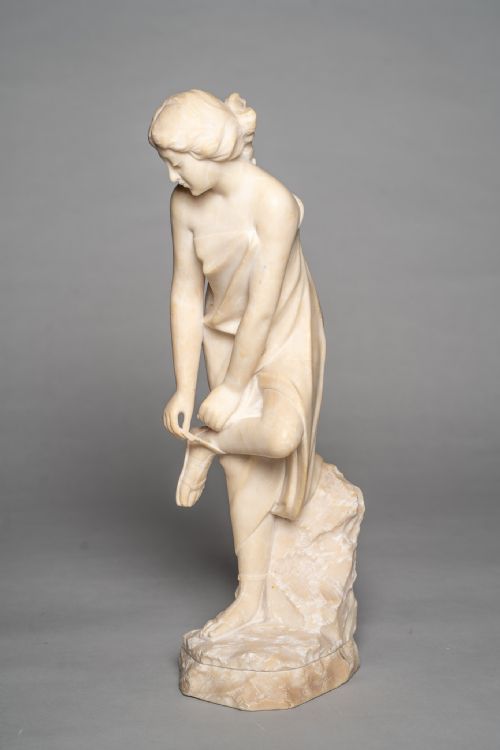
You will most commonly encounter cast bronze figures, often paired with marble plinths, alongside carved alabaster busts and painted terracotta works from French, Austrian, and Italian makers. These portray maidens, water carriers, and allegorical subjects in flowing drapery.
The objects span periods from the eighteen-eighties through the nineteen-twenties, incorporating related aesthetics like Belle Epoque and Arts and Crafts alongside core Art Nouveau designs.
Materials and methods
Foundries produced metal works using the lost-wax casting technique, allowing sculptors to capture intricate details in bronze, gilt bronze, and patinated bronze. Metal components were frequently mounted directly onto carved marble or alabaster plinths.
Carvers worked stone by hand, shaping fine-grained alabaster and marble into smooth busts and reclining nudes that highlighted the natural translucency of the material. Terracotta and ceramic pieces were moulded and fired before receiving painted or glazed finishes.
Art Nouveau Female Sculpture Retail Price Guide 2026
Typical asking prices for art nouveau female sculpture among the pieces listed under this phrase on Sellingantiques today, from the lower quarter to the upper quarter. They describe what is for sale here now, not the wider market.
Listings feature works spanning from the Victorian era through the nineteen-twenties, executed in bronze, alabaster, marble, and terracotta.
Evaluating craftsmanship
The finesse of the chisel work and the crispness of the metal chasing dictate the visual power of a piece. Finer sculptures display subtle facial expressions, detailed hair, and naturalistic folds in drapery that lesser castings blur.
The harmony between the main figure and its base matters greatly, as top-tier works integrate bronze and marble seamlessly rather than relying on clumsy mechanical joins.
Goldscheider·Rudolf Küchler·Emmanuel Villanis·Auguste Moreau·Mathurin Moreau·Henri Godet·Georges Van Der Straeten·Royal Dux Bohemia·Edouard Drouot·Hans Müller
The Art Nouveau Female Sculpture Glossary
- Patinated bronze
- Bronze treated with chemical solutions to produce a specific surface colour or tone. This process protects the metal while enhancing visual depth.
- Alabaster
- A soft, fine-grained stone used extensively for carved female busts. Its translucent quality permits light to penetrate the surface.
- Lost-wax casting
- A metal-casting method where a wax model is melted out and replaced with molten bronze. This technique allows for complex, undercut forms.
- Terracotta
- Fired unglazed clay of a brownish-red colour. It provides a warm, matte surface popular for figurative modelling.
Art Nouveau Female Sculpture: Frequently Asked Questions
How do I clean bronze figures?
Dust gently with a soft, dry cloth to remove surface particles without disturbing the underlying patina. Avoid commercial metal polishes or water, which can strip historic finishes from the bronze.
Wax can be applied very sparingly by experienced hands if the metal appears dry, but most pieces require minimal intervention beyond regular dusting.
What is patinated bronze?
Patinated bronze refers to metal surfaces treated deliberately with acids and heat to create rich brown, green, or dark tones. This artificial oxidation stops active corrosion and gives the sculpture its finished appearance.
Over decades, the patina darkens naturally through handling and ambient exposure, forming a stable surface layer valued by collectors.
How can I tell periods apart?
Pieces from the eighteen-eighties and nineties often lean towards traditional academic forms with classical revival undertones. By nineteen hundred, whiplash curves, floral motifs, and organic styling fully define the Art Nouveau aesthetic.