




Green Onyx Base Sculpture
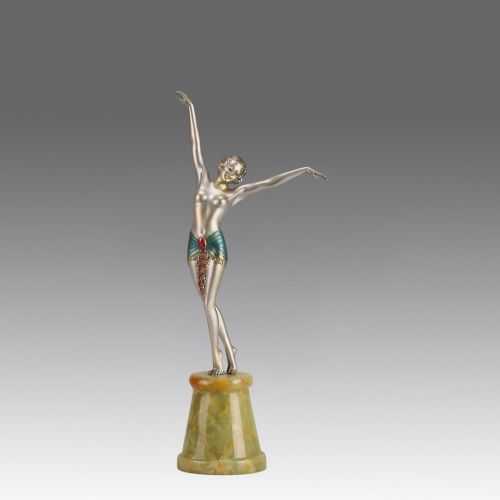
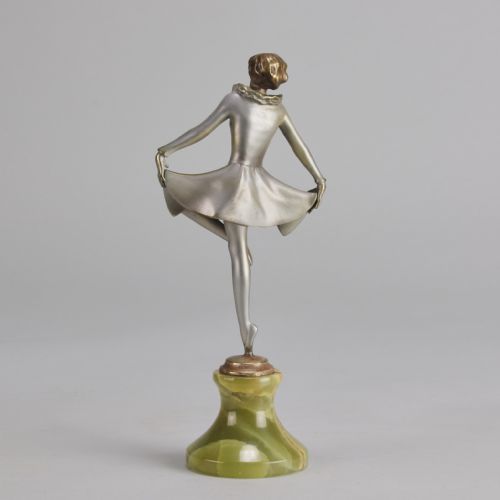
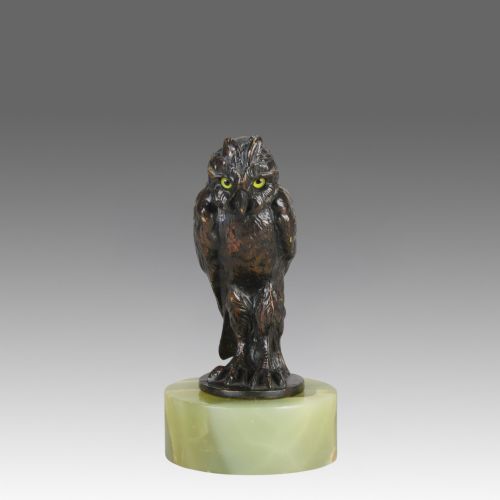
A green onyx base sculpture brings together rich mineral stone and cast metal figures to create striking decorative centrepieces.
Defining green onyx base sculpture
A green onyx base sculpture combines carved mineral plinths with metal figures, typically taking the form of desk ornaments or cabinet pieces. When searching for a green onyx base sculpture, buyers encounter works spanning the late nineteenth century through to the interwar decades.
The offerings on this page focus on European metalwork mounted on polished stone. These figures range from Art Deco dancers to Art Nouveau female models and animal studies.
Originating from periods such as the eighteen-fifties, eighteen-eighties, and the nineteen-twenties to nineteen-thirties, these pieces reflect changing aesthetic tastes across Europe. Austrian and French workshops dominate the available forms.
Materials and construction
The foundation of these works consists of natural onyx, cut and polished into heavy geometric or stepped blocks to provide stability. This stone is paired with cast metals, specifically bronze, cold-painted Vienna bronze, and spelter.
Metal figures are cast using traditional foundry methods and then finished with patination, gilding, or cold-painted polychrome colours. The metal components are secured directly to the stone bases using threaded bolts or pins.
Retail Price Guide 2026
Typical UK retail prices for green onyx base sculpture, calculated from the Sellingantiques database of over a million retail prices indexed since 2003. This retail price guide relies exclusively on Sellingantiques data; no external sources or auction records are used, so the figures do not describe the wider market.
Listings feature materials including onyx, bronze, spelter, and mixed metals across Art Nouveau and Art Deco styles.
Assessing quality
Quality in these sculptures rests upon the fidelity of the metal casting and the depth of hand-finishing applied to the surface. Finer bronzes display crisp details in facial expressions and drapery, whereas lesser spelter castings often show softer contours and simpler patination.
The selection of the onyx base also distinguishes standard production from superior pieces. Dense, evenly coloured stone with minimal veining faults represents the higher tier of production, matching the ambition of the metalwork above it.
Josef Lorenzl·Bruno Zach
The Green Onyx Base Sculpture Glossary
- Onyx
- A dense, banded variety of chalcedony quartz that takes a high polish and provides a heavy, decorative foundation for metal figures.
- Spelter
- An alloy of zinc and lead used as a less costly alternative to bronze, commonly found in French nineteenth-century decorative figures.
- Cold-painted bronze
- A technique where bronze sculptures are painted with cold oil or tempera paints after casting, rather than being fired in a kiln.
- Patina
- The surface sheen or colour layer developed on metal through age or chemical treatment by the artist.
Frequently Asked Questions
What is a green onyx base sculpture?
These decorative objects consist of a carved stone plinth supporting a cast metal figure or animal study. They serve as mantel ornaments or cabinet pieces.
The style and subject matter depend heavily on the decade of production, shifting from naturalistic animal studies to stylised human figures.
How do I care for green onyx?
Onyx is a softer mineral that can be sensitive to acidic substances and moisture. Dust the stone gently with a dry microfiber cloth.
Avoid using liquid cleaners or chemical polishes, as these can strip the polished seal from the surface of the stone.
How do I distinguish bronze from spelter?
Bronze is a heavy copper alloy that produces a resonant sound when struck and accepts intricate chisel work. Spelter is softer, lighter, and often reveals a greyish metal beneath worn paint.
Examining the underside or mounting points usually reveals the true nature of the cast metal.
What periods do these sculptures cover?
The available pieces span from the mid-nineteenth century through the Art Nouveau era and into the Art Deco period of the nineteen-twenties and thirties.
Each period brings distinct artistic conventions, from ornate Victorian animal bronzes to sleek modernist dancers.