
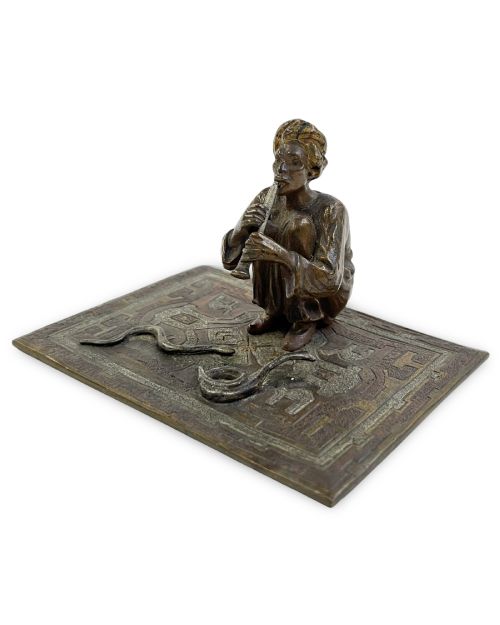


Viennese Bronze Sculpture
Viennese bronze sculpture comprises finely cast metal figures finished in vibrant colours, prized by collectors for their intricate detail and character.
Viennese Bronze Sculpture
When you search for viennese bronze sculpture, you encounter small metal figures and decorative objects that capture varied subjects from animal studies to human figures. These pieces originate across the nineteenth and twentieth centuries, spanning periods such as the nineteenth century, nineteen hundred, and nineteen thirty.
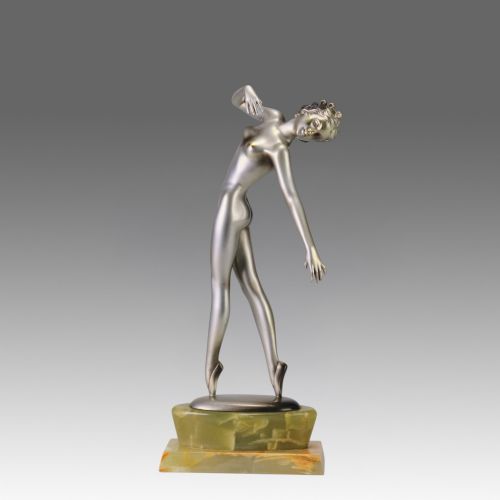
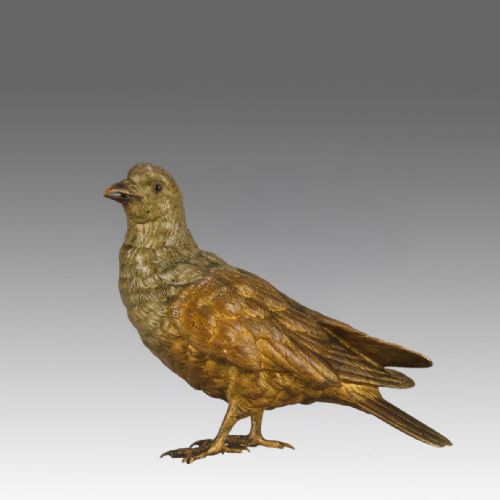
The objects take diverse forms including animalier studies, table lamps, pin trays, and decorative figurines. Many incorporate marble or onyx plinths, while others stand independently as detailed tabletop bronzes.
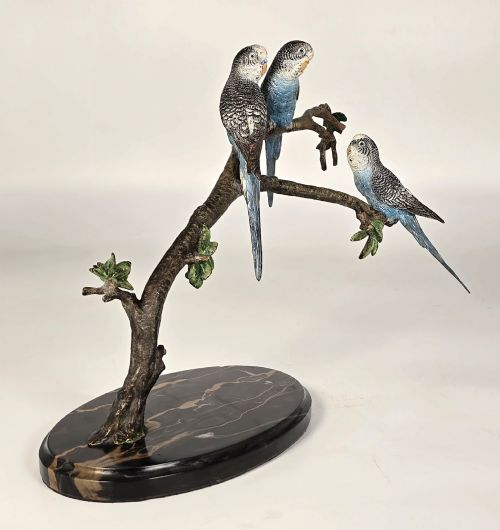
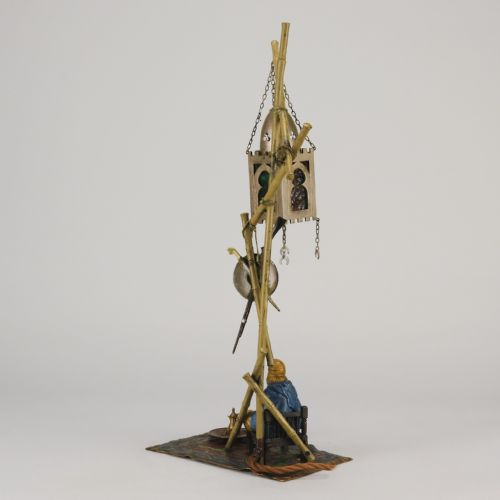
Orientalist subjects, animal groups including budgerigars and pugs, and figures such as sword merchants and writers appear frequently among the pieces. Art Deco and Art Nouveau influences emerge in works produced through the early decades of the twentieth century.
How they were made
The creation of these works relies upon metal casting in bronze, shaped into realistic or stylised forms. Artisans then apply cold-painted techniques, laying down enamel paint or polychrome enamel directly onto the unheated metal surface.
Many sculptures incorporate additional media such as marble or onyx bases, glass components, and terracotta elements. This combination of cast metal and applied pigment gives the pieces their characteristic vibrant appearance.
Listings feature bronze, paint, marble, onyx, glass, and terracotta across nineteenth and twentieth-century periods.
What varies in quality
The harmony between the bronze figure and its mounting, whether on an onyx plinth or integrated with a lamp or pin tray, contributes to the overall success of the work. The skill of the polychrome enamel application distinguishes superior studio output from simpler production.
Franz Bergman·Josef Lorenzl·Franz Xaver Bergman·Carl Kauba·Bruno Zach·Goldscheider
The Viennese Bronze Sculpture Glossary
- Cold-painted bronze
- Metal sculpture decorated with paint applied after casting rather than fired in a kiln. This technique allows for high detail in the polychrome finish.
- Animalier
- A genre dedicated to the realistic representation of animals. These studies focus closely on the anatomy and natural postures of birds, dogs, and wildlife.
- Orientalist
- A style depicting themes, figures, and architecture from the Middle East and North Africa. Works in this vein often portray merchants, snake charmers, and figures in traditional dress.
- Onyx
- A banded variety of chalcedony frequently used as a heavy, decorative base for bronze sculptures and table lamps. It provides a stable and polished plinth for the metalwork.
Viennese Bronze Sculpture: Frequently Asked Questions
What is cold-painted bronze?
Cold-painted bronze refers to metal sculptures that are decorated with paint applied directly to the cast surface without being fired in a kiln. This method permits intricate polychrome detail.
The technique produces bright finishes on animal studies and human figures, though the paint remains susceptible to wear if handled frequently.
Where were these sculptures made?
These pieces originate primarily from workshops and foundries in Vienna, Austria, active during the late nineteenth and early twentieth centuries. Master craftsmen produced varied decorative objects for international export.
The output encompasses animalier studies, Orientalist figures, and Art Deco works designed for domestic display.
How should I display them?
These sculptures suit placement on desks, mantelpieces, and cabinets where their detailed cold-painted finishes remain visible. Pieces mounted on onyx or marble plinths require stable, flat surfaces.
Keep them away from direct sunlight and moisture to preserve the delicate enamel paint and the integrity of the metal.
How do I identify periods?
Dating relies on stylistic markers such as the flowing lines of Art Nouveau or the geometric abstraction of Art Deco. Subject matter and signatures also indicate the period of production.
Earlier nineteenth-century pieces often reflect Victorian tastes, while works from nineteen ten to nineteen thirty show shifting modern design influences.