


Viennese Cold Painted Figurines
Viennese cold painted figurines capture the lively spirit of the early twentieth century through intricate miniature bronzes and terracotta works.
Viennese Cold Painted Figurines
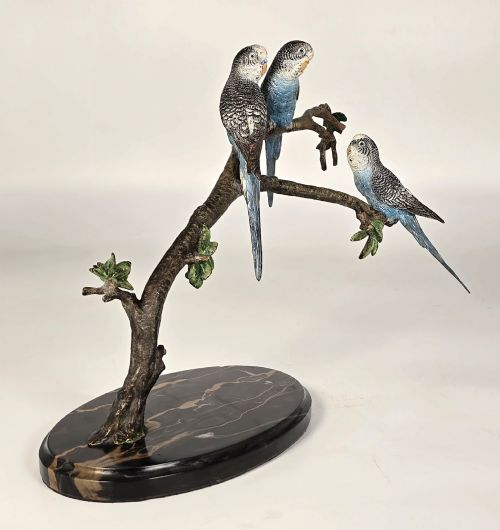
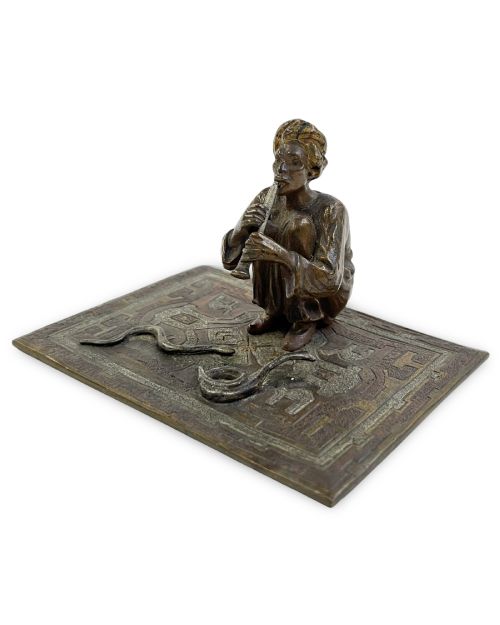
Viennese cold painted figurines encompass a diverse range of bronze and terracotta sculptures produced primarily during the nineteenth and early twentieth centuries. When searching for viennese cold painted figurines, buyers encounter charming depictions of animals, human figures, and orientalist scenes. The pieces on this page span several decades, featuring subjects from budgerigars and pugs to snake charmers and equestrian studies.
Makers from the Austrian and Vienna schools dominated this decorative art, often mounting their bronzes onto polished stone bases such as onyx or marble. The forms vary from small tabletop sculptures and pin trays to elaborate figural studies. Art Deco influences also emerge in pieces from the nineteen-twenties, reflecting the changing aesthetic tastes of the period.
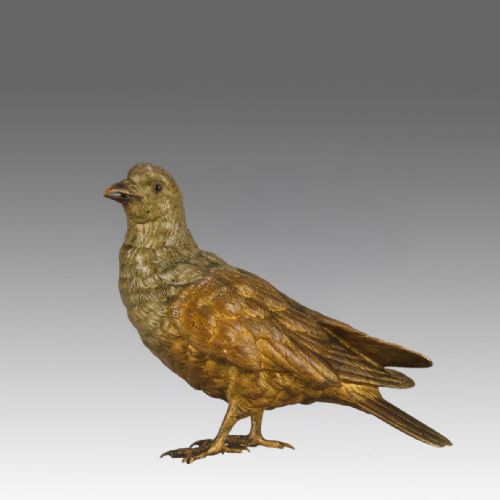
Animal subjects form a significant portion of these works, with birds, ducks, and antelopes appearing alongside more narrative compositions. Figures such as writers, sword merchants, and equestrian riders demonstrate the breadth of workshop output. Each sculpture provides a small window into the craftsmanship of European foundries from the eighteen-hundreds through the nineteen-thirties.
Materials and methods
Artisans cast these sculptures predominantly in bronze, utilising traditional techniques to capture fine anatomical details and textures. Following the casting process, workers applied polychrome enamel paint by hand onto the metal surface without firing it in a kiln, which accounts for the term cold-painted. Some later works also incorporated painted terracotta alongside the traditional bronze mediums.
The application of enamel paint required steady hands to achieve the layered colours seen on birds, garments, and animal pelts. Many workshops mounted the finished metal figures onto bases of carved marble or onyx to provide stability and visual contrast. This combination of cast bronze and detailed hand-painting defines the technical execution of the genre.
Listings feature bronze and terracotta works from the nineteenth century up to nineteen-thirty, incorporating materials like onyx and marble.
Assessing quality
Preservation of the original cold-painted enamel surface plays a major role in the desirability of these sculptures. Pieces that retain their vibrant polychrome colours without extensive flaking or overpainting demonstrate greater integrity. Furthermore, the inclusion of supportive materials like original onyx or marble plinths enhances the overall presence of the figurine.
Josef Lorenzl·Franz Bergman·Franz Xaver Bergman·Bruno Zach·Goldscheider
The Viennese Cold Painted Figurines Glossary
- Cold-painted
- A technique where metal sculptures are decorated with unfired enamel paint applied by hand. This method allows for high levels of detail and vibrant polychrome finishes.
- Bronze
- An alloy of copper and tin utilised for casting durable sculptures. It serves as the primary metal substrate for the majority of these figural works.
- Orientalism
- An artistic style depicting themes and subjects from Middle Eastern and North African cultures. Popularised in European art during the nineteenth and early twentieth centuries.
- Terracotta
- Fired clay used as a medium for sculptural works. Certain continental makers utilised painted terracotta alongside their metal output.
- Animalier
- A nineteenth-century artistic movement focused on the realistic portrayal of animals. Artists in this tradition studied anatomy closely to capture creatures in natural poses.
Viennese Cold Painted Figurines: Frequently Asked Questions
How do I clean cold painted bronze?
Maintenance requires gentle dusting with a soft, dry brush to protect the delicate enamel surface from moisture and abrasion.
Water and chemical solvents should be avoided entirely, as they can easily dissolve or lift the original cold-painted colours.
Were these figurines signed by makers?
Many pieces feature foundry marks, stamps, or artist signatures incorporated into the bronze casting near the base.
Not all works carry visible signatures, as some workshops relied on paper labels or exported unmarked items.
What is an orientalist bronze?
These sculptures depict scenes, figures, and architecture inspired by Middle Eastern and North African cultures.
They reflect the European fascination with distant lands during the nineteenth and early twentieth centuries.
Why is the paint called cold-painted?
The term describes pigment applied to the metal without the use of high-temperature kiln firing.
Because the enamel dries naturally on the cold surface, the paint remains more delicate than traditional fired glazes.