
Antique Bronze Bird Sculpture
These antique bronze bird sculpture pieces capture avian forms with striking realism, offering collectors fine metalwork that brings natural history into the home.
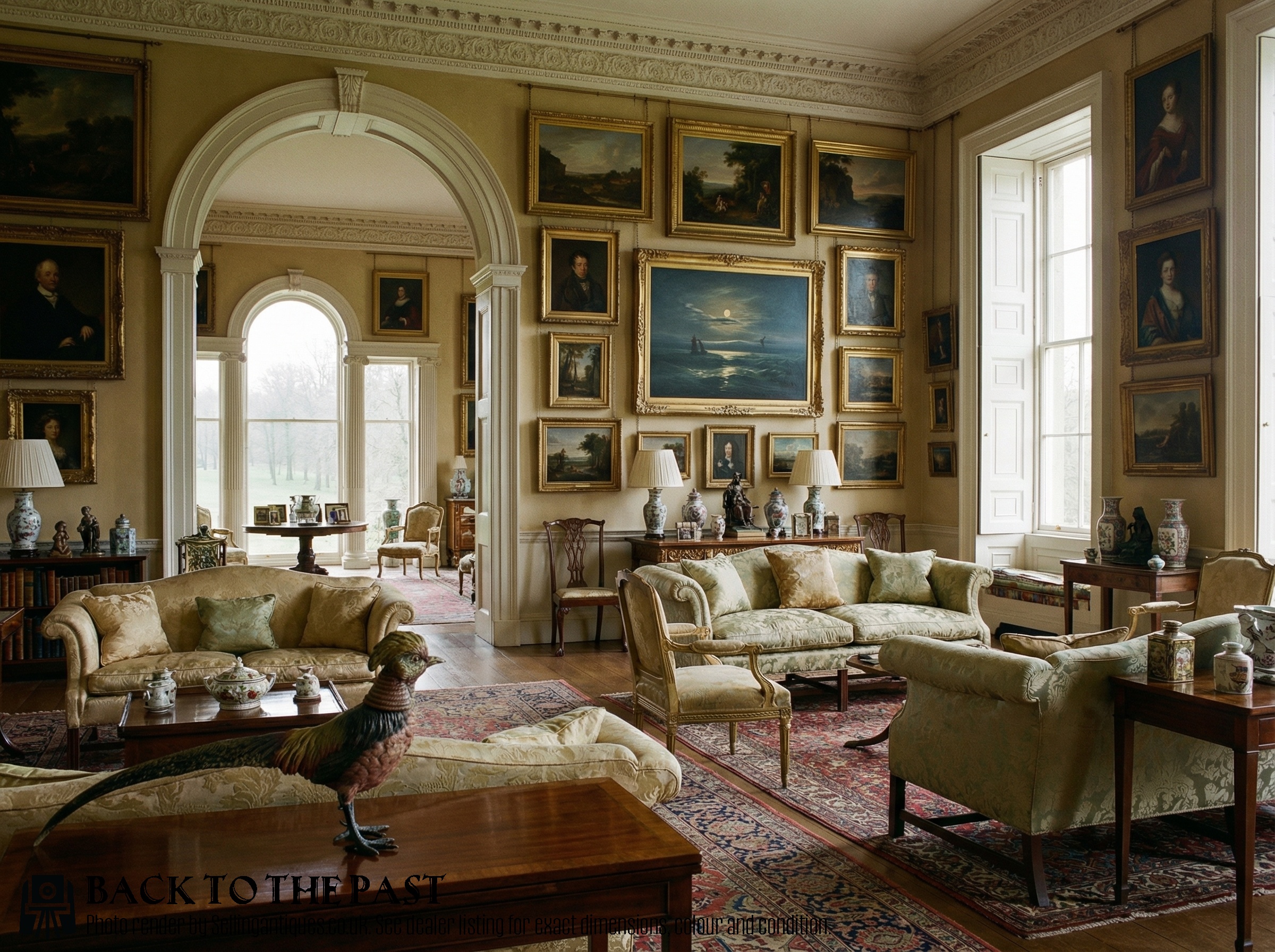
Understanding antique bronze bird sculpture pieces
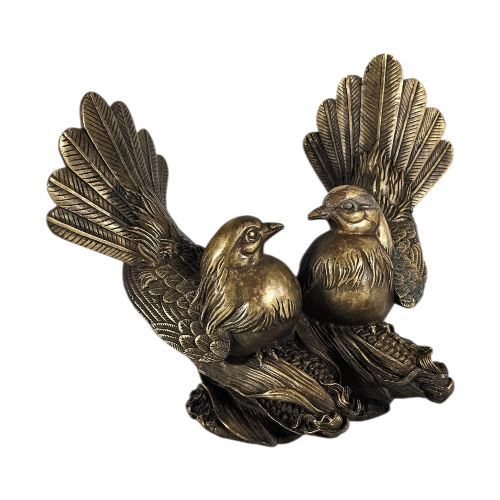
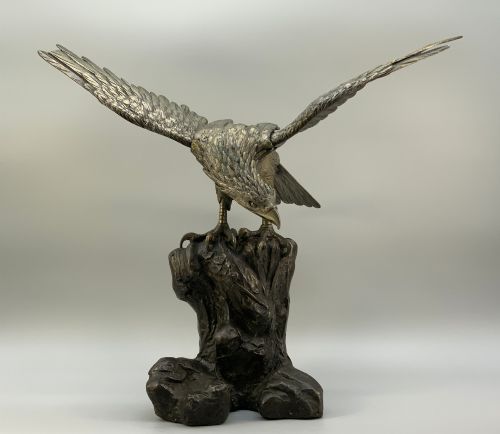
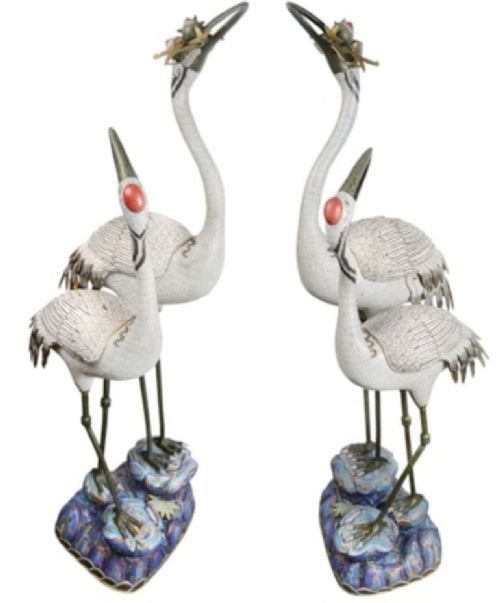
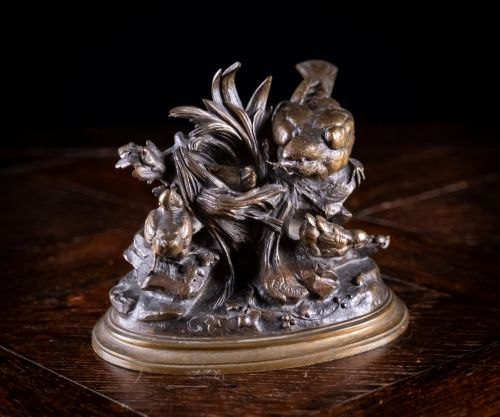
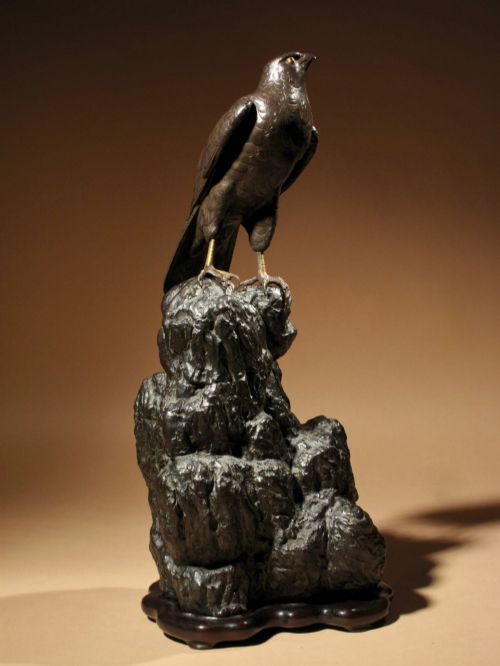
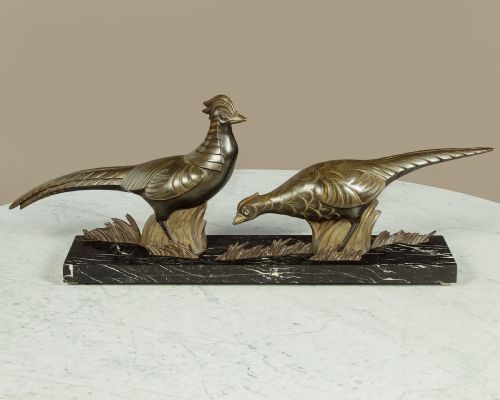
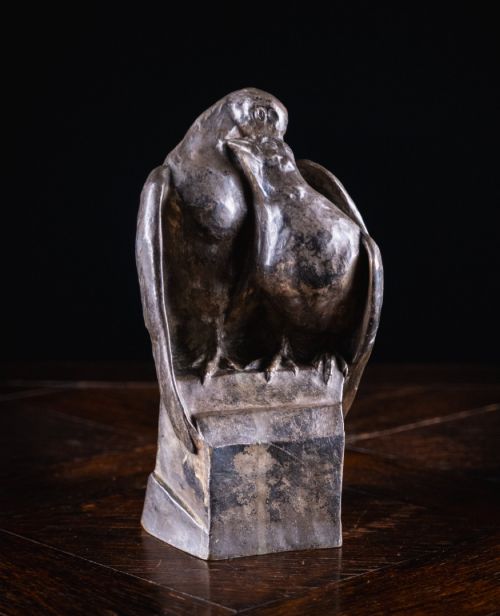
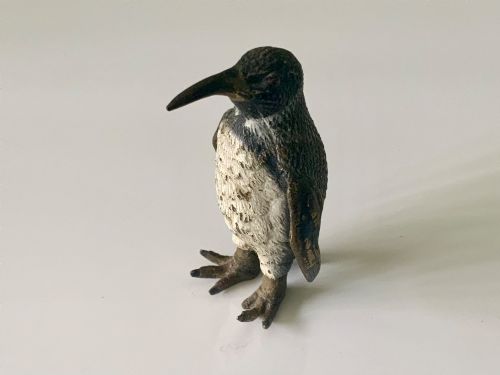
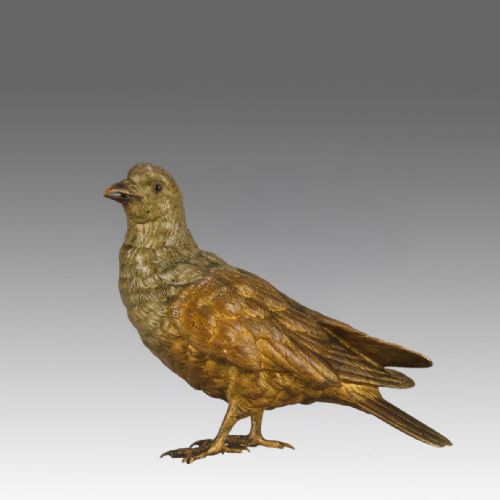
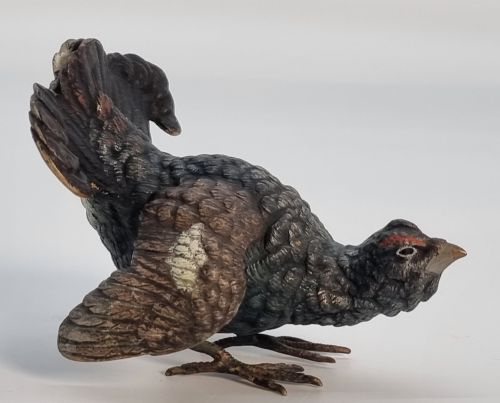
An antique bronze bird sculpture captures avian subjects across various species, including pheasants, grouse, kingfishers, kiwi birds, cranes, herons, and storks. These figures emerge predominantly from the nineteenth century and the early twentieth century.
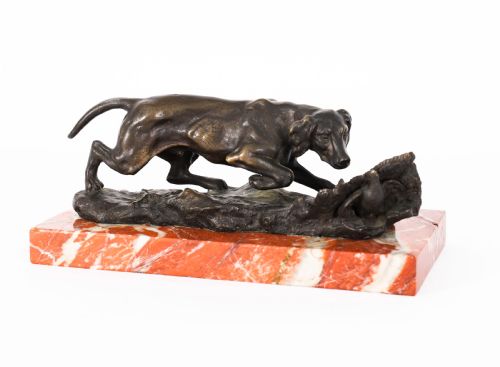
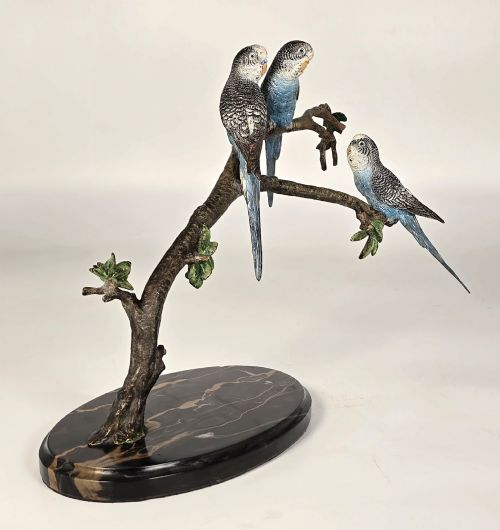
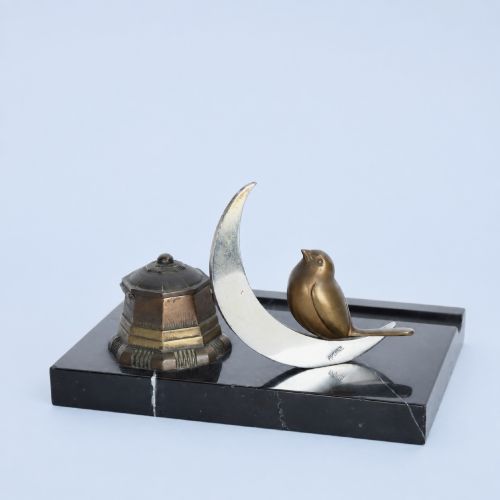
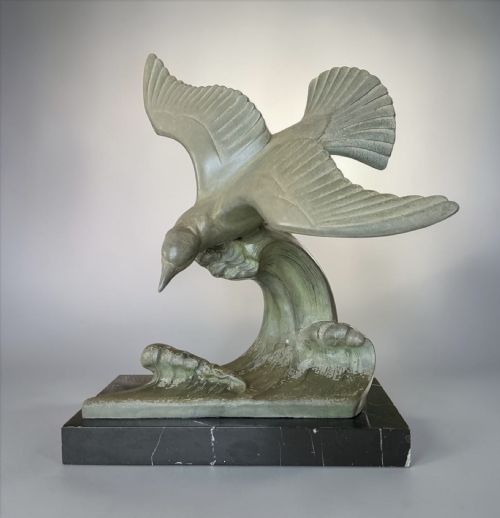
Makers rendered these birds in realistic stances, often depicting them standing on the ground or mounted atop a marble plinth. The styles span Art Nouveau alongside specialised Austrian and Vienna bronze traditions.
Materials and methods
Artisans cast these sculptures in bronze, shaping the metal to define the physical contours and feathers of each bird. The material provides durability and a substantial weight suited to sculptural representation.
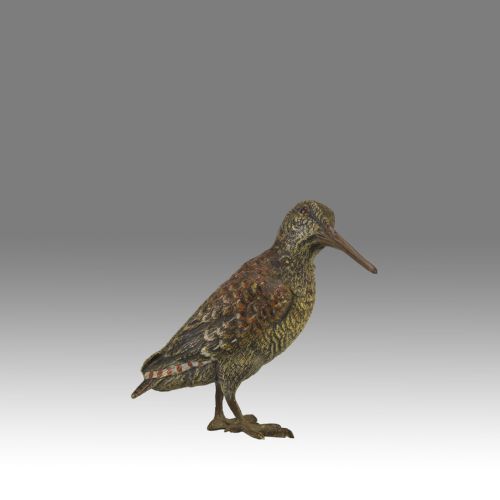
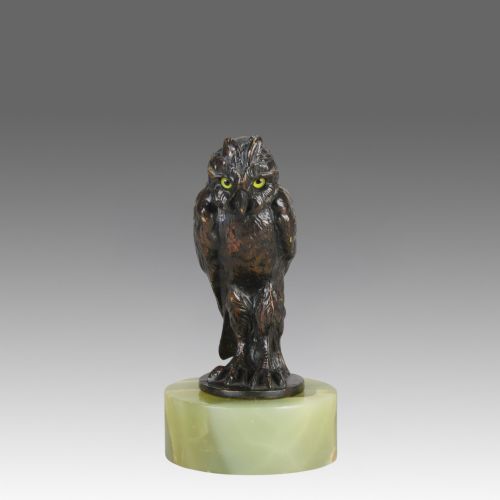
Many examples receive surface decoration through paint, cold paint, or enamel paint. This cold-painted technique involves applying pigment to the cured bronze without subsequent firing, preserving fine surface detail.
Retail Price Guide 2026
Typical UK retail prices for bronze bird sculpture, calculated from the Sellingantiques database of over a million retail prices indexed since 2003. This retail price guide relies exclusively on Sellingantiques data; no external sources or auction records are used, so the figures do not describe the wider market.
The documented styles span Art Nouveau and Austrian cold-painted bronze traditions, depicting diverse birds from pheasants to kiwis.
Distinctions in quality
The refinement of the casting defines the upper tier of these sculptures, where feather texture and anatomical proportions appear with high precision. Lesser examples display softer surface definitions and less convincing postures.
The preservation of the original surface finish heavily influences desirability. Sculptures retaining vibrant and complete cold paint or enamel work demonstrate superior condition compared to those with significant pigment loss.
Franz Bergman
The Antique Bronze Bird Sculpture Glossary
- Cold paint
- Paint applied to a finished metal object without heat fixing. This technique was widely utilised by Austrian workshops to add colour to bronze figures.
- Vienna bronze
- Small, highly detailed bronze sculptures produced in Austrian foundries during the late nineteenth and early twentieth centuries. These pieces often depict animals and human figures with character.
- Plinth
- A heavy base supporting a statue or sculpture. In these collections, marble plinths occasionally elevate the bronze bird figures.
- Art Nouveau
- An international style of art and design characterised by fluid, organic lines. This aesthetic influenced the styling of various bronze sculptures from the turn of the twentieth century.
Frequently Asked Questions
What is an antique bronze bird sculpture?
These pieces are small metal figures cast in bronze to represent various bird species, often decorated with colour.
They reflect the wildlife and decorative arts of the nineteenth and early twentieth centuries.
How were cold painted bronzes made?
Foundries cast the bird figure in bronze and then applied oil paints directly to the metal surface by hand.
Because the paint was not fired in a kiln, it sits on the exterior and requires careful handling to preserve.
Where were Vienna bronzes produced?
These sculptures originated in workshops located in Vienna, Austria, during the late nineteenth and early twentieth centuries.
Master craftsmen in these foundries specialised in small scale, highly realistic animal figures.
How should I display these sculptures?
Place them on stable surfaces away from direct sunlight and moisture to protect the delicate painted finishes.
Keeping them on flat shelves or desks allows for close appreciation of the intricate feather details and postures.