

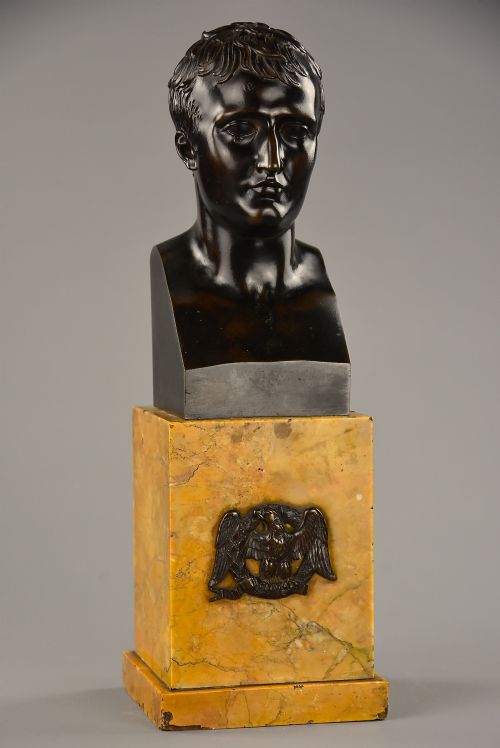


Bronze Eagle Statue
A bronze eagle statue captures avian power in cast metal, bringing nineteenth-century presence and finely detailed plumage into any room.
Bronze Eagle Statue
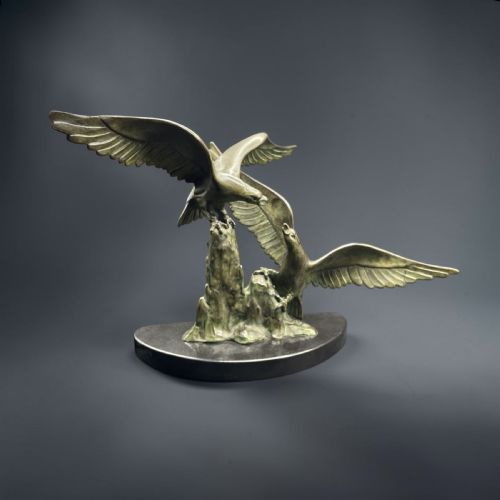
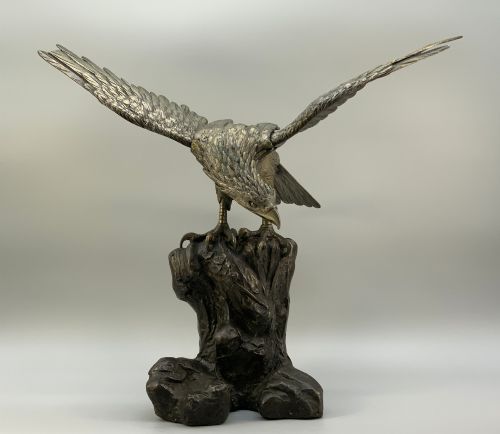
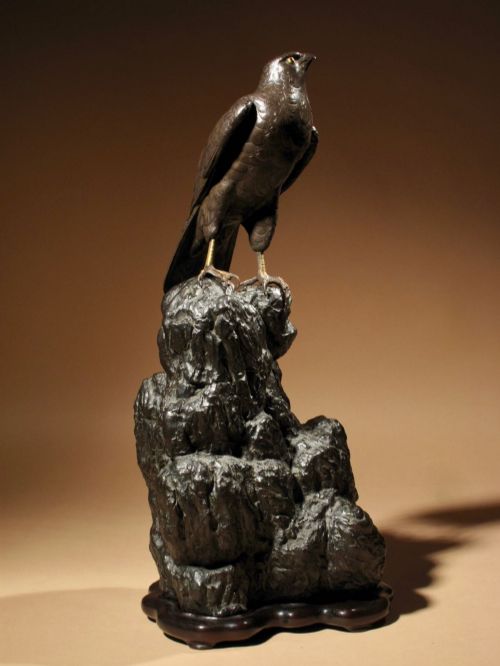
When you search for a bronze eagle statue, you encounter nineteenth-century European animalier works and Japanese Meiji period okimono sculptures. These pieces range from fierce birds perched on rocks to dramatic depictions of raptors subduing prey.
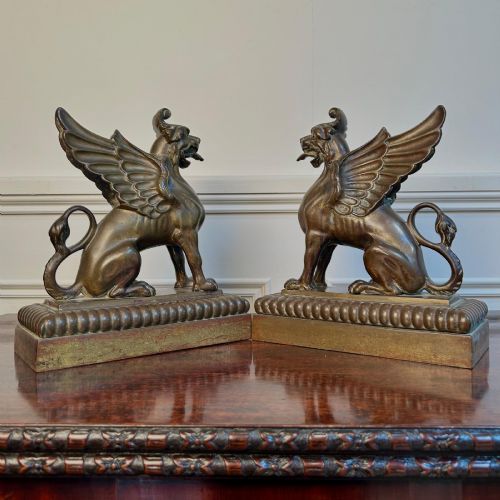
The selections available here lean heavily towards French animalier school models and Japanese Meiji period castings. You will also find related desk accessories, clocks, and busts cast in the same enduring metals.
Materials and casting methods
These works rely on cast bronze, often enhanced with dark patina, gilt finishes, or silvering to bring out the texture of feathers and talons. Founders utilised traditional methods to achieve sharp definition in the metalwork.
Many Japanese pieces incorporate root wood bases, while French sculptures frequently utilise marble bases or mount the cast figures onto clocks and inkwells. Enamel and metal accents occasionally appear alongside the primary bronze medium.
Bronze Eagle Statue Retail Price Guide 2026
Typical asking prices for bronze eagle statue among the pieces listed under this phrase on Sellingantiques today, from the lower quarter to the upper quarter. They describe what is for sale here now, not the wider market.
Listings feature works from the 19th century, incorporating materials such as patinated bronze, gilt bronze, marble, and root wood.
Evaluating craftsmanship and detail
Quality rests upon the crispness of the chasing and the fidelity of the feather rendering. Finer castings show individual feather striations and intense anatomical realism rather than softened surfaces.
The sophistication of the patina and the integration with secondary materials such as marble or root wood distinguish superior examples. Signed works by established founders and sculptors elevate the standing of a piece.
Antoine Louis Barye·Barbedienne·Christophe Fratin·Gyoko·A. Marionnet
The Bronze Eagle Statue Glossary
- Animalier
- A nineteenth-century artistic movement focused on the realistic depiction of animals. Sculptors in this tradition studied living subjects closely to capture movement and musculature.
- Okimono
- A Japanese ornamental statue designed for display on a shelf or tokonoma alcove. These decorative objects gained widespread popularity during the Meiji period.
- Patina
- The surface coloration and sheen developed naturally over time or applied chemically to bronze. This finish protects the metal and accentuates sculptural details.
- Gilt bronze
- Bronze that has been coated with a thin layer of gold or gold leaf. The technique adds a bright, enduring metallic lustre to decorative objects.
Bronze Eagle Statue: Frequently Asked Questions
How do I identify a Meiji period bronze?
Japanese Meiji period bronzes often feature distinct signatures, precise feather rendering, and traditional mounting on root wood bases. The stylistic focus centres heavily on naturalism and dynamic bird forms.
Examinations of the patina and the casting technique further help distinguish these Asian works from European animalier productions of the nineteenth century.
What is the animalier school?
The animalier school refers to nineteenth-century artists who specialised in realistic animal sculptures. Makers within this tradition focused on anatomical precision and lifelike behaviour.
These sculptures were cast in bronze and frequently displayed on marble plinths or incorporated into functional objects like desk accessories and clocks.
How should I care for patinated bronze?
Dust the surface gently with a soft, dry cloth to prevent the accumulation of grit. Avoid using chemical polishes that can strip away the original historical patina.
Keep the metal away from damp environments and direct heat sources to preserve the finish and any secondary materials like marble or wood bases.
Are these statues purely decorative?
While many pieces were created as standalone sculptures, others served functional roles in nineteenth-century interiors. You will find raptor figures integrated into mantel clocks and inkwells.
These combined forms demonstrate how fine metal casting met practical desk and parlour requirements during the period.