
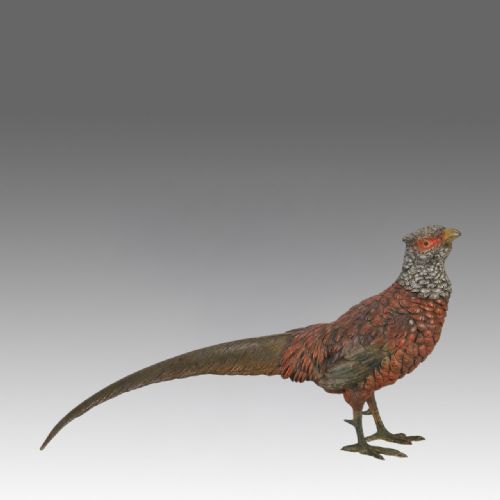


Franz Bergman Bronze Figurine
A franz bergman bronze figurine brings small scale Viennese craftsmanship into a room through vivid subjects modelled in metal and colour.
Franz Bergman Bronze Figurine
When someone searches for a franz bergman bronze figurine, they encounter small sculptural works originating from workshops active in Vienna during the late nineteenth and early twentieth centuries. The pieces on this page span periods from the Victorian and Edwardian eras through the 1920s and 1930s, reflecting the breadth of output from these Austrian foundries.
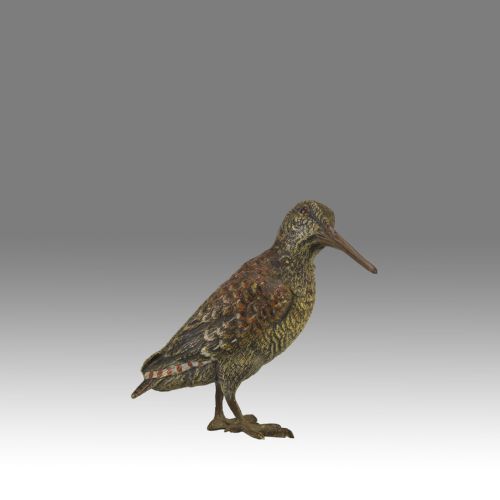
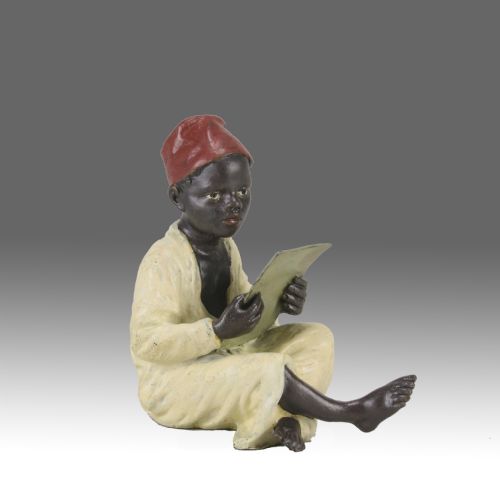
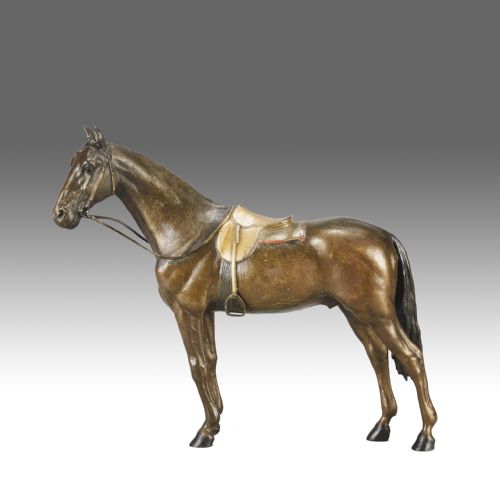
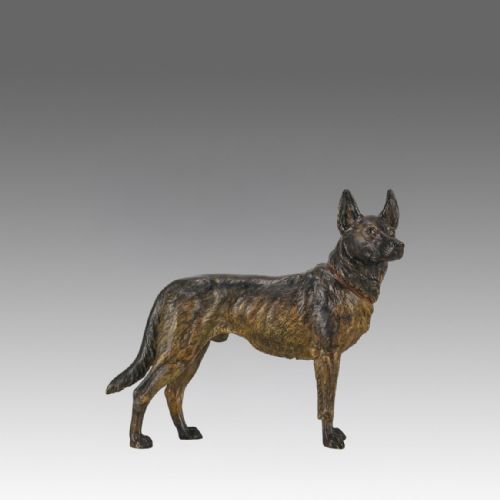
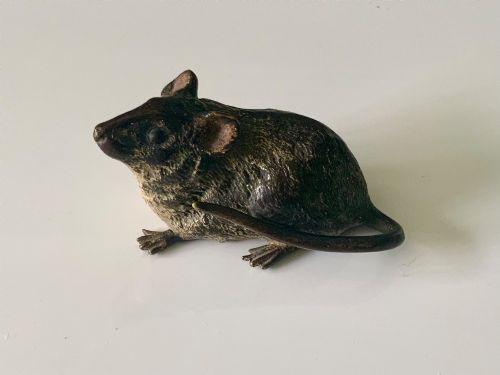
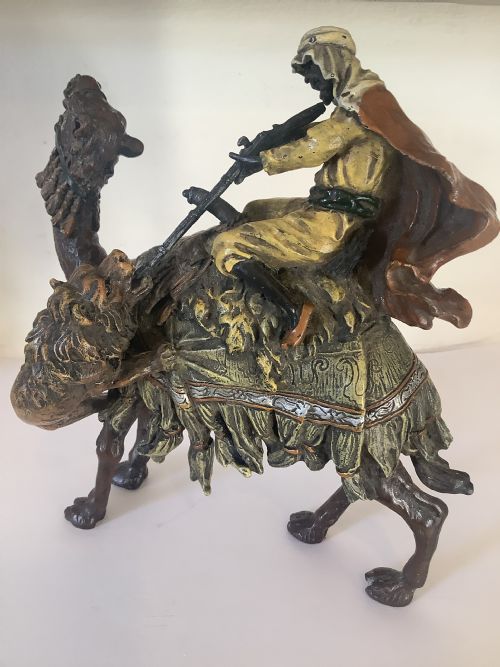
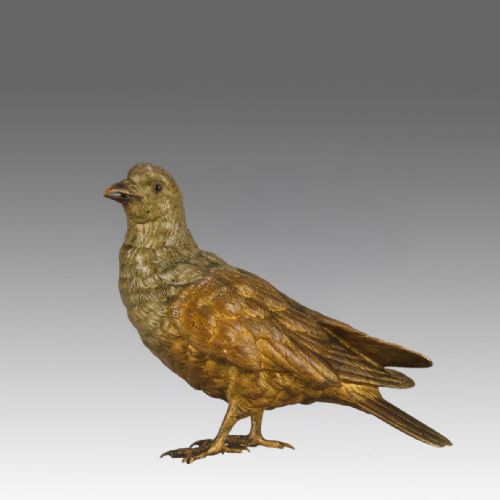
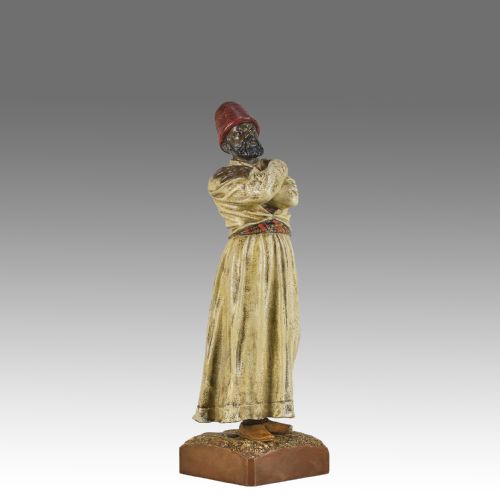
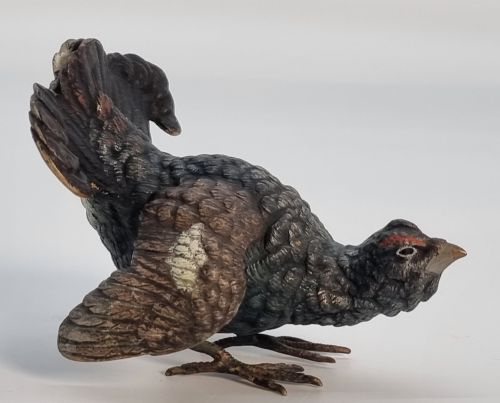
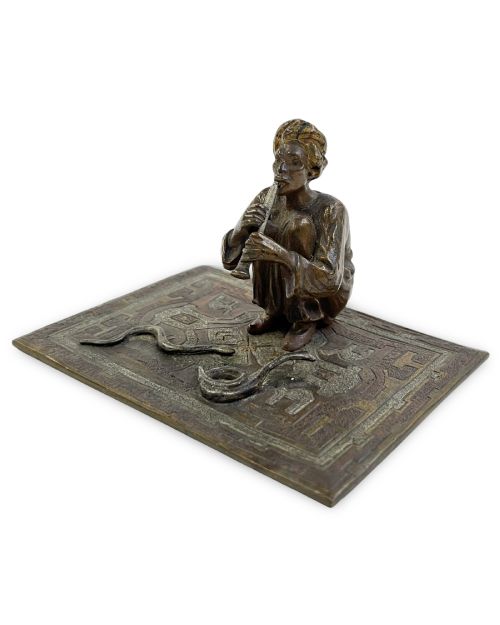
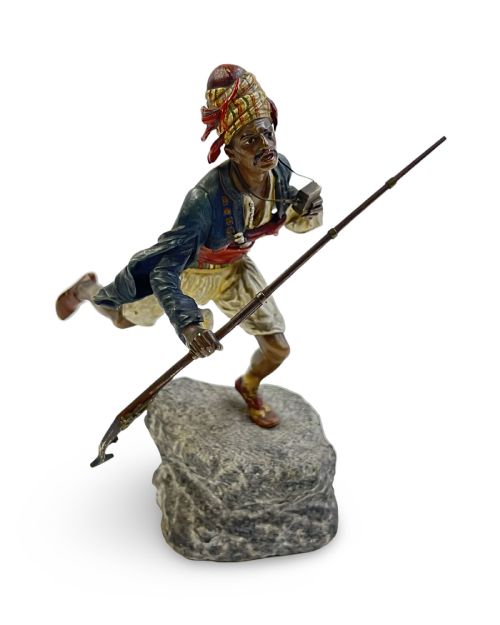
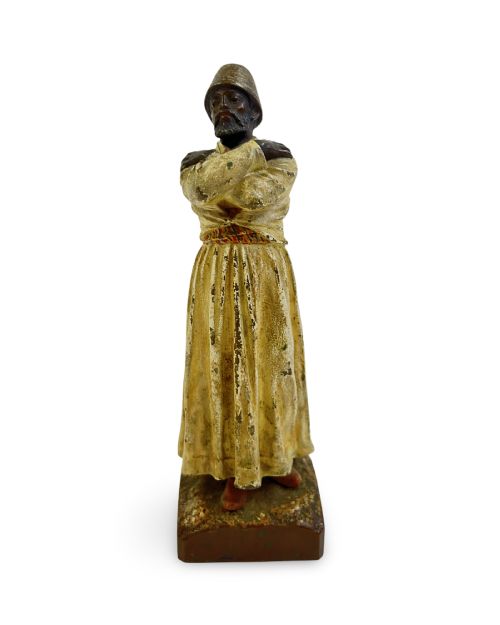
Subjects range widely across genres, encompassing animal studies such as birds, dogs, mice and horses alongside human figures including Arab men, snake charmers, warriors and whirling dervishes. These miniature sculptures and statuettes serve primarily as cabinet pieces or decorative ornaments rather than monumental works.
The dominant version met in these listings is the cold-painted bronze figure, cast in metal and finished with applied paint rather than fired in a kiln. Such pieces often bear marks or stamps associated with the Bergman foundry, identifying their origin within the Viennese tradition.
How they were made
The creation of these objects begins with a cast in bronze, formed through traditional foundry techniques that capture fine anatomical and textural details. Artisans then apply surface colour using various paints, predominantly cold paint, oil paint or enamel paint, applied directly to the unheated metal surface.
Polychrome decoration defines the visual character of the work, with multi-layered pigments building up the garments of human figures or the plumage of birds and animals. Certain pieces incorporate secondary materials such as marble bases, grounding the metal sculpture within an architectural setting.
Listings span the Victorian and Edwardian eras through the 1930s, featuring materials like bronze, marble, and polychrome oil paint.
What varies in quality
The distinction between tiers of these objects rests primarily on the crispness of the initial bronze casting and the nuance of the hand-applied pigment. Superior examples display sharply defined facial expressions, intricate tooling on clothing or fur, and a harmonious palette that remains well-preserved across the surface.
Workmanship also reveals itself in the complexity of the subject matter, where multi-figure groups or elaborate narrative scenes demonstrate greater technical ambition from the foundry. The presence of clear maker stamps or Bergman foundry marks further distinguishes pieces within the hierarchy of collected works.
Franz Bergman·Franz Xaver Bergman
The Franz Bergman Bronze Figurine Glossary
- Cold-painted bronze
- Metal sculpture decorated with unfired paint applied directly to the surface. This technique allows for vibrant polychrome finishes that distinguish Viennese metalwork.
- Vienna bronze
- Small-scale cast bronze figures produced in Austrian foundries during the late nineteenth and early twentieth centuries. These works are celebrated for their naturalistic animal subjects and exotic human figures.
- Orientalism
- An artistic style depicting themes, figures and settings from Middle Eastern and North African cultures. Many Bergman figures adopt this aesthetic through depictions of Arab merchants, warriors and daily scenes.
- Animalier
- A nineteenth-century artistic genre focusing on the realistic portrayal of animals. Figures in this tradition capture creatures in motion or repose with careful attention to anatomy.
Franz Bergman Bronze Figurine: Frequently Asked Questions
What is a cold-painted bronze figurine?
A cold-painted bronze figurine is a metal sculpture finished with paint applied after casting, without being fired in a kiln. This technique gives the pieces their characteristic colourful surfaces.
Foundries in Vienna specialised in this method, producing thousands of small animal and human figures throughout the late nineteenth and early twentieth centuries.
How do I identify a Bergman bronze?
Many authentic pieces bear specific foundry marks, such as the stamped letter 'B' in a flask or the Bergman urn stamp. Examining the quality of the cold-painted surface and the precision of the casting also helps confirm attribution.
Signatures or Bergman stamps frequently appear on the underside or base of the metal sculpture.
What subjects did Franz Bergman produce?
The workshops produced a vast array of subjects, ranging from British bulldogs and native birds to Orientalist scenes with figures like snake charmers and whirling dervishes. Human subjects often reflect nineteenth-century European fascination with Middle Eastern cultures.
Animal studies include both domestic livestock and exotic wildlife modelled with close attention to natural posture.
How should I care for a painted bronze?
Preserving these pieces requires keeping them away from direct sunlight and excessive moisture, which can damage the delicate cold-painted surface. Gentle dusting with a soft, dry brush is generally sufficient for maintenance.
Harsh cleaning agents and chemical solvents must be avoided entirely to prevent stripping the historic pigment.