


Antique Bird Statuette
An antique bird statuette brings natural form to a room, cast in bronze or carved from stone and porcelain across centuries of craftsmanship.
Antique Bird Statuette
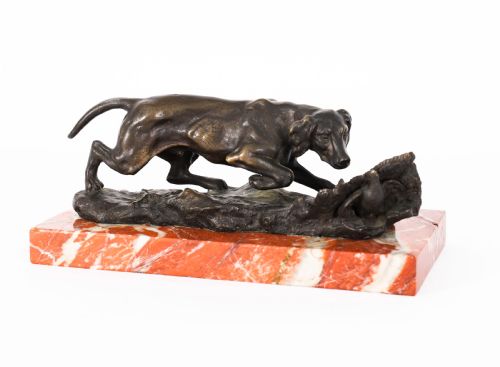
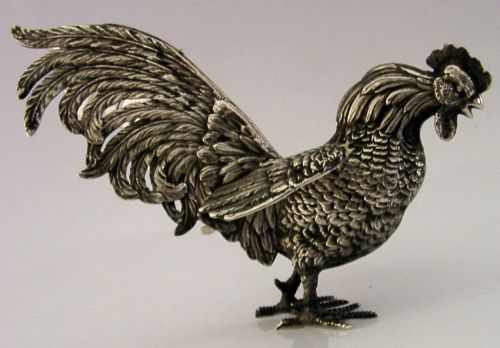
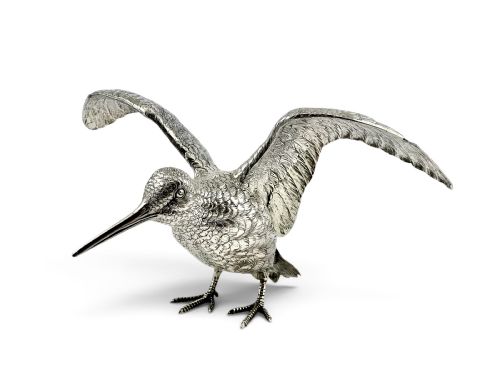
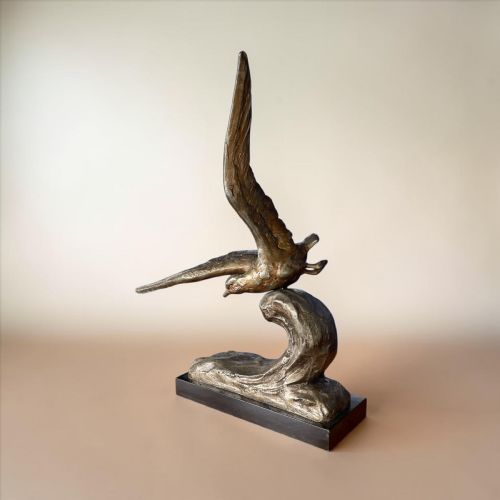
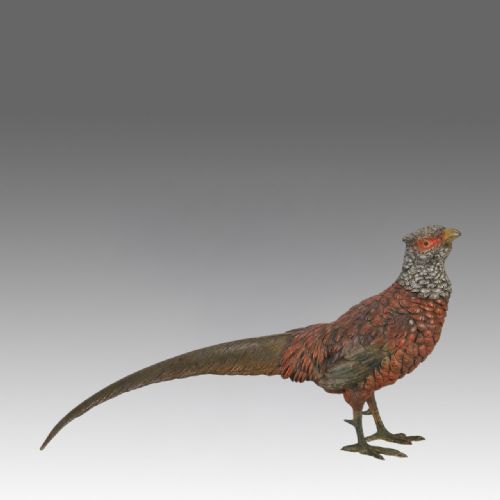
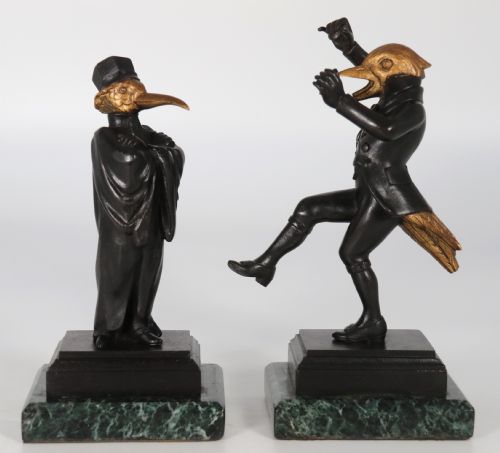
An antique bird statuette encompasses a diverse array of sculptural forms, ranging from utilitarian scholar's carvings to decorative table ornaments and mantel sculptures. The selection includes representations of native wildlife, exotic species, and theatrical caricatures captured in various poses.
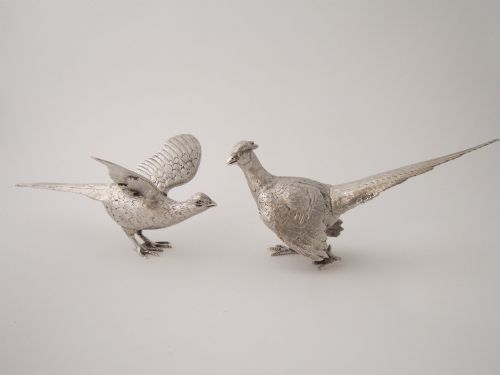
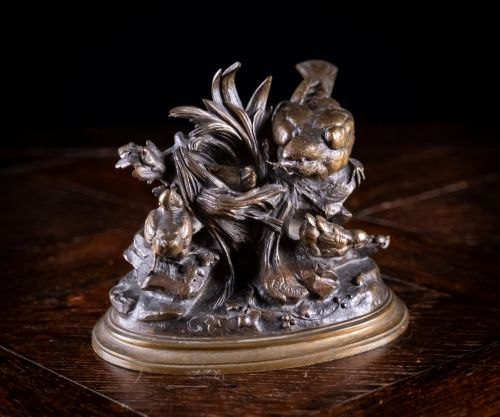
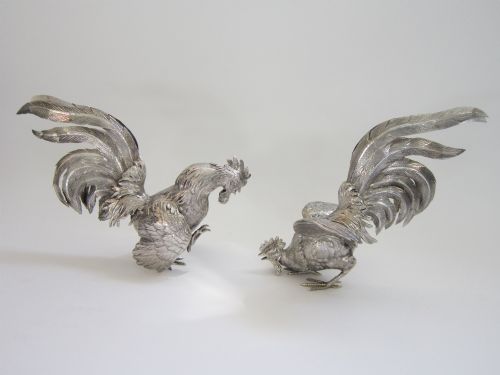
Buyers will most frequently encounter nineteenth-century bronzes, twentieth-century cold-painted Austrian works, and solid silver models. These pieces span distinct periods including the Victorian era, Art Deco movement, and Qing Dynasty origins.
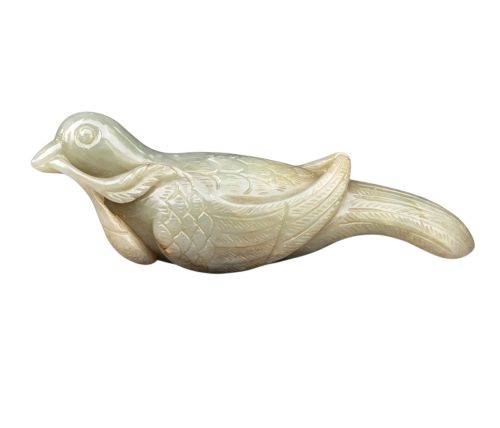
The objects function primarily as decorative carvings and figurines, utilising mediums such as marble, jade, wood, and porcelain alongside metalwork. Each statuette reflects the prevailing aesthetic of its period, from naturalistic studies to stylised modernist interpretations.
How they were made
Metalsmiths employed traditional casting methods, particularly the lost-wax technique for bronze sculptures, often finishing the surface with cold-painted polychrome details or gilding. Silver pieces were cast or hand-modelled, whilst ceramic figures relied on intricate moulding, hand-painting, and specialised glazing techniques.
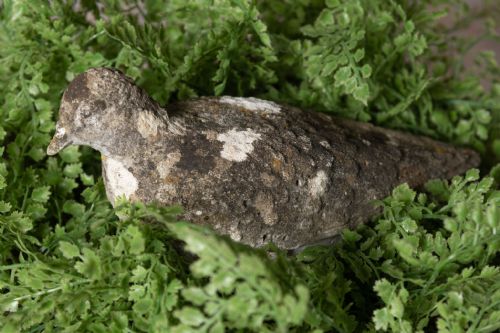
Carvers worked with organic materials like jade, wood, and marble, utilising hand tools to achieve fine textural details in plumage and anatomical structure. Stonework utilised reconstituted materials moulded into specific avian forms.
Several birds wear theatrical costumes and hats, proving that nineteenth-century artisans possessed a keen sense of avian fashion.
What varies in quality
Quality rests upon the precision of the anatomical model and the finesse of the surface finish, whether in the crispness of cold-painted enamel on bronze or the subtlety of hand-carved jade. Superior works demonstrate realistic posture and proportion that capture the liveliness of the subject.
The integration of secondary elements, such as marble plinths or bespoke mountings, distinguishes finer productions from standard decorative objects. Preservation of original pigment or patination remains central to the integrity of each piece.
Carl Kauba·Franz Bergman·Antoine Louis Barye·Barbedienne·Rene Lalique·Auguste Moreau·Ferdinand Pautrot
The Antique Bird Statuette Glossary
- Cold-painted bronze
- A technique where bronze figures are painted with oil-based colours rather than fired in a kiln. This method allows for intricate multi-coloured plumage on small animalier sculptures.
- Animalier
- A nineteenth-century artistic movement dedicated to the realistic portrayal of animals. Sculptors in this tradition focused heavily on anatomical accuracy and natural movement.
- Celadon
- A term for ceramics denoting a pale green glaze resembling jade. It originates from traditional East Asian kilns and mimics the tone of natural stone.
- Famille verte
- A Chinese porcelain palette characterised by green enamel dominance supplemented by other colours. It emerged during the Qing Dynasty to decorate intricate figures and vessels.
Antique Bird Statuette: Frequently Asked Questions
What materials were used?
The pieces utilise a wide range of materials documented in historical workshops. Bronze, solid silver, porcelain, marble, wood, and jade form the primary mediums.
Artists frequently combined these materials, mounting metal birds onto stone plinths or pairing carved jade with wooden scholar's stands.
How do I identify periods?
Period identification relies upon stylistic markers and manufacturing techniques specific to eras like Art Deco, the Victorian age, or the Qing Dynasty. Material choices and casting methods often signal the decade of origin.
Maker signatures and registry marks also assist in dating, though many decorative pieces carry only workshop stamps or simple numbers.
Where were they made?
Production centres spanned Europe and Asia, with prominent output from Austrian foundries, French bronze studios, and Chinese imperial kilns. Vienna, London, and Paris served as major hubs for metalwork.
Porcelain figures frequently originated from established European factories and traditional Chinese kilns operating under imperial rule.
How were they displayed?
These statuettes functioned as desk ornaments, paperweights, mantel decorations, and scholar's objects. They were designed for close inspection on tabletops and cabinets.
Many incorporated weighted bases or fitted plinths to stand securely on domestic surfaces without additional support.