


Cold Painted Bird Figurine
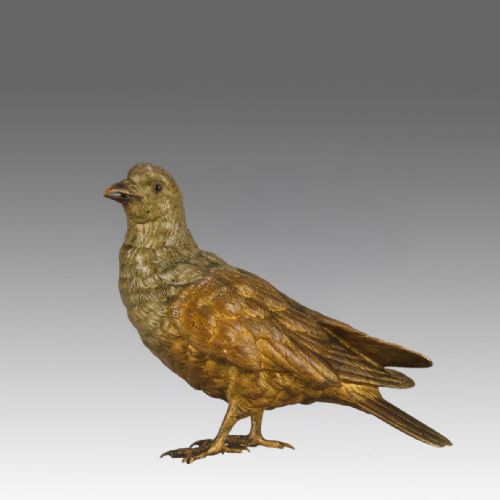
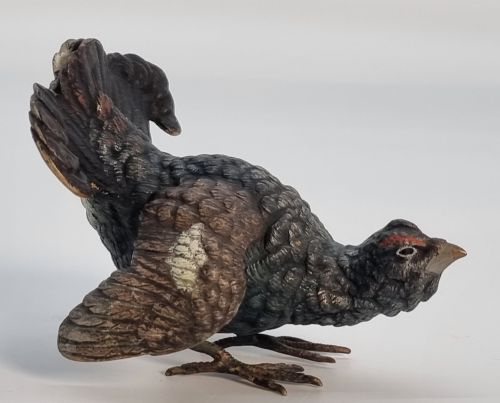
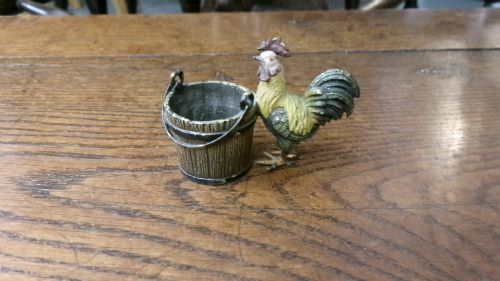
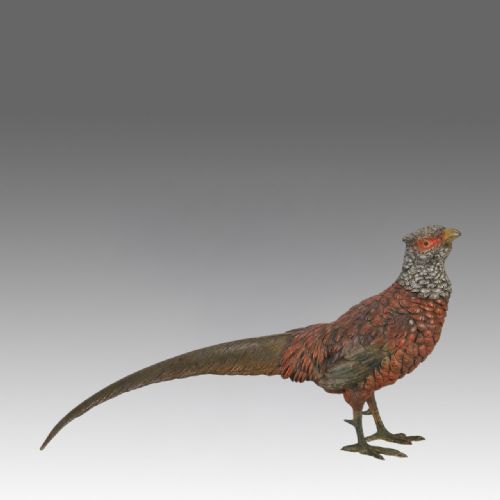
These cold painted bird figurine examples bring remarkable avian detail to a desk or cabinet through traditional metalwork.
Cold Painted Bird Figurine
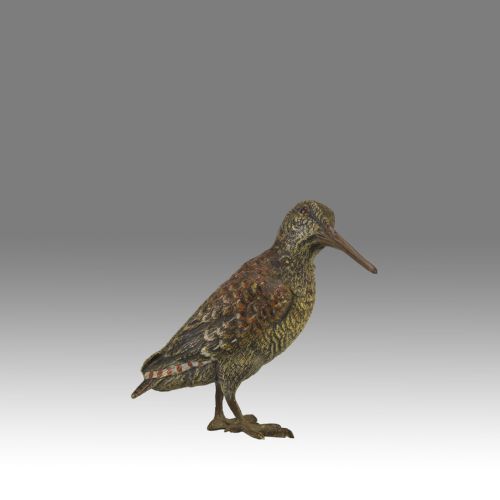
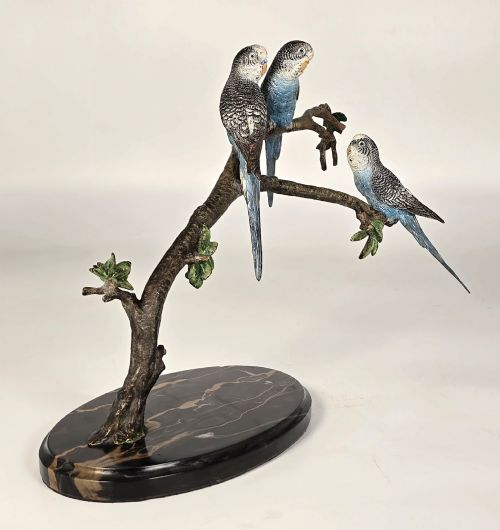
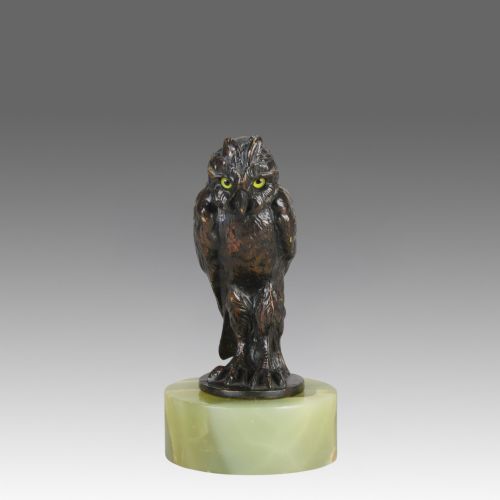
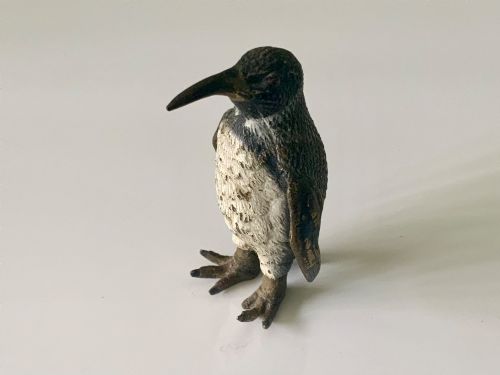
A cold painted bird figurine represents a compact sculptural study of avian subjects, ranging from small songbirds to larger game birds. These pieces capture various species such as budgerigars, woodcocks, owls, and kingfishers in realistic or characterful poses.
Most examples originate from the nineteenth and early twentieth centuries, aligning with periods like Art Nouveau and Art Deco. Buyers frequently encounter Vienna bronze workshops producing these desk accessories and cabinet sculptures, occasionally mounted on marble or onyx plinths.
How they were made
These figures rely on cast bronze formed into detailed bird studies, utilising metals such as bronze alongside lead alloy variants like Plomb de Nuremberg. The casting process creates the underlying form of the bird, capturing feather textures and anatomical proportions.
Makers then applied surface colour using cold paint, enamel paint, or polychrome paint techniques. Unlike fired ceramics or hot-enamelled metals, this cold painting method means the pigment was applied to the cured metal surface rather than kiln-fired.
The listings here span the nineteenth century up through the 1930s, featuring bronze, onyx, and cold paint.
What varies in quality
The refinement of the underlying bronze casting dictates the initial quality of the piece, separating standard production from exceptional naturalistic studies. Finer sculptures exhibit meticulously chiselled feather work and realistic anatomical contours before any pigment touches the surface.
The preservation and skill of the original cold paint application also determine the tier of the piece. Surviving polychrome and enamel pigments that retain their varied hues without extensive overpainting elevate the desirability of the figurine.
Franz Bergman
The Cold Painted Bird Figurine Glossary
- Vienna bronze
- Cast bronze objects produced by workshops in Vienna during the nineteenth and early twentieth centuries. These pieces are celebrated for naturalistic animal subjects and vibrant coloration.
- Animalier
- A nineteenth-century artistic movement focused on the realistic portrayal of animals. Sculptors in this tradition concentrated closely on the natural behaviour and anatomy of wildlife.
- Pin tray
- A small desk accessory incorporating a shallow dish, often featuring a small sculptural figure attached to the edge. These items combined decorative appeal with practical desktop use.
Cold Painted Bird Figurine: Frequently Asked Questions
What is a cold painted bird figurine?
It is a small metal sculpture of a bird decorated with unfired surface paint. These pieces were produced primarily by Austrian workshops during the late nineteenth and early twentieth centuries.
They capture various species, from parrots and kingfishers to grouse and owls, often designed as cabinet pieces or desk accessories.
How should I clean my figurine?
Dust the surface gently with a soft, dry brush to protect the delicate cold-painted finish. Avoid using water, liquid cleaners, or solvents, which can lift or damage the historic paint.
Keep the piece away from direct sunlight and excessive moisture to preserve the original pigments.
Are these figures made of solid bronze?
Most examples are cast in bronze, though some pieces utilise alternative metal alloys such as Plomb de Nuremberg. The metal serves as a solid foundation for the detailed surface chiselling and subsequent paint layers.
Certain items are also mounted on heavy stone bases made of marble or onyx.
How do I identify a Vienna bronze?
Vienna bronzes typically exhibit fine naturalistic detailing, realistic bird postures, and characteristic cold-painted polychrome decoration. Many pieces from notable workshops reflect the Austrian naturalist and Animalier styles of the period.
Signatures or Bergman urn marks can sometimes be found stamped on the bronze surface.