
Bronze Animalier Figurine
A bronze animalier figurine captures the raw energy of wildlife and domestic beasts, shaped by 19th-century realism and later modernist lines.
Bronze Animalier Figurine
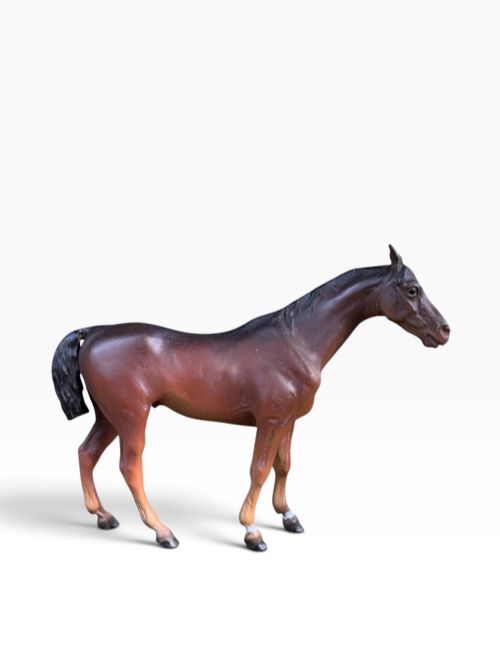
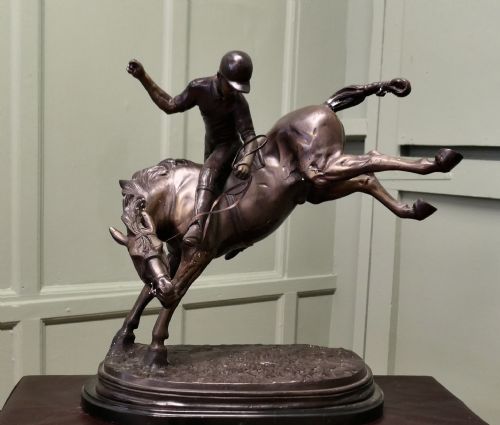
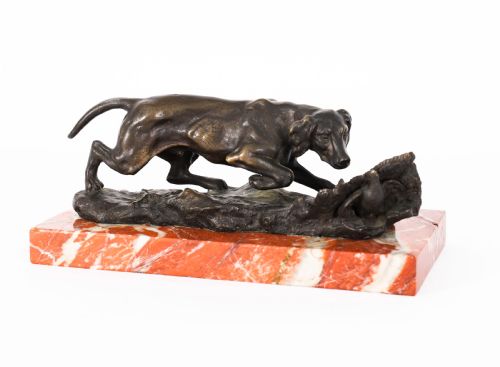
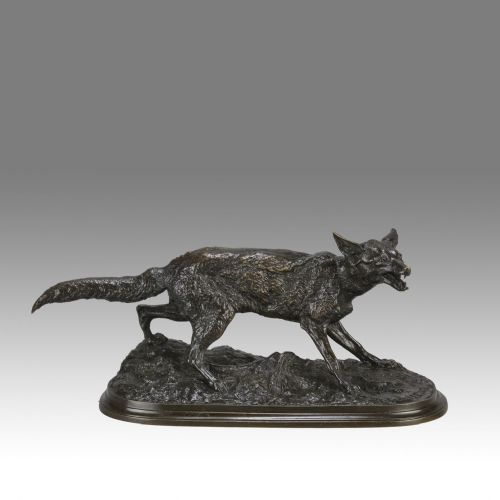
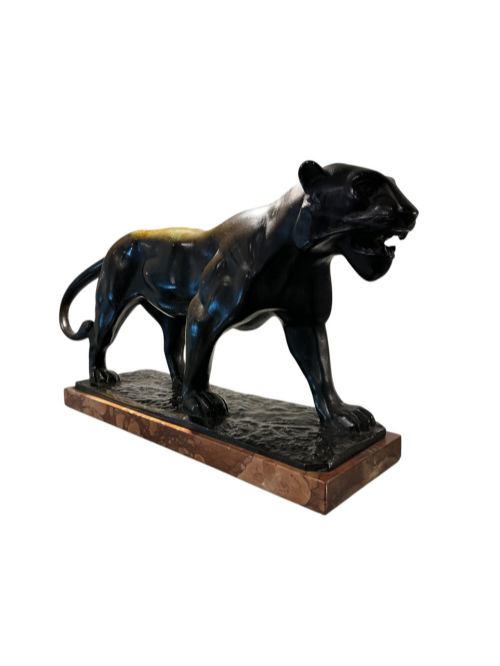
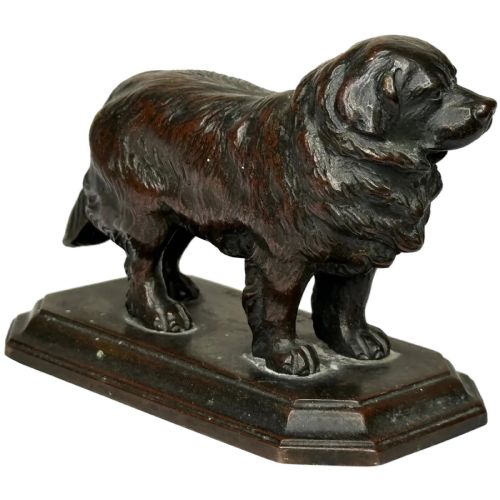
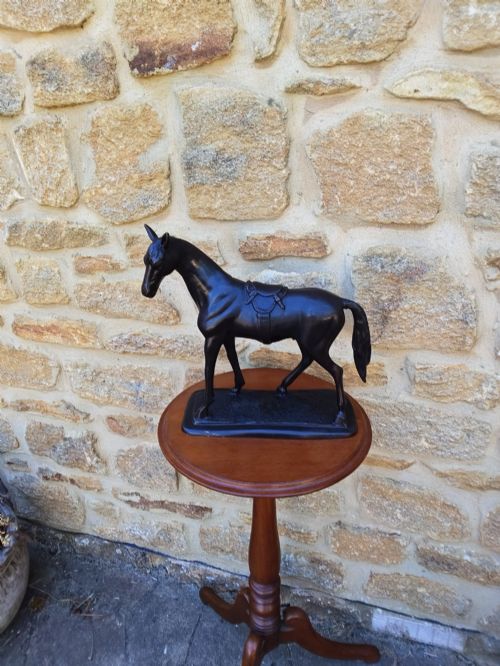
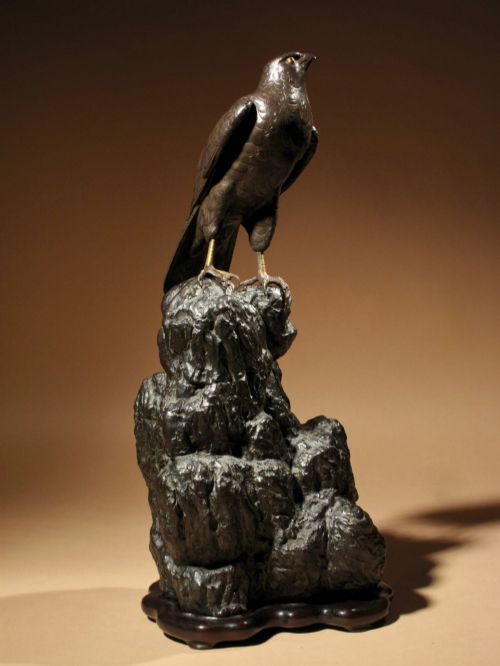
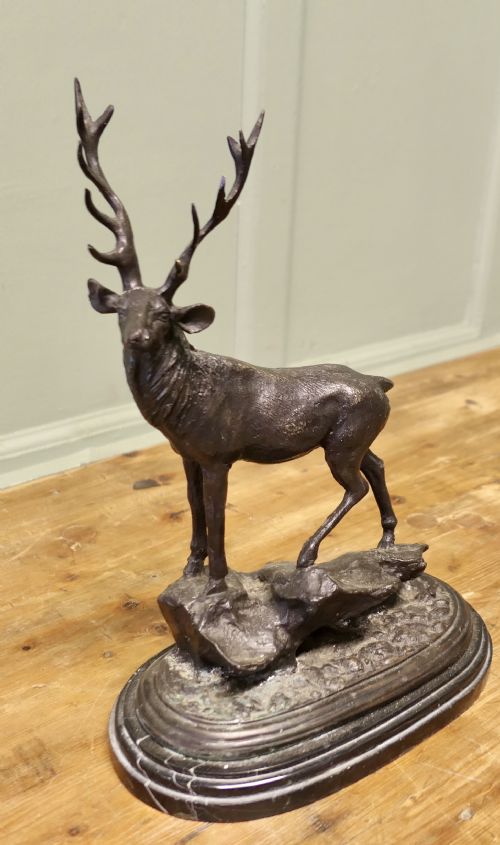
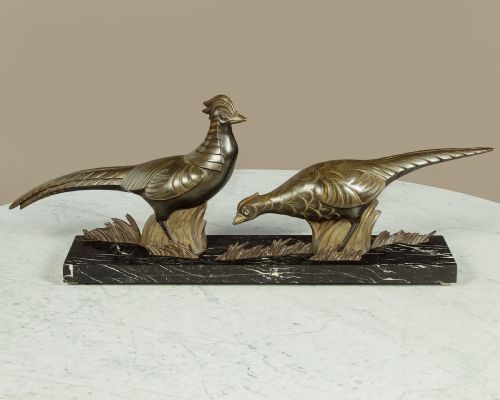
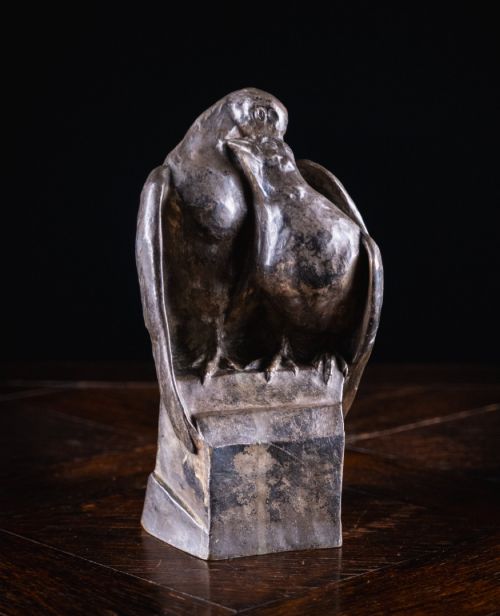
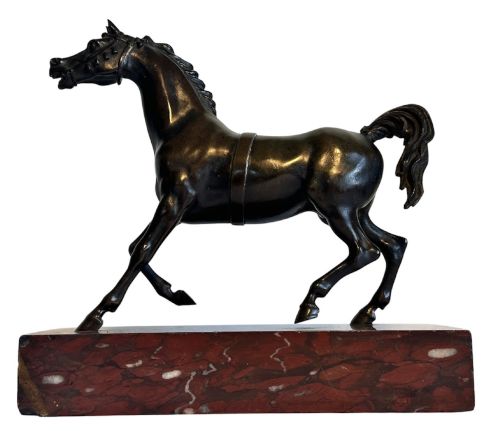
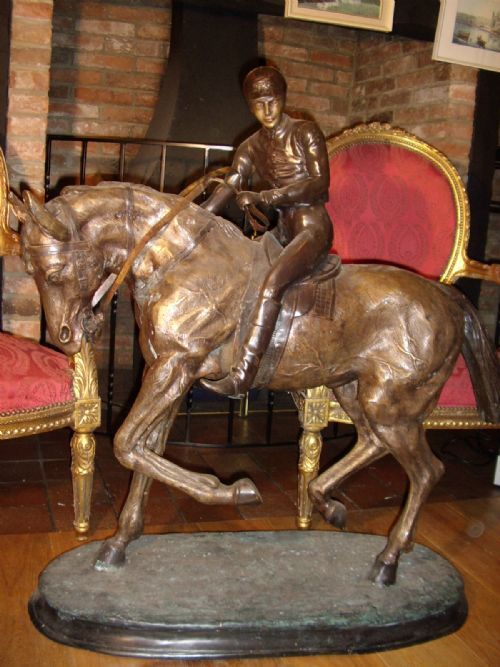
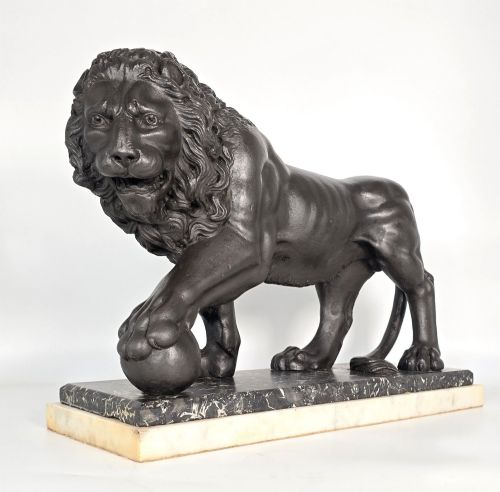
A bronze animalier figurine represents animals in realistic or stylised forms, often cast during the nineteenth and early twentieth centuries by French, Viennese, and international makers. Collectors encounter subjects ranging from hunting dogs and prowling panthers to horses, stags, and birds.
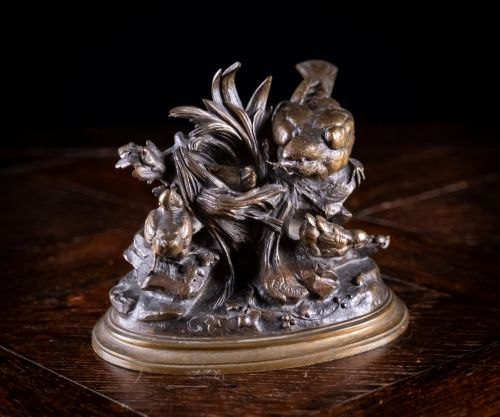
The objects take the form of freestanding sculptures, inkwells, and mounted groups set upon marble or onyx bases. Pieces span Victorian naturalist studies, French School compositions, and streamlined Art Deco interpretations.
Makers focused intensely on anatomical precision and movement, capturing beasts at rest or in action. Many examples bear signatures or foundry marks connecting them to prominent sculptors of the period.
Materials and casting methods
Foundries utilised the lost-wax casting method or sand casting to shape molten bronze into complex animal forms. Artisans then applied patination, ranging from deep dark browns to gilt bronze, or employed cold-painted pigments on Viennese figures.
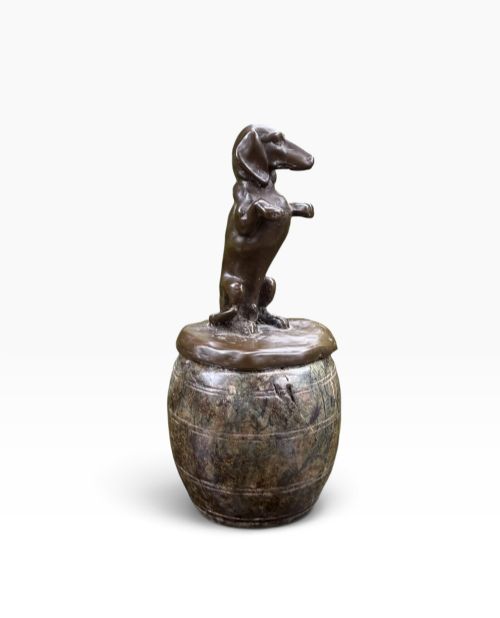
Many sculptures incorporate mixed media, mounting heavy bronze casts onto polished marble, slate, or onyx plinths. Ormolu accents and nickel plating also appear on specific decorative items such as inkwells and bird studies.
Several bronzes capture domestic pets caught mid-mischief, including French bulldogs, dachshunds, and watchful house cats.
Factors determining quality
Quality rests in the crispness of the casting and the fidelity of the animal's musculature and texture. Finer pieces retain sharp details in fur, feathers, and harnesses without smoothing or softening during the chasing process.
The richness and depth of the original patina distinguish superior examples, alongside the quality of the stone base. Signed works by recognised sculptors carry distinct artistic authority compared to anonymous or derivative foundry casts.
Carl Kauba·P J Mêne·Frederique Cederlund-Ozanne·Christophe Fratin·Alexandre Ouline·Antoine Louis Barye·Alfred Dubucand·Franz Bergman·John Willis Good·Prosper Lecourtier
The Bronze Animalier Figurine Glossary
- Animalier
- A nineteenth-century artistic movement dedicated to the realistic portrayal of animals. Sculptors in this tradition studied living beasts closely to capture authentic movement.
- Patina
- The chemical surface coloration applied to bronze after casting. Artisans used acids and heat to produce tones from rich brown to verdigris.
- Cold-painted bronze
- A technique where natural paint is applied to cold metal rather than fired in a kiln. This method is particularly associated with Viennese animal bronzes.
- Ormolu
- Gilded bronze mounted on decorative objects and furniture. The process involves applying a gold amalgam to the metal surface.
- Lost-wax casting
- A historic method where a wax model is melted out of a mould to leave a cavity for molten bronze. It allows for intricate undercuts and fine details.
Bronze Animalier Figurine: Frequently Asked Questions
What is an animalier bronze?
An animalier bronze is a small sculpture depicting animals, created primarily during the nineteenth and early twentieth centuries.
These pieces focus on realistic anatomy, athletic movement, and natural behaviours.
How were these figures displayed?
Many sculptures were mounted permanently onto heavy marble, slate, or onyx bases to provide stability and visual contrast.
Others served functional roles as inkwells or desk ornaments in studies and libraries.
What is cold-painted bronze?
Cold-painted bronze refers to metal figures decorated with oil or enamel paints applied without heat firing.
This technique produced brightly coloured birds and dogs, particularly in Viennese workshops.
How do I identify the period?
Stylistic shifts help date the pieces, moving from nineteenth-century naturalism to stylised Art Deco forms by the 1920s and 1930s.
Signatures, foundry marks, and the type of stone base also offer clues to the date of production.