
Cold Painted Bronze Sculpture
A cold painted bronze sculpture brings vibrant character and cabinet-scale detail to a collection, capturing animalier and figurative subjects with remarkable flair.
What these pieces are
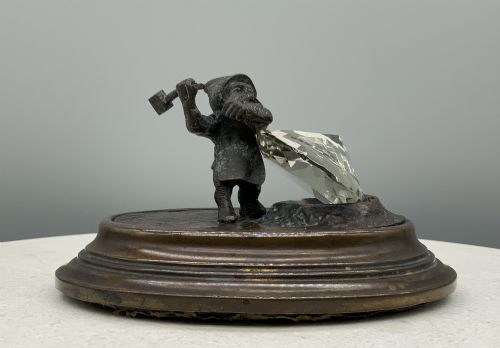
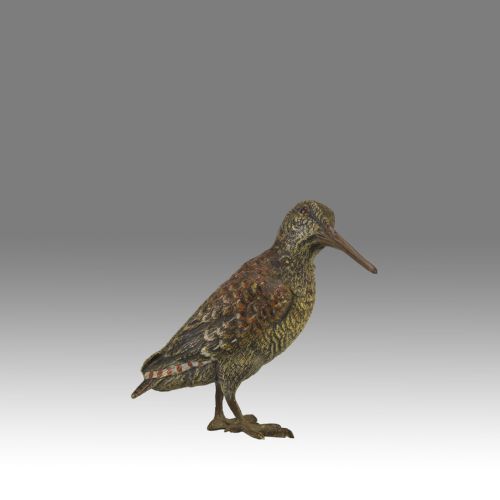
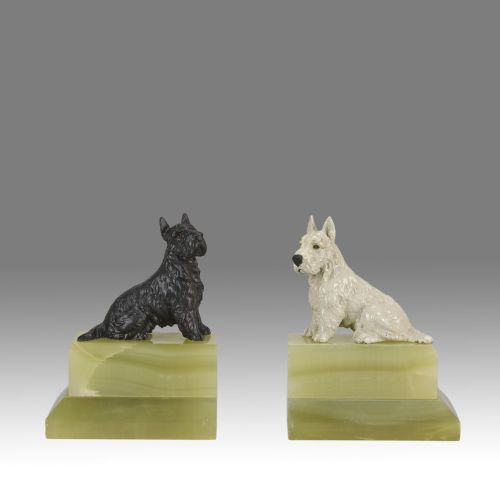
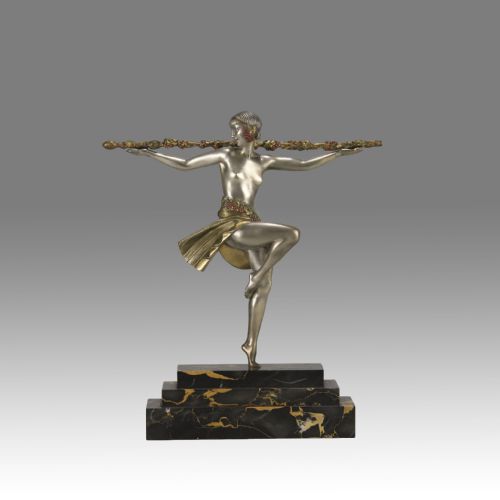
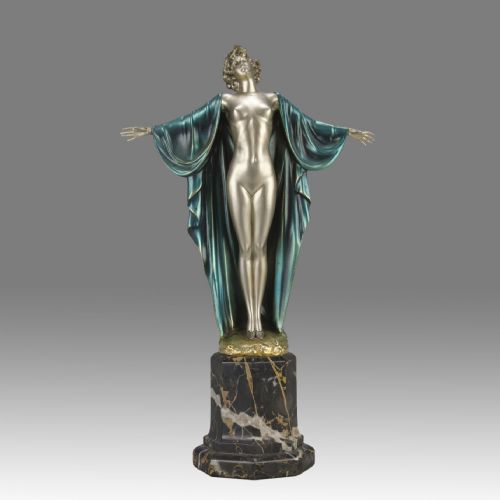
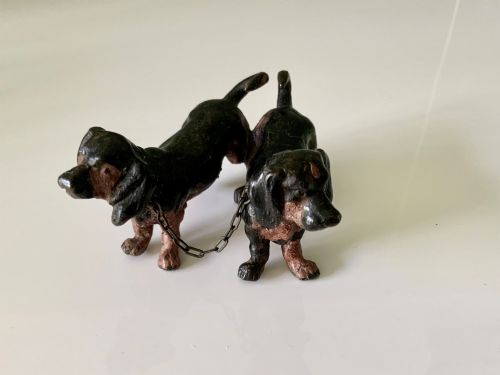
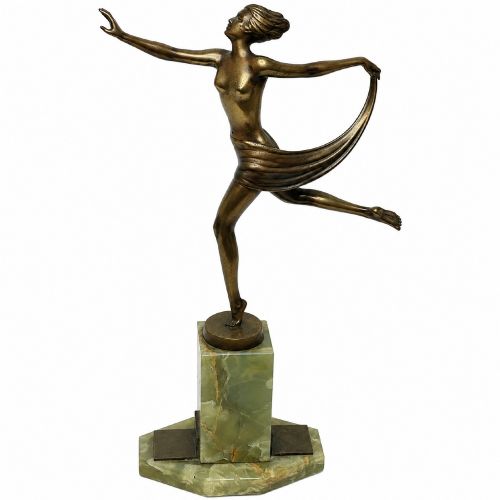
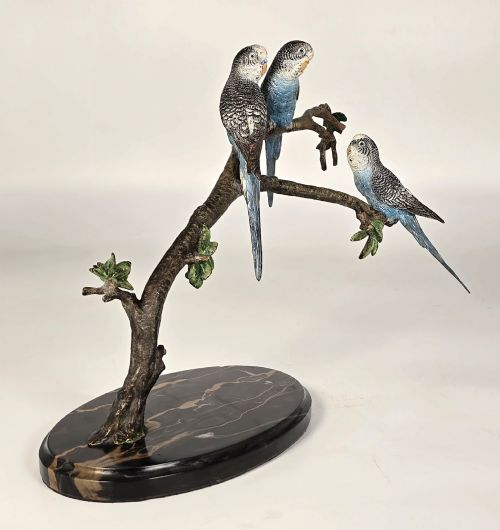
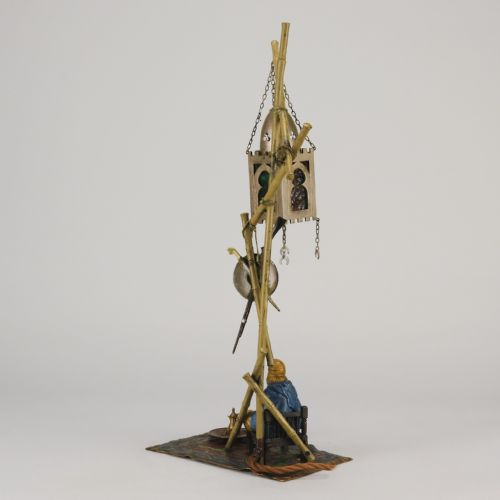
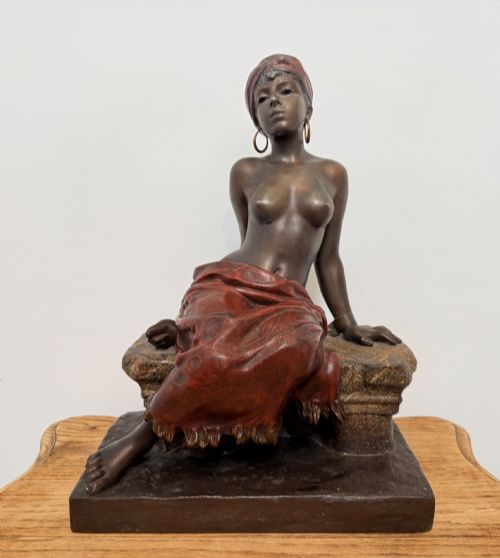
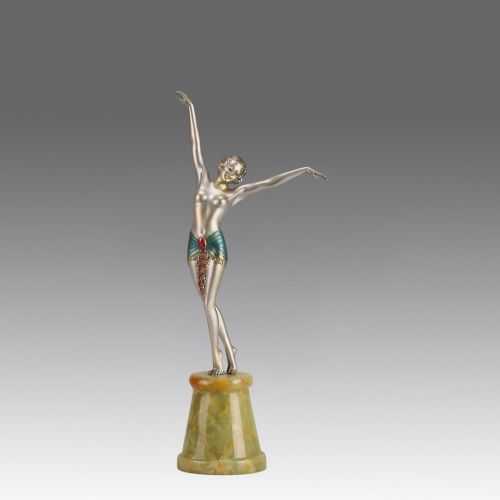
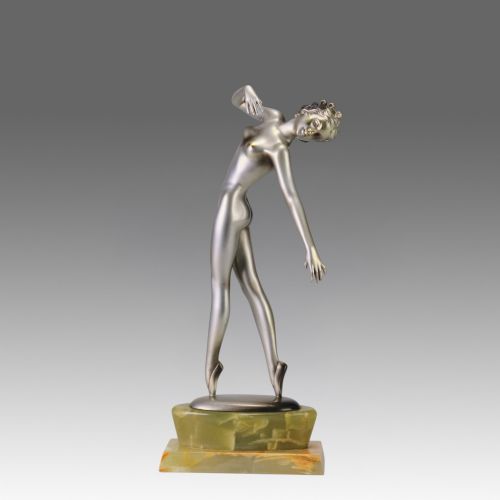
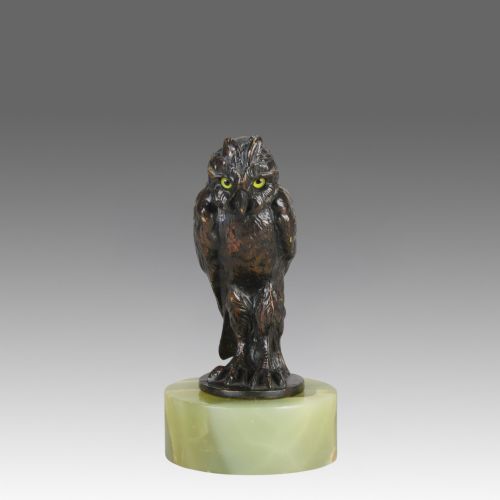
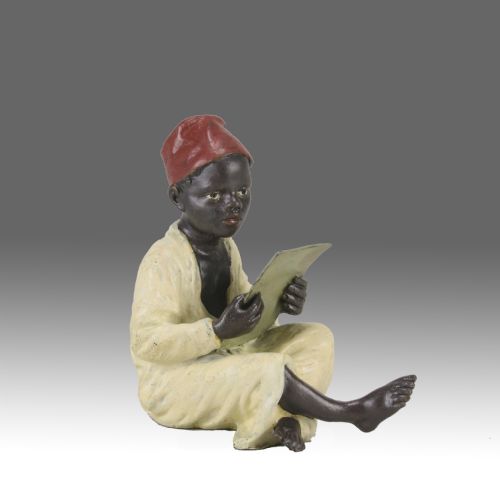
A cold painted bronze sculpture represents a distinct tradition of small-scale metalwork, most frequently associated with Austrian and Viennese workshops from the late nineteenth century and early twentieth century. These figures encompass a wide range of subjects, from birds and domestic dogs to Orientalist human figures and theatrical dancers.
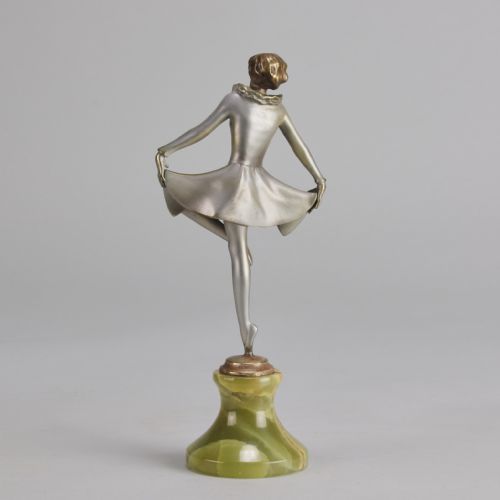
The objects seen here span several key decorative movements, moving from nineteenth-century animalier realism and Orientalism into the sweeping lines of Art Nouveau and the geometric precision of Art Deco. Collectors encounter everything from naturalistic studies of pigeons and salmon to stylised mandolin players and elegant female figures.
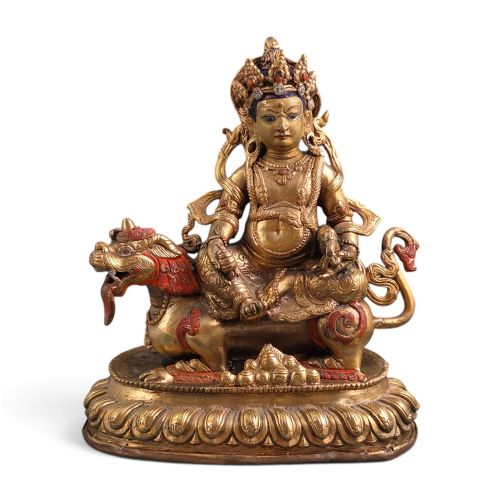
Origins cluster around Austrian foundries, notably Vienna, alongside French animalier schools and notable named artists. The pieces generally take the form of freestanding table sculptures, animal studies, or decorative figurines mounted on marble or onyx bases.
How they were made
Foundries produced these sculptures by casting bronze into detailed moulds, capturing intricate textures such as feathers, fur, and garments. Artisans then applied polychrome oil paint or enamel paint directly onto the unheated or lightly warmed metal surface, a technique that gives the medium its name.
Many works incorporate secondary materials to complement the metal casting, mounting the bronze figures upon polished marble or onyx plinths. The finishing process relies on steady brushwork rather than high-temperature firing, preserving delicate surface detail across small forms.
Retail Price Guide 2026
Typical UK retail prices for cold painted bronze sculpture, calculated from the Sellingantiques database of over a million retail prices indexed since 2003. This retail price guide relies exclusively on Sellingantiques data; no external sources or auction records are used, so the figures do not describe the wider market.
Listings span the nineteenth century, 1900, 1910, and 1930, uniting animalier realism, Art Nouveau, and Art Deco styles.
What varies in quality
Quality rests upon the crispness of the initial bronze casting and the nuance of the polychrome surface decoration. Superior examples display finely chased feather or fur detail and expressive painted coloration that remains vibrant and securely adhered.
The sophistication of the modeling separates standard commercial production from masterworks by recognised foundries and sculptors. Artistry in posture, anatomical proportion, and the harmonious integration of marble or onyx bases elevate the distinction of individual pieces.
Franz Bergman·Josef Lorenzl·Jules Moigniez·Erté·E Villanis
The Cold Painted Bronze Sculpture Glossary
- Cold-painted
- A method of decorating bronze sculptures with oil or enamel paint without high-temperature kiln firing. This technique produces rich surface colours but remains vulnerable to flaking if handled roughly.
- Animalier
- A genre of fine art dedicated to the realistic depiction of animals. Sculptors in this tradition focus closely on anatomy and natural movement.
- Vienna bronze
- Small, highly detailed bronze figures produced in Austrian workshops, particularly during the late nineteenth and early twentieth centuries. These pieces often feature naturalistic animal subjects or Orientalist narrative scenes.
- Orientalist
- An artistic style inspired by Middle Eastern and North African cultures. Works in this vein frequently depict figures in traditional regional attire, such as Arab riders and kneeling figures.
- Patinated bronze
- Metal sculpture treated with chemicals to produce a stable surface colour or aged finish. This contrasts with the colourful painted surfaces typical of Vienna bronzes.
Frequently Asked Questions
What is a cold painted bronze sculpture?
It is a small bronze casting decorated with oil or enamel paints applied without firing. These pieces depict animals, human figures, and genre scenes.
Workshop production concentrated heavily in Austria and France during the late nineteenth and early twentieth centuries, serving as decorative ornaments for desks and cabinets.
How do I care for the paint?
Keep the sculpture away from direct sunlight and high humidity to prevent the paint from fading or lifting. Dust the surface very gently with a soft, dry brush.
Avoid using liquid cleaners, polishes, or abrasive cloths, as these will permanently damage the delicate cold-painted finish.
Are all Vienna bronzes marked?
Many pieces carry foundry stamps, artist monograms, or impressed seals, but a significant number remain unsigned. Maker marks often appear discreetly on the underside or base of the casting.
Lack of a signature does not preclude authenticity, as style, casting quality, and paint application serve as primary indicators of origin.
What styles are common?
The selection encompasses nineteenth-century animalier realism, Orientalist figures, Art Nouveau organic forms, and geometric Art Deco designs. Animal studies of dogs and birds appear frequently.
Stylistic shifts reflect the prevailing tastes of European decorative arts from the late nineteenth century through the 1930s.