
Vienna Cold Painted Sculpture
Vienna cold painted sculpture brings tactile warmth and intricate detail to nineteenth and twentieth century interiors.
Vienna Cold Painted Sculpture
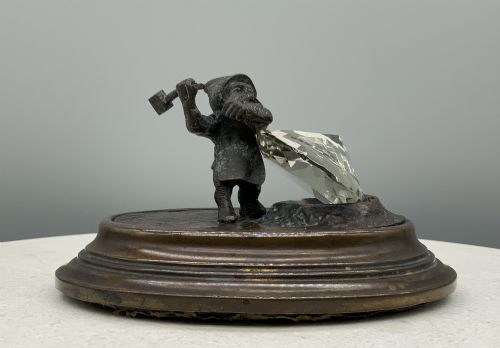
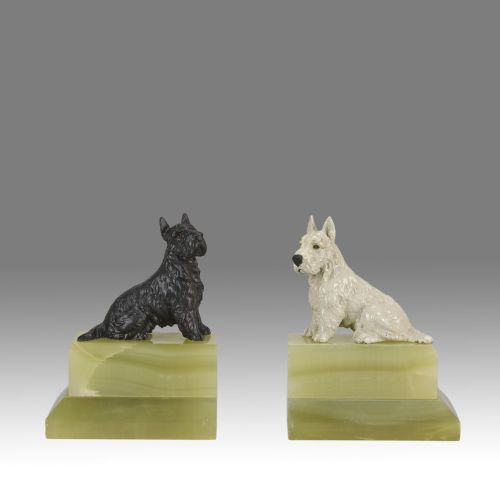
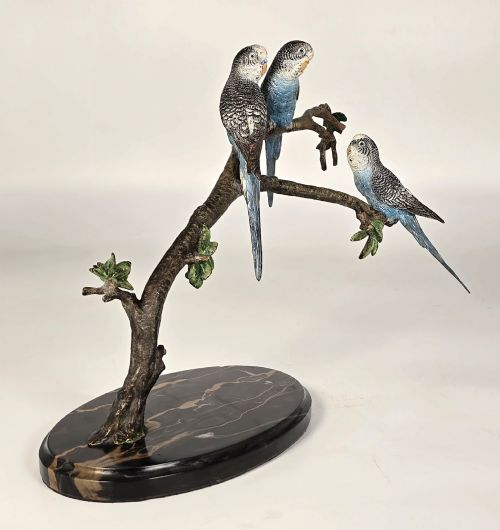
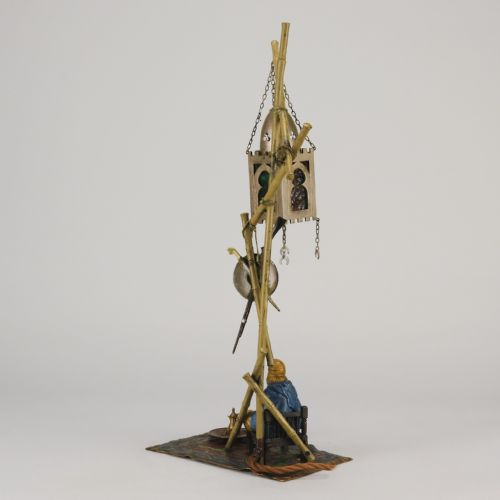
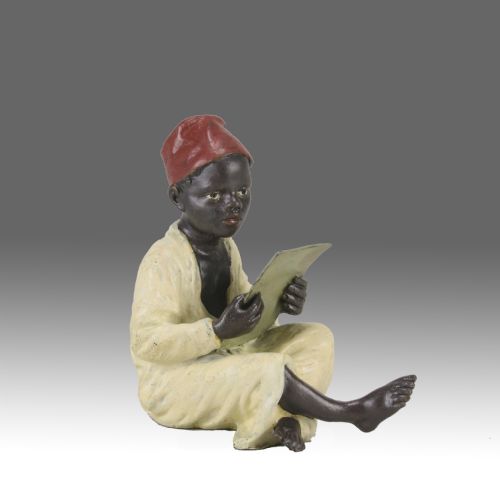
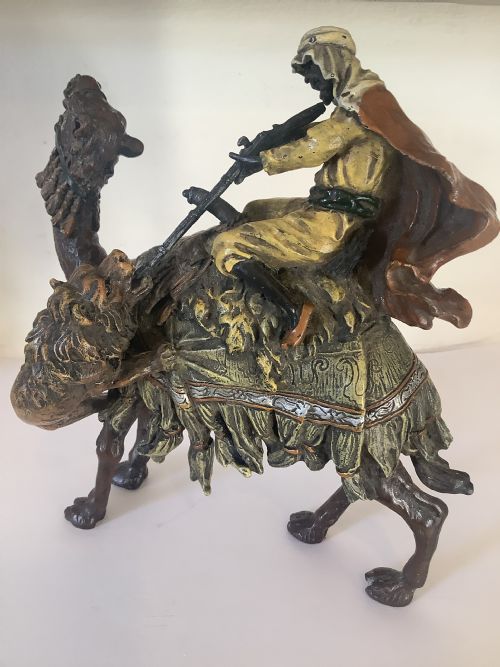
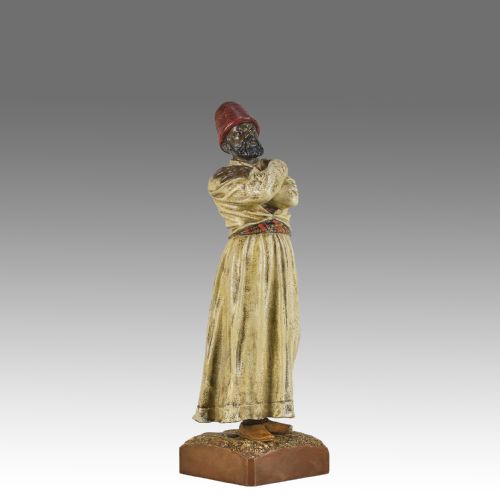
Vienna cold painted sculpture encompasses a wide range of decorative figures and utilitarian objects originating primarily from Austria during the Victorian and Edwardian eras. Collectors encounter these pieces in forms such as animal figures, bookends, table lamps, and figurative studies depicting human subjects in orientalist attire.
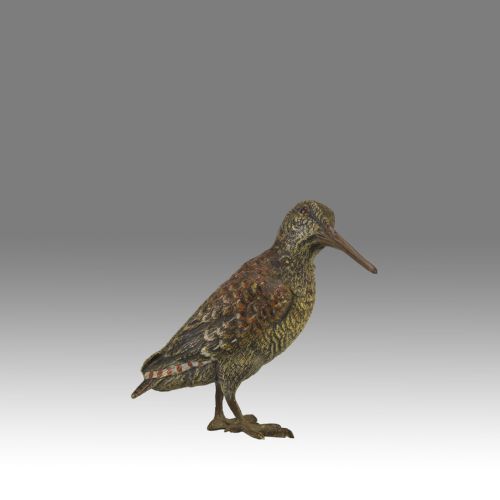
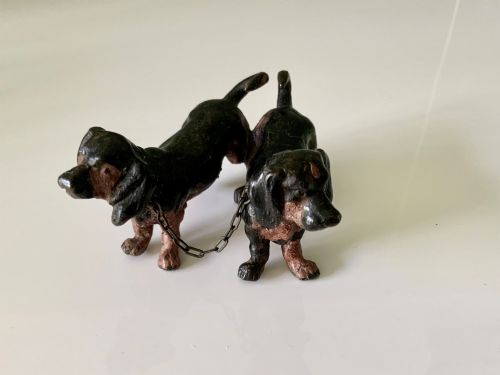
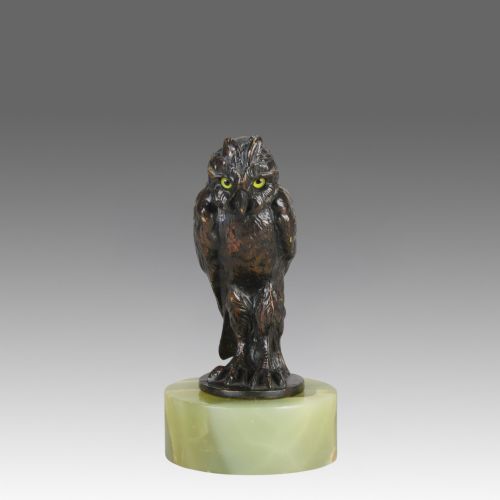
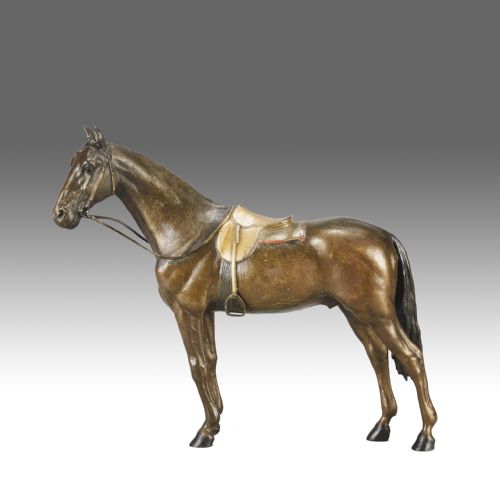
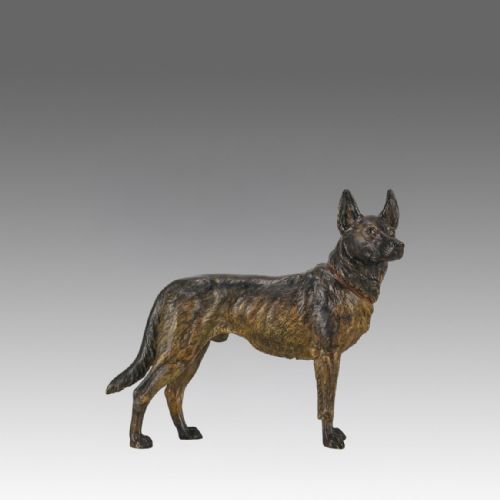
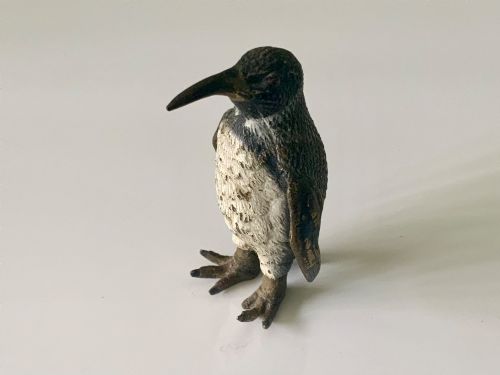
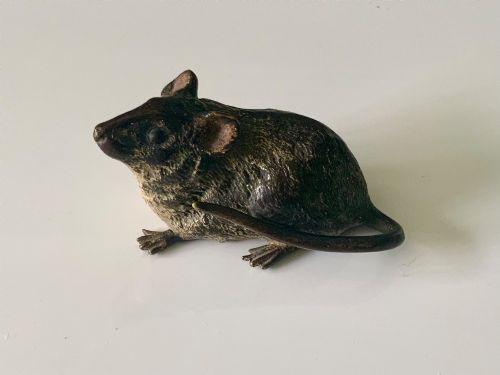
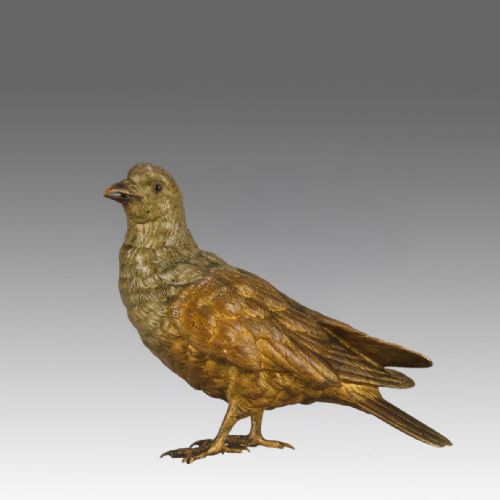
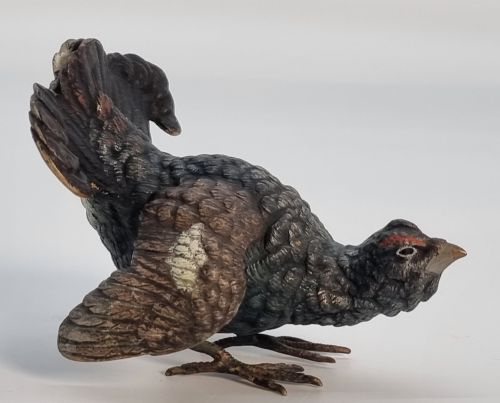
The objects span periods from the mid nineteenth century through the 1930s, reflecting styles from Art Nouveau and Art Deco to Orientalism. Animal subjects like dogs, birds, and horses appear frequently alongside human figures, often mounted on bases of marble or green onyx.
Most examples date from the early twentieth century and display the characteristic hand painted surfaces applied after casting. Buyers frequently select these sculptures for their expressive character and historical connection to Austrian workshops.
Materials and technique
Craftsmen cast these sculptures predominantly in bronze, utilising molten metal poured into moulds to create detailed animal and human figures. Some pieces incorporate alternative materials such as terracotta, spelter, or glass, mounted onto bases of onyx and marble.
The distinguishing technique involves cold painting, where artisans applied enamel or oil paint directly onto the unheated metal surface after casting. This method allowed for nuanced coloration on feathers, fur, and garments, though the paint remained vulnerable to flaking over decades of handling.
Materials recorded across the inventory include bronze, terracotta, spelter, marble, onyx, glass, and enamel paint.
Judging quality
Quality in these works rests upon the crispness of the initial casting and the dexterity of the hand painted surface. Superior pieces exhibit finely chased details in the metal before painting, ensuring that feathers, musculature, and facial expressions remain sharp beneath the pigment.
The complexity of the subject and the preservation of the original cold painted surface dictate the standing of an individual piece. Works attributed to major workshops or bearing distinct foundry marks demonstrate greater artistry in both sculptural form and polychrome finish.
Franz Bergman·Franz Xaver Bergman
The Vienna Cold Painted Sculpture Glossary
- Cold-Painted Bronze
- A technique where bronze figures are painted with unfired oil or enamel paints after casting. This method produced vibrant polychrome surfaces common in Austrian decorative arts.
- Orientalism
- An artistic style popular in the nineteenth and early twentieth centuries focusing on themes and subjects from the Middle East and North Africa. Figures such as snake charmers and whirling dervishes frequently appear in this genre.
- Spelter
- A zinc alloy used as a cheaper alternative to bronze for sculptural castings. It provides a similar weight and appearance when plated or painted.
- Onyx
- A banded variety of chalcedony frequently utilised for sculptural bases in the early twentieth century. Its smooth, variegated surface complements the patinated metal figures mounted upon it.
- Terracotta
- Fired clay used for sculptural modelling before glazing or painting. Several Austrian models utilise this medium instead of metal.
Vienna Cold Painted Sculpture: Frequently Asked Questions
How do I clean my cold painted sculpture?
Dust the surface gently with a soft, dry brush to remove particles without disturbing the fragile paint layers.
Avoid liquid cleaners, water, or chemical solvents entirely, as moisture strips the historic cold painted finish from the bronze.
Where were these sculptures originally made?
These pieces originated primarily in Vienna, Austria, during the nineteenth and early twentieth centuries.
Workshops in the region specialised in small bronze casts finished with detailed polychrome paint applications.
Why are some figures mounted on onyx?
Green onyx and marble bases provided stability and added a sense of architectural weight to smaller desktop ornaments and bookends.
This presentation was typical for Austrian cabinet bronzes produced during the Art Deco and Edwardian periods.
What subjects are most common?
Animals such as birds, dogs, and horses appear frequently in these listings alongside human figures and orientalist subjects.
Functional items like lamps and bookends also incorporate sculpted animal and human forms.