

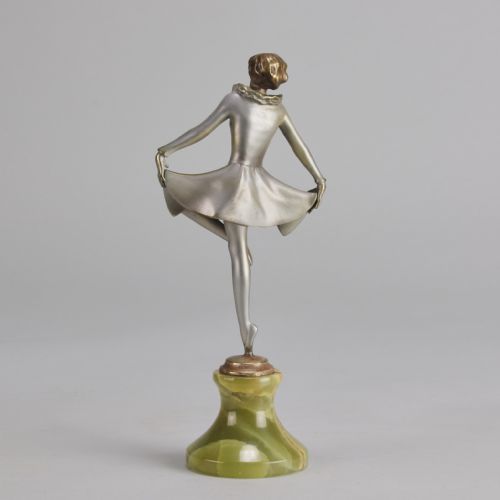
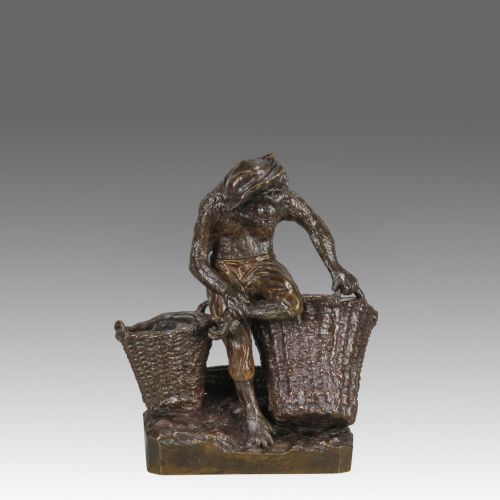
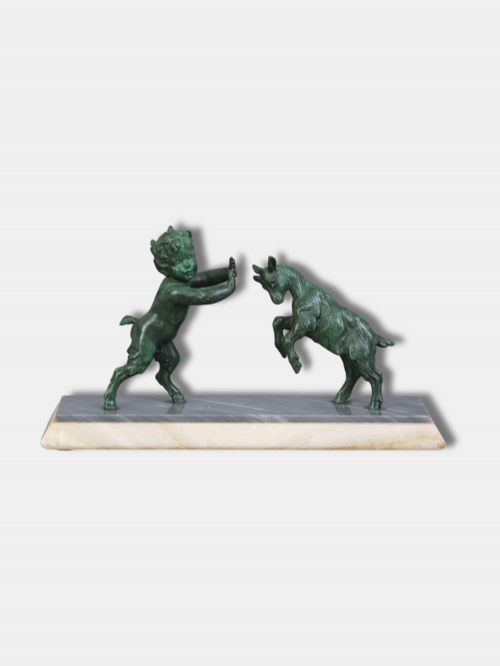
20th Century Bronze Figure
When you handle a 20th century bronze figure, you hold a piece shaped by Art Deco, Vienna foundry work, and animalier realism.
20th Century Bronze Figure
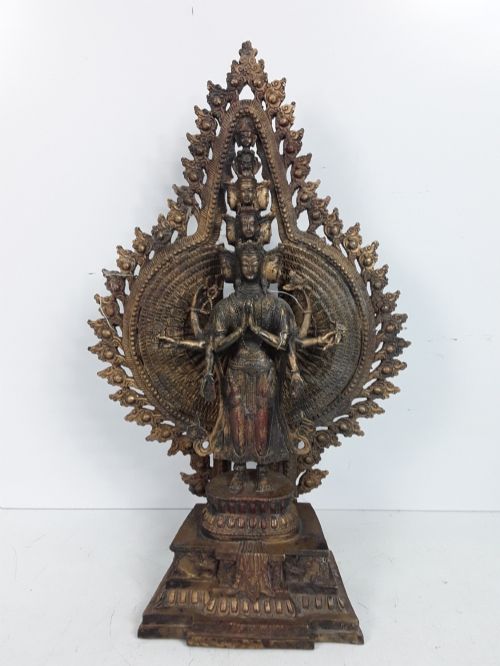
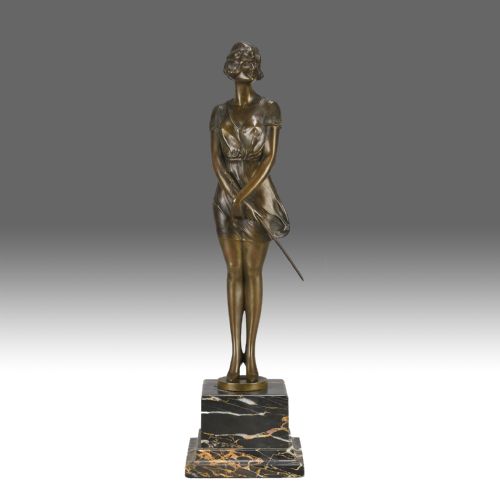
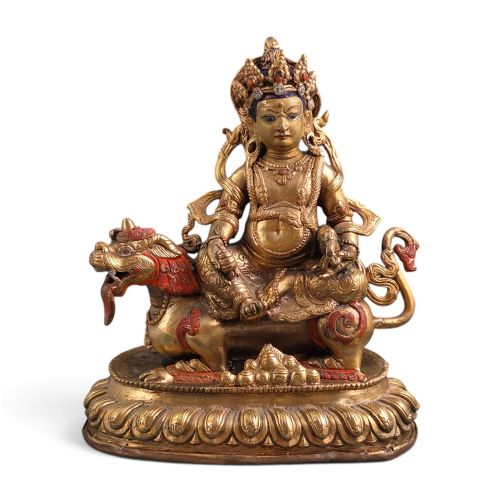
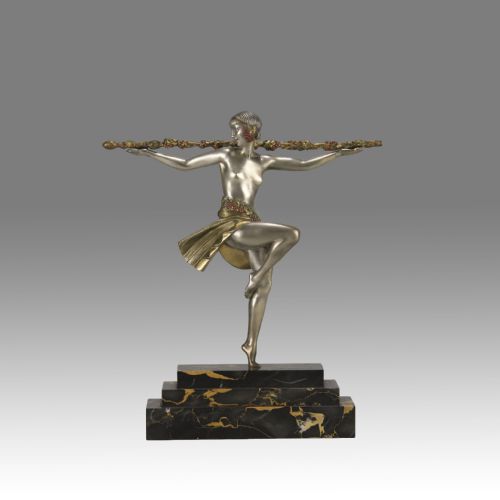
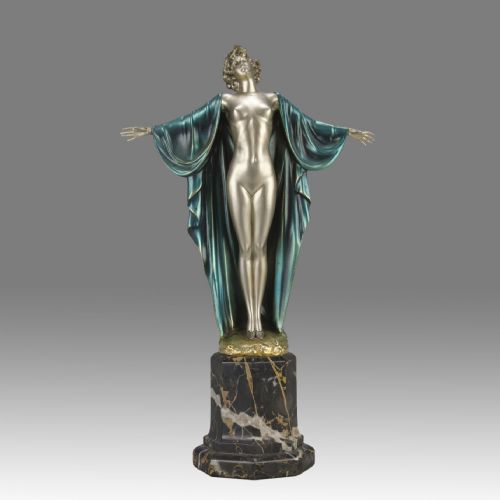
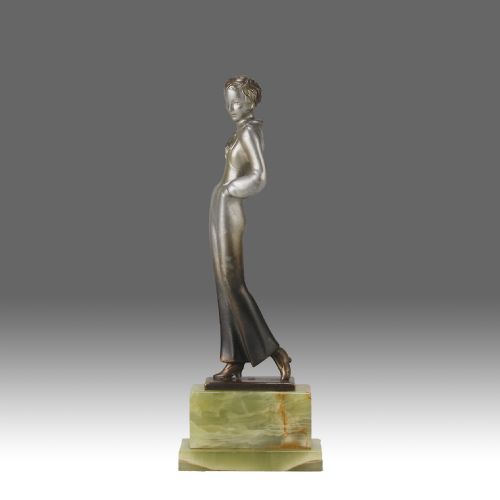
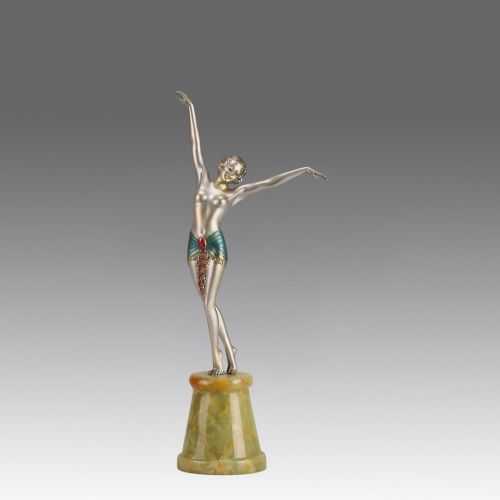
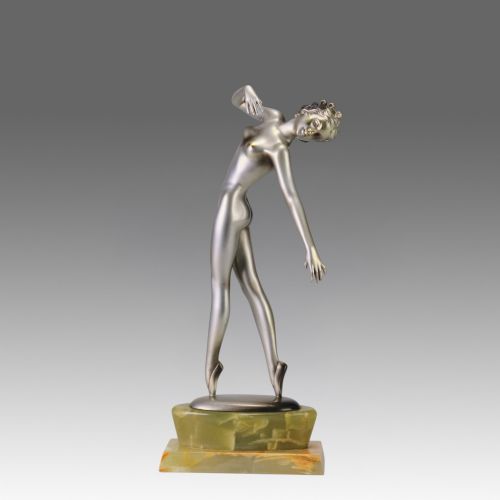
A 20th century bronze figure encompasses sculptures, statuettes, and functional items like bookends and table lamps created across the decades. The versions most commonly encountered on this page reflect Art Deco dancers, animal studies, and Orientalist subjects originating from European and Asian workshops.
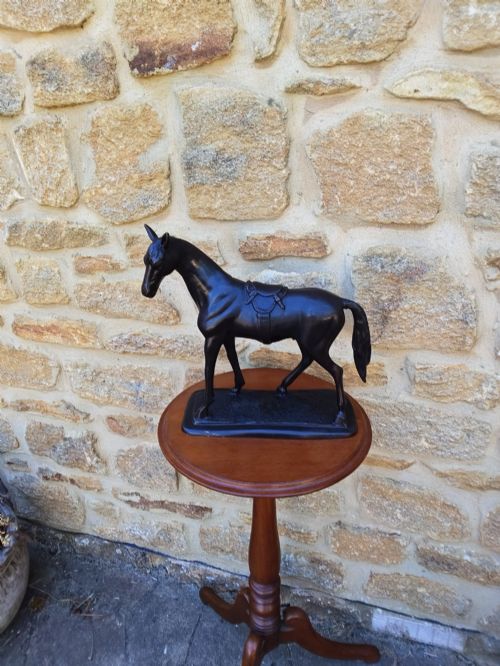
Makers utilised diverse influences ranging from classical Grand Tour models to Sino-Tibetan deities and Japanese horse sculptures. These pieces bridge decorative art and sculptural craft, serving as desk ornaments or cabinet centerpieces.
Moulds from this era capture human motion, animal anatomy, and mythical figures with distinct stylistic flair. Collectors select them for their compact scale and the variety of patinas achieved through specialist casting.
Materials and Casting Techniques
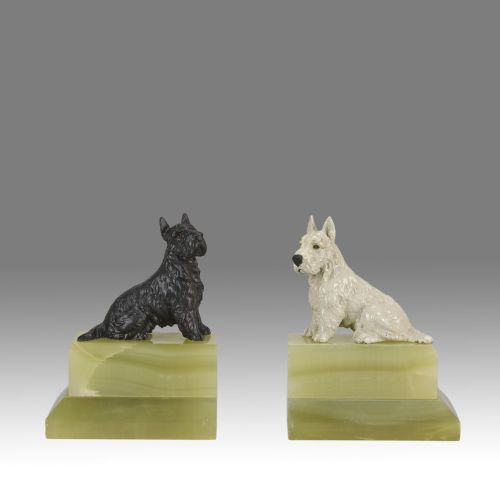
Foundries cast these pieces using traditional bronze and gilt bronze, often mounting the finished metal figures upon bases of marble or onyx. The weight of the stone contrasts with the warmth of the metal body.
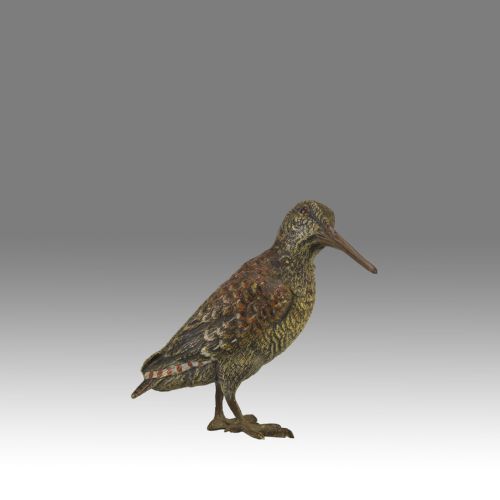
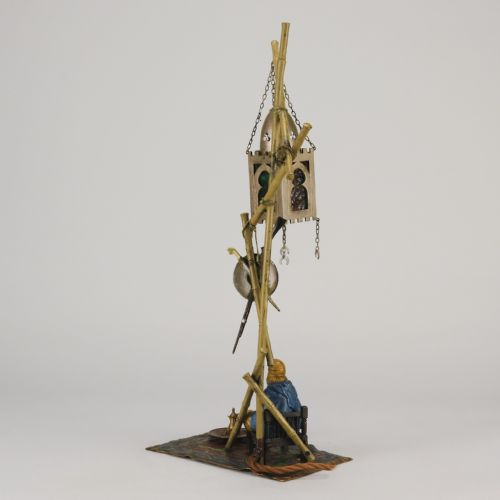
Many works incorporate cold paint and enamel applied directly onto the metal surface after casting. This technique requires meticulous brushwork to achieve the vivid surface details seen on animal and human subjects.
Listings feature works cast in bronze, gilt bronze, and cold-painted bronze, frequently paired with marble and onyx bases.
Distinctions in Quality and Finish
The finesse of the chased surface details and the preservation of the applied cold paint separate standard castings from exceptional works. Master founders ensured that fingers, feathers, and facial expressions retained sharp definition before the patina was applied.
The integration between the bronze subject and its stone base influences the overall balance of the piece. Superior examples utilise carefully selected marble or onyx that complements the metallic tones without overpowering the sculpture.
Bruno Zach·Franz Bergman·Pierre le Faguays·Ferdinand Preiss·Josef Lorenzl·Christophe Fratin·Emile Carlier·Kunio Itô·Demetre Chiparus·Henri Godet·Friedrich Goldscheider
The 20th Century Bronze Figure Glossary
- Cold-Painted Bronze
- A method where paint is applied to a cast bronze figure without subsequent firing, often associated with Austrian foundries. This delicate finish requires careful handling to preserve the original pigment.
- Animalier
- A nineteenth and twentieth century sculptural focus on realistic depictions of animals in natural poses. Artists captured beasts in motion or repose with anatomical precision.
- Vienna Bronze
- Small, highly detailed bronze figures produced in Austrian workshops during the late nineteenth and early twentieth centuries. These pieces frequently depicted human figures in Orientalist or genre scenes.
- Gilt Bronze
- Bronze that has been coated with a thin layer of gold or gold-coloured alloy to impart a lustrous metallic sheen. This finish highlights ornamental details and adds reflective depth.
- Patina
- The surface coloration and sheen developed naturally over time or applied chemically by the foundry. It protects the metal and defines the visual character of the sculpture.
20th Century Bronze Figure: Frequently Asked Questions
How do I clean a bronze figure?
Dust the surface gently with a soft, dry brush to prevent the accumulation of grit within crevices. Avoid using water, soap, or chemical polishes, as these substances strip away delicate cold paint and aged patinas.
Maintain a stable indoor environment away from direct sunlight and excessive moisture to protect both the metal and any attached marble bases. Proper handling ensures the original finish remains undisturbed for years to come.
What is cold-painted bronze?
Cold painting involves applying oil or enamel paints directly onto a cured bronze casting without subjecting the piece to kiln firing. This technique allowed artisans to introduce vibrant multi-coloured surfaces to small decorative sculptures.
Because the paint sits on the metal rather than fusing with it, these pieces demand careful preservation. Vienna workshops popularised this method for animalier studies and human figures.
How are bronze figures dated?
Foundry marks, artist signatures, stylistic cues, and material combinations provide the primary evidence for dating. Art Deco works typically display geometric lines and modernist clothing, while earlier pieces lean towards classical or Orientalist themes.
Comparing the casting quality and the type of base material against documented examples helps narrow down the production period. Signatures etched into the metal base often point directly to the executing artist or studio.
Where should I display these sculptures?
Place figures on sturdy surfaces such as mantelpieces, desks, or glass-fronted cabinets where they can be viewed from multiple angles. Ensure the chosen spot does not experience rapid temperature fluctuations that could stress mounted stone bases.
Positioning the pieces away from high-traffic areas prevents accidental knocks that might damage protruding limbs or delicate paintwork. Proper placement highlights the sculptural silhouette against its background.