


Viennese Bronze Figure
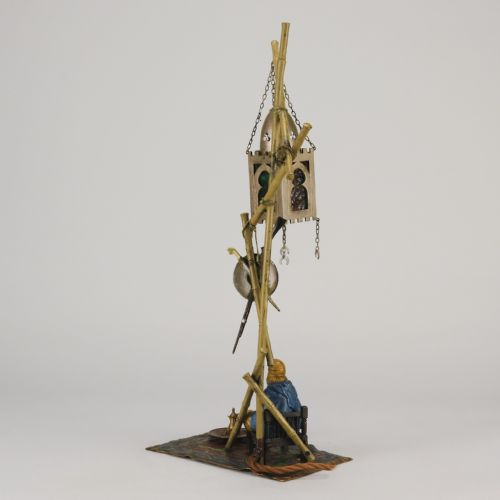
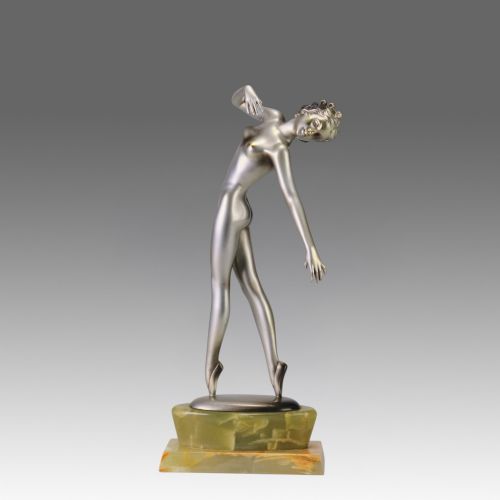
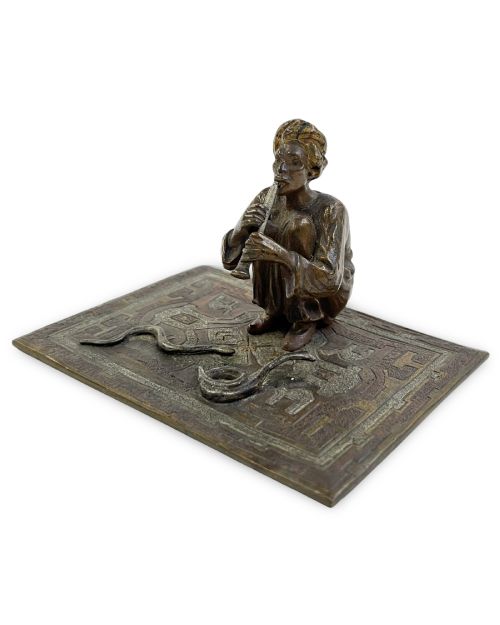
These charming viennese bronze figure carvings bring miniature narrative and rich colour to any desk.
Viennese Bronze Figure
A viennese bronze figure combines miniature sculptural form with intricate surface detail, capturing subjects from domestic animals to exotic human figures. These small sculptures often depict narrative scenes, ranging from orientalist subjects to animalier studies.
Most examples found here date from the nineteenth century through the early twentieth century, spanning periods such as art nouveau and art deco. Makers frequently produced animals, such as pugs and borzoi hounds, alongside figurative subjects.
The objects serve primarily as decorative items or functional pieces like table lamps. They reflect the diverse stylistic movements of Austrian workshops, including orientalism and the Vienna school.
How they were made
The primary material is cast bronze, which serves as the foundation for detailed surface decoration. Artisans applied cold-paint or polychrome enamel directly onto the metal without high-temperature firing, achieving vibrant hues.
Some pieces incorporate additional base materials such as marble, onyx, or glass to support the metal sculpture. These mixed media compositions highlight the technical skill of the Austrian workshops.
Listings feature cold-painted bronze, onyx, marble, and polychrome enamel across various periods.
What varies in quality
The preservation of the original cold-paint surface dictates much of the visual appeal. Subtle tonal gradations and careful brushwork separate finer sculptural studies from simpler production pieces.
Franz Bergman·Josef Lorenzl·Franz Xaver Bergman·Carl Kauba·Bruno Zach
The Viennese Bronze Figure Glossary
- Cold-Painted Bronze
- A bronze sculpture decorated with unfired paint applied directly to the metal surface. This technique allows for intricate polychrome details that typical patination cannot achieve.
- Animalier
- A nineteenth-century artistic style focusing on the realistic depiction of animals. These sculptures pay close attention to anatomical accuracy and natural postures.
- Orientalism
- An artistic movement inspired by the cultures of North Africa and the Middle East. It frequently appears in subjects depicting figures in traditional regional attire.
- Vienna School
- A collective term for late nineteenth and early twentieth-century Austrian bronze manufacturers. They are renowned for small figurative bronzes with rich enamel colours.
Viennese Bronze Figure: Frequently Asked Questions
What is a viennese bronze figure?
A viennese bronze figure is a small, cast metal sculpture typically decorated with hand-applied cold paint. These pieces originated primarily in Austrian workshops during the late nineteenth and early twentieth centuries.
Subjects range widely from lifelike animals to narrative human figures in orientalist settings. Their small scale made them popular decorative items for desks and display cabinets.
How do I care for cold-painted bronze?
Cold-painted bronze requires gentle handling because the unfired paint can flake or wear away easily with rough treatment. Dust the surface lightly with a dry, soft brush rather than using any liquid cleaners.
Keep the pieces away from direct sunlight and high humidity to preserve the original colours. Displaying them on stable surfaces like marble or wood protects both the base and the figure.
How are periods identified?
Periods are identified through stylistic cues such as art nouveau curves, art deco geometry, or nineteenth-century animalier realism. Maker marks and stamps on the metal also help pinpoint the exact era of production.
Materials provide further clues, as mixed media bases like onyx or specific enamel palettes align with particular decades. Comparing the subject matter to known workshop portfolios confirms the timeframe.
Were these figures used as lamps?
Some sculptural figures were incorporated into functional items like table lamps while retaining their decorative focus. These pieces integrated lighting fixtures alongside the cold-painted bronze elements.
Such items combined illumination with the narrative appeal characteristic of Austrian bronze studios. They served as both art objects and practical room lighting.