




Victorian Bronze Animal Figure
A Victorian bronze animal figure captures the muscular tension of a hound or the alert posture of a bird with remarkable weight and presence.
Victorian Bronze Animal Figure
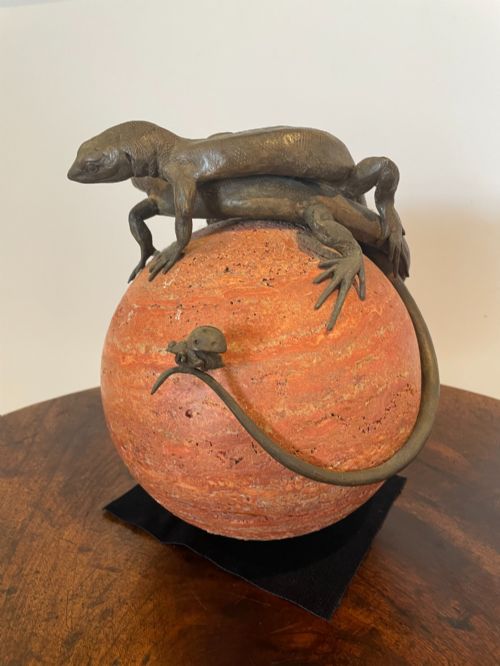
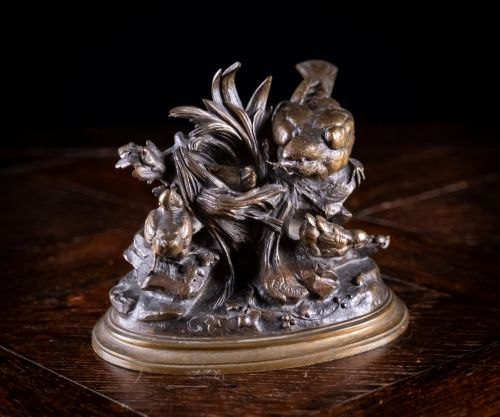
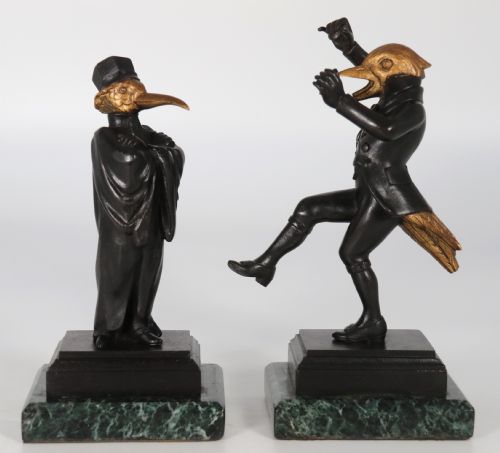
A victorian bronze animal figure encompasses domestic pets, wild beasts and theatrical bird caricatures cast during the nineteenth century. These works range from French animalier studies of hares and bulls to small Austrian desk ornaments.
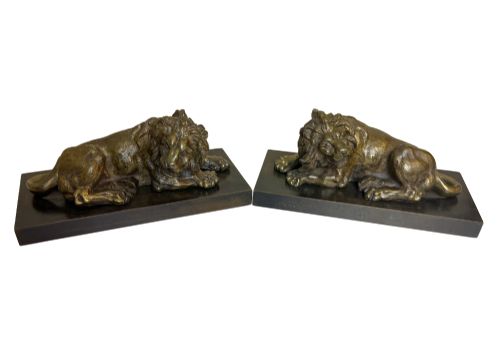
The pieces on this page appear as standalone sculptures, practical inkwells, paperweights and pin cushions. Dogs appear most frequently, rendered as resting lions, pugs, setters and bullmastiffs alongside mice, frogs and camels.
Materials and casting methods
Foundries utilised traditional bronze casting methods to capture fine anatomical details in creatures like stags, birds and dogs. Many pieces received a dark patinated surface, while others were finished with cold-painted enamel pigments or parcel-gilt highlights.
Certain objects incorporate secondary materials such as marble bases, glass eyes, or brass and paint to enhance the realism of the animals. Plaster also appears as a base medium for sculptural studies after known models.
Listings demonstrate that nineteenth-century animal figures were cast in bronze and patinated or cold-painted, frequently taking the form of dogs, birds and big cats.
Distinctions in craftsmanship
The excellence of a casting rests on the sharpness of the chisel work and chase finishing after the metal leaves the mould. Superior examples retain crisp muscular definition in animals like hounds and bulls without softening the texture of fur or feathers.
Surface finish marks the divide between standard production and masterwork foundry output, particularly in cold-painted Austrian pieces where the preservation of original enamel pigment dictates the desirability of a frog or kingfisher.
Louis Emile Cana·Prosper Lecourtier·Bergman·Jules Moigniez·Isidore Jules Bonheur·Arthur Waagen·Alfred Dubucand·Antoine-Felix Bouré
The Victorian Bronze Animal Figure Glossary
- Animalier
- A nineteenth-century artistic movement focused on the realistic depiction of animals in sculpture. French ateliers produced the most celebrated examples of this style.
- Cold-painted bronze
- A technique where bronze figures received polychrome paint details applied without firing. Bergman workshop pieces frequently utilised this method for birds and frogs.
- Geschützt
- An Austrian term denoting a protected or registered design. It often appears stamped on small desk bronzes.
- Parcel-gilt
- A method of highlighting portions of a bronze surface with a thin layer of gold leaf or gilding. This technique draws the eye to specific anatomical details or garments on figurative subjects.
Victorian Bronze Animal Figure: Frequently Asked Questions
How do I care for a bronze figure?
Dust the surface gently with a soft dry brush to prevent accumulation in the crevices of fur or feathers. Avoid liquid cleaners or polishes that can strip the original patina.
Keep the piece away from direct sunlight and damp environments to protect cold-painted enamel colours and exposed metal surfaces.
What is an animalier sculpture?
An animalier sculpture is a nineteenth-century work dedicated to the naturalistic portrayal of beasts, birds and domestic pets. Sculptors studied anatomy closely to capture creatures in motion or repose.
These pieces were cast in bronze by specialised foundries across France and Austria, ranging from miniature desk ornaments to large statues.
How are cold-painted bronzes different?
Cold-painted bronzes are finished with colourful enamel paints applied directly to the metal rather than fired in a kiln. This technique allowed makers to render birds, frogs and dogs with vibrant lifelike hues.
Because the paint sits on the surface without high-heat bonding, surviving examples often show natural wear and loss of pigment over time.
Were these figures used as desk items?
Many nineteenth-century animal figures doubled as functional objects for the writing desk, including inkwells, paperweights and pin cushions. A dog or a fox might feature a hinged lid concealing a glass ink reservoir.
Owners placed these utilitarian bronzes in libraries and studies to combine decorative appeal with daily convenience.