



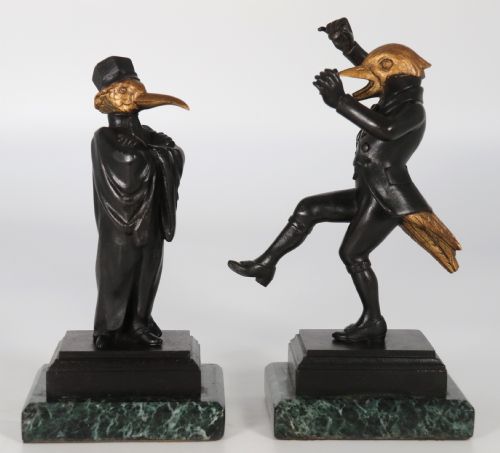


Bronze Bird Figurine Base
These pieces that form a bronze bird figurine base combine sculptural metalwork with fitted plinths to hold avian subjects.
Bronze Bird Figurine Base
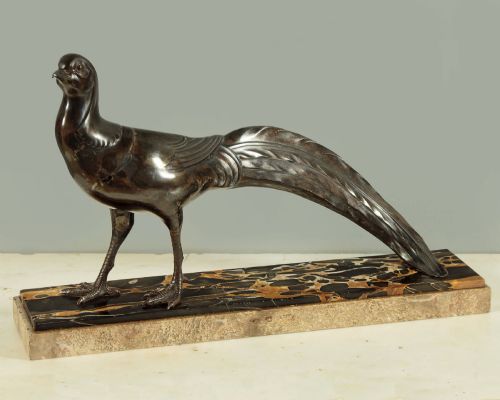
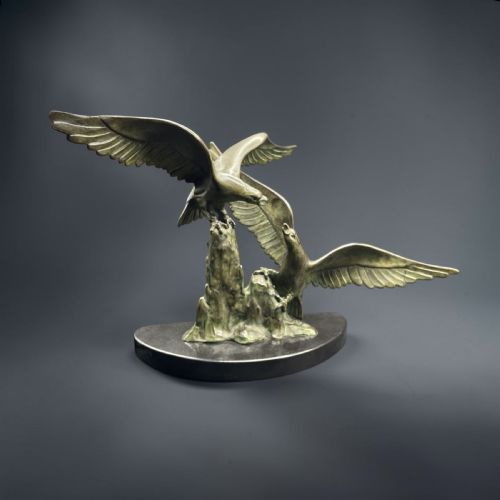
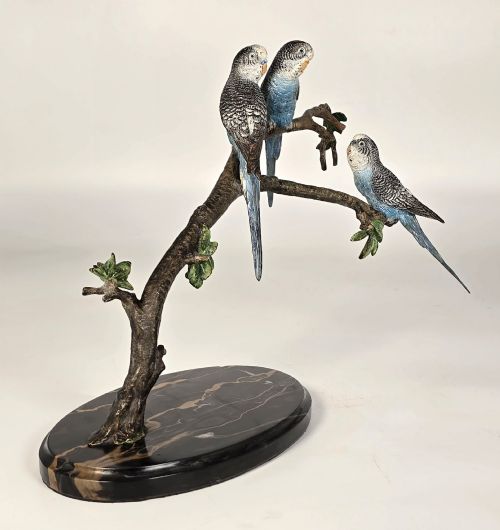
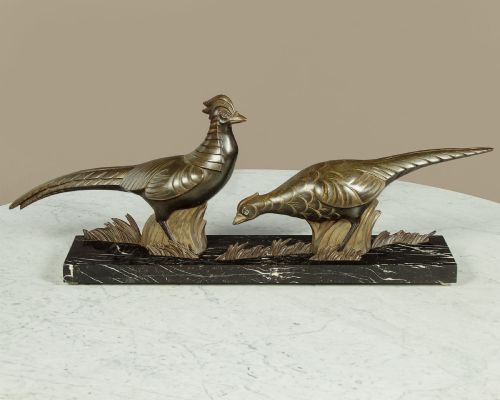
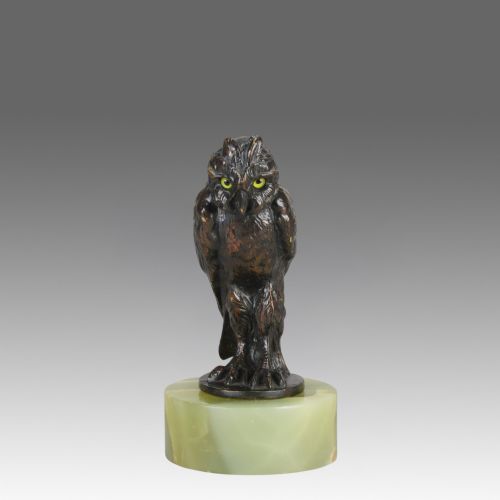
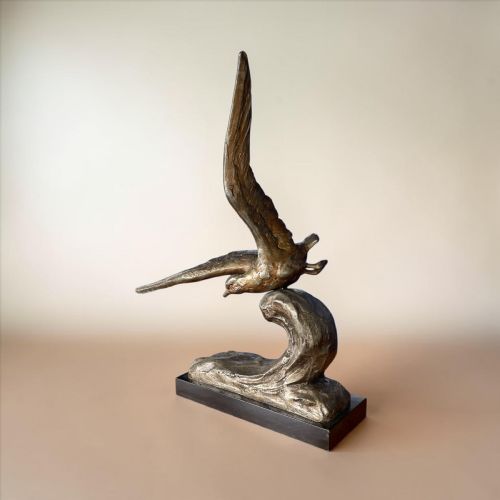
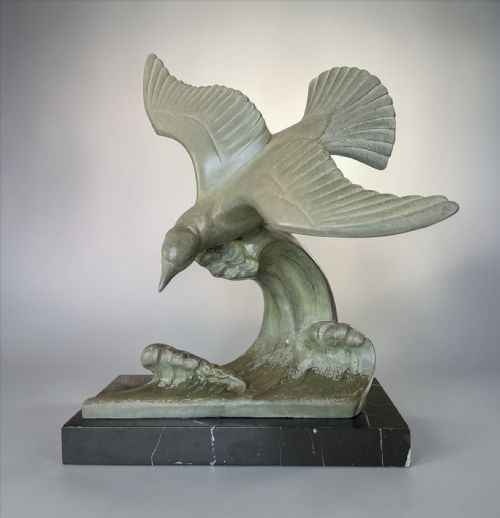
A bronze bird figurine base supports sculptural depictions of avian subjects, ranging from naturalistic studies of budgerigars and pheasants to stylized Art Deco forms like seagulls and pelicans. Most examples meet the eye as small-scale animalier studies or decorative mascots mounted upon stone plinths.
The evidence shows forms originating across the nineteenth and twentieth centuries, encompassing Victorian novelty works, Japanese Meiji period models, and Austrian cold-painted bronzes. Buyers encounter these figures paired with various structural foundations that elevate the bird subjects for display.
Makers fashioned these works in distinct styles, including the linear geometries of Art Deco and the detailed realism of the Animalier tradition. The bronze bird figurine base serves as both a mount and an integral component of the overall sculptural composition.
Materials and construction methods
Foundries cast these pieces primarily in bronze, alongside patinated spelter and patinated metal, often applying parcel-gilt or cold-painted polychrome finishes. Artisans detailed the feathered surfaces of birds through careful chasing and engraving after casting the base metal.
Mounts and plinths frequently utilise contrasting hardstones such as black marble, white marble, onyx, and occasionally mahogany. These heavy stone bases anchor the lighter metal figurines and provide stability for upright animalier and decorative subjects.
Bronze Bird Figurine Base Retail Price Guide 2026
Typical asking prices for bronze bird figurine base among the pieces listed under this phrase on Sellingantiques today, from the lower quarter to the upper quarter. They describe what is for sale here now, not the wider market.
Listings feature works spanning from the nineteenth century through the 1930s, utilising bronze, marble, onyx, and cold-painted finishes.
Distinctions in execution
Finer examples demonstrate superior anatomical precision in the feather work and posture of the avian subjects, whereas simpler pieces rely on standard commercial casting. The crispness of the cold-painted or patinated surface layer separates accomplished foundry output from routine production.
The integration between the metal figurine and its stone plinth determines visual harmony, with superior pieces featuring custom-fitted marble or onyx bases that complement the sculpture. Material selection for the foundation, such as solid black marble versus lesser patinated metals, distinguishes the tier of the piece.
Carl Kauba·P. Marec·Zoldan Kovats
The Bronze Bird Figurine Base Glossary
- Animalier
- A nineteenth-century artistic movement dedicated to the realistic depiction of animals. Sculptors in this tradition focused on accurate anatomy and observed behaviour.
- Cold-painted
- A technique where paint is applied to cold bronze without the use of kiln heat. This method often results in fragile polychrome finishes that require careful preservation.
- Patinated metal
- A surface treatment applied to base metals to simulate aged bronze. Chemical processes alter the outer layer to produce varied brown, green, or dark tones.
- Spelter
- An alloy of zinc and copper used as an economical alternative to bronze. It offers a softer texture for casting decorative figures.
- Parcel-gilt
- A decorative finish where selected areas of an object are covered in thin gold leaf or gilt. This highlights specific details against a darker bronze background.
Bronze Bird Figurine Base: Frequently Asked Questions
What animals appear on these bases?
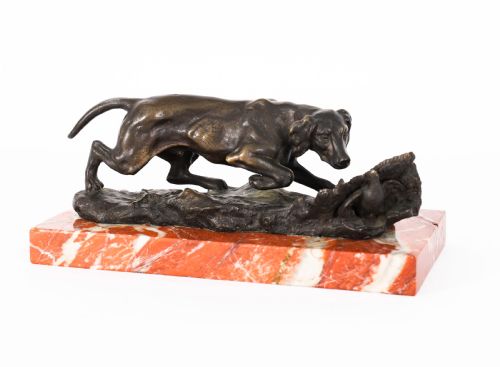
The listings feature a diverse array of avian subjects, including budgerigars, pheasants, owls, seagulls, pelicans, and hawks, alongside occasional hunting and working dogs.
These creatures are cast in active postures, perched on branches, or modeled as theatrical caricature figures.
How do I care for cold-painted bronzes?
Cold-painted surfaces require protection from moisture and direct sunlight to prevent flaking of the delicate polychrome pigments.
Dusting should be performed gently with a dry, soft brush rather than liquid cleaners.
What materials make up the plinths?
Foundations typically consist of polished black marble, white marble, or onyx, providing a dense and stable platform for the metal sculptures.
Some examples also incorporate wooden elements like mahogany into the structural base.
How are Vienna bronzes distinguished?
Vienna bronzes are characterised by their intricate cold-painted finishes and realistic detailing, often portraying birds in naturalistic or humorous poses.
This tradition reflects specialised nineteenth and early twentieth-century Austrian foundry practices.