

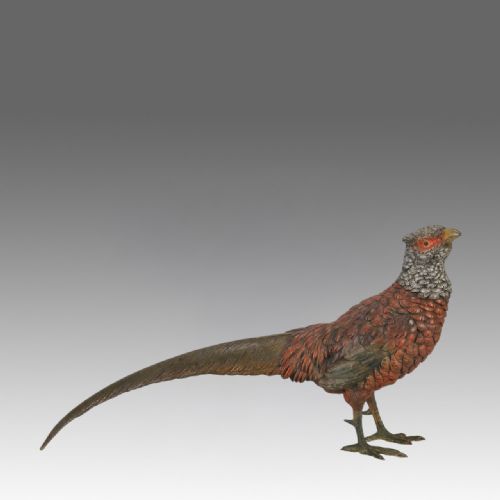


Austrian Bronze Bird Figure
These cold-painted bronzes are miniature natural histories cast in metal, bringing the sharp detail of Austrian sculpture into your home.
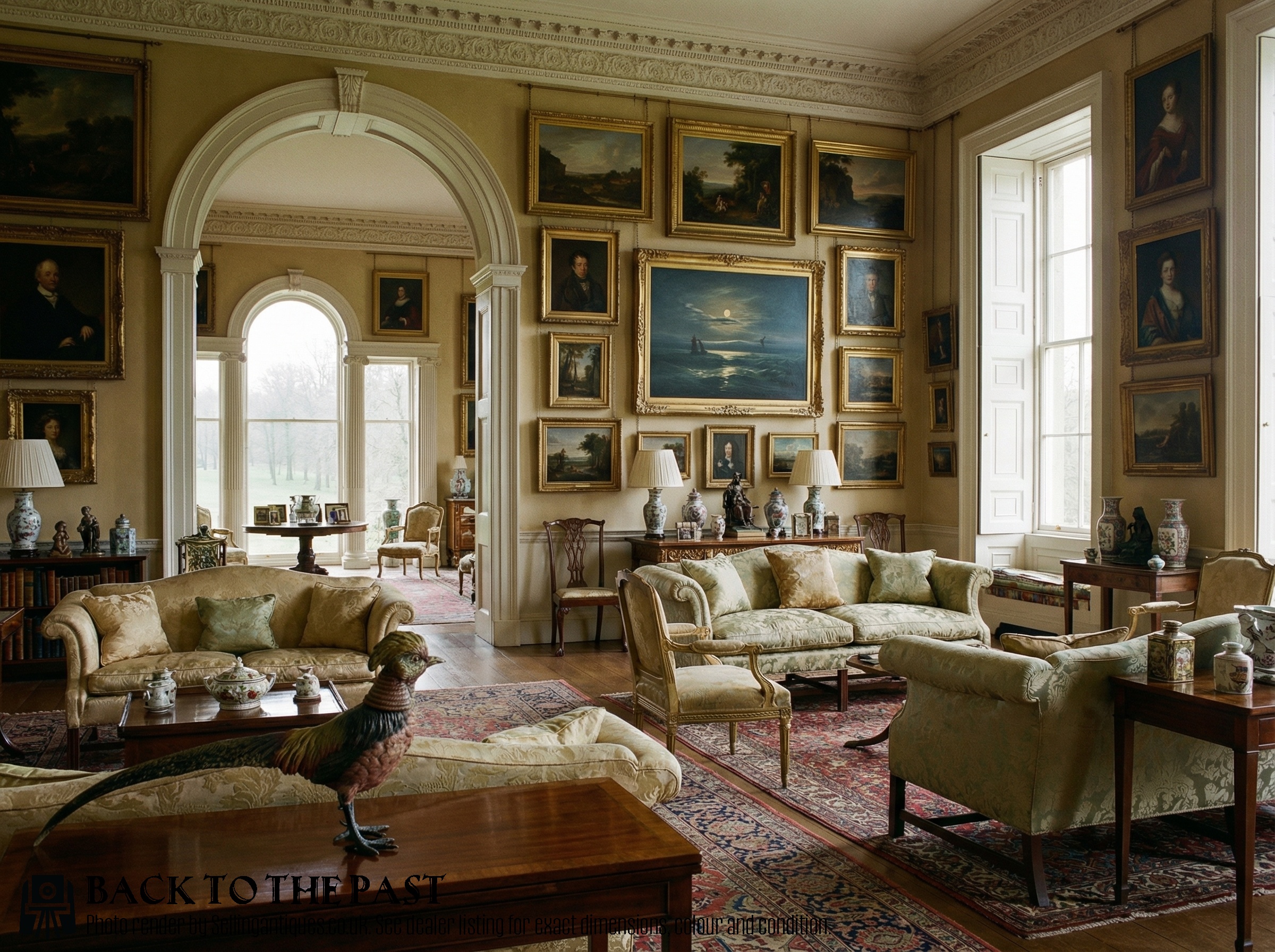
Austrian Bronze Bird Figure
An austrian bronze bird figure captures avian subjects with naturalistic poise, ranging from small songbirds to larger game birds like pheasants, woodcocks, and grouse. These sculptures primarily date from the late nineteenth and early twentieth centuries, emerging from workshops that mastered miniature animal bronzes.
You will most commonly encounter pieces produced in the Vienna bronze style, often bearing the marks or style associated with Franz Bergman. These figures frequently feature native European birds mounted directly on bronze or seated upon natural mineral elements such as quartz rock bases.
The sculptural forms span from simple standing figures to elaborate pairs and dramatic predatory scenes, such as hawks perched on stone. Each piece reflects the turn-of-the-century fascination with naturalism and decorative cabinet bronzes.
How they were made
Makers cast these pieces in bronze using traditional methods before applying intricate layers of cold paint by hand. Unlike firing enamel in a kiln, cold painting applies pigment over a metallic base, requiring delicate brushwork to achieve the variegated plumage of species like the magpie, pheasant, and kingfisher.
The surface colour relies entirely on this non-fired paint technique, utilising polychrome and enamel pigments to render natural markings. Artisans often mounted the completed metal sculptures onto heavy mineral supports, such as quartz, to anchor the composition.
Austrian Bronze Bird Figure Retail Price Guide 2026
Typical asking prices for austrian bronze bird figure among the pieces listed under this phrase on Sellingantiques today, from the lower quarter to the upper quarter. They describe what is for sale here now, not the wider market.
Listings span the late nineteenth century through to nineteen-ten, recording materials such as bronze, polychrome paint, enamel, and quartz.
What varies in quality
The distinction between ordinary and exceptional examples rests upon the precision of the casting and the fidelity of the cold-painted surface. Finer pieces display meticulous brushwork that captures the subtle iridescence and precise feather patterns of specific birds rather than generic colour blocks.
Scale and complexity also dictate the hierarchy of these bronzes, with multi-part compositions or monumental figures resting on quartz bases representing the more ambitious output of the period. Signed works by recognised founders carry distinct provenance that elevates the sculptural merit.
Franz Bergman·Franz Xaver Bergmann
The Austrian Bronze Bird Figure Glossary
- Cold-painted bronze
- A sculpture cast in bronze and decorated with unfired paint applied by hand. This technique allows for vivid polychrome details on miniature figures.
- Vienna bronze
- A small-scale bronze figure produced in Austrian workshops during the late nineteenth and early twentieth centuries. These pieces typically depict animals, human figures, or orientalist subjects.
- Polychrome paint
- A decorative surface finish utilising multiple colours. On these sculptures, it creates realistic plumage across different bird species.
- Naturalist style
- An artistic approach focusing on accurate anatomical representation and lifelike posture. In these bronzes, it ensures birds mimic their natural counterparts in the wild.
- Quartz
- A crystalline mineral occasionally utilised as a natural rock base for mounted sculptures. It provides a heavy, textured foundation for larger bird figures.
Austrian Bronze Bird Figure: Frequently Asked Questions
What is a cold painted bronze?
A cold painted bronze is a metal sculpture decorated with paint applied after casting, without subsequent kiln firing. This method permits intricate, colourful surface detailing.
Artisans used this technique extensively in Austrian workshops to render the accurate plumage of various bird species.
How do I clean an austrian bronze bird figure?
Dusting gently with a soft, dry brush is the safest method for maintenance. Avoid water, harsh solvents, or chemical cleaners, which lift the delicate cold-paint layers.
Keeping these sculptures away from direct sunlight preserves the original polychrome pigments over time.
Are all Vienna bronzes signed?
Many pieces carry stamps, monograms, or Bergman bottle marks, but a substantial number remain unsigned. Unsigned figures still exhibit the characteristic casting quality and paint application of the period.
Attribution relies on comparison with documented workshop patterns and sculptural style rather than signatures alone.
Why are some figures mounted on quartz?
Makers incorporated natural mineral bases like quartz to provide stability for top-heavy compositions, such as perched birds. This adds a realistic geological element to the sculpture.
These stone bases are characteristic of larger cabinet bronzes produced around nineteen-hundred.