




Antique Austrian Bronze Ornament
An antique austrian bronze ornament brings vibrant personality into a room through meticulous hand-finished metalwork and playful animal or human figures.
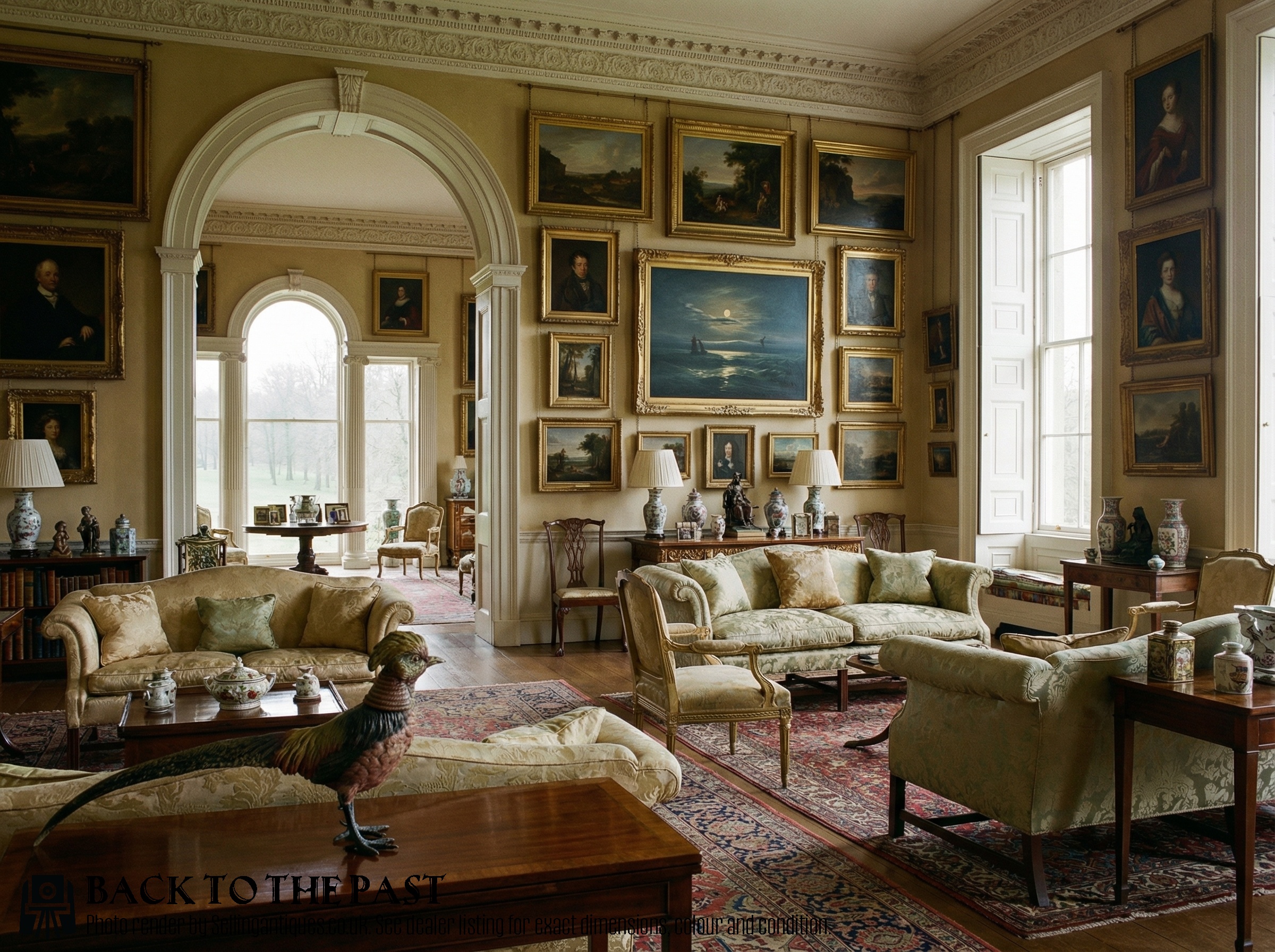
Antique Austrian Bronze Ornament
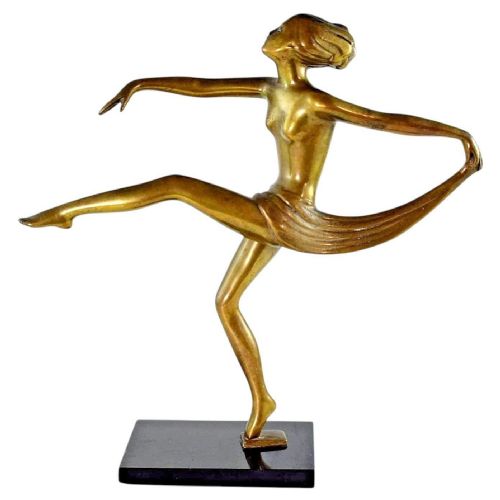
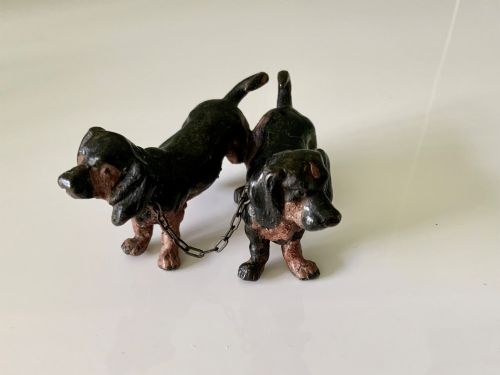
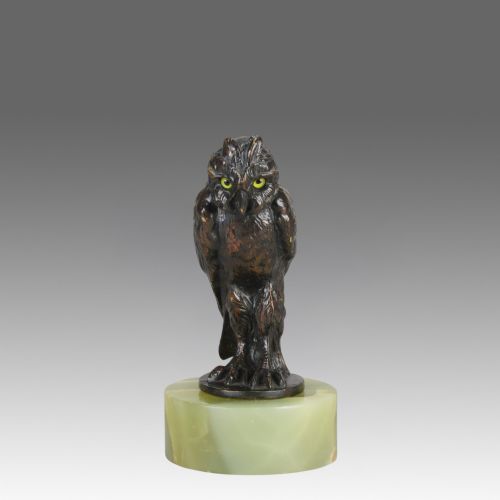
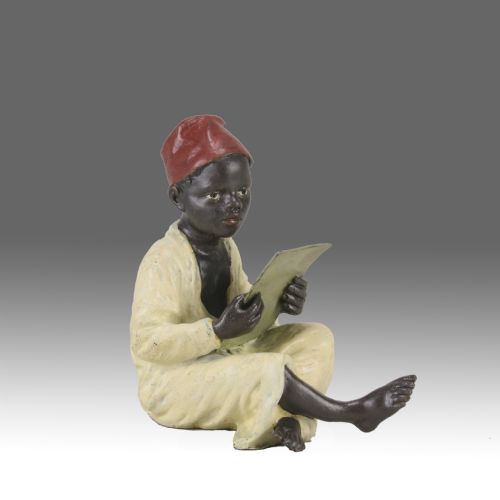
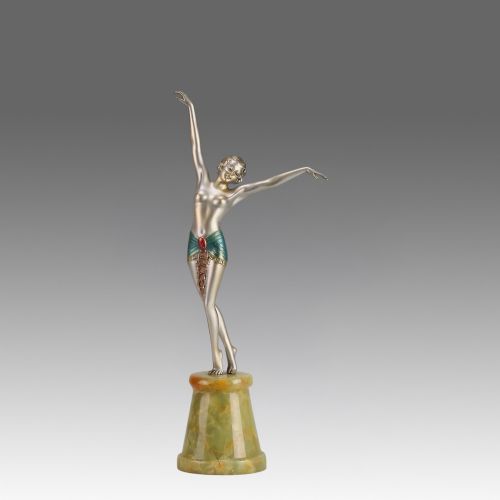
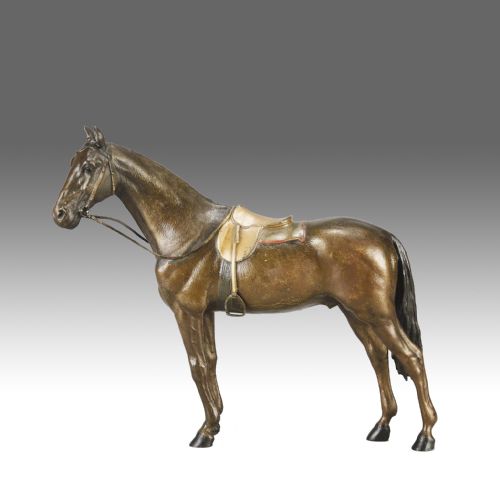
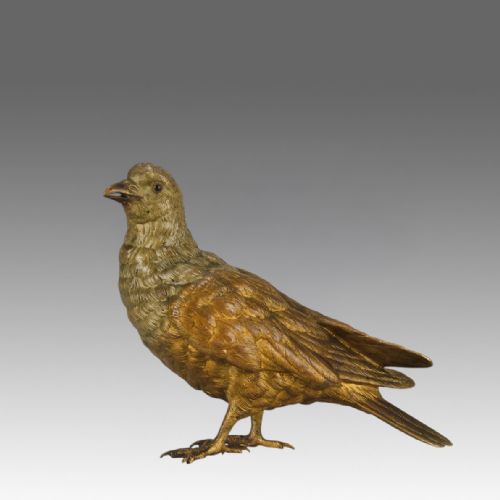
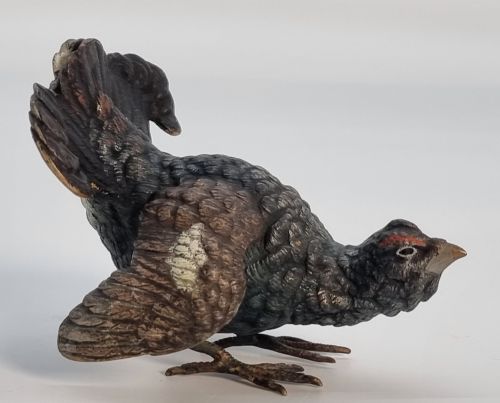
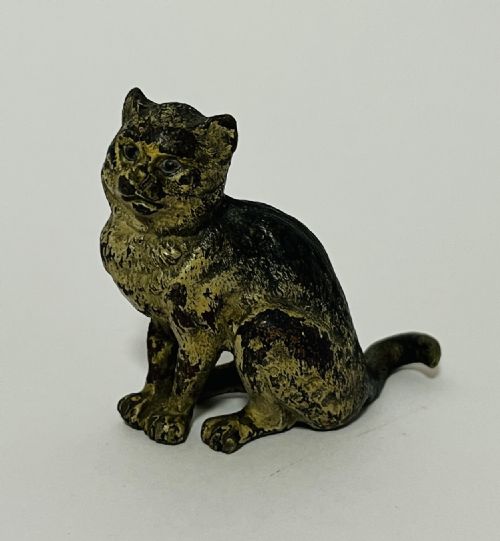
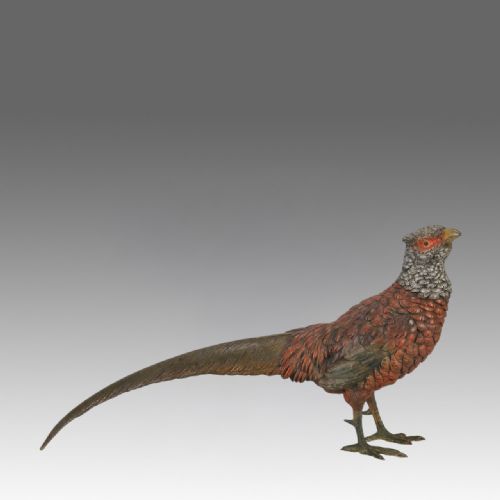
When you search for an antique austrian bronze ornament, you encounter small-scale sculptures, animal figurines, and figurative statuary originating from workshops active during the nineteenth and early twentieth centuries. The most common examples met on this page are miniature or cabinet-sized studies depicting birds, dogs, and human dancers rendered in distinct stylistic traditions.
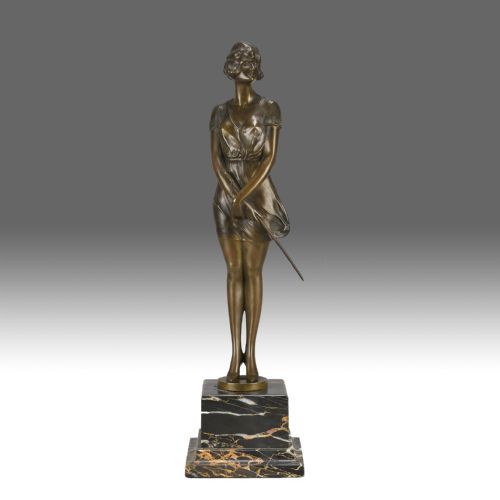
The objects span several distinct eras, moving from nineteenth-century Victorian naturalism through the sweeping curves of Art Nouveau to the geometric lines of Art Deco. Formats range from simple freestanding bronze figures to compositions mounted upon contrasting green onyx or marble bases.
Materials and technique
The primary material is cast bronze, though variations include spelter and bronzed plaster for certain figurative works. Many pieces utilise cold painting, a technique where polychrome enamel or paint is applied directly to the unheated metal surface after casting.
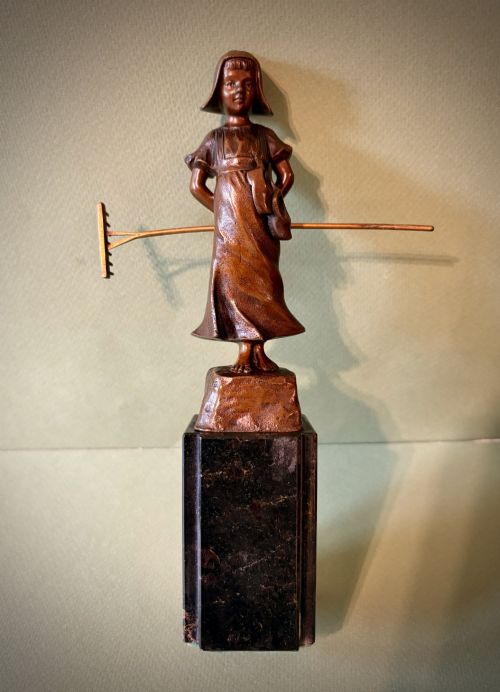
Makers often mounted completed bronze studies onto polished stone plinths made of marble or green onyx to provide stability and visual contrast. Fine detailing was achieved through careful hand-chiselling before the application of surface colour.
Antique Austrian Bronze Ornament Retail Price Guide 2026
Typical asking prices for austrian bronze ornament among the pieces listed under this phrase on Sellingantiques today, from the lower quarter to the upper quarter. They describe what is for sale here now, not the wider market.
You can acquire a miniature bronze frog, a dwarf miner holding a diamond, or a capercaillie.
Assessing quality
The distinction between tiers rests upon the crispness of the initial cast and the preservation of the delicate polychrome pigments. Superior examples display fine hand-chiselled feather or fur texture beneath the paint, whereas lesser items show softer contours and thicker, obscured surface detail.
Signatures, foundry marks, and Bergman amphora stamps elevate individual pieces by confirming workshop origin. The complexity of the subject matter and the naturalism of the pose also divide standard production pieces from masterworks.
Franz Bergman·Josef Lorenzl·Bruno Zach·Carl Kauba·Rudolf Küchler
The Antique Austrian Bronze Ornament Glossary
- Cold-painted bronze
- Bronze sculpture decorated with unfired paint applied over a metallic base layer. This technique requires great skill to ensure the pigment adheres securely to the metal over decades.
- Vienna bronze
- Small, highly detailed bronze figures produced by specialised foundries in Vienna during the late nineteenth and early twentieth centuries. These works frequently depict animals, human figures in orientalist attire, or humorous scenes.
- Spelter
- A zinc alloy frequently utilised as a less expensive alternative to bronze during the Art Deco period. It accepts metallic finishes and cold-painting effectively.
- Onyx base
- A natural stone plinth, often green in colour, used to support and elevate bronze sculptures and figurines. It provides a heavy, stable foundation for the artwork.
Antique Austrian Bronze Ornament: Frequently Asked Questions
Were these bronzes made as toys?
Despite their small size and whimsical subjects, these pieces were created as decorative ornaments and cabinet bronzes for adult collectors. Wealthy Victorians and Edwardians displayed them on desks, mantelpieces, and in specialised vitrines.
The intricate nature of the cold-painted decoration meant they were fragile display items rather than playthings for children.
How can I tell Vienna bronze from later copies?
Authentic period pieces exhibit the weight, tool marks, and specific layering of enamel paints characteristic of nineteenth and early twentieth-century Viennese foundries. Look for foundry ciphers, Bergman urn marks, or precise hand-chasing beneath the pigment.
Modern reproductions often feel lighter, feature uniform machine-applied paint, and lack the fine surface detailing achieved by period artisans.
What is the difference between bronze and spelter figures?
Bronze is a durable copper and tin alloy that accepts fine chisel work and ages with a deep natural patina. Spelter is a softer, zinc-based metal that was cheaper to produce and commonly utilised during the Art Deco era.
Underneath the painted surface, spelter is lighter and more brittle than genuine bronze, though both materials support detailed figurative casting.