


Antique Bronze Bird Paperweight
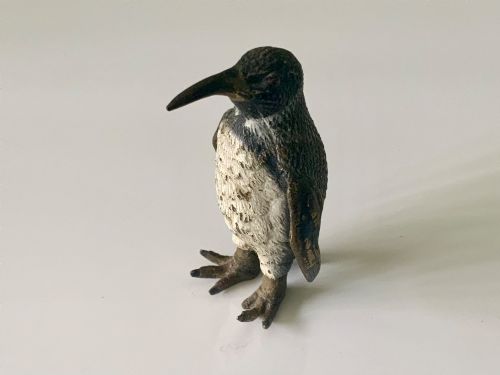
An antique bronze bird paperweight brings life to a desk, capturing creatures from penguins to pheasants in heavy metal.
Antique Bronze Bird Paperweight
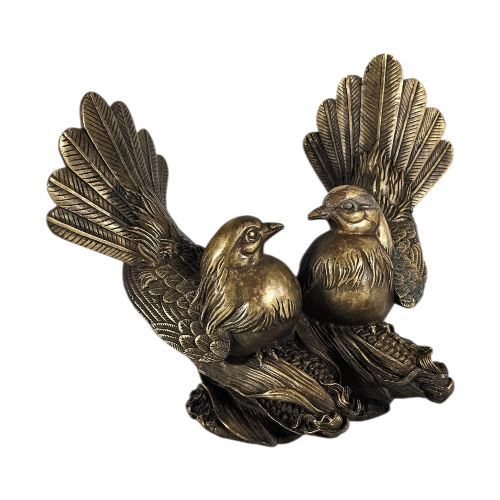
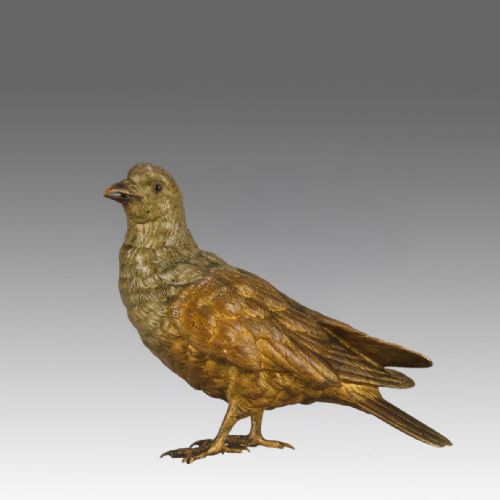
An antique bronze bird paperweight serves as both a practical desk accessory and a miniature sculpture, designed to secure loose papers while depicting avian forms. When exploring these pieces, buyers will frequently encounter Austrian cold-painted examples alongside Chinese bronze pigeon pairs bearing marks from the late Qing dynasty.
The selection spans from the mid nineteenth century through the early twentieth century, incorporating styles such as Viennese Animalier, Art Nouveau, and Austrian cold-painted bronze. Forms range from standalone figures to birds mounted on onyx plinths or paired with pin trays.
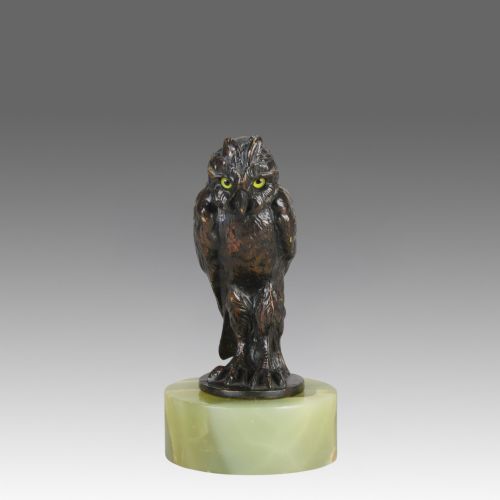
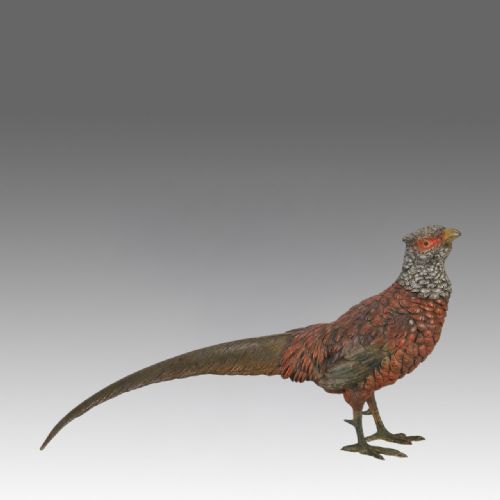
Makers and foundries represented in the listings include Carl Kauba, Franz Bergman, A.L. Barye, and Barbedienne, alongside unmarked Austrian workshop pieces. Subjects vary from kingfishers and blackbirds to owls, grouse, and parrots.
Assessing quality in bronze birds
The distinction between tiers of quality rests heavily on the nuance of the casting and the preservation of the hand-applied cold-paint. Superior examples exhibit crisp feather texturing and lifelike posture that reflect close observation of nature.
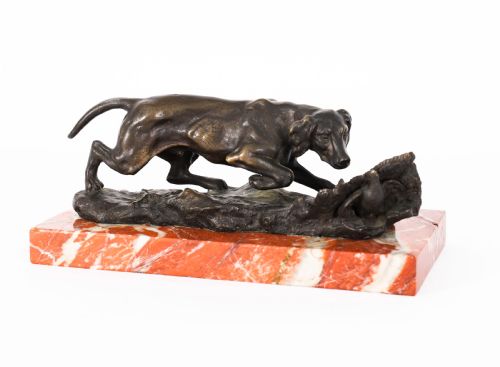
The integration of materials also defines the better pieces, such as a bronze figure mounted cleanly upon a polished onyx or marble plinth. Recognisable foundry marks or signatures from established makers elevate the standing of a desk accessory.
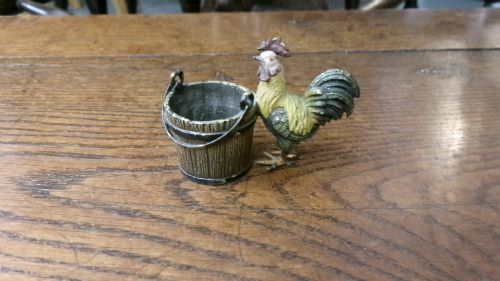
One industrious cockerel stands ready for action alongside its very own tiny bucket.
Carl Kauba·Franz Bergman·Barbedienne
The Antique Bronze Bird Paperweight Glossary
- Cold-painted bronze
- A method of painting bronze sculptures with unfired enamel paint applied directly to the cold metal surface. This technique was particularly popular among Viennese workshops in the late nineteenth and early twentieth centuries.
- Animalier
- A nineteenth-century art movement and style dedicated primarily to the realistic portrayal of animals. Sculptors in this tradition studied anatomy closely to capture creatures in dynamic or resting poses.
- Viennese bronze
- Small, highly detailed bronze sculptures produced in Vienna, often featuring whimsical or naturalistic animal subjects. These pieces frequently employ the cold-painting method to achieve vibrant colouration.
- Gilt bronze
- Bronze that has been treated with a thin layer of gold or gold-coloured alloy to give a rich, reflective metallic sheen. It appears on French desk accessories and sculptural studies.
- Plinth
- A heavy base of stone, marble, or onyx that supports a bronze sculpture or paperweight. It provides stability and visual elevation for the mounted figure.
Antique Bronze Bird Paperweight: Frequently Asked Questions
What is a cold painted bronze bird?
A cold painted bronze bird is a small metal sculpture finished with enamel paint applied without heat. These figures often served as decorative desk accessories or paperweights during the late nineteenth and early twentieth centuries.
The technique allowed makers to render realistic plumage on species ranging from kingfishers to pheasants, making them highly collectible decorative objects today.
How do I date an antique bronze bird?
Dating relies on stylistic clues, foundry marks, and the specific painting techniques used on the bronze. Pieces often date from the nineteenth century through the early twentieth century, reflecting Art Nouveau or Animalier tastes.
Examining the underside for signatures or examining the wear on the cold-painted surface provides further context for the period of manufacture.
Where were these bronze birds made?
Many of these pieces originated in Austrian workshops, particularly in Vienna, which became renowned for cold-painted animal figures. Other examples stem from French foundries and nineteenth-century Chinese manufacturing.
Origin is frequently indicated by the style of casting, the choice of mounting plinth, and any accompanying foundry stamps or artist signatures.
How should I display a bronze paperweight?
These pieces function naturally on a desk, tabletop, or within a cabinet alongside other small sculptures and desk accessories. Their compact size allows them to sit comfortably among books or papers.
Placing them away from direct sunlight helps preserve the delicate enamel colours on cold-painted surfaces over time.