


Painted Bronze Bird Figurine
These painted bronze bird figurine pieces bring lively avian detail to a desk or shelf through rich historical casting.
Painted Bronze Bird Figurine
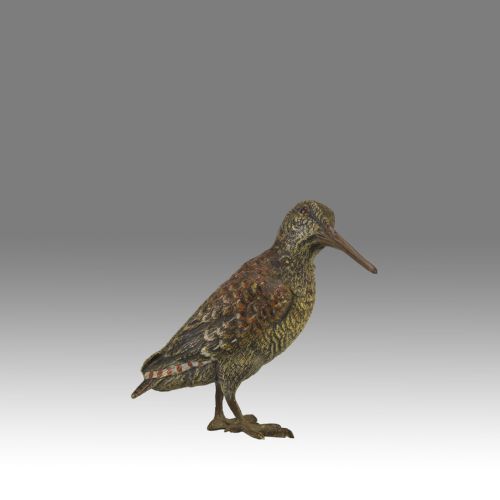
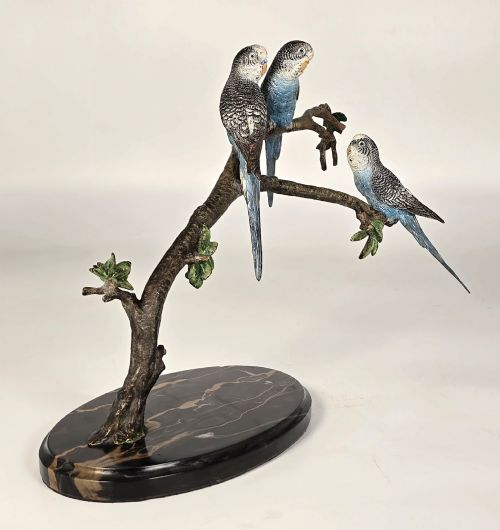
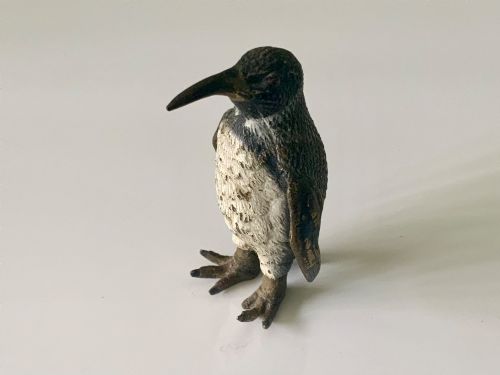
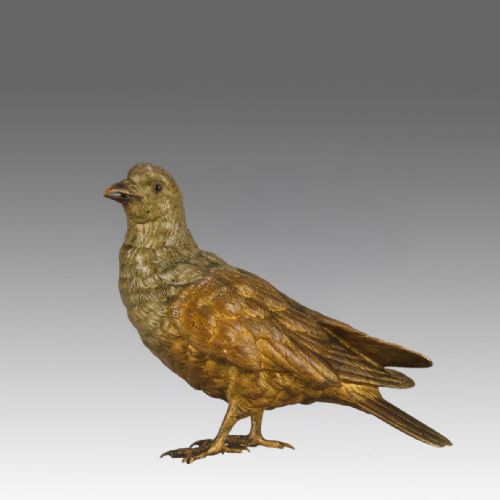
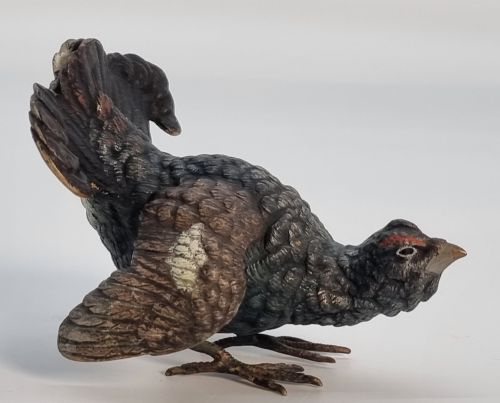
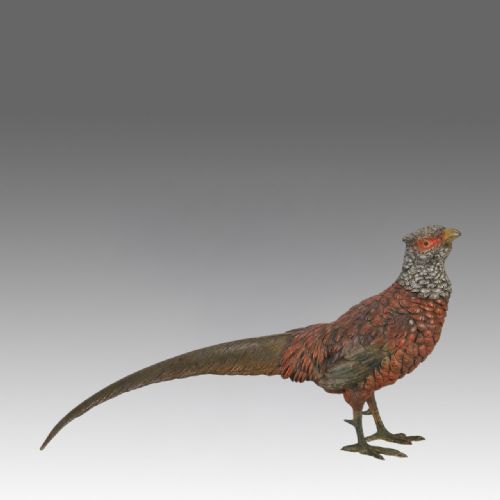
A painted bronze bird figurine represents avian subjects ranging from budgerigars and penguins to woodcocks and golden pheasants. These sculptures draw heavily on Viennese animalier traditions and Austrian cold-painted bronze techniques from the nineteenth and early twentieth centuries.
Most examples found here date from the early twentieth century, with pieces spanning the eighteen-fifties through to nineteen-thirty. Many function purely as desk sculptures, whilst others integrate into pin trays or sit atop marble and onyx plinths.
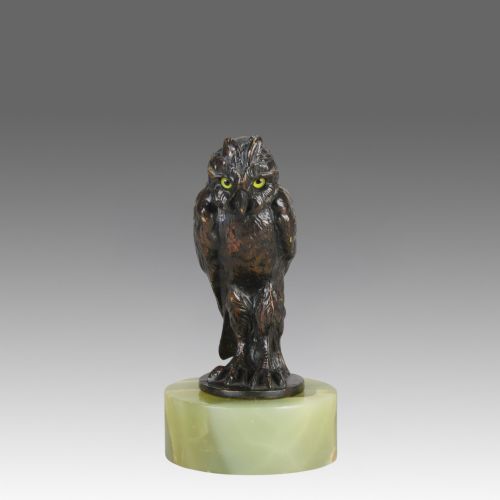
Collectors encounter single birds like the wise owl and standing blackbird alongside paired budgerigars and multi-bird branches. The craftsmanship captures both naturalistic postures and decorative charm across diverse European workshops.
Materials and production methods
Foundries cast these figures in bronze before applying detailed cold paint, enamel paint, or polychrome finishes by hand. This cold-painted method involved applying paint to unheated metal, which allows for intricate feather patterns and vibrant plumage colours.
Certain heavier compositions incorporate bases of marble or onyx to support the bronze sculpture or to serve as functional desk accessories like pin trays. The interaction between the metallic casting and the layered surface pigment defines the physical character of each piece.
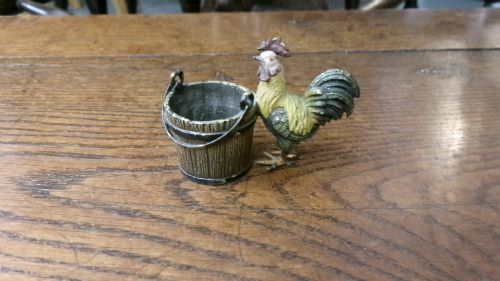
A tiny bronze cockerel comes equipped with its own bucket, ready for avian farmyard chores on your desk.
Assessing quality in cold-painted bronzes
The finesse of the hand-applied polychrome paint and the crispness of the bronze chasing separate standard castings from exceptional works. Superior examples display subtle shading on feathers and retain vibrant surface pigments across the bird's body.
The presence of maker signatures or foundry marks, such as those associated with Franz Bergman, elevates a piece significantly. Furthermore, integration with fitted stone plinths or functional desk items like carved onyx bases distinguishes more ambitious studio output.
Franz Bergman
The Painted Bronze Bird Figurine Glossary
- Cold-Painted Bronze
- A bronze sculpture decorated with unfired paint applied directly to the metal surface. This technique allows for polychrome detail that would not survive traditional kiln firing.
- Vienna Bronze
- Small-scale bronze figures produced by Viennese foundries during the late nineteenth and early twentieth centuries. These pieces are renowned for naturalistic animal subjects and meticulous hand painting.
- Animalier
- A nineteenth-century artistic genre focused on the realistic depiction of animals. Sculptors in this tradition studied anatomy closely to capture birds and beasts in lifelike poses.
- Plinth
- A heavy base supporting a statue or ornament. In these collections, plinths are frequently fashioned from polished onyx or marble to provide stability and visual contrast.
Painted Bronze Bird Figurine: Frequently Asked Questions
How do I display these figures?
These figures suit placement on wooden desks, bookshelves, and mantelpieces where their compact scale can be appreciated up close. Some examples incorporate onyx plinths or function as pin trays.
Placing them away from direct sunlight protects the delicate cold-painted pigments from fading over time.
Are these pieces signed?
Certain examples bear maker marks or foundry signatures, such as the urn stamp associated with Franz Bergman. These marks typically appear discreetly on the underside or base of the casting.
Unsigned pieces remain common and reflect the wider output of Viennese and European animalier workshops from the period.
How do I distinguish nineteenth-century pieces?
Earlier works from the nineteenth century often display heavier casting weight and distinct naturalist styling influenced by contemporary animalier sculpture. The patination and wear patterns on the cold paint also indicate age.
Comparing the specific bird species and mounting style helps place the piece within the eighteen-fifties to nineteen-thirties timeline.