
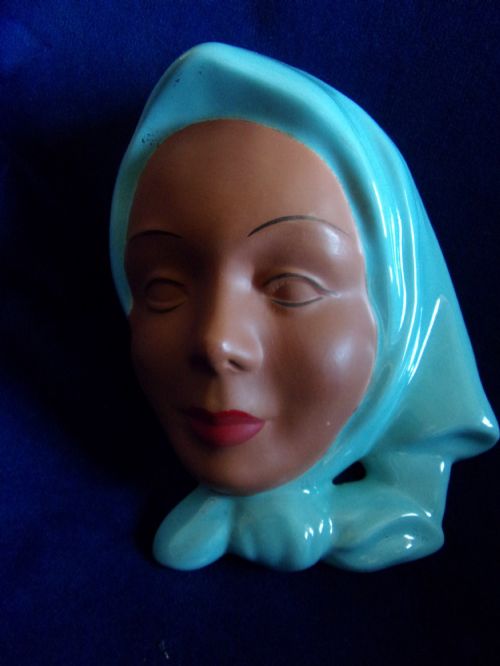


Terracotta Head Sculpture
A terracotta head sculpture brings raw, modelled character to a room, ranging from classical portrait busts to folk art figures.
Terracotta Head Sculpture
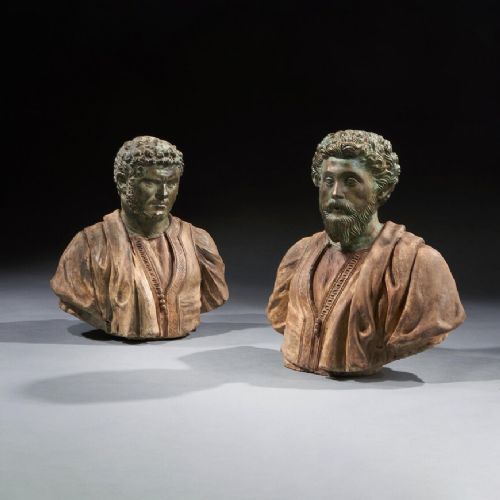
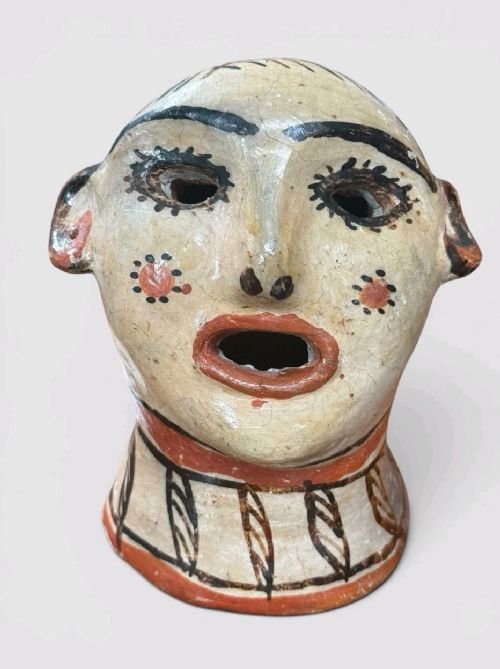
A terracotta head sculpture captures human and animal likenesses shaped from clay and fired into lasting form. When you search for this phrase, you encounter everything from classical revival portraits to folk art figures and theatrical props.
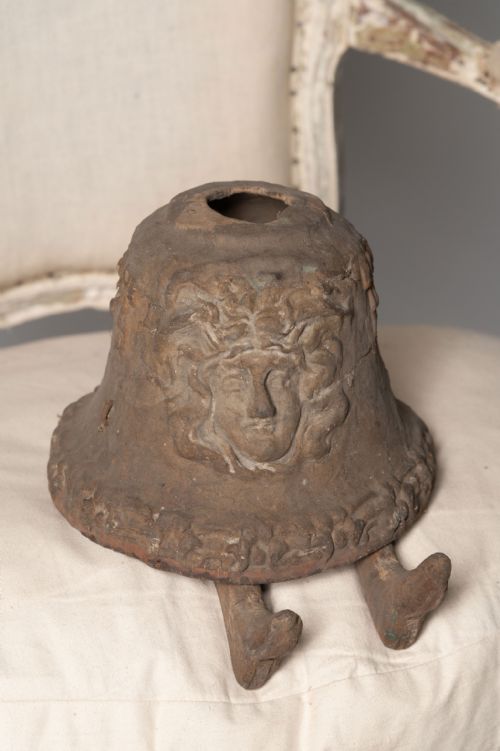
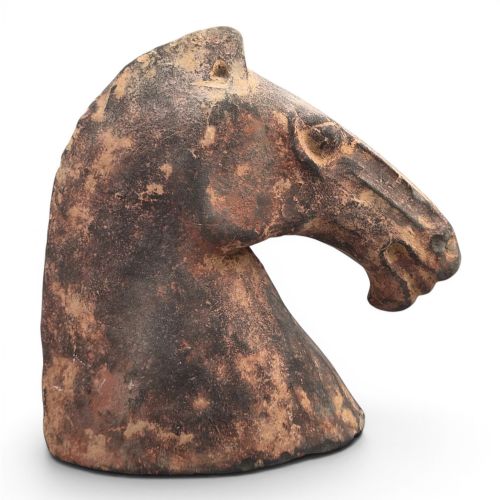
The pieces on this page span several centuries, with a strong representation of nineteenth-century portrait busts and 1930s art deco wall masques. You will also find regional variations including Peruvian clay pottery and Chinese funerary types.
Forms vary widely between free-standing desk busts, architectural wall sculptures, and decorative tent pole tops. Each format offers a distinct way to introduce sculptural form into an interior.
How they were made
Makers shaped these pieces primarily from clay and earthenware, sometimes reinforced with plaster or finished with a wood base. Modelling involved hand-shaping or pressing clay into moulds before kiln firing.
Surface treatments add depth and colour, using applied paint, pigment, or verdigris patina to simulate aged bronze or stone. Some works feature metallic bronzing directly over the terracotta substrate.
The selection includes diverse global origins, from French art deco busts to Peruvian folk art and Chinese dynastic tomb figures.
What varies in quality
The integrity of the surface finish also distinguishes better examples, where original pigments or patinas remain undisturbed and stable. Signed works by documented modellers carry distinct artistic weight compared to anonymous workshop pieces.
Gilbert Privat·Antonio Rossellino·Georges Morin·Bohumil Rezl·HL Blasche for Reps and Trinte
The Terracotta Head Sculpture Glossary
- Terracotta
- Fired clay used for sculptural and architectural objects. It ranges in colour from pale buff to deep reddish-brown depending on the iron content of the clay.
- Bust
- A sculpted representation of a person from the chest or shoulders up. This format focuses attention entirely on facial expression and headwear.
- Wall masque
- A decorative sculpture designed to be hung flat against a wall, often modelled in relief. These pieces frequently draw on theatrical or art deco aesthetics.
- Patina
- The surface appearance acquired by materials through age, handling, or deliberate chemical treatment. On these sculptures, it often mimics bronze or weathered stone.
- Mingqi
- Chinese spirit objects placed in tombs to accompany the dead, including terracotta figures and animal heads. They reflect ancient burial traditions.
Terracotta Head Sculpture: Frequently Asked Questions
Are these sculptures suitable for outdoor display?
Most antique and vintage terracotta pieces are designed for interior use because freezing temperatures cause absorbed moisture to expand and crack the fired clay.
Display them indoors away from direct sunlight to preserve any applied paint or verdigris patina.
How can I tell the period of a bust?
Examine the style of the hair, clothing, and base, which often reflect the prevailing aesthetic of periods like art deco or the nineteenth century. Tool marks and the composition of the clay underneath also offer clues to age.
Signatures or inscribed dates provide the clearest indication of when a piece was modelled.
What is the difference between terracotta and plaster?
Terracotta is made from fired clay, giving it a weight, porous texture, and warm earthen colour. Plaster is a softer gypsum-based material that is cast rather than fired in a kiln.
Sculptors sometimes painted plaster to resemble terracotta, so close inspection of the base or chips helps confirm the material.