
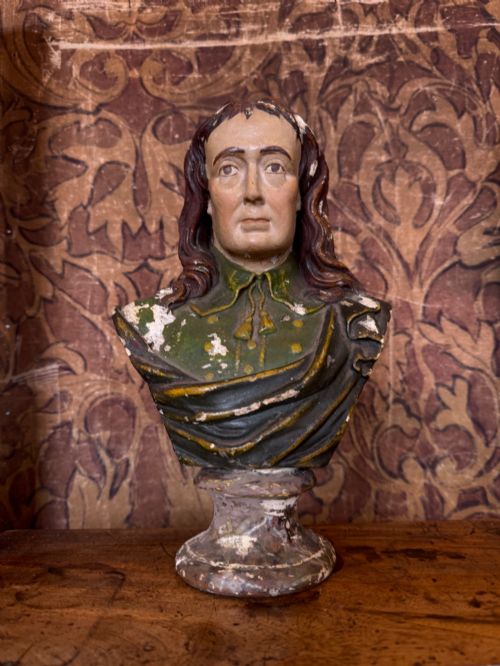
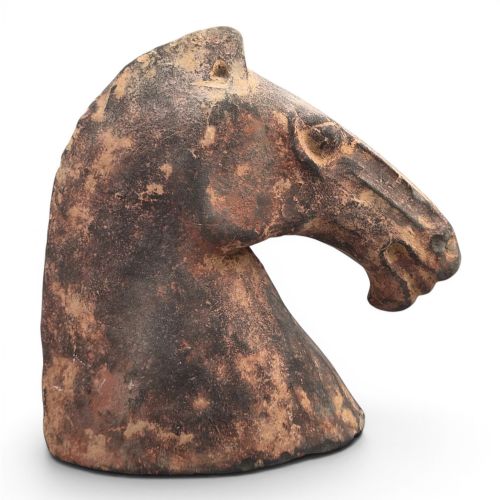


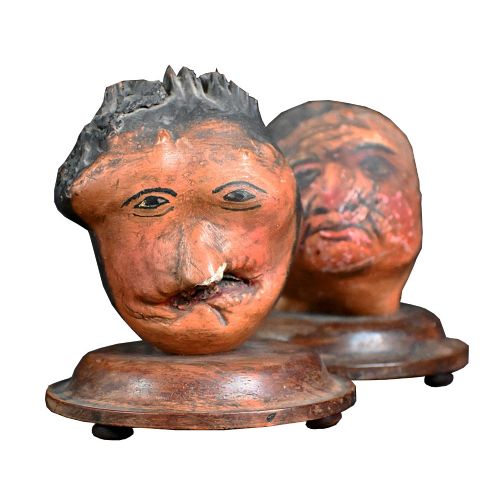


Brown Terracotta Bust
A brown terracotta bust captures form and character in fired earth, offering expressive texture and enduring interior presence.
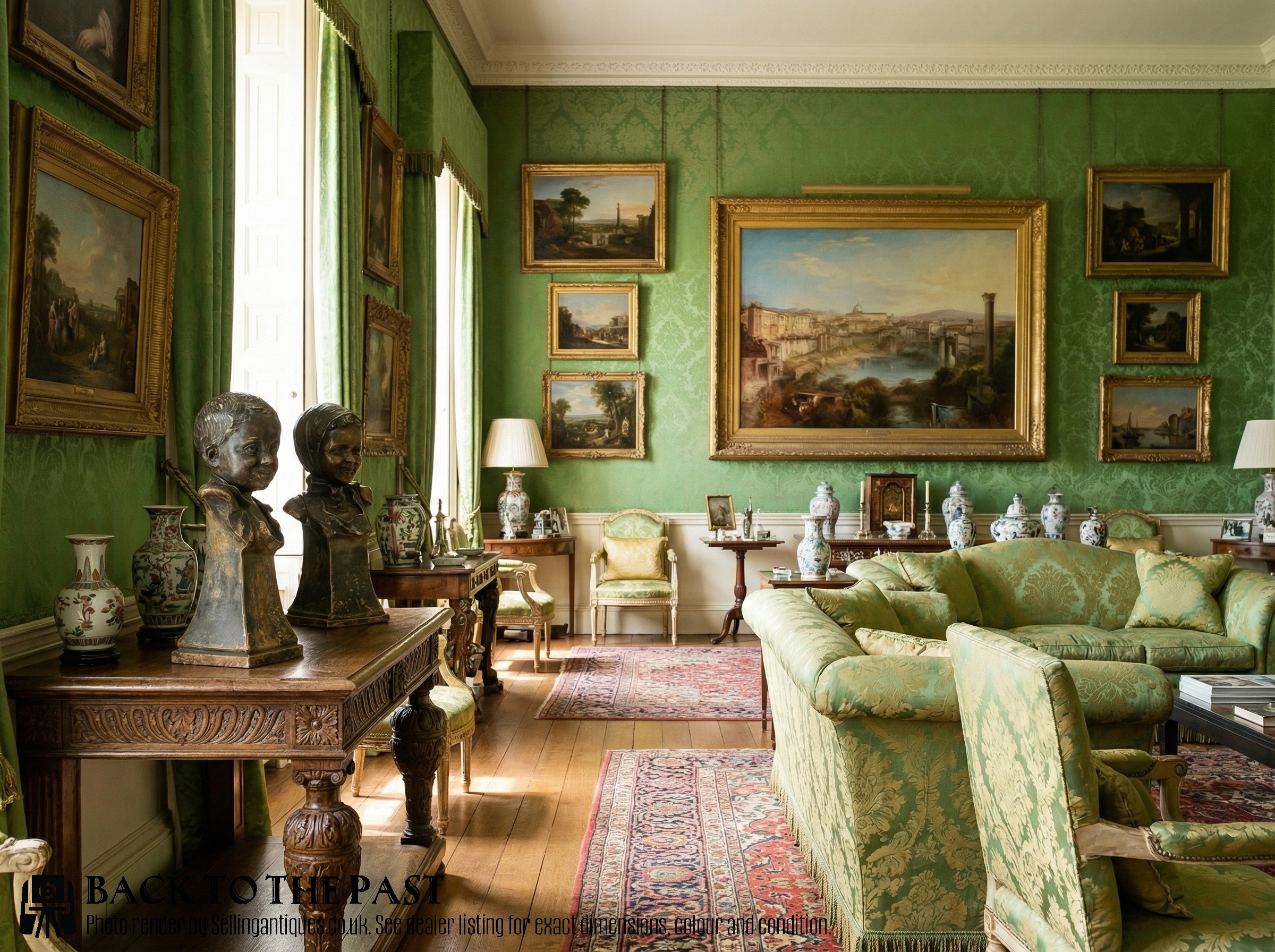
Brown Terracotta Bust
A brown terracotta bust represents human or animal subjects modelled in clay and fired to a durable finish, spanning periods from early antiquities to the twentieth century. These sculptures range from life-size gallery pieces to smaller decorative works depicting female beauties, gentlemen, and folk art figures.
Makers such as Gilbert Privat, Georges Morin, Pietro Calvi, and A.Gory appear among the listings, demonstrating the breadth of sculptural talent working in this medium. Each brown terracotta bust brings distinct sculptural weight and patination to a room, whether rendered in natural earth tones or accented with paint and pigment.

How they were made
Makers shape these sculptures from clay, earthenware, or plaster before firing or setting the material to achieve a solid sculptural body. Many pieces receive a surface treatment of paint, pigment, or glaze to enhance tonal depth and mimic patinated bronze or stone.
Artists often mount these figural works on integrated socles or separate wooden bases to provide stability and elevation. The handling of the clay reveals the sculptor's hand through expressive modelling and textural tool marks left on the surface.
Listings span multiple eras, incorporating pre-sixteenth century antiquities alongside Edwardian, Art Nouveau, and 1930s modernist sculptures.
What varies in quality
The finesse of the modelling separates masterworks from simpler productions, with superior examples displaying subtle musculature, sensitive facial expressions, and precise anatomical detail. Artists who capture personality and movement elevate a sculpture beyond standard decorative output.
Original surface preservation dictates desirability, where untouched pigment, stable glazes, and natural earthenware patination retain historical integrity. Signatures and foundry or maker marks add documented provenance that distinguishes named sculptors from anonymous workshop output.
Gilbert Privat·Georges Morin·Pietro Calvi·A.Gory
The Brown Terracotta Bust Glossary
- Terracotta
- A porous, brownish-red fired clay used for sculptural and architectural works. This material hardens in a kiln and often receives painted or glazed finishes.
- Bust
- A sculptural representation of a person's upper chest, neck, and head. This format focuses attention on facial expression and likeness.
- Mingqi
- Chinese burial goods placed in tombs to accompany the deceased into the afterlife. These figures often include earthenware representations of animals and attendants.
- Patination
- The natural or artificial ageing of a surface that creates tonal variation and depth. On earthenware, this develops through handling, pigment application, and time.
- Socle
- A short plinth or pedestal supporting a bust or sculpture. This architectural base lifts the artwork and provides visual grounding.
Brown Terracotta Bust: Frequently Asked Questions
How do I clean a terracotta bust?
Dust the surface gently with a soft, dry brush to prevent dirt accumulation in recessed carved details. Avoid using water or liquid cleaners on porous earthenware and painted finishes.
Keep the sculpture away from damp environments and direct heat sources to protect the structural integrity of the fired clay.
How do I tell different periods apart?
Examine the stylistic markers, clothing, and hair styling, which typically reflect the prevailing aesthetics of movements such as Art Nouveau or Art Deco. Signatures and foundry stamps provide direct chronological anchors when present on the base.
Material composition also offers clues, as ancient tomb figures use distinct earthenware formulas compared to nineteenth-century gallery bronzes or plaster casts.
Are all terracotta busts solid clay?
Many sculptures are hollow-built to ensure even drying and firing in the kiln, reducing weight and preventing cracking. Larger works often utilise armature frameworks or plaster cores for internal stability.
Weight varies considerably depending on whether the piece is solid terracotta, hollow earthenware, or reinforced plaster.