






Antique Musical Figurine
These antique musical figurine pieces combine sculpture and sound imagery, offering charming character for collectors of 19th-century and early 20th-century decorative art.

Antique Musical Figurine
When you search for an antique musical figurine, you encounter sculptural representations of musicians, cherubs playing instruments, and dancers produced across the nineteenth and early twentieth centuries. These figures capture instruments such as the harp, piano, triangle, and mandolin in bronze, porcelain, and terracotta.
The selections on this page range from Victorian porcelain lace groups and Dresden figures to cast bronze cherubs and terracotta busts after Pietro Calvi. Stylistic influences span from Rococo Revival and Classical Revival to Art Nouveau and Art Deco.
Most examples originate from the 19th century and the Edwardian era, though figures extend into the 1920s and 1930s. Buyers will find individual figures as well as matched pairs suitable for mantelpieces and cabinet display.
Materials and construction methods
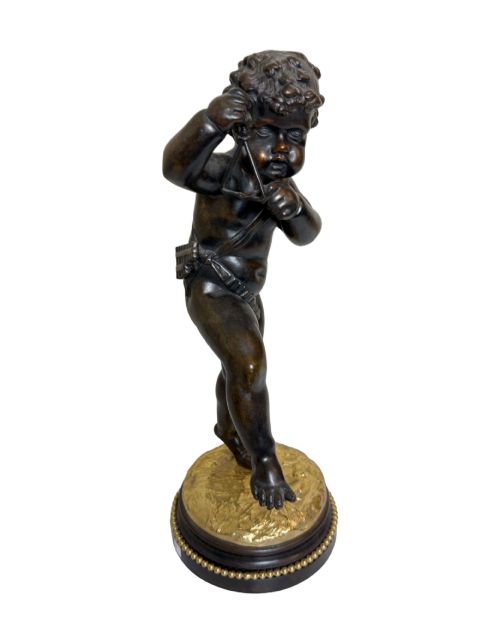
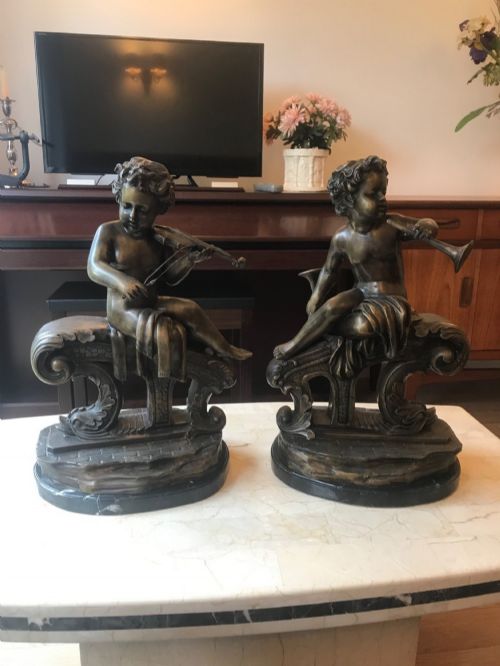
Metal pieces rely on bronze casting, sometimes highlighted with gold leaf or rendered as gilt bronze alongside marble bases. Bronze sculptures depict figures like the Pied Piper and cherub musicians with detailed tooling.
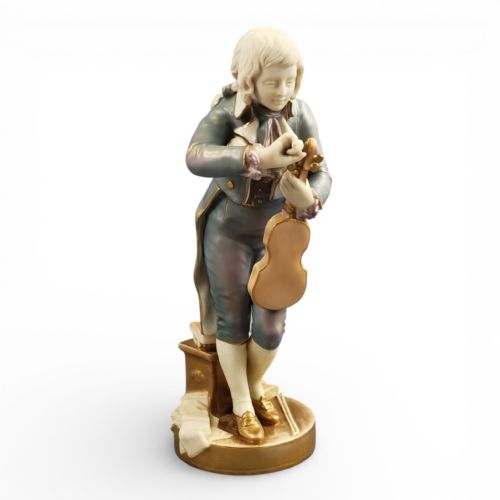
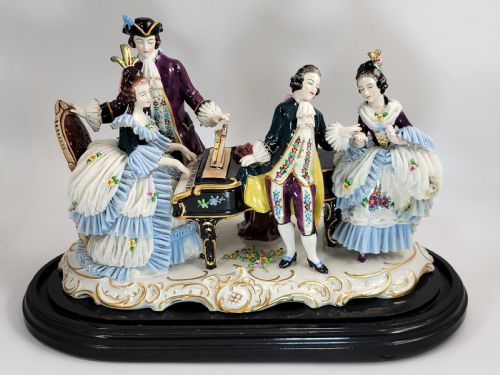
Ceramic examples utilise porcelain and terracotta, incorporating delicate porcelain lace techniques and enamel decoration. Factories shape figural groups around pianos, harps, and stringed instruments with painted and glazed surfaces.
Object types span porcelain figurines, decorative groups, bronze sculptures, and life-size terracotta busts.
Factors of distinction
Quality separates in the crispness of the casting for bronzes and the intricacy of the modelling for porcelain lace groups. Finer works display minute attention to facial expressions, instrument details, and drapery.
Attribution to known makers or notable factories influences the standing of a piece within its period. The finesse of hand-painted enamels and the preservation of delicate ceramic elements distinguish superior items.
Bourdois and Bloch Paris·Royal Worcester·Ernst Bohne Sohne·Meissen·Josef Lorenzl
The Antique Musical Figurine Glossary
- Porcelain lace
- A technique where real lace dipped in liquid porcelain is fired in a kiln, leaving a delicate ceramic textile effect. This method appears on elaborate figural groups.
- Rococo Revival
- A design style drawing on mid-eighteenth-century ornamentation with asymmetric curves and natural motifs. It heavily influences Victorian decorative figurines.
- Putto
- A plump, naked male child figure, frequently depicted with wings and musical instruments such as triangles or harps. These appear often in bronze and porcelain groupings.
- Terracotta
- Fired clay used for sculptural busts and figures, sometimes left unglazed to show the warm earth tone. It allows for lifelike texture in portraiture.
- Gilt bronze
- Metal alloy treated with a thin layer of gold for a lustrous surface finish. This material highlights details on decorative sculptures.
Antique Musical Figurine: Frequently Asked Questions
What materials are used in these figures?
The pieces utilise bronze, porcelain, terracotta, marble, and gold leaf. Many incorporate enamel work for added colour and surface detail.
Ceramic examples often feature delicate porcelain lace, while metal works are cast in bronze and gilt bronze.
How do I identify the period of a figure?
Periods are identified through stylistic cues such as Rococo Revival curves or Art Deco lines. Material usage and manufacturing techniques also point to specific eras.
Nineteenth-century pieces often display classical motifs, while Edwardian and later 20th-century items reflect changing artistic movements.
Are these figures sold as pairs?
Some listings offer matched pairs of bronze cherub musicians or porcelain figures. Other entries present individual sculptures and busts.
Pairs were typically designed for symmetrical placement on mantelpieces or side tables.
What subjects are commonly depicted?
Common subjects include cherubs playing musical instruments, allegorical figures with harps and pianos, and genre scenes of musicians. Figures like the Pied Piper and mandolin players also appear.
These depictions draw from classical mythology, pastoral themes, and historical characters.