


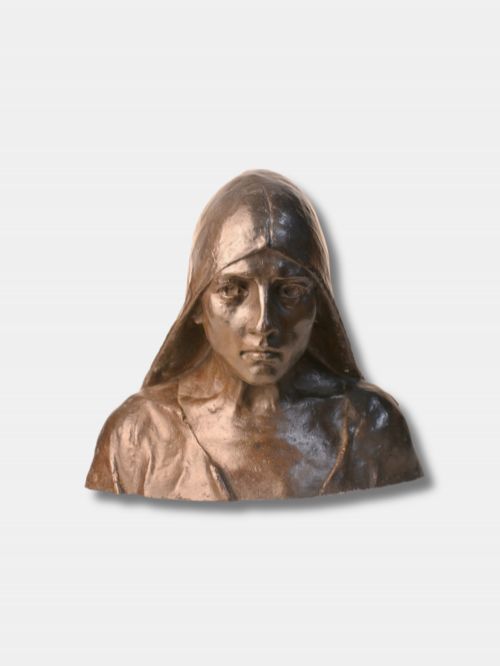

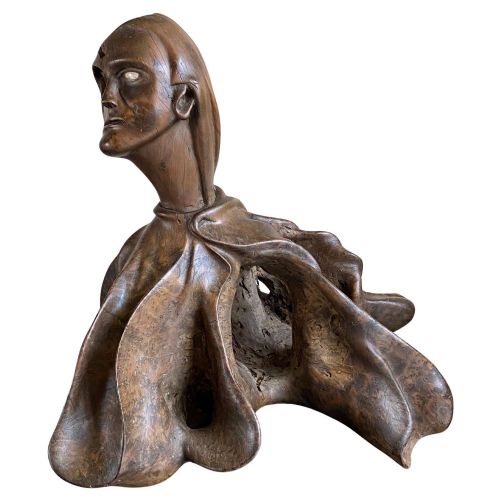


Antique Figurative Bust
An antique figurative bust captures human character in bronze, marble, and carved wood, bringing immediate presence and historical narrative into a room.
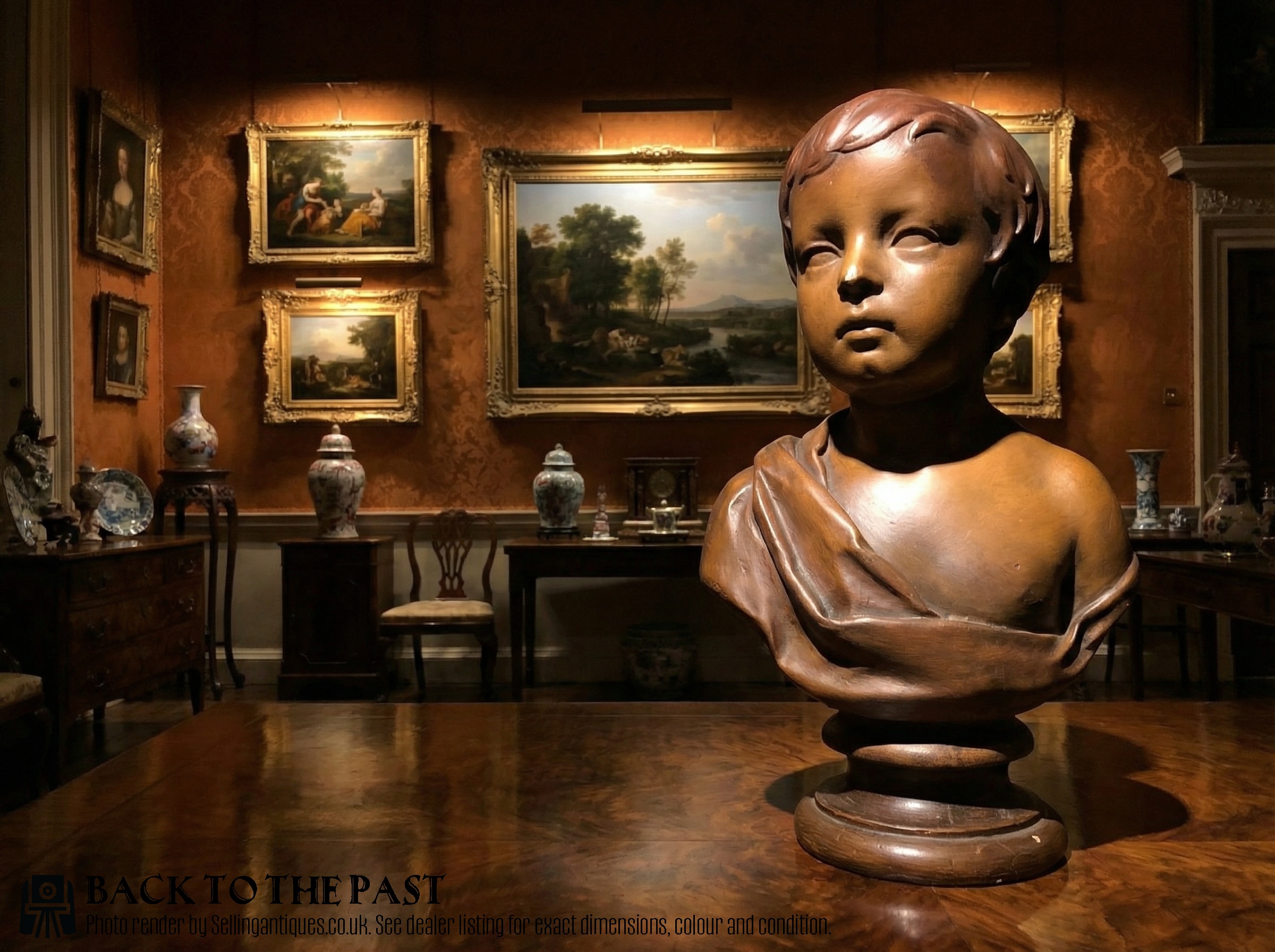
Antique Figurative Bust
An antique figurative bust represents the head, neck, and shoulders of a human subject, translating individual likeness and expression into permanent media. These pieces range from miniature studies to life-size portraits created during the Georgian, Victorian, and early twentieth-century periods.
The selection here encompasses diverse regional and stylistic expressions, including French Neoclassical works, Art Nouveau interpretations, and vernacular Folk Art carvings. Portrait subjects span young girls, medieval women, and historical figures executed in varied sculptural traditions.
Most examples originate from European workshops, featuring foundry-cast metals alongside hand-carved timber, alabaster, and terracotta. Collectors encounter both signed works by known sculptors and unsigned character studies reflecting broader period aesthetics.

Materials and construction methods
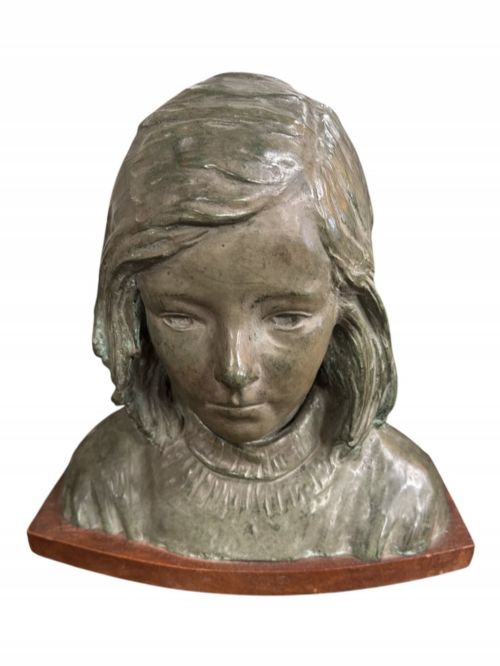
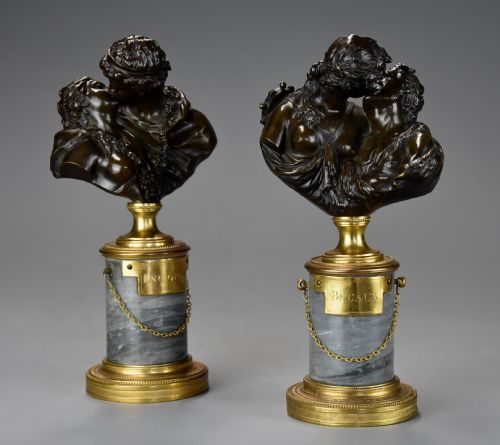
Metals such as bronze and bronzed metal utilise traditional casting techniques to capture fine surface detail in hair, drapery, and expression. Foundry patination then provides rich tonal depth to the finished metal surface.
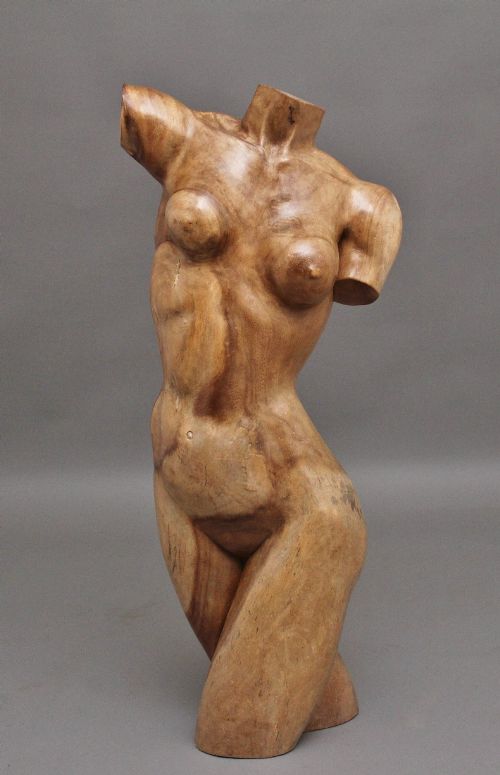
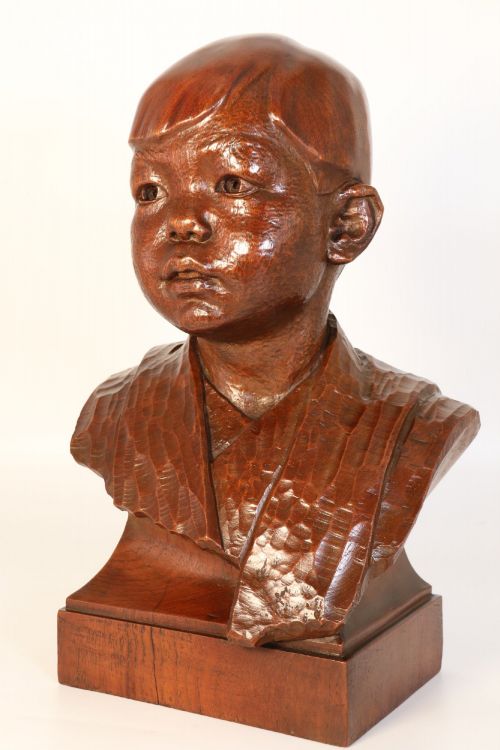
Carved pieces rely on direct subtraction from natural materials including marble, alabaster, walnut, yew burr, and general wood. Skilled artisans worked the grain and veining to accentuate the anatomical contours of the subject.
Terracotta and plaster works involve modelling soft clay or casting plaster into moulds before firing or curing. These mediums allow for tactile immediacy and expressive surface textures handled directly by the maker.
Listings feature works spanning the Georgian, Victorian, and early twentieth-century periods, alongside Art Nouveau and Folk Art movements.
Distinctions in execution and detail
Quality rests primarily in the sensitivity of the carving or casting, where master hands achieve subtle anatomical realism and convincing psychological depth. Softer modeling or blunt chisel work diminishes the liveliness of the expression.
The choice and preparation of the raw material dictate longevity and aesthetic impact, from finely grained alabaster to dense, unblemished bronzes. Surface finishes, whether patinated metal or polished stone, require expert handling to preserve definition across the contours.
George Henry Paulin RBS·Emile Jespers·Gilbert Privat·Boudewijn Tuerlinckx·George Van Der Straeten·J Camus·Pietro Calvi·Emmanuel Villanis·Henri Plé·Eugene Laurent
The Antique Figurative Bust Glossary
- Patination
- The chemical or natural treatment applied to metal surfaces to alter colour and provide protection. It enhances the visual depth of bronze portraits.
- Terracotta
- Fired clay used for sculptural modelling. This baked earthenware captures immediate hand-worked details.
- Lost-wax casting
- A method for creating metal sculptures from an original model. It ensures accurate reproduction of intricate sculptural forms.
- Folk art
- Objects created by self-taught or vernacular makers outside academic traditions. These pieces often employ local timbers and direct carving methods.
Antique Figurative Bust: Frequently Asked Questions
How do I display a heavy stone bust safely?
Place heavy marble and alabaster pieces on stable, weight-bearing furniture such as a strong sideboard or dedicated pedestal. Ensure the centre of gravity remains centred and protected from accidental knocks.
Avoid high-traffic hallways where movement risks destabilising unsecured heavy sculptures. Position the piece away from direct heat sources that might cause thermal stress in stone.
What is the difference between terracotta and bronze?
Terracotta is fired clay offering a matte, porous texture that records the direct touch of the sculptor. Bronze is a metal alloy formed through casting, providing durability and a reflective patinated surface.
While terracotta remains sensitive to impact and moisture, bronze withstands handling and environmental changes much more readily.
How do I identify Art Nouveau styling?
Art Nouveau works typically feature flowing, organic lines inspired by natural forms like plant stems and hair tendrils. Busts from this movement often incorporate stylized drapery and poetic titles.
Look for sinuous curves and expressive characterisation that prioritise mood and decorative harmony over strict classical realism.