



Neoclassical Plaster Statue
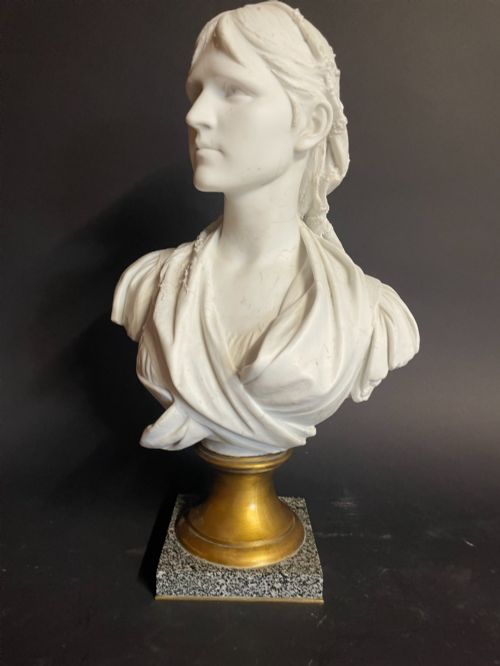
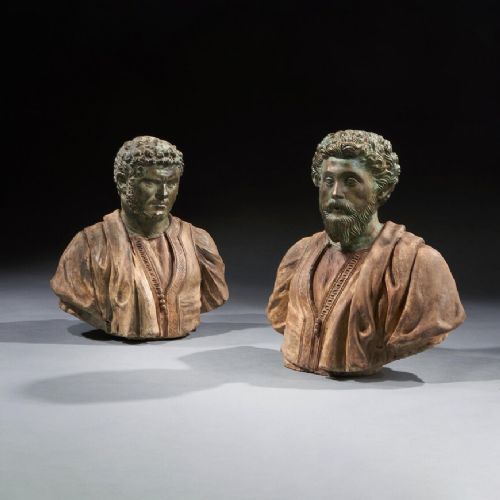
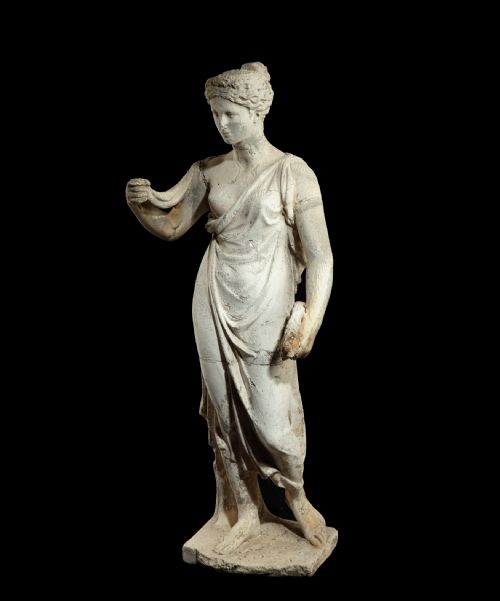
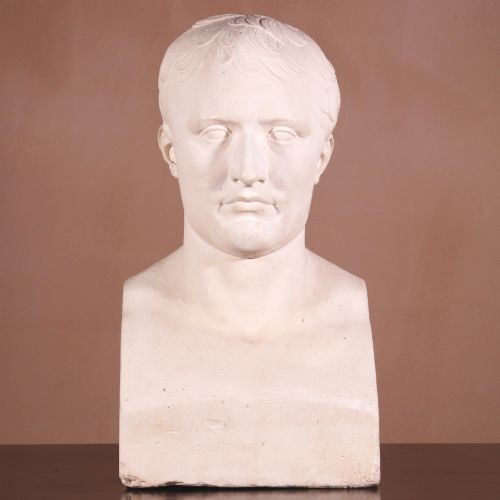
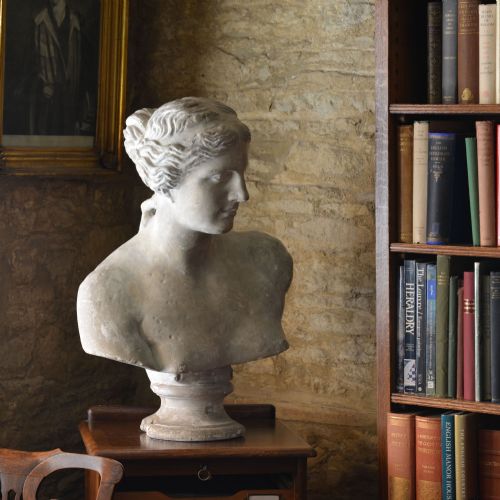
These neoclassical plaster statue examples capture classical ideals in crisp relief, offering instant architectural dignity to a room.
Neoclassical Plaster Statue
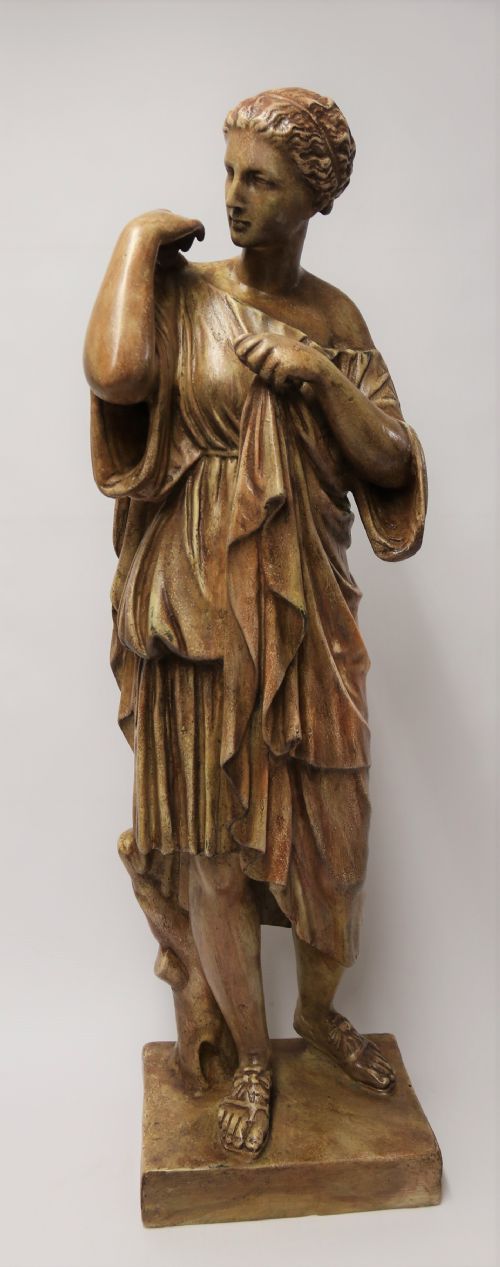
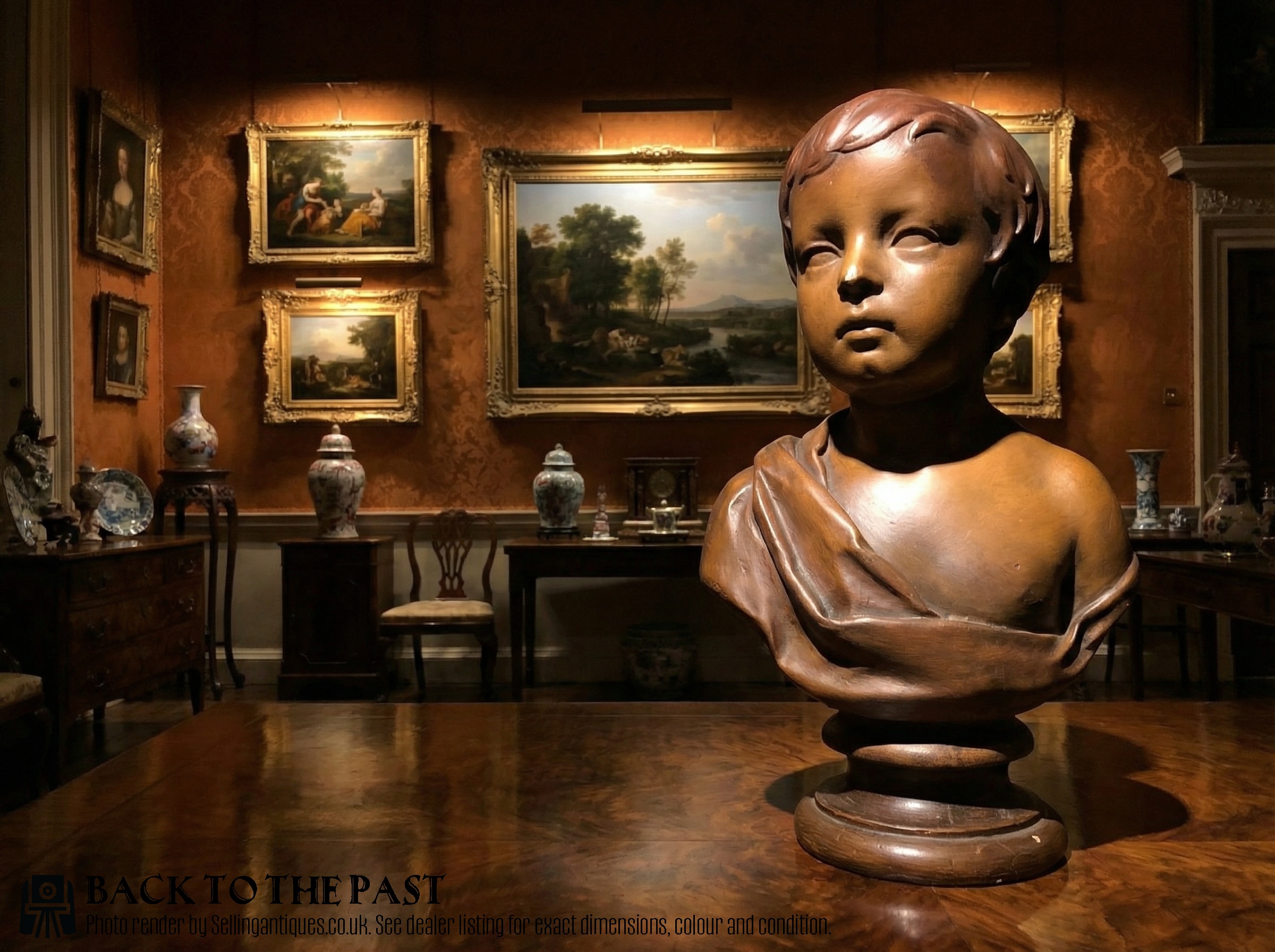
A neoclassical plaster statue brings antiquity directly into an interior, drawing on classical forms and figures. These pieces take the shape of library busts, full figures, pairs of muses, and sculptural groups representing historical and mythological subjects.
The selection ranges from portraits of Roman emperors such as Marcus Aurelius and Augustus to literary figures like Homer and Walter Scott. Alongside these sit mythological deities including Venus de Milo, Diana the Huntress, and the Dancing Faun.
Most examples found here date from the nineteenth century, alongside Georgian, Regency, and early twentieth century interpretations. Buyers also encounter terracotta and stucco variants alongside traditional plaster compositions.
Materials and construction
Plaster, gypsum, and stucco form the primary bodies of these sculptures, often cast from moulds taken of classical antiquities or original models. Some pieces incorporate painted finishes, patination, or brass components to enhance surface detail.
Terracotta and marble occasionally appear alongside plaster in sculptural works, while granite and glass provide alternate bases or supports. Wood and paint contribute to the pedestals and brackets that elevate the figures.
Listings span the Georgian, Regency, Victorian, and early twentieth century periods, utilising plaster, terracotta, brass, marble, and paint.
Distinctions in quality
The sophistication of the surface finish also separates standard studio work from superior examples. Original patination, careful hand-finishing, and integrated pedestals or brackets elevate the presence of the piece.
The Neoclassical Plaster Statue Glossary
- Plaster
- A building and casting material made from gypsum, used extensively for sculptural figures and library busts. It takes fine detail well from moulds.
- Torchere
- A tall ornamental stand or candlestick, sometimes listed alongside figures as part of a sculptural arrangement. These objects support lighting or display items.
- Grand Tour
- A cultural journey undertaken by wealthy young Europeans in the nineteenth century, resulting in the acquisition of small-scale classical art. Figures of the Dancing Faun often stem from this tradition.
- Caryatid
- A sculpted female figure serving as an architectural support in place of a column or pier. French examples often appear in pairs with pedestals.
- Stucco
- A fine plaster mixture used for decorative mouldings and sculptural figures. It allows for smooth surfaces on Regency and nineteenth century works.
Neoclassical Plaster Statue: Frequently Asked Questions
Where should I display a plaster bust?
These busts suit library shelves, brackets, mantelpieces, or dedicated pedestals where adequate height allows proper viewing of facial details. Placing them away from direct heat sources helps preserve the plaster and any painted surface.
Pairing a classical figure with architectural woodwork or neutral walls enhances its presence in a room. Ensure the support is stable enough to bear the weight of larger library pieces.
How do I clean nineteenth century plaster?
Dusting gently with a soft, dry brush or a feather duster is the safest method for maintaining unglazed plaster surfaces. Avoid using water or liquid cleaning solutions, as moisture penetrates porous plaster and causes permanent staining.
Professional restoration remains the best route for addressing heavier grime or structural cracks. Gentle maintenance preserves the original patina and surface texture built up over decades.
What is a library bust?
A library bust is a sculptural portrait of a historical, literary, or mythological figure designed specifically for display within a domestic study or library. Common subjects include poets, philosophers, emperors, and statesmen.
These pieces often feature inscribed brackets or pedestals identifying the sitter. They reflect the classical education and refined tastes of nineteenth century collectors.
How do I identify Regency pieces?
Regency sculptures often show precise adherence to ancient Greek and Roman models, reflecting the neoclassical taste of the early nineteenth century. Works associated with makers like Humphrey Hopper frequently display sharp casting and classical drapery.
Examining the base, material composition, and any associated mounting hardware helps distinguish Regency output from later revival periods.