



Antique Plaster Head
An antique plaster head brings classical gravitas, historical portraiture, and striking sculptural form straight into a room.
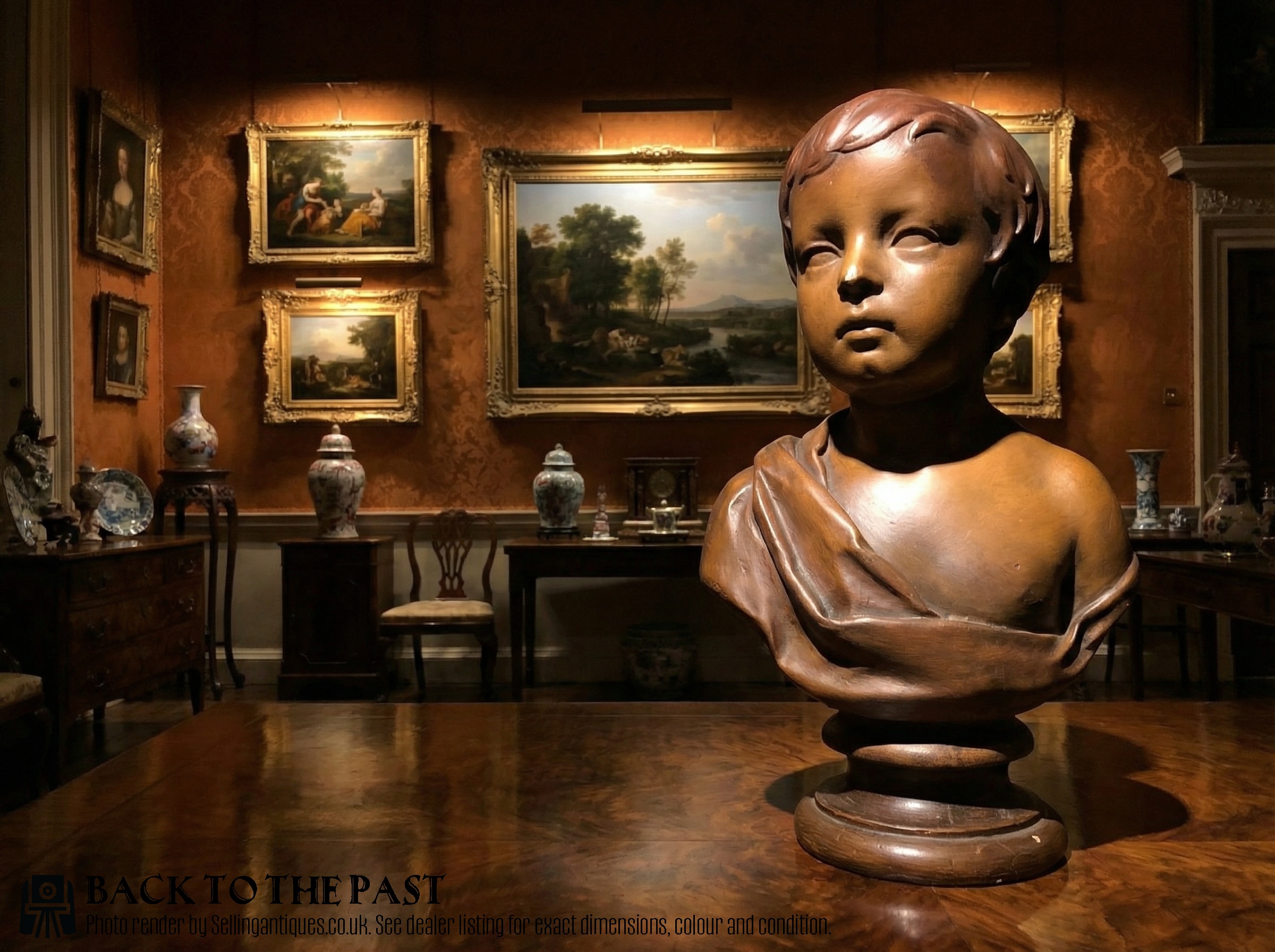
Antique Plaster Head
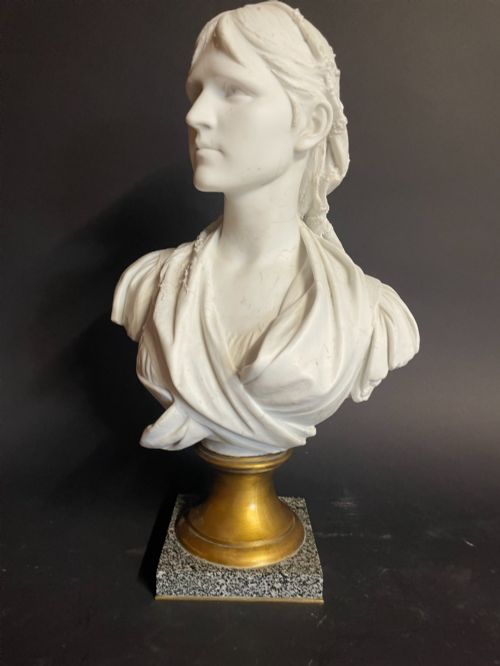
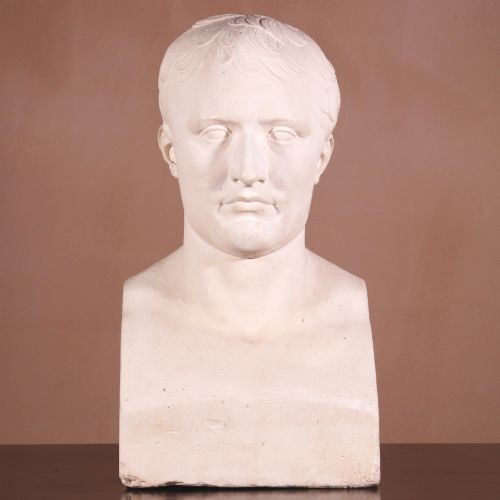
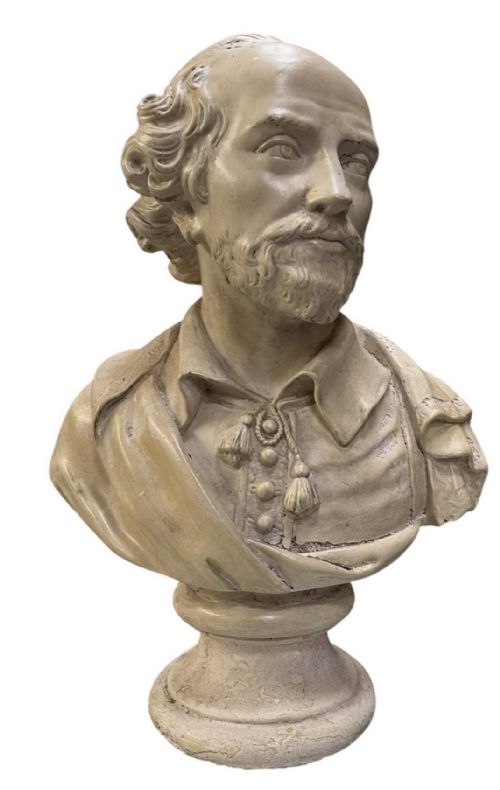
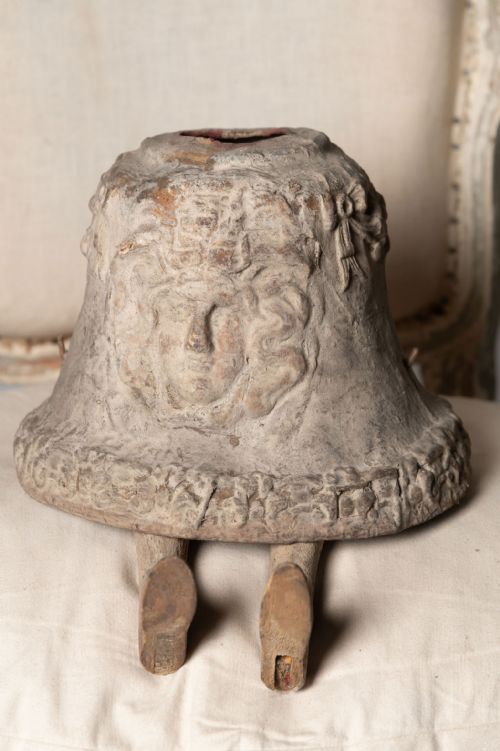
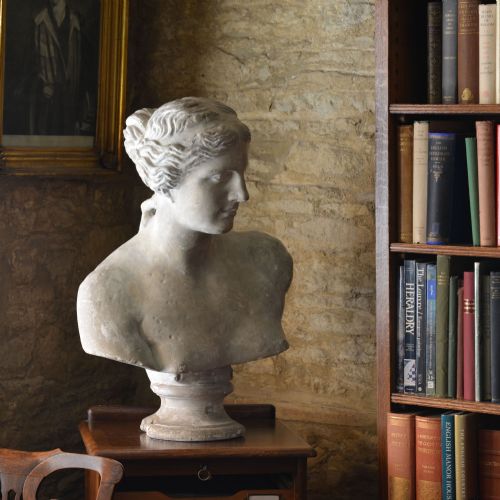
An antique plaster head covers a diverse array of sculptural forms, portrait busts, and theatrical props found on this page. These pieces span the nineteenth century through the art deco era, encompassing neoclassical subjects, historical figures, and classical deities.
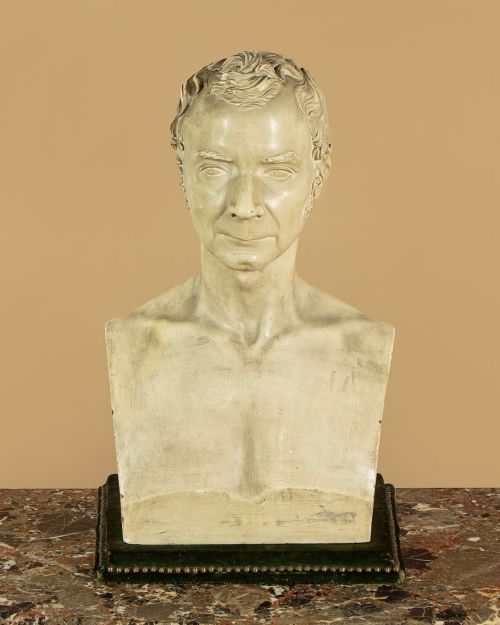
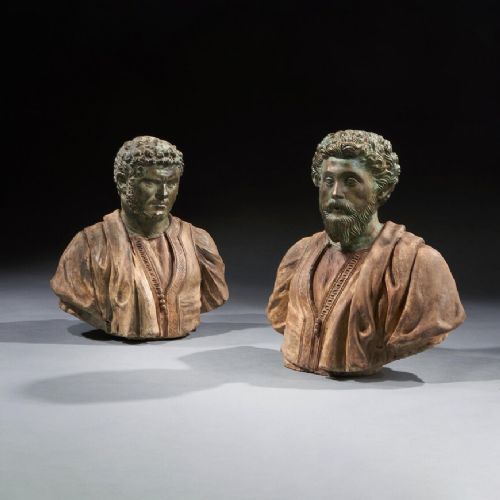
Buyers will encounter representations of literary figures, Roman emperors, historical gentlemen, and theatrical subjects. Many of these works draw directly on classical antiquity, reproducing famous sculptures for domestic display, libraries, and institutional settings.
The selection ranges from life-sized portrait busts mounted on brackets to shop displays and wall masks. Pieces emerge from various European origins, including Italian, French, Austrian, and Spanish workshops, reflecting distinct regional aesthetic traditions.
Materials and Construction
These sculptures utilise gypsum plaster as the primary medium, frequently reinforced with gesso and supported by internal wooden or metal armatures. Some pieces incorporate painted finishes, patination, or simulated stone effects to mimic marble, bronze, or terracotta.
Makers cast the plaster into moulds taken from original sculptures, applying surface finishes by hand once the material cured. Certain examples feature added wooden bases, brass mounts, or integrated wall brackets designed for architectural display.
Listings feature works in plaster, gesso, terracotta, wood, and brass, spanning the nineteenth century through the art deco era.
Assessing Quality and Execution
The sophistication of the surface finish significantly separates pieces, distinguishing simple painted coats from layered patination or simulated stone effects that successfully imitate heavier materials. The presence of artist signatures, distinct foundry marks, or documented historical origins also elevates specific works.
Raffaelo Monti·Antonio Rossellino·Bohumil Rezl·Epstein
The Antique Plaster Head Glossary
- Plaster
- A building and sculpting material made from gypsum, water, and other ingredients, poured into moulds to create three-dimensional objects. It hardens as it dries, capturing fine details from the original model.
- Gesso
- A plaster mix chalk or gypsum combined with a binder, used as a smooth ground layer on sculptures. It provides a refined surface for subsequent painting or gilding.
- Neoclassical
- A style originating in the mid-eighteenth century that draws inspiration from the art and culture of classical Greece and Rome. It emphasises proportion, restraint, and classical subject matter.
- Patination
- The natural or artificial ageing of a surface that changes its colour and texture over time. On plaster, patinated finishes simulate the appearance of aged bronze, stone, or terracotta.
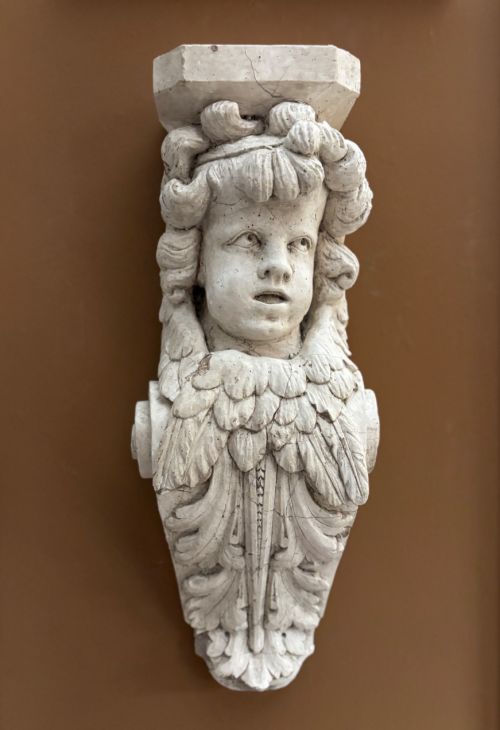
- Putto
- A representation of a plump, naked child, usually male and sometimes winged, derived from classical art. These figures frequently appear on architectural brackets and decorative wall corbels.
Antique Plaster Head: Frequently Asked Questions
What periods do these pieces come from?
The selection primarily spans the nineteenth century and the art deco period of the early twentieth century. You will find Victorian, Edwardian, and classical revival examples alongside modernist shop displays.
Dates range from mid-nineteenth-century library busts to nineteen-thirties mannequin displays. This broad timeline reflects changing interior decoration tastes over a century.
How were these sculptures used originally?
Many served as educational aids, library ornaments, or domestic decorative objects in affluent homes. Others functioned as theatrical props, artist studio studies, or retail shop window displays.
Pieces like wall brackets and corbels integrated directly into interior architecture. Portrait busts of historical figures and classical deities demonstrated the owner's cultural literacy.
How should I display a plaster head?
These sculptures require stable placement away from high-traffic areas where they might suffer accidental knocks. Heavy busts benefit from sturdy console tables, desks, or dedicated wall brackets.
Keep plaster pieces out of direct sunlight and damp environments to protect the painted or patinated surfaces. Dust them gently with a soft brush rather than liquid cleaners.