



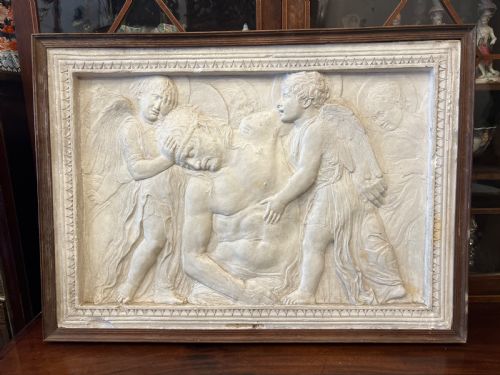
Cream Plaster Sculpture
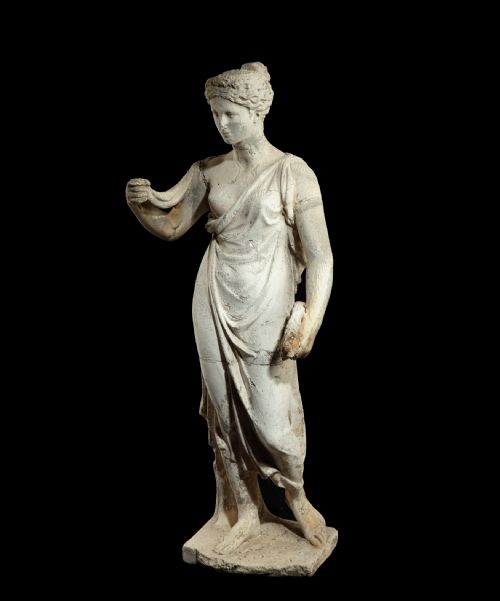
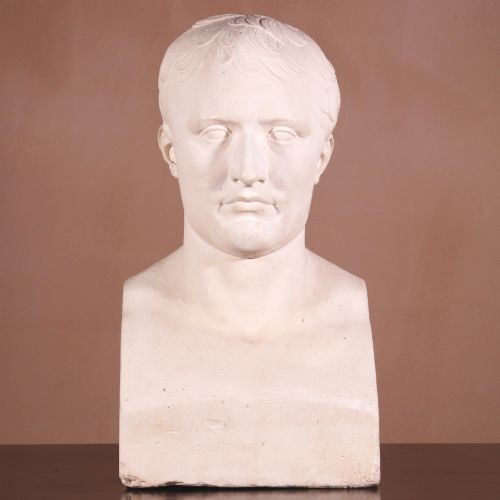
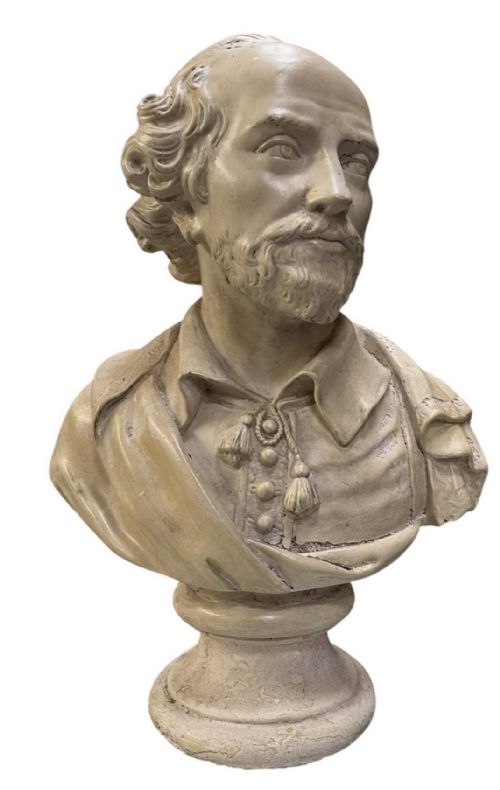
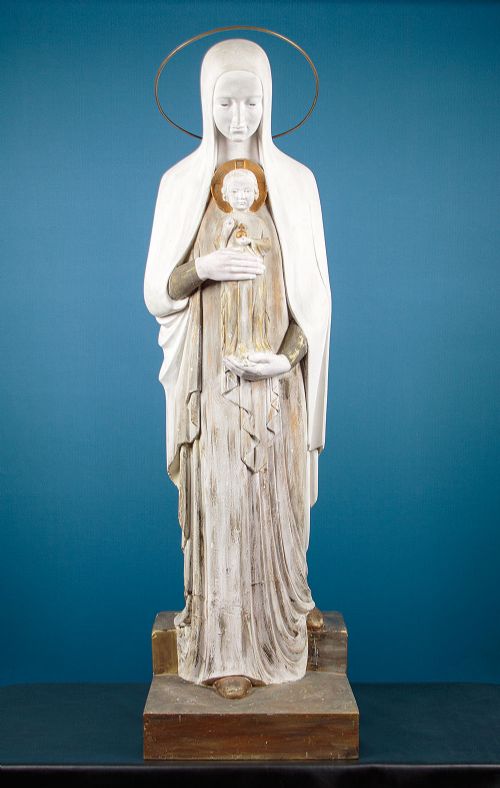
Cream plaster sculpture takes many forms here, spanning neoclassical busts and art deco figures that bring classical presence into an interior.
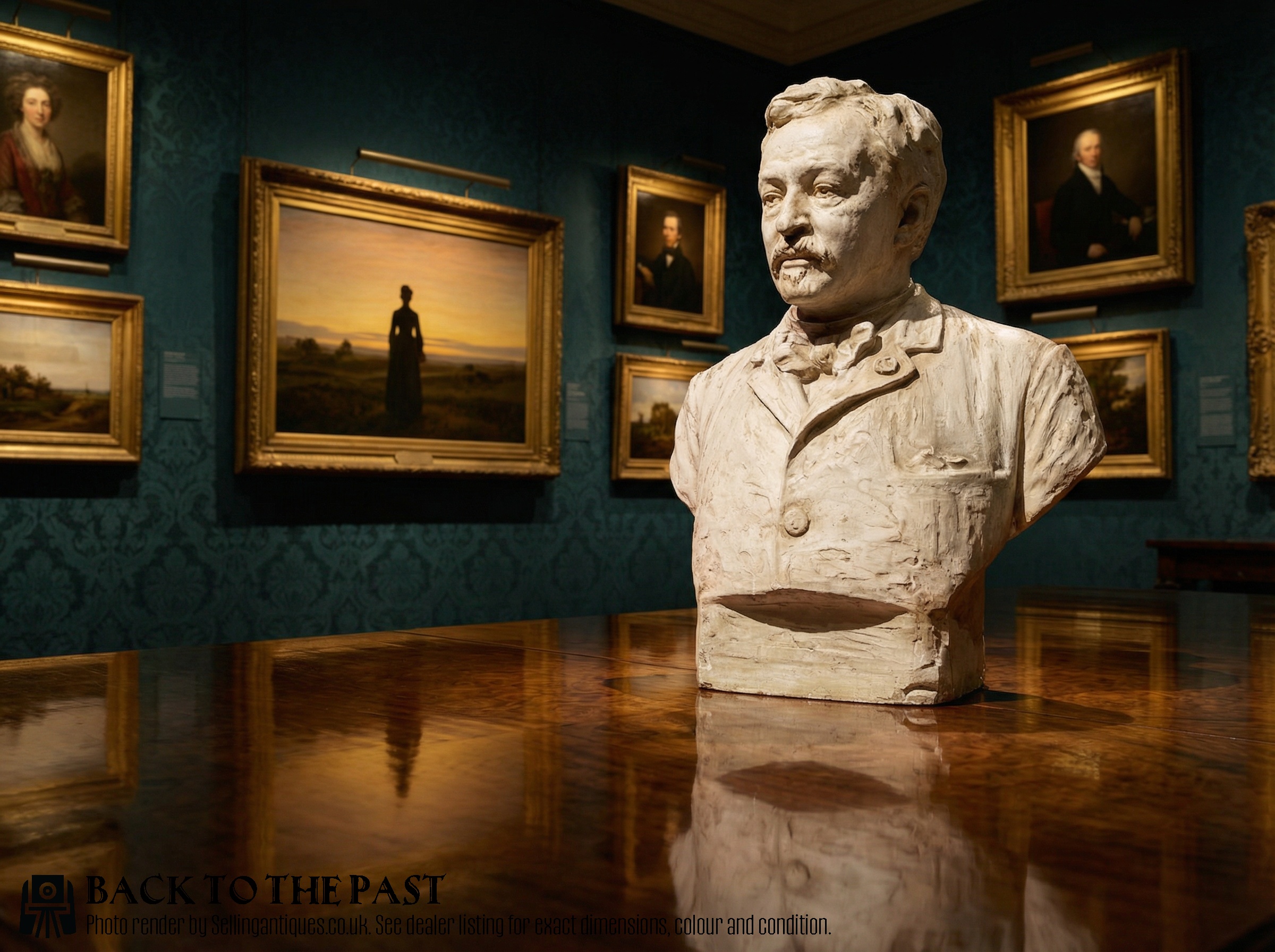
Cream Plaster Sculpture
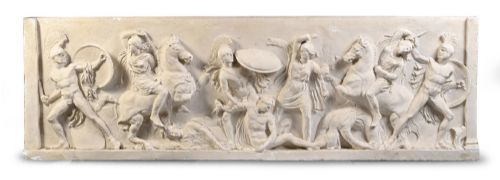
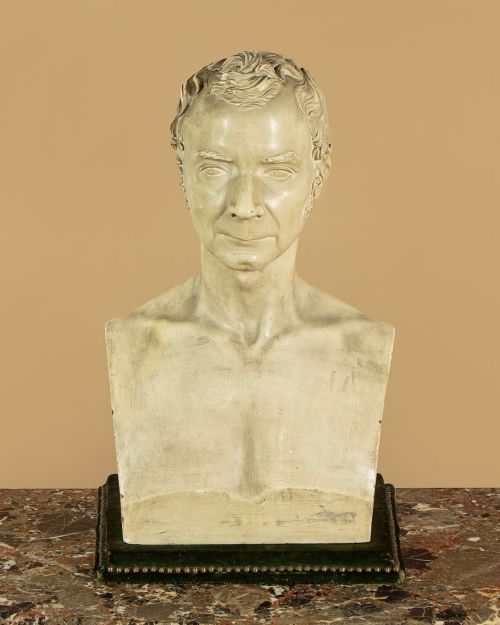
Cream plaster sculpture encompasses a diverse selection of decorative objects, ranging from classical busts of historical figures and literary greats to figural groups and relief panels. When searching for cream plaster sculpture, collectors often encounter nineteenth-century academic casts, Victorian interpretations, and twentieth-century modernist works.
The material vocabulary stretches beyond simple plaster to include related substances such as gypsum, stucco, gesso, terracotta, stone, and alabaster, often mounted on pedestals or integrated into architectural elements like caryatids. Forms vary from monumental depictions of Napoleon and Homer to animalier studies and religious subjects.
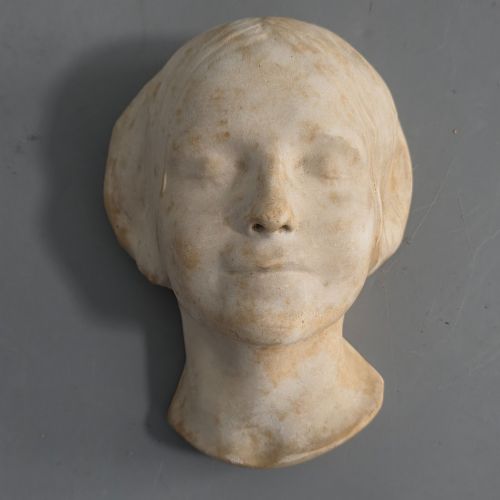
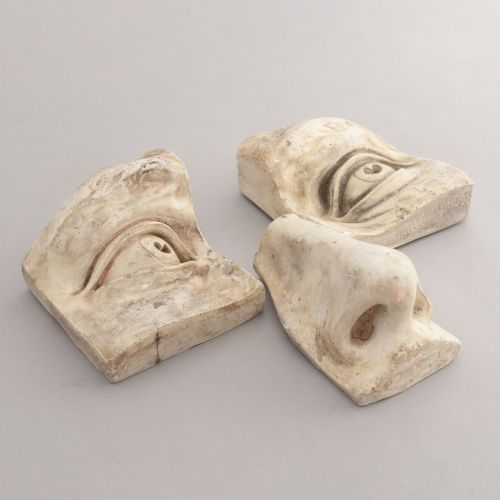
Pieces frequently reflect specific historical movements, including nineteenth-century French school traditions, Regency neoclassical styling, and art deco designs. Whether through a death mask or a detailed copy of a Renaissance masterwork, these items offer direct engagement with historic sculptural traditions.
Materials and methods
Makers utilised plaster, gypsum, stucco, and gesso, pouring or pressing the material into moulds taken from original carvings or modelling directly by hand. Some items incorporate wooden supports or stone and alabaster components to provide structural stability to the finished object.
Surface finish is integral to the construction, with painted surfaces, natural patinas, and applied gesso creating the characteristic cream tone observed across the pieces. Artisans frequently combined casting techniques with hand finishing, refining details on hair, drapery, and facial expressions after the initial set.
Even bulls need good posture, as demonstrated by the hand-modelled Taurus proudly standing among classical gentlemen and literary giants.
Distinctions in quality
The choice of medium and underlying armature also separates grades of work, where dense gypsum or reinforced plaster formulations resist handling wear more effectively than softer compositions. Furthermore, the sophistication of the surface treatment - whether a nuanced painted finish or a hand-modelled animalier skin - dictates the visual depth of the object.
Raffaelo Monti·Joseph Constant·Bohumil Rezl
The Cream Plaster Sculpture Glossary
- Plaster cast
- A copy of a sculpture produced by pouring liquid plaster into a mould taken from the original work. This technique allowed widespread study of classical and Renaissance masterpieces throughout the nineteenth century.
- Stucco
- A durable material composed of aggregate, binder, and water, applied wet and allowed to dry to a rigid finish. It was frequently utilised for decorative architectural figures and neoclassical reliefs.
- Gesso
- A mixture of a binder mixed with chalk, gypsum, or pigment used to prepare surfaces for painting or to build up low-relief details. It provides a smooth, uniform base for subsequent finishing.
- Animalier
- A nineteenth-century artistic genre focusing on the realistic portrayal of animals. Sculptors working in this mode captured beasts such as bulls with close attention to anatomy and movement.
Cream Plaster Sculpture: Frequently Asked Questions
How do I care for cream plaster sculpture?
Keep these pieces away from moisture and direct sunlight to protect the fragile surface composition. Dust gently with a soft, dry brush without applying water or cleaning solutions.
Avoid placing them in high-traffic areas where they might suffer knocks or abrasions. Proper placement ensures the delicate plaster or gesso remains stable over time.
What periods do these sculptures date from?
The selection spans from the mid-nineteenth century through the Victorian era and into the early twentieth century. Art deco and modernist examples represent the later phases of this timeline.
Earlier items often reflect neoclassical revivals, while mid-century pieces introduce new modernist interpretations of traditional forms. Each era brings distinct stylistic priorities to the medium.
Where were these sculptures originally displayed?
Many nineteenth-century pieces served as educational casts in academies, studios, and domestic libraries for the study of classical art. Larger busts and figures also furnished grand entrance halls and drawing rooms.
Pedestals and caryatids were designed to elevate sculptural works within an interior scheme. They functioned both as standalone ornamental objects and as part of broader architectural decorative programs.
How do I distinguish a nineteenth-century cast from a later copy?
Examine the crispness of the details, as earlier casts taken directly from historic models exhibit greater depth and precision. The composition of the plaster and the character of the surface patina also offer clues to age.
Wear patterns and the ageing of painted surfaces help confirm the period of manufacture. Closer inspection often reveals maker marks or signatures embedded near the base of the sculpture.