




Antique Plaster Statue
An antique plaster statue brings neoclassical dignity and sculptural presence into a room without the crushing weight or cost of carved marble.

What an antique plaster statue is
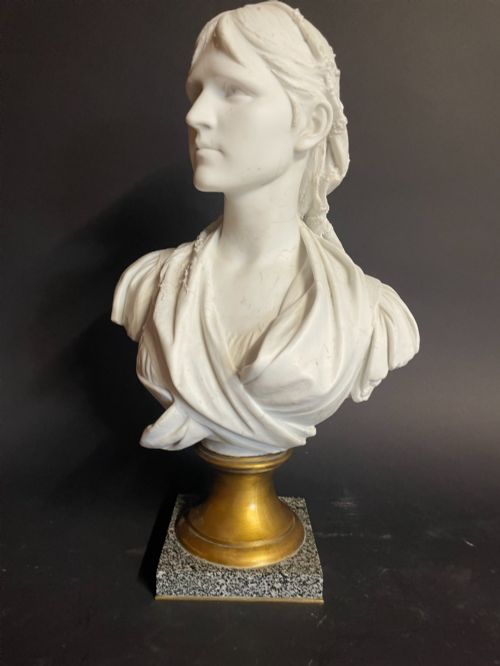
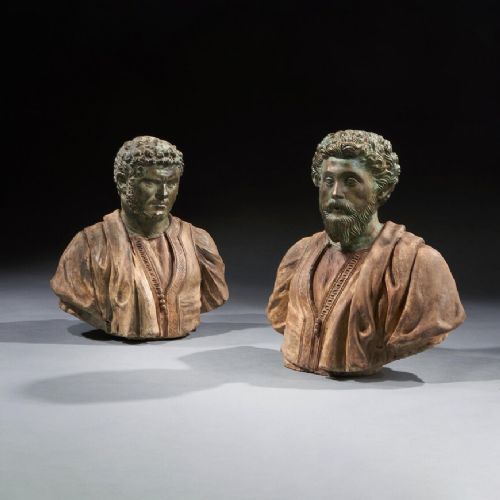
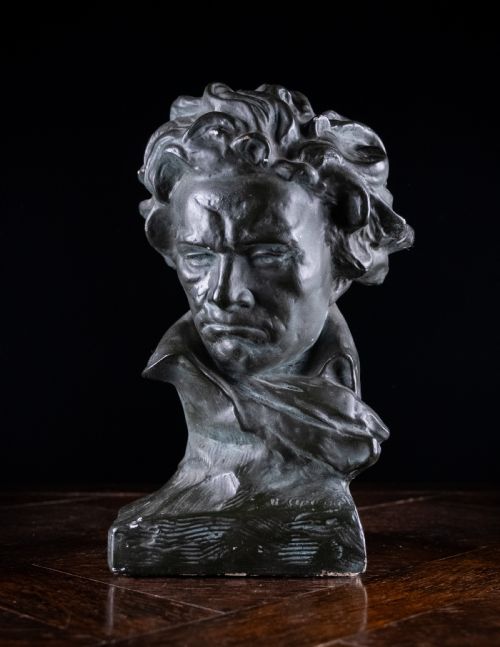
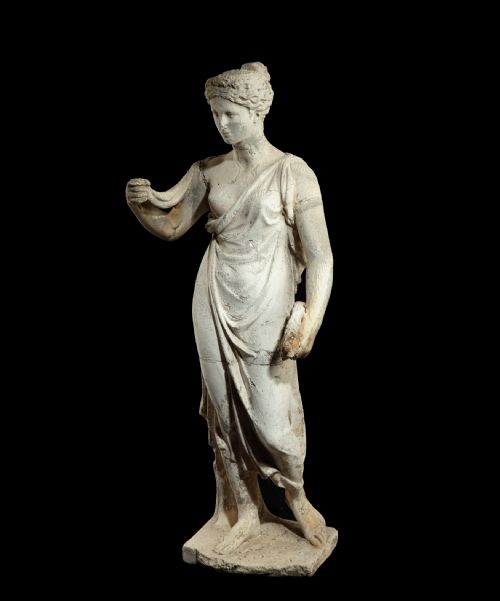
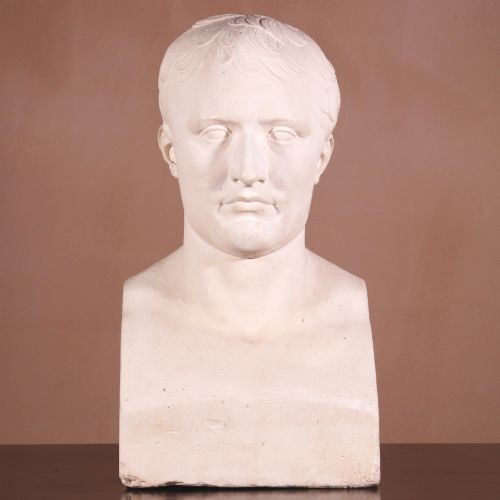
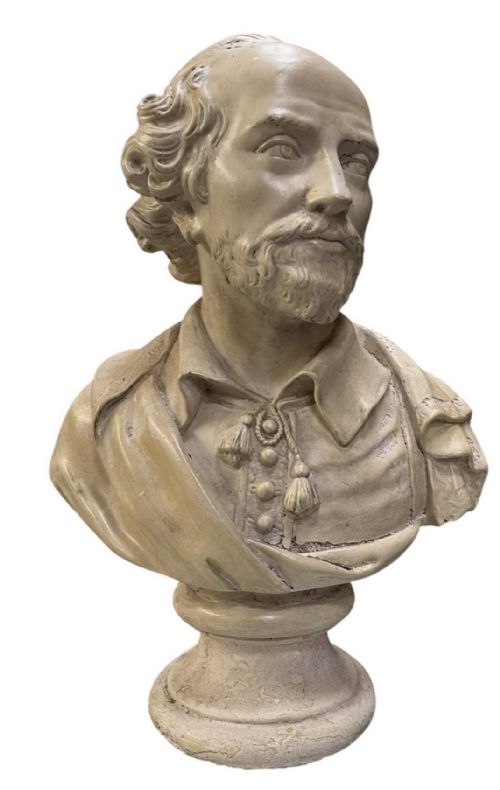
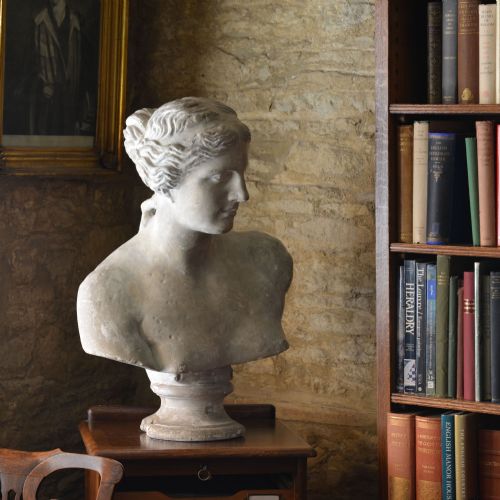
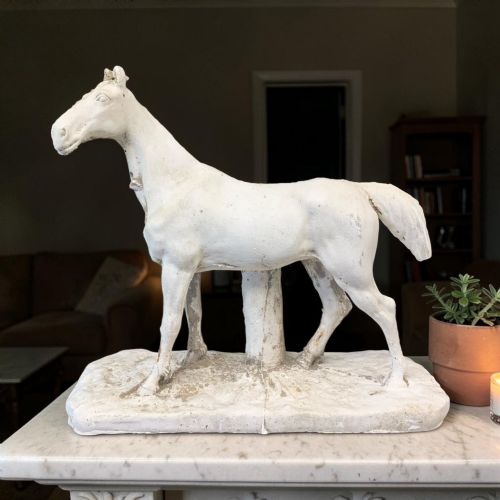
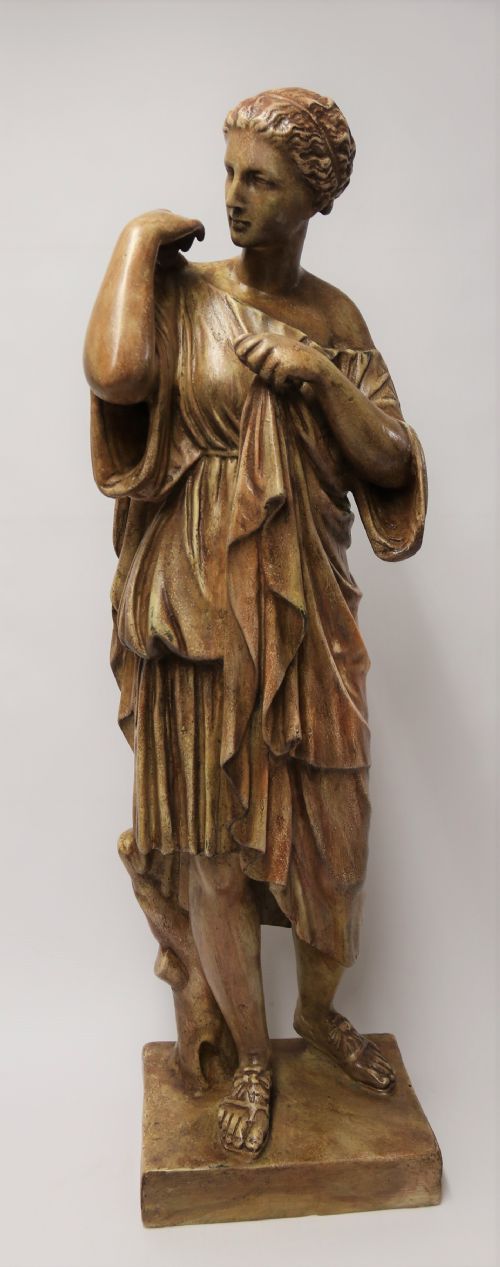
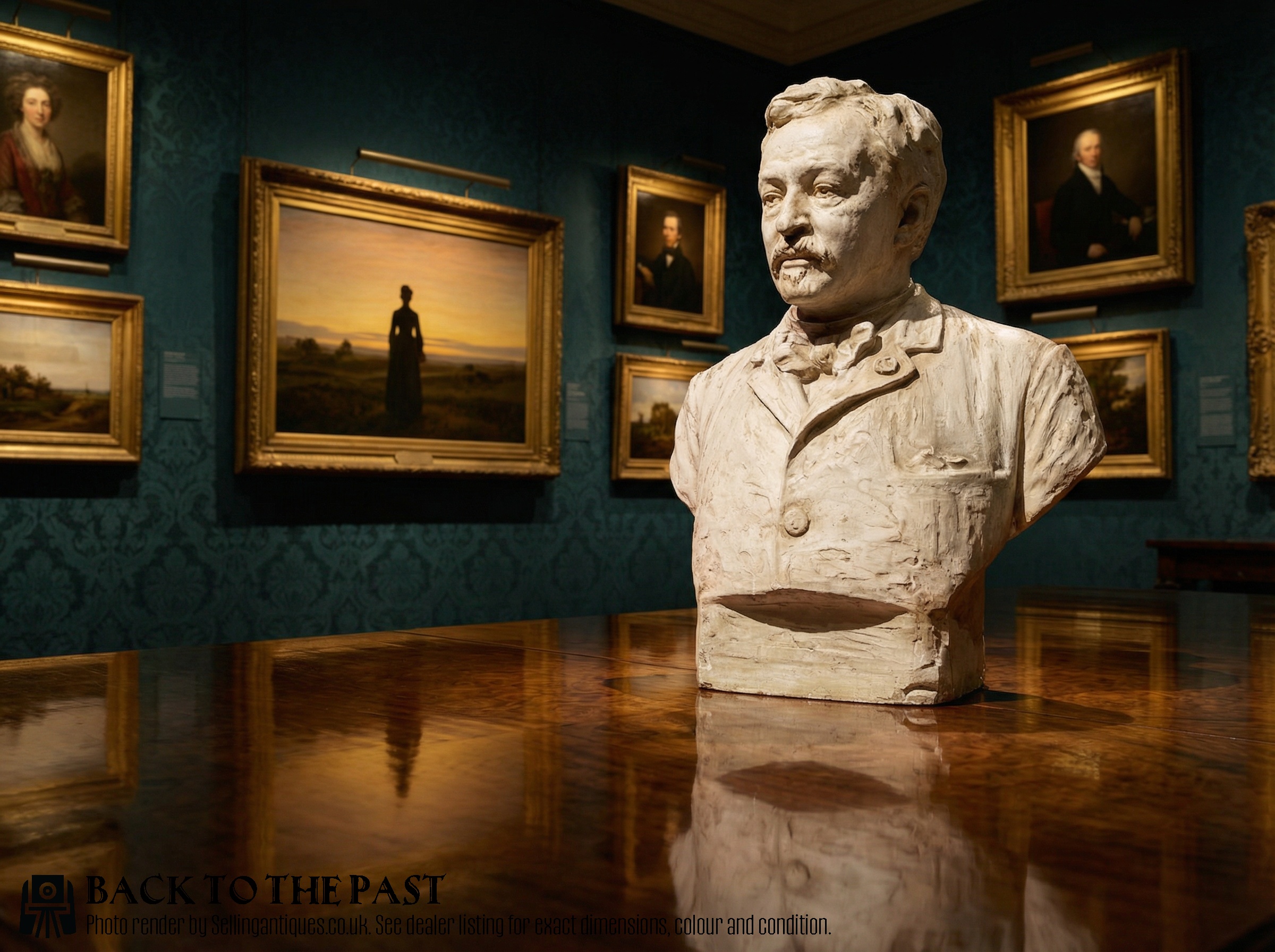
When you search for an antique plaster statue, you are looking at moulded or sculpted representations of classical figures, ladies, gentlemen, and mythological subjects like Diana the Huntress. These pieces range from substantial busts to full figures produced across the nineteenth century and the Edwardian period.
The versions you are most likely to meet on this page include Regency neoclassical figures in stucco and plaster busts dating from around nineteen hundred to nineteen eighteen. They draw heavily on classical antiquity and the Regency style, echoing the grand sculpture collections of European country houses.
Materials and construction
These works rely primarily on plaster, stucco, and occasionally terracotta or wood elements, shaped through casting or direct sculptural work. Plaster allows for intricate detail while remaining lighter than solid stone.
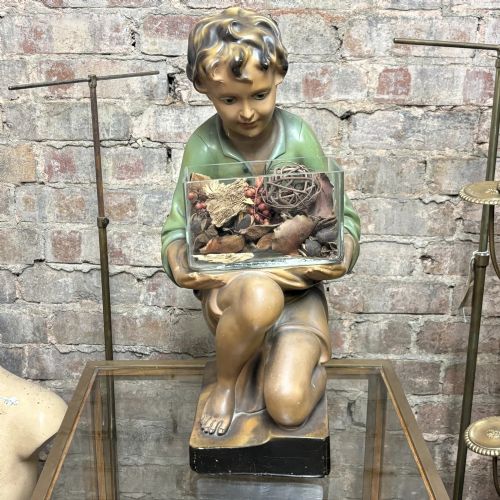
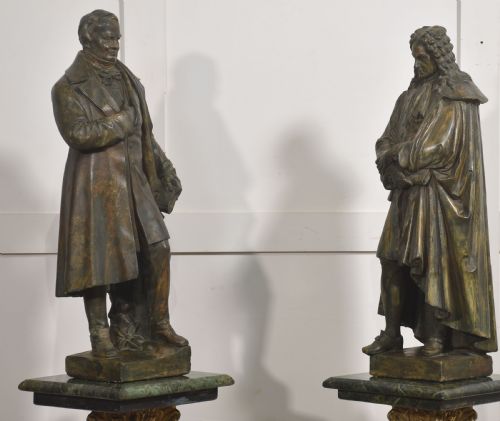
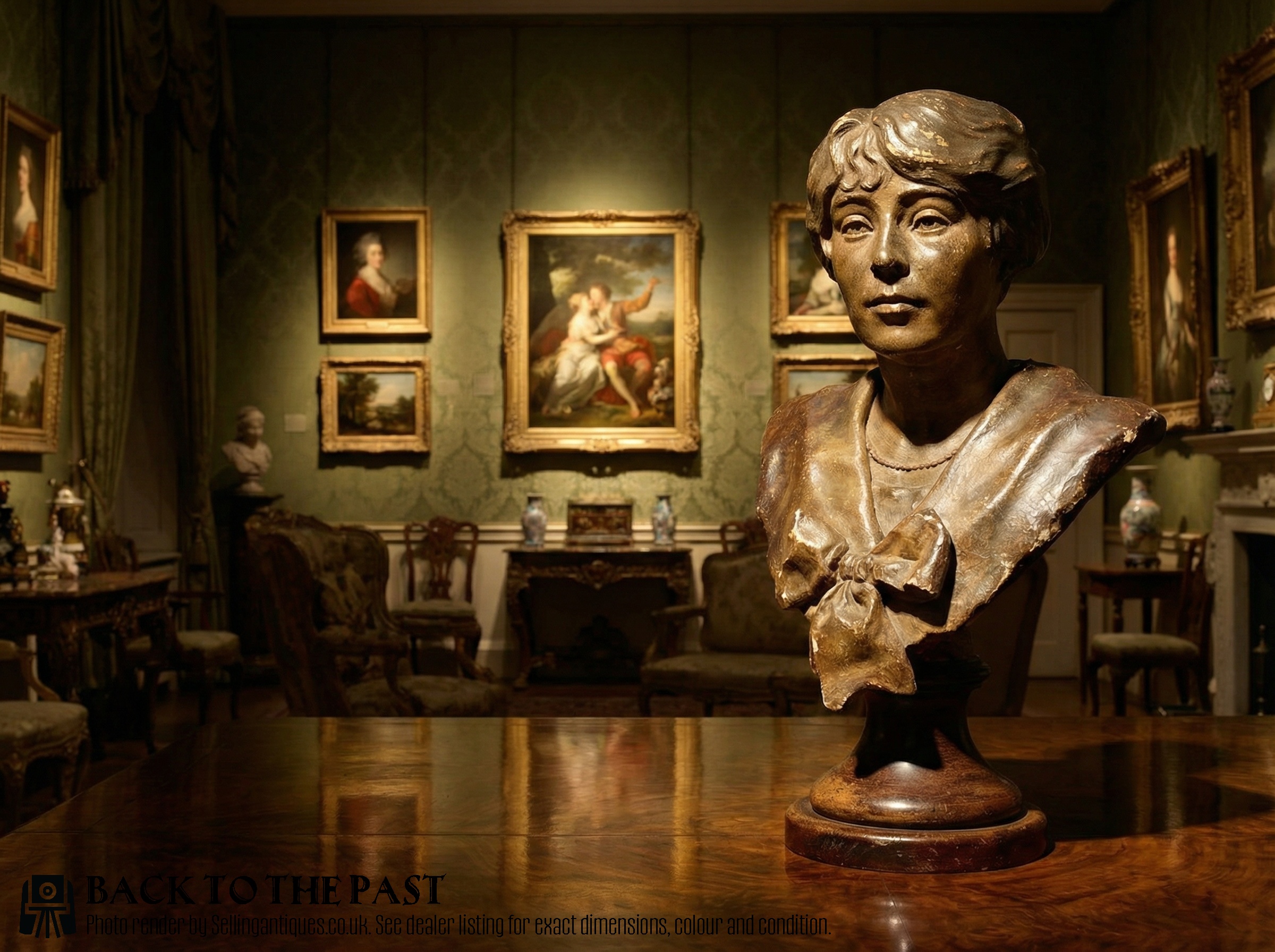
Many of these pieces carry painted surfaces designed to imitate bronze, terracotta, or aged marble, lending a finished tactile quality to the moulded material.
Retail Price Guide 2026
Typical UK retail prices for plaster statue, calculated from the Sellingantiques database of over a million retail prices indexed since 2003. This retail price guide relies exclusively on Sellingantiques data; no external sources or auction records are used, so the figures do not describe the wider market.
Current listings feature pieces spanning the nineteenth century, nineteen hundred, and the Edwardian period, executed in plaster, stucco, terracotta, and wood.
Judgements of quality
The handling of the surface finish also divides the ordinary from the exceptional. Original painted surfaces that have aged naturally carry far more visual depth than crude later touch-ups.
The Antique Plaster Statue Glossary
- Plaster
- A building and moulding material made from gypsum, water, and other ingredients, cast into form and left to set. It forms the primary body of these sculptures.
- Stucco
- A fine plaster or cement mixture used for exterior or interior decoration and mouldings. It provides a durable and smooth finish for neoclassical figures.
- Regency
- A British design period spanning the early nineteenth century, characterised by a revival of Greek and Roman classical motifs. This aesthetic strongly influences many figures on this page.
- Neoclassical
- A style inspired by the classical art and architecture of ancient Greece and Rome. It dominates the subject matter of these sculptures.
- Bust
- A sculpted or cast representation of a person's head, shoulders, and chest. These form a major portion of the sculptural works listed here.
Frequently Asked Questions
Are these statues solid plaster?
Most large sculptural pieces and busts are cast with hollow interiors to reduce weight and material usage, sometimes supported by internal wooden or wire armatures.
Solid plaster would be excessively heavy and prone to severe cracking during the drying and curing process.
Where should I place a plaster bust?
Position your bust on a sturdy console table, column, or deep mantelpiece where it sits securely away from foot traffic and knocks. Because plaster is relatively soft, high shelves or stable ledges work best.
Ensure the spot receives indirect light to showcase the modelling without causing fading to painted surfaces.
How can I tell the period of a plaster figure?
Dating relies on stylistic clues, the type of base, and how the plaster has aged and yellowed beneath any paint layers. Regency pieces lean heavily on strict classical drapery and specific stance forms.
Later Edwardian examples often show softer facial expressions and different mounting styles compared to nineteenth century works.