

French Neoclassical Sculpture
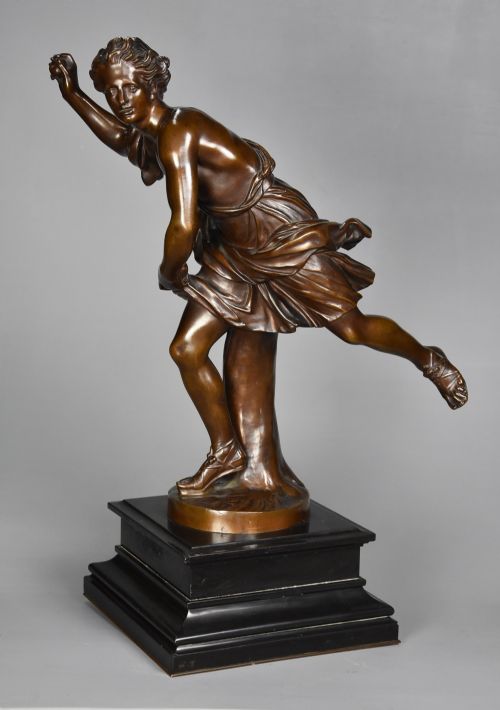
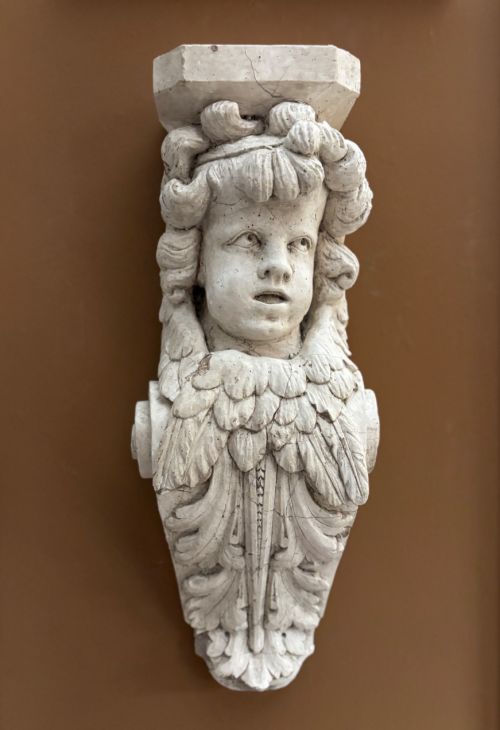
French neoclassical sculpture channels antiquity through bronze, marble and terracotta to celebrate classical deities, historical figures and mythological narratives.
French Neoclassical Sculpture
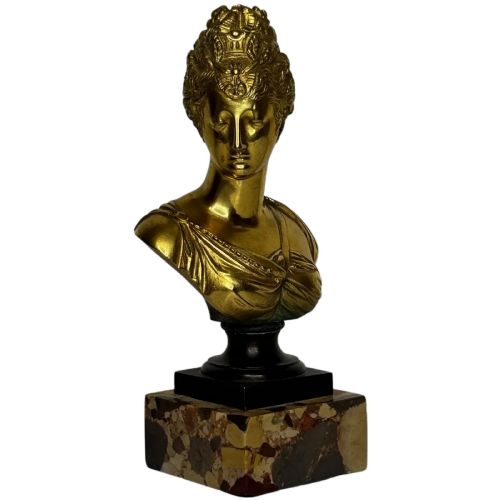
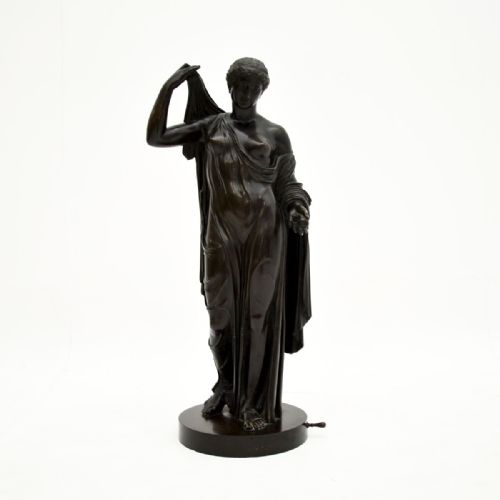
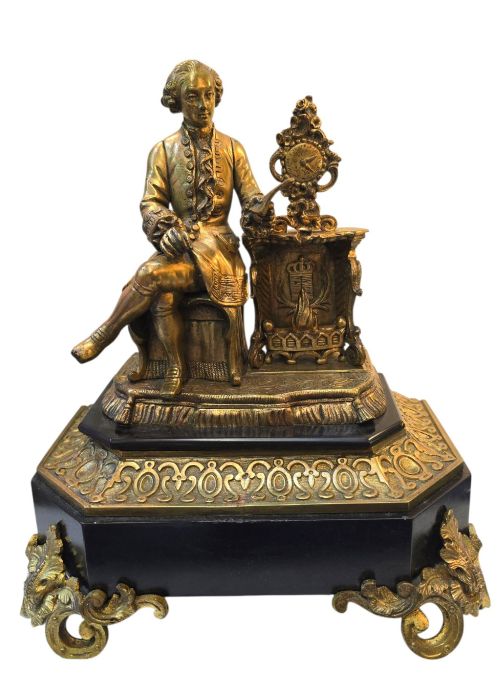
French neoclassical sculpture encompasses freestanding figures, portrait busts, pedestals and mantel objects drawing directly from ancient Greek and Roman models.
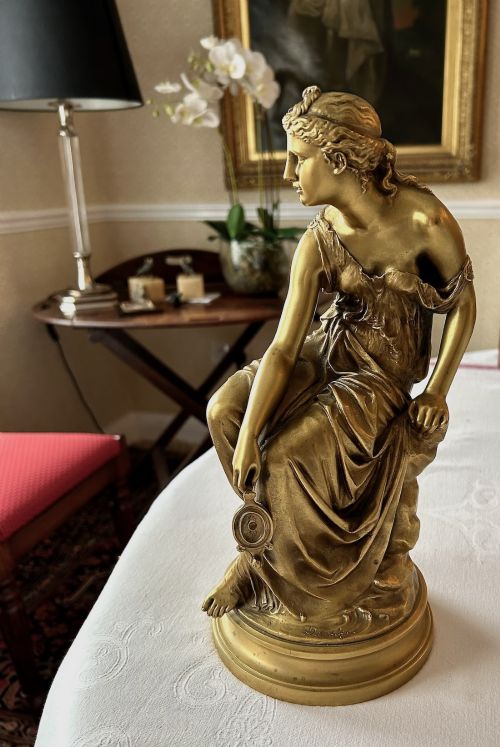
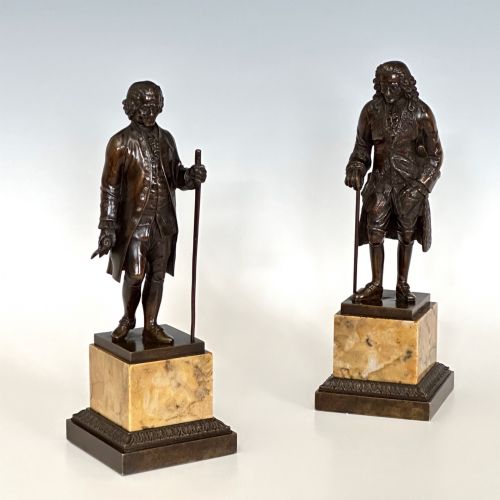
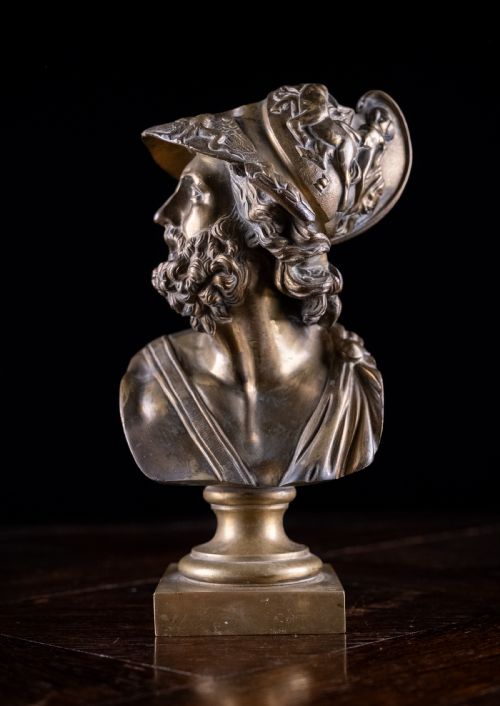
Subjects span classical maidens, mythological deities like Diana and Demeter, Roman emperors and literary figures rendered through disciplined, balanced forms.
Materials and casting methods
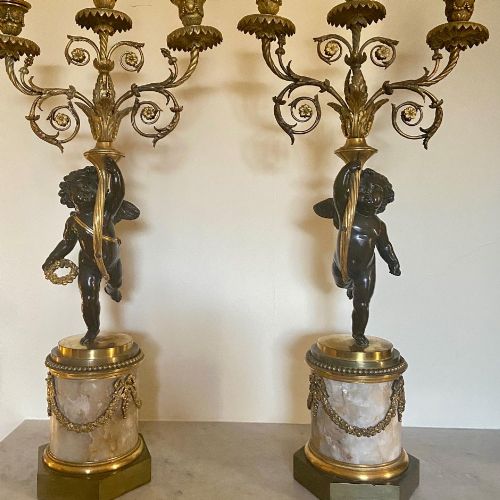
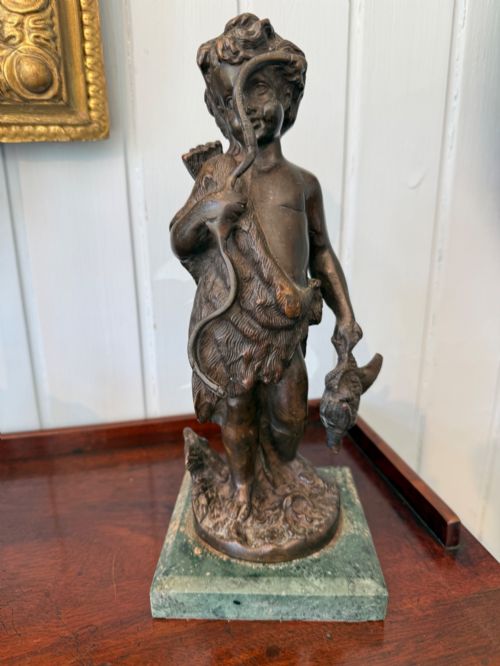
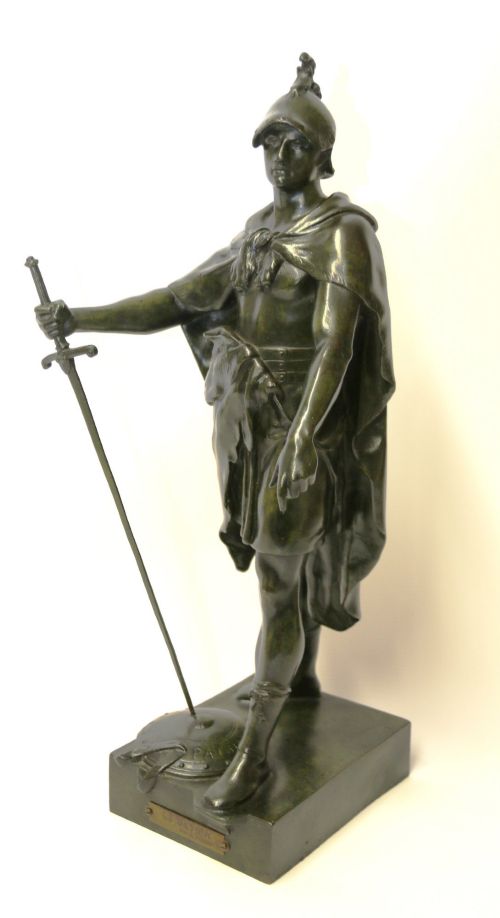
Foundries utilised traditional bronze casting methods, applying patinated or gilt finishes alongside ormolu mounts to highlight intricate detailing.
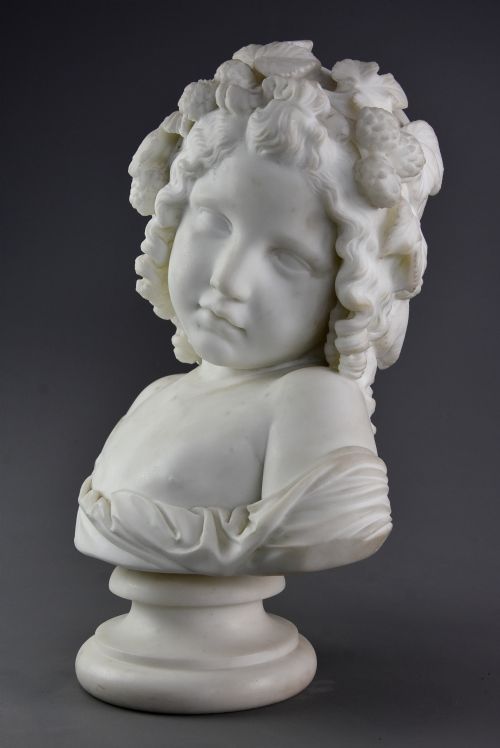
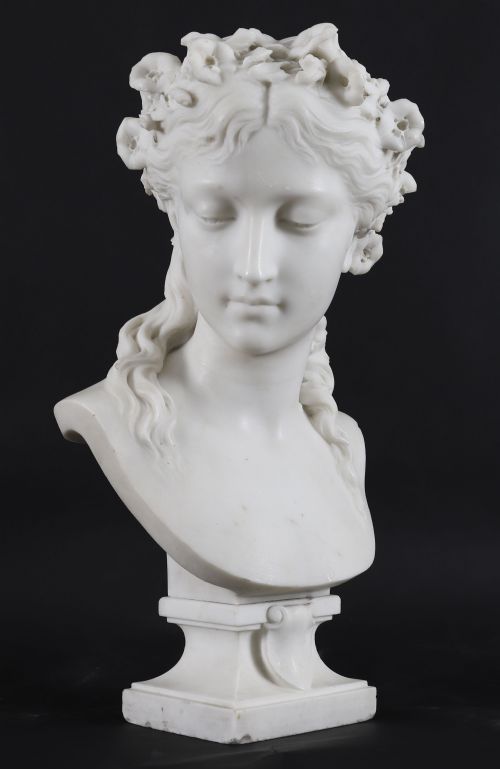
Sculptors carved directly into carrara and vert de patricia marble or shaped terracotta and plaster models before transferring forms into permanent media.
French Neoclassical Sculpture Retail Price Guide 2026
Typical asking prices for french neoclassical sculpture among the pieces listed under this phrase on Sellingantiques today, from the lower quarter to the upper quarter. They describe what is for sale here now, not the wider market.
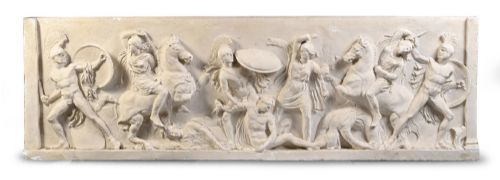
The listings feature works cast or carved across the nineteenth century, utilising bronze, carrara marble, terracotta and gilt bronze.
Artistic execution and casting fidelity
Quality rests upon the crispness of the chase work in bronze pieces and the subtlety of carving in marble examples, distinguishing master foundry output from commercial production.
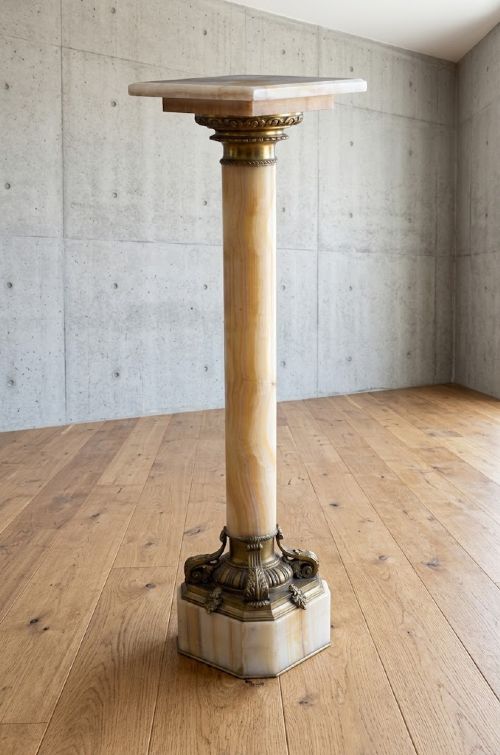
The precision of historical attribution, the presence of recognised foundry stamps and the harmony of associated marble bases or columns determine the standing of individual works.
Etienne-Henri Dumaige·Ferdinand Barbedienne·Francois Redmond·Émile Louis Picault·Jean Antoine Houdon·Carrier-Belleuse·Mathurin Moreau·James Pradier
The French Neoclassical Sculpture Glossary
- Ormolu
- Gilt bronze ornamentation applied to furniture, clock cases and sculpture bases. The technique involves mercury gilding cast bronze components to produce a rich golden lustre.
- Patinated bronze
- Bronze treated with chemical solutions to produce a darkened surface coloration. This finish enhances sculptural depth and reduces unwanted glare.
- Terracotta
- Fired clay utilised for sculptural models and finished figures. The warm reddish earthenware material records fine modelling nuances directly from the artist's hands.
- Carrara marble
- A white or blue-grey marble quarried in Tuscany, favoured for classical portrait busts and statues. Its fine crystalline structure allows for translucent polished surfaces.
French Neoclassical Sculpture: Frequently Asked Questions
What subjects appear most often?
Subjects draw heavily from classical mythology, featuring deities such as Diana, Apollo and Demeter alongside historical figures including Napoleon and Roman emperors.
Allegorical figures and literary characters also populate the medium, reflecting nineteenth-century academic training rooted in ancient antiquity.
How do bronze and marble pieces differ?
Bronze sculptures offer detailed patination and crisp foundry casting, making them suitable for dynamic figures and complex poses requiring structural strength.
Marble works provide a luminous, tactile surface ideal for portrait busts and serene classical subjects where light interacts directly with the stone.
Where were these sculptures displayed?
Nineteenth-century collectors placed these works in libraries, drawing rooms and private galleries upon dedicated pedestals, columns or mantelpieces.
Smaller cabinet bronzes and terracotta studies adorned desks and side tables as items for intimate study and academic appreciation.
How can I identify the period?
Period indicators include casting techniques, foundry marks, material combinations such as ormolu mounts on marble, and stylistic cues aligning with Louis XVI revival or Empire aesthetics.
Signatures from known nineteenth-century founders and sculptors further anchor pieces within specific production decades.