


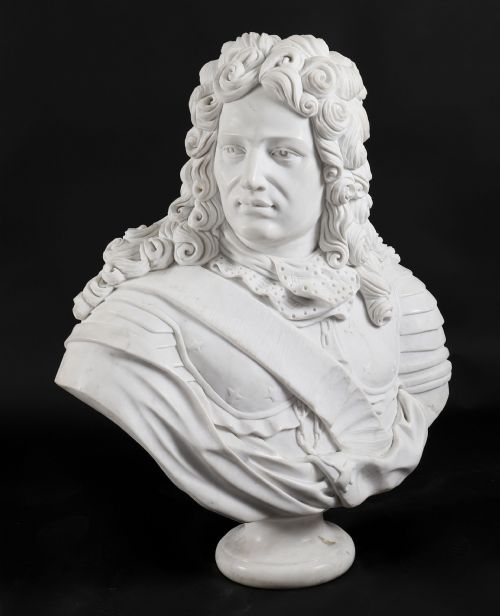
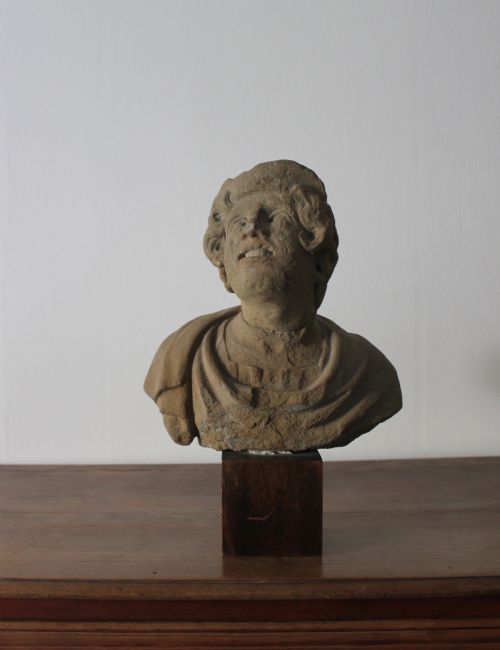
Carved Stone Statue
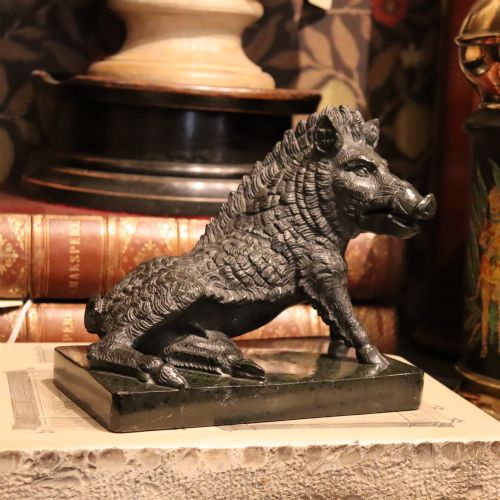
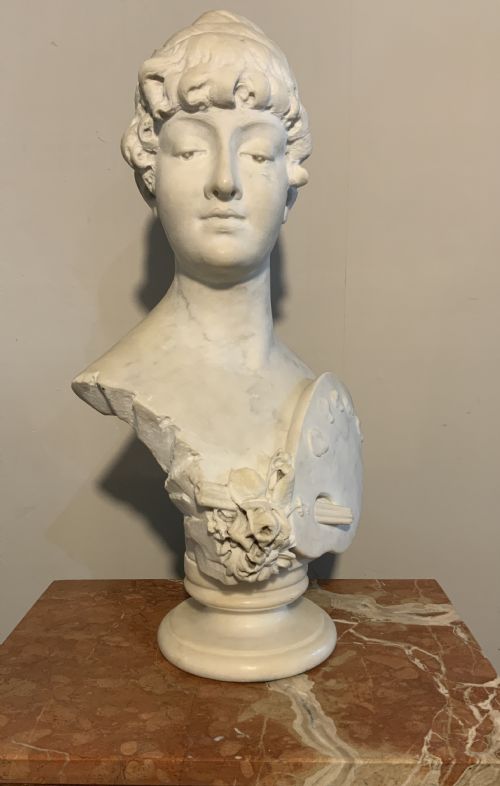
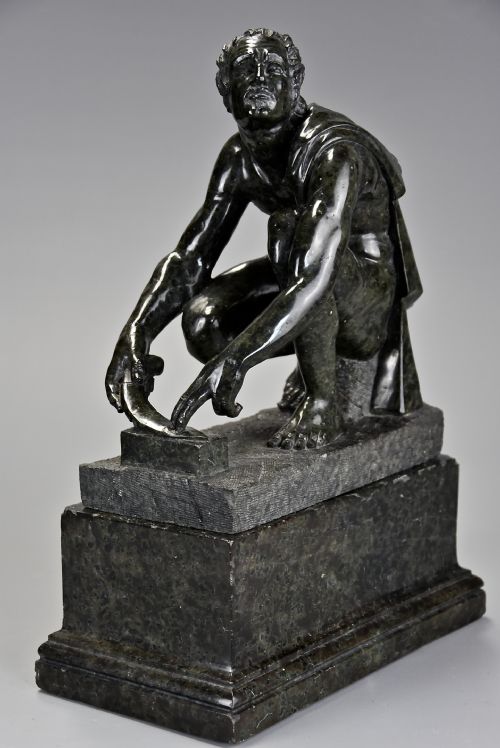
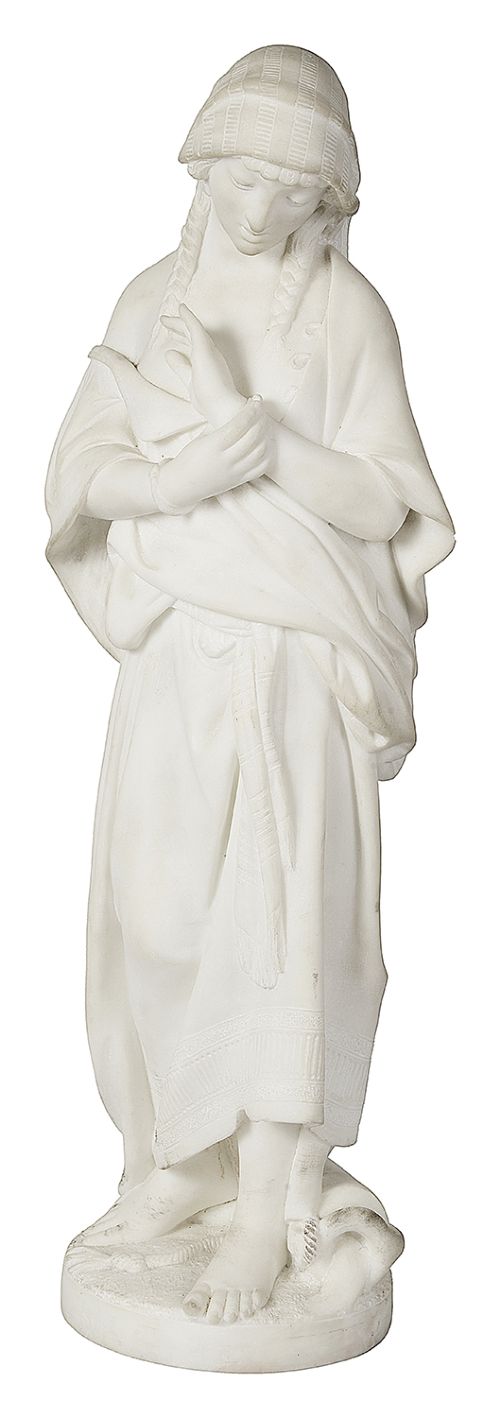
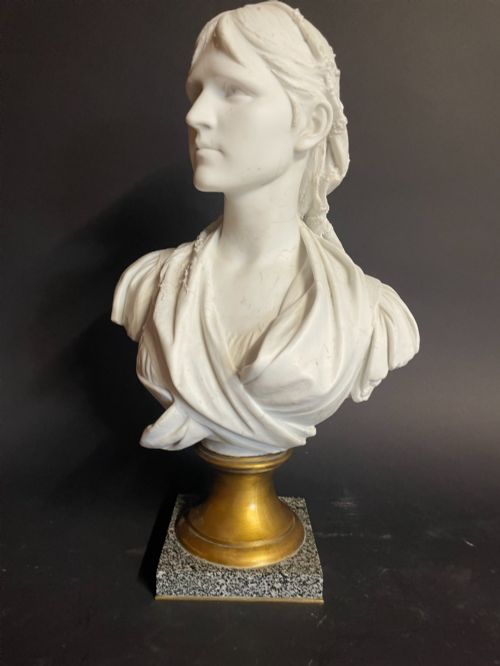
These pieces are a carved stone statue, ranging from Classical mythological figures to portrait busts, sought after for their permanence and material presence.
Carved Stone Statue
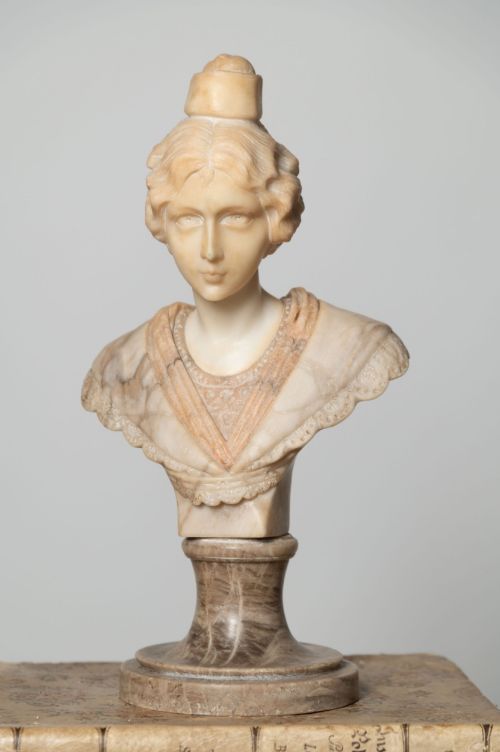
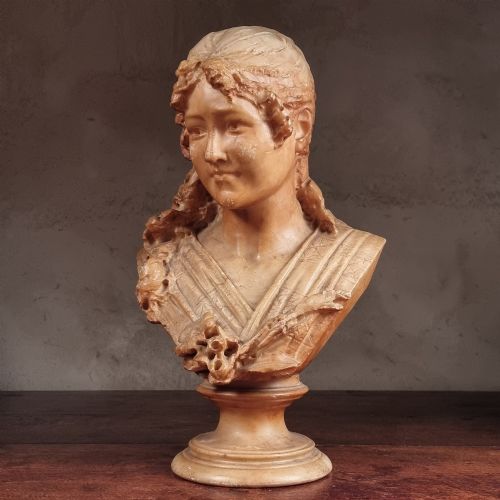
A carved stone statue encompasses figurative sculptures, architectural fragments, and portrait busts produced across centuries. When browsing this selection, buyers most frequently encounter 19th-century Italian Grand Tour works and portrait busts alongside East Asian figures.
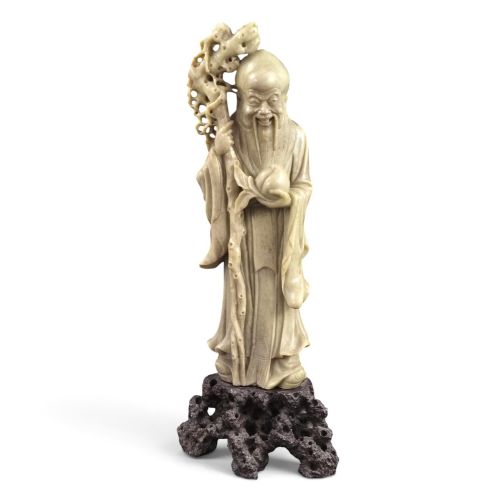
The forms extend from small soapstone deities and jadeite carvings to monumental marble figures and garden lions. Works range from ancient limestone fragments to Victorian and early 20th-century interpretations of classical antiquity.
Originating from European studios, Chinese dynasties, and indigenous traditions, these sculptures serve as both interior focal points and garden ornaments. Each piece reflects the aesthetic priorities of its period, whether Neoclassical, Ming, or Qing.
What varies in quality
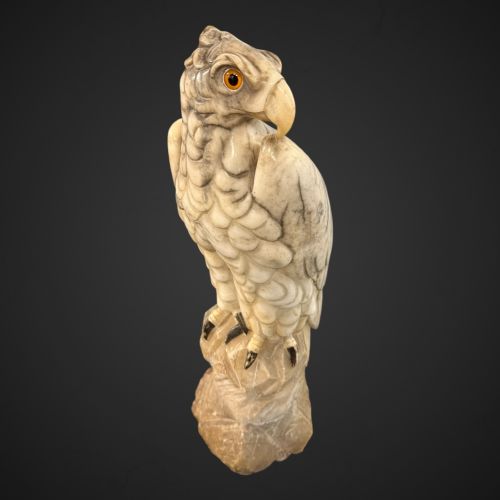
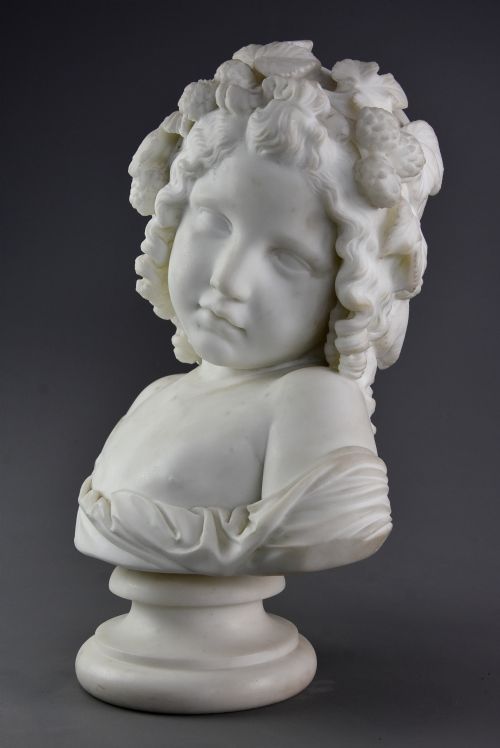
The selection of the raw material fundamentally influences the standing of a piece, with fine-grained Carrara marble, unblemished alabaster, or rich green serpentine commanding greater visual and tactile presence than coarse stone.
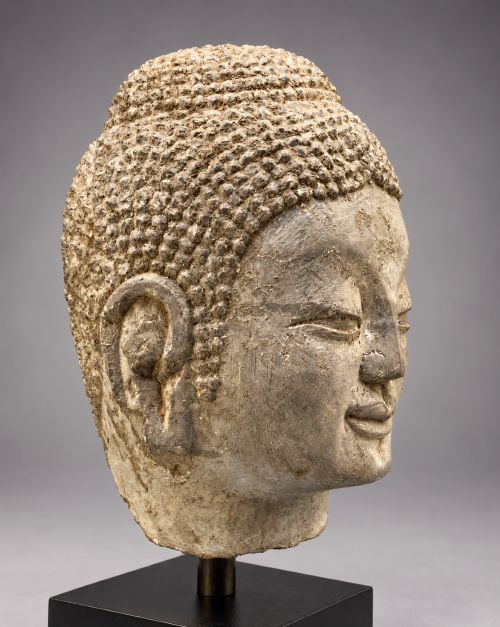
The listings span multiple centuries, ranging from Pre-16th century limestone Buddha heads to 20th-century modernist marble busts.
Barranti·Houdon·Eugene Aizelin·J Francis·Auguste Henri Carli·R Mattei·Carrier-Belleuse
The Carved Stone Statue Glossary
- Grand tour
- A cultural journey undertaken by European elites in the 18th and 19th centuries, resulting in the acquisition of classical antiquities and smaller-scale marble replicas.
- Serpentine
- A hydro-silicate of magnesium, typically green or mottled, which takes a high polish and was frequently utilised for small-scale animal and architectural carvings.
- Carrara marble
- A type of white or blue-grey marble quarried in the city of Carrara in Tuscany, prized since Roman times for its homogeneity and luminous quality.
- Alabaster
- A fine-grained, translucent stone, composed of gypsum or calcite, easily worked into delicate portrait busts and figurative groups.
- Bust
- A sculpted representation of a person from the chest or shoulders up, focusing attention on facial expression and individual likeness.
Carved Stone Statue: Frequently Asked Questions
What is a carved stone statue?
A carved stone statue is a three-dimensional artwork hewn from materials such as marble, alabaster, limestone, or soapstone. These pieces encompass human figures, animal representations, and portrait busts produced across various global traditions.
They function as decorative objects, historical documents of sculptural technique, and physical links to classical, Asian, and indigenous art histories.
How were Grand Tour statues used?
Grand Tour statues served as physical souvenirs for travellers returning from Italy, commemorating their engagement with classical art and architecture. Wealthy collectors displayed them in libraries, galleries, and studies to signal erudition and cultural refinement.
Today, they occupy similar display roles in domestic interiors, acting as focal points on pedestals, sideboards, and mantelpieces.
How do I identify alabaster from marble?
Alabaster is softer than marble and possesses a distinct translucency that allows light to penetrate just beneath the surface. It can be scratched with a metal point more easily than marble.
Marble exhibits a crystalline structure and greater density, maintaining a cooler touch and higher resistance to scratching.
Can these statues live outside?
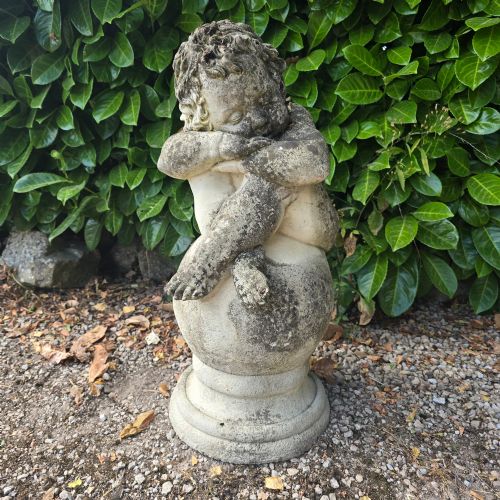
Weathered cast stone and certain hard limestones tolerate outdoor garden environments well over time. Softer materials like alabaster, soapstone, and fine marbles are vulnerable to frost, moisture, and atmospheric pollution.
Indoor placement preserves the original polish and prevents the surface degradation associated with exposure to the elements.