


Nineteenth Century Bust
Nineteenth century bust sculptures capture historical figures, literary characters, and classical deities in bronze, marble, and terracotta, bringing tangible dignity to any room.
Nineteenth Century Bust
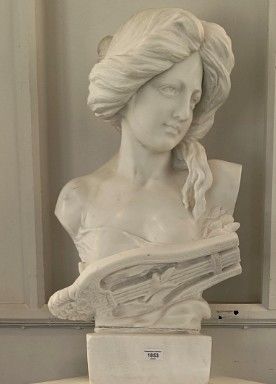
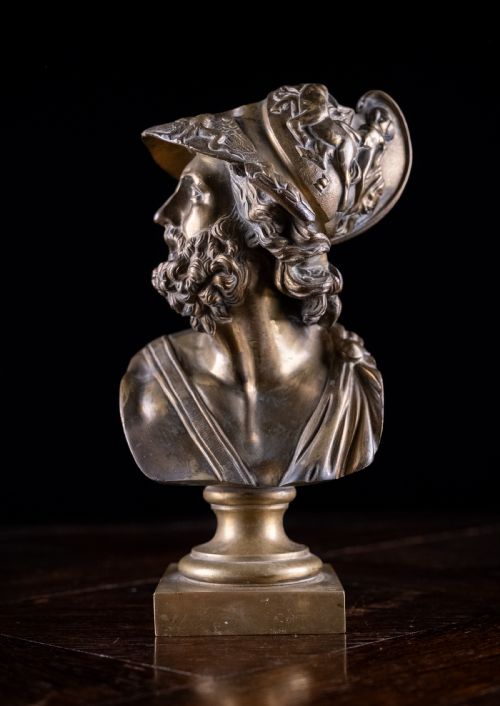
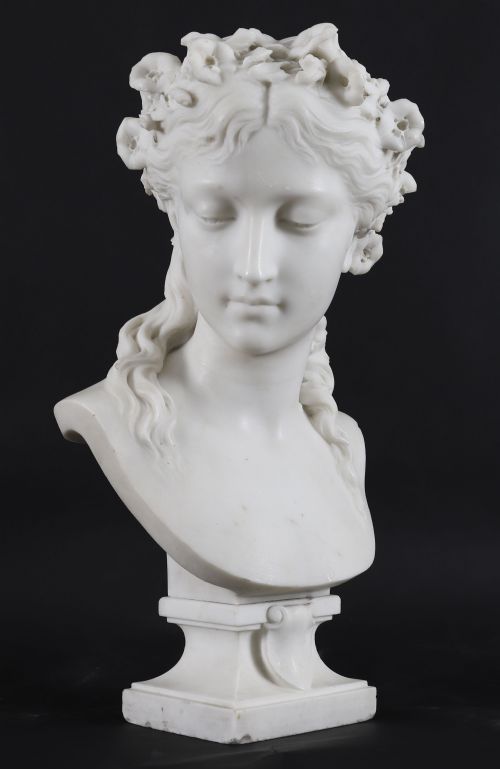
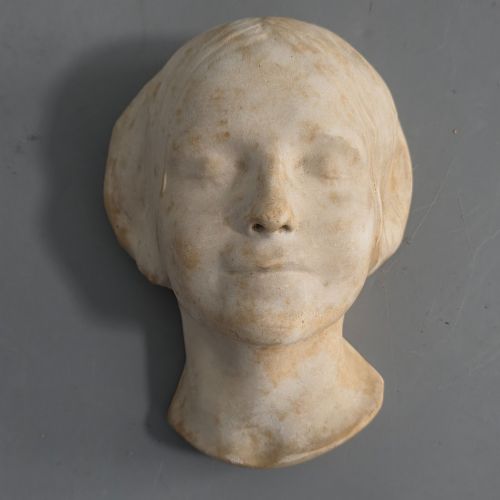
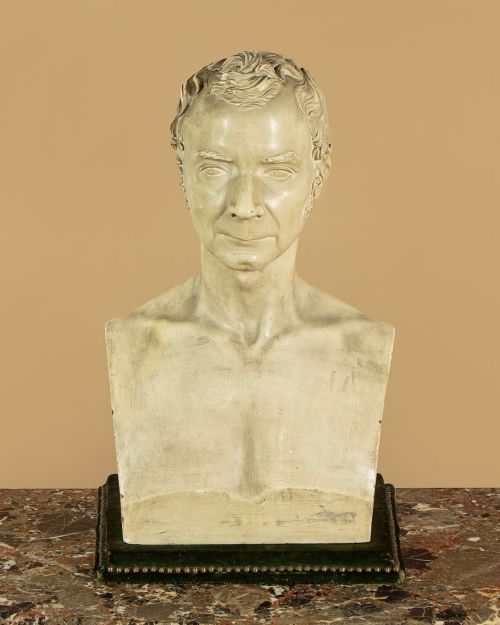
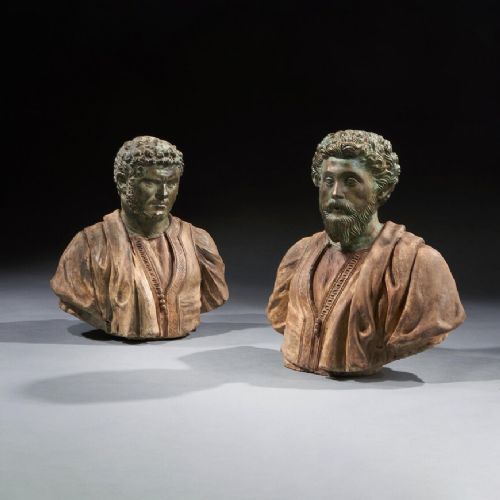
A nineteenth century bust depicts human subjects ranging from classical deities and historical emperors to literary figures and contemporary portraits. These sculptural studies focus on the head and shoulders, capturing distinct expressions and character through careful proportion.
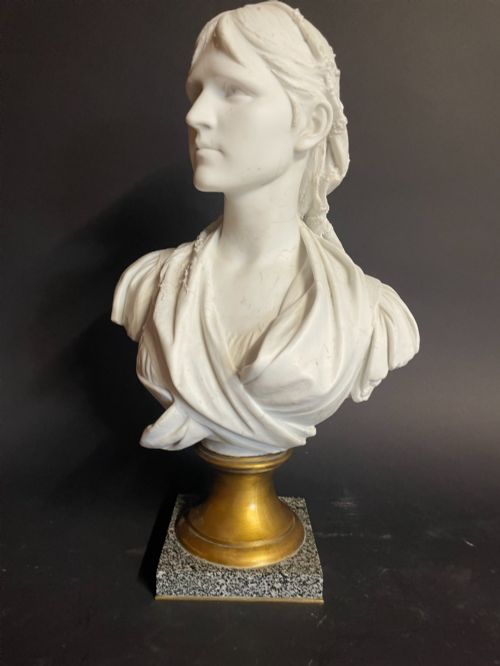
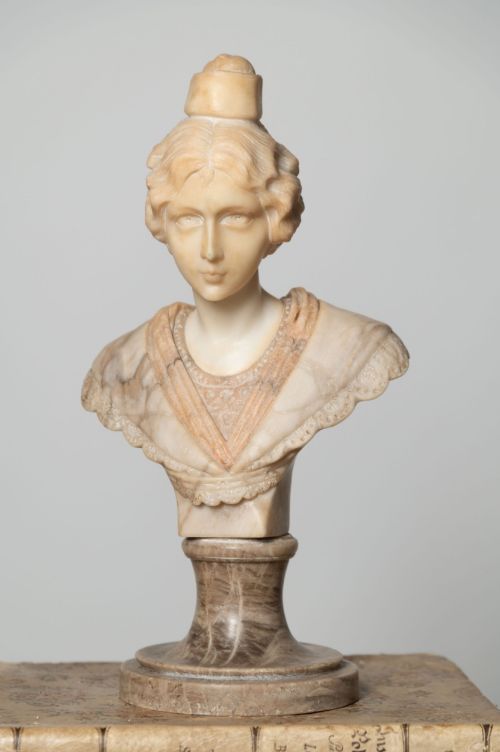
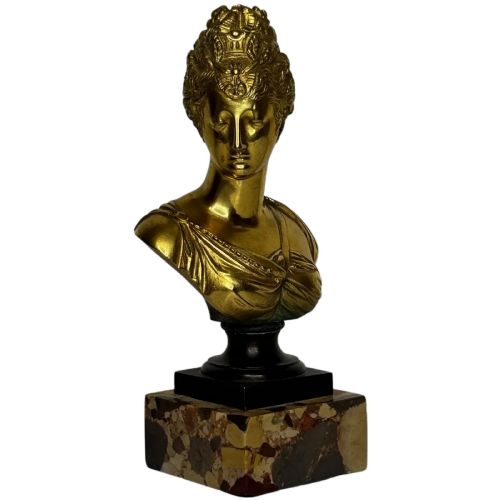
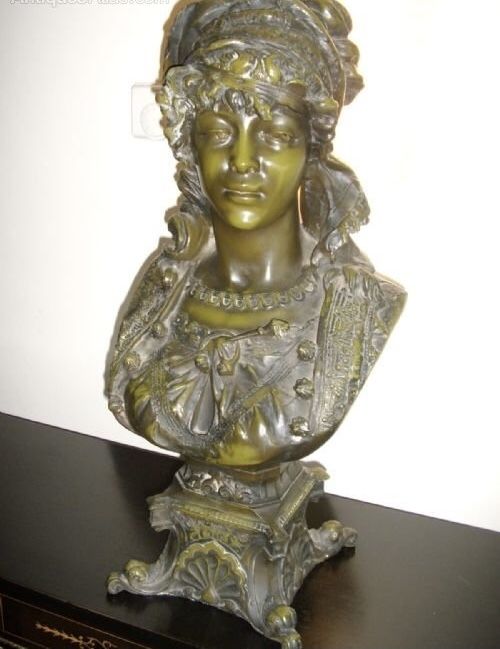
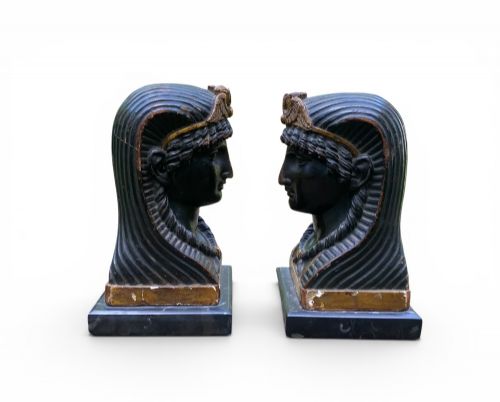
The versions most commonly met on this page include classical bronze castings, carved white marble studies, and terracotta figures from French, Italian, and English makers. Many pieces reflect neoclassical tastes or later Art Nouveau styling, often mounted on integrated marble bases or pedestals.
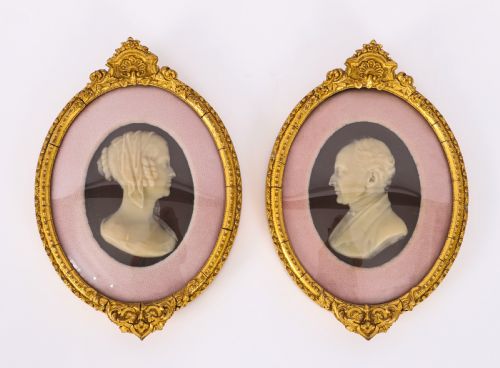
Makers drew inspiration from antique Roman models, mythological subjects like Diana or Hypnos, and contemporary literary icons such as Lord Byron and Sir Walter Scott. Collectors encounter both grand Grand Tour souvenirs and substantial gallery pieces produced across the period.
Materials and methods of production
Sculptors utilised fine-grained Carrara marble for luminous white portraiture, carving detail directly into the stone alongside contrasting coloured bases such as Vert de Mer marble. Bronze casting employed the lost-wax method, finished with rich patination or gilt and ormolu mounts to highlight specific decorative elements.
Clay models allowed artists to produce terracotta or plaster versions, sometimes receiving painted finishes or bronze-like surface patination to emulate heavier metalwork. Ceramic and parian bodies provided another medium, capturing smooth matte textures ideal for classical figures and portrait busts.
Current listings feature materials including marble, bronze, terracotta, and alabaster across neoclassical and Art Nouveau styles.
Distinctions in execution and finish
The choice of materials dictates the baseline standard, with solid carved marble and heavy patinated bronze commanding greater artistic ambition than moulded plaster or spelter alternatives. Signatures from established sculptors and foundry marks further separate standard decorative items from important works of art.
Eugene Aizelin·George Van Der Straeten·Ernst Whaliss·Emmanuel Villanis·Achille Mollica
The Nineteenth Century Bust Glossary
- Patinated bronze
- Bronze treated with chemical solutions to produce a specific surface colour, ranging from deep brown to verdigris. This layer protects the metal while enhancing visual depth.
- Parian
- A fine white porcelain resembling carved marble, developed in the nineteenth century for statuary. It fires to a smooth, unglazed finish that captures subtle facial contours.
- Ormolu
- Gilt bronze ornamentation applied to furniture and sculpture bases. The technique involves binding finely ground gold to a bronze base using mercury amalgam.
- Terracotta
- Fired unglazed clay ranging in colour from pale buff to deep reddish-brown. Sculptors used it both for finished works and preparatory models.
- Grand Tour
- A cultural journey through Europe undertaken by young gentry, yielding small souvenirs such as bronze classical busts. These portable sculptures were collected and displayed in libraries and studies.
Nineteenth Century Bust: Frequently Asked Questions
How were these sculptures displayed?
Sculptures were traditionally placed in libraries, studies, and entrance halls upon dedicated pedestals, columns, or mantelpieces. Marble pieces often included contrasting coloured bases to elevate their visual presence.
Display heights were chosen so the gaze of the subject met viewers at eye level.
How do I identify classical subjects?
Classical subjects often carry specific attributes, such as helmets for military leaders, laurel wreaths for poets, or distinct mythological markers like wings or animal skins. Inscriptions and titles cast into the bronze or carved into the marble base frequently name the figure.
Stylistic cues such as idealized facial proportions point directly to ancient Greek and Roman prototypes.
How do I care for bronze and marble?
Bronze surfaces require occasional dusting with a soft cloth and gentle application of microcrystalline wax to protect the patina. Marble should be cleaned exclusively with dry or damp cloths, avoiding acidic solutions that etch the stone.
Keeping pieces away from direct heat sources preserves both the stone and the metallic finishes.