


Bronzed Plaster Sculpture
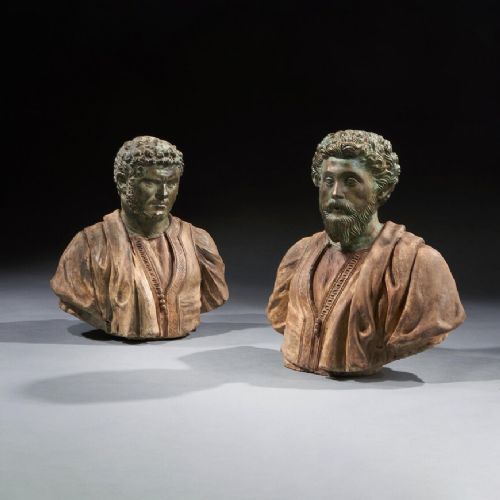
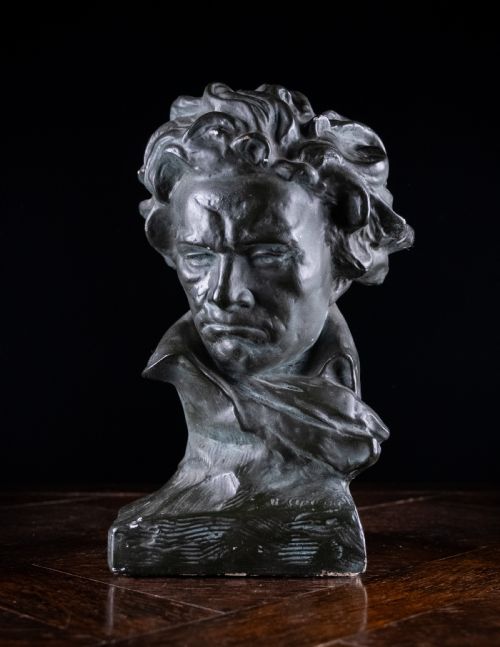
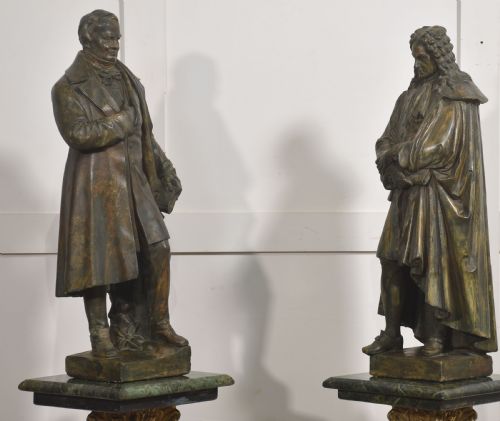
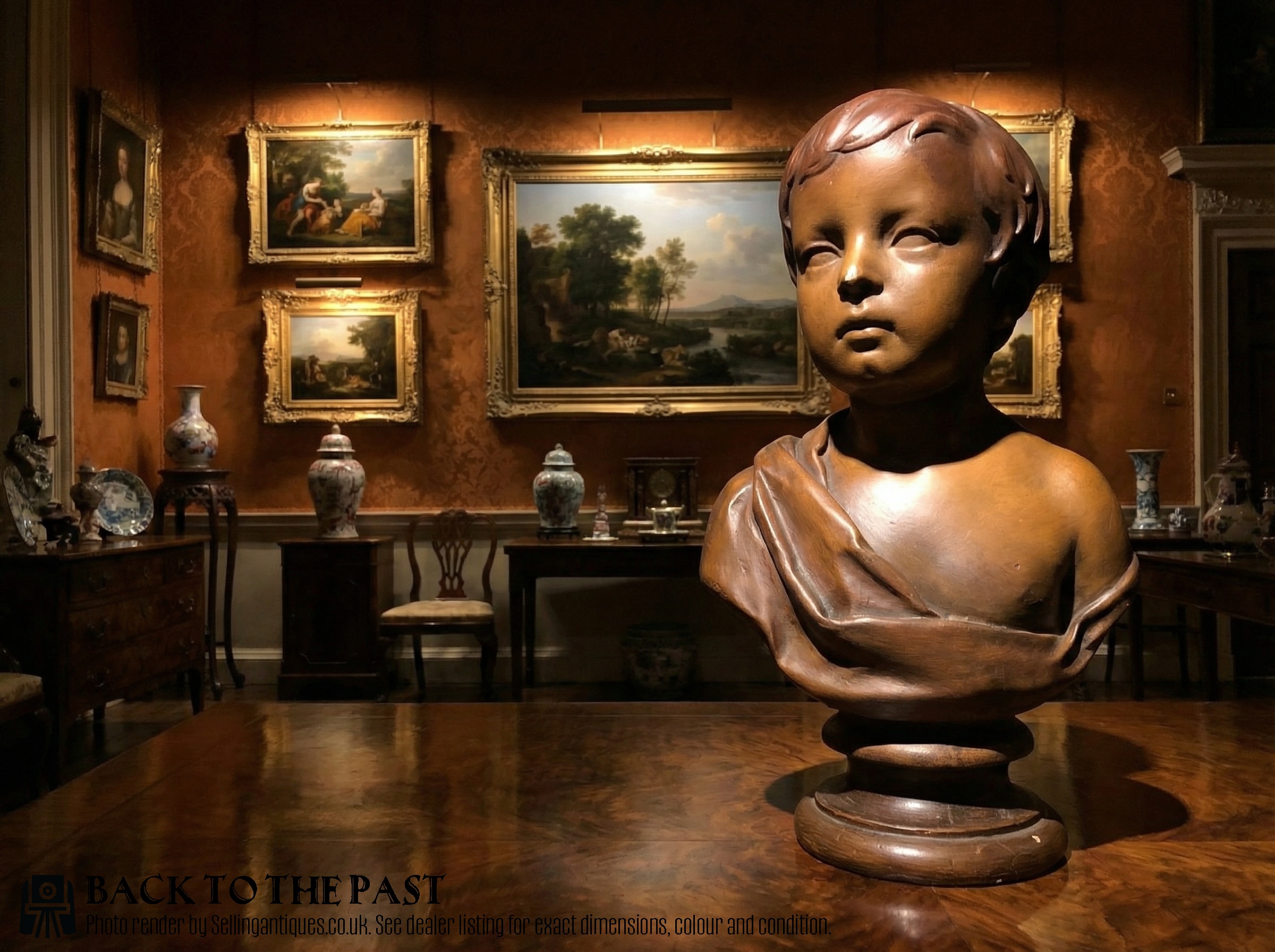
These bronzed plaster sculpture pieces capture the weight and finish of metalwork through moulded compositions, offering classical forms for interior display.
Bronzed Plaster Sculpture
When you search for bronzed plaster sculpture, you are looking at moulded works finished to imitate metal, ranging from classical busts to figural studies. The pieces on this page span the Georgian, Regency, Victorian, Edwardian, and Art Deco eras, reflecting centuries of decorative taste. Busts of historical figures, classical deities, and literary subjects appear alongside wall plaques and figural groups.
The assortment includes portraits of emperors like Marcus Aurelius, Augustus, and Caracalla, alongside musicians, muses, and mythological subjects like the Dancing Faun. Many items draw directly from Grand Tour traditions, bringing antique sculpture into domestic interiors through accessible mediums. You will find both single figures and balanced pairs designed for mantelpieces, pedestals, and libraries.
How they were made
These works rely primarily on plaster or chalkware, cast in moulds taken from original carvings or modelled directly by sculptors. Artisans applied surface treatments including paint, bronze patina, and verdigris patina to simulate aged metal surfaces. Some examples incorporate wooden elements or stands to support the main composition.
Moulding allowed workshops to replicate intricate classical details, from the curls of a lion's mane to the drapery of a classical robe. The finishing stage involved careful application of dark pigments and metallic tones to catch the light across modelled surfaces, distinguishing these decorative pieces from plain white plaster casts.
Romans, musicians, muses, and dancing fauns share shelf space here, overseen by a remarkably stern-looking lion.
What varies in quality
The depth and longevity of the surface finish also separate standard items from finer works. A well-applied bronze or verdigris patina interacts convincingly with light, whereas flat paint applications can obscure the underlying form. The authority of the original model, particularly when associated with known sculptors, elevates the standing of the piece.
Dopmeier·Humphrey Hopper·Antoine-Felix Bouré·L.Somners Smith ARWA
The Bronzed Plaster Sculpture Glossary
- Chalkware
- A type of moulded gypsum plaster, often painted or patinated to resemble more expensive materials. It served as a popular medium for decorative figures throughout the nineteenth century.
- Patina
- The surface coloration and sheen developed naturally over time or applied artificially by artists to simulate aged bronze. It adds visual depth to plaster casts.
- Grand Tour
- A cultural journey undertaken by wealthy young Europeans to view classical antiquities, inspiring the acquisition of miniature busts and figures upon their return.
- Torchere
- A tall ornamental stand or pedestal designed to support a sculpture, bust, or light fixture. They frequently accompany classical figures in period interiors.
- Verdigris
- A green patina that forms on copper and bronze through oxidation, replicated on plaster sculptures to suggest ancient antiquity.
Bronzed Plaster Sculpture: Frequently Asked Questions
Are these sculptures solid bronze?
These items are formed from plaster, chalkware, or terracotta rather than solid metal. Artisans applied specialised bronze or verdigris patinas to give the appearance of cast bronze while keeping the weight manageable.
Examining the underside or any small chips will usually reveal the white or cream plaster base beneath the dark surface finish.
What is a library bust?
Library busts depict historical figures, philosophers, poets, or emperors and were traditionally displayed in nineteenth-century studies and libraries. They served both as decorative objects and as symbols of classical learning and refined taste.
Subjects like Marcus Aurelius, Beethoven, and Homer were common choices for these scholarly domestic displays.
How can I tell the period of a plaster bust?
Dating relies on stylistic clues, mounting techniques, and the character of the surface patination. Nineteenth-century works often favour Neoclassical and Victorian academic realism, while later pieces reflect Art Deco or early twentieth-century simplification.
Inscriptions, maker signatures, and the type of base material also provide reliable indicators of age.