
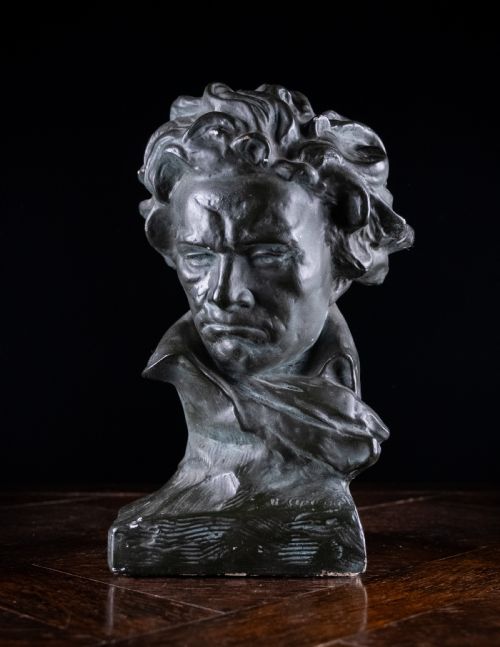
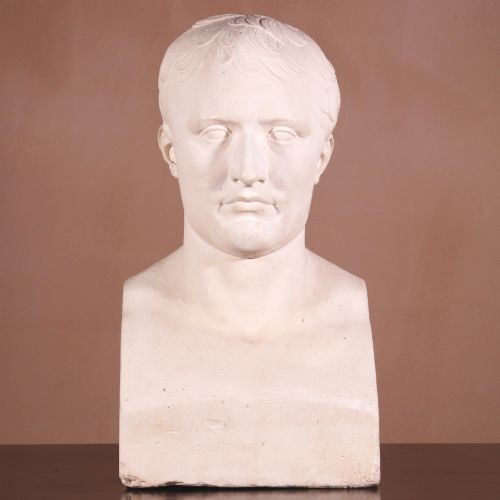
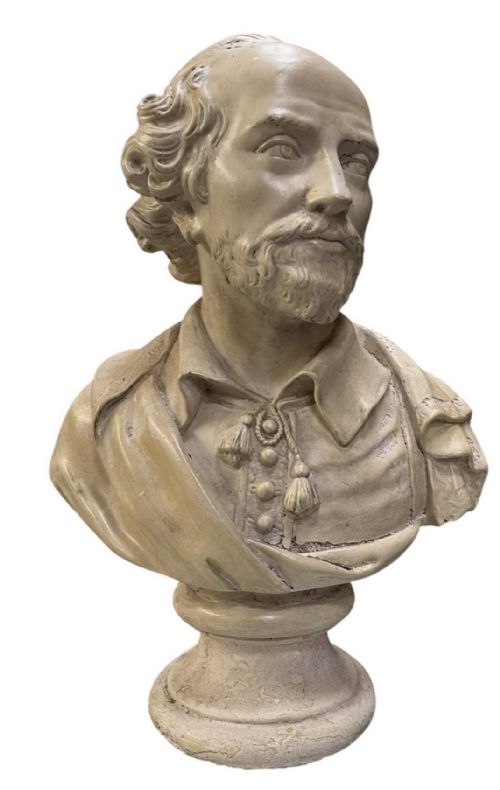


Plaster Portrait Sculpture
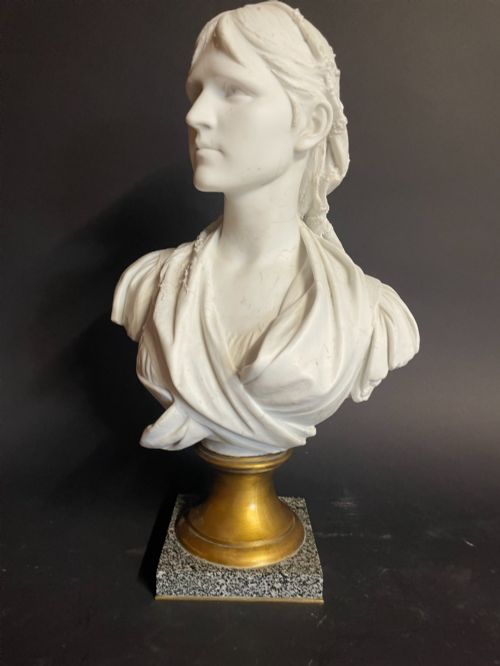
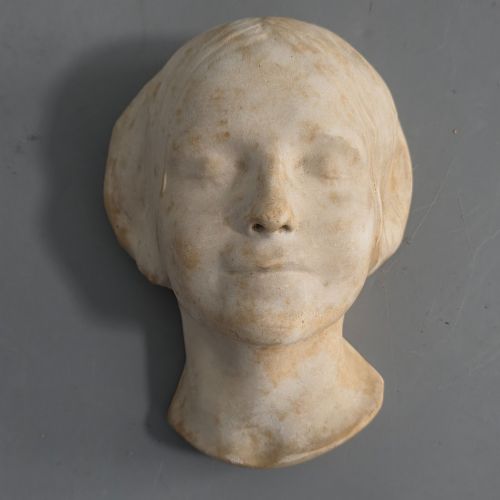
Plaster portrait sculpture offers a direct line to historical figures and classical forms, capturing character through delicate moulding and textured surfaces.
Plaster Portrait Sculpture
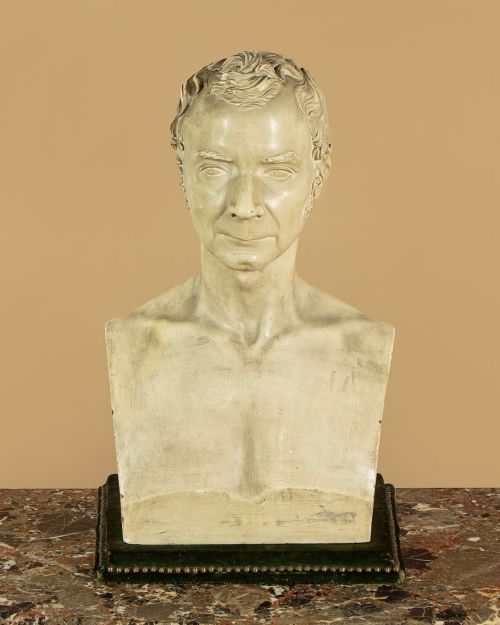
When you search for plaster portrait sculpture, you encounter likenesses ranging from classical historical figures like Homer and Caesar to 19th-century gentlemen and artists.
The selections on this page span the 19th century through the Art Deco era, encompassing Victorian and Edwardian library busts as well as wall plaques.
You are most likely to meet modest painted plaster or simulated stone busts designed for domestic display rather than grand public monuments.
Materials and construction
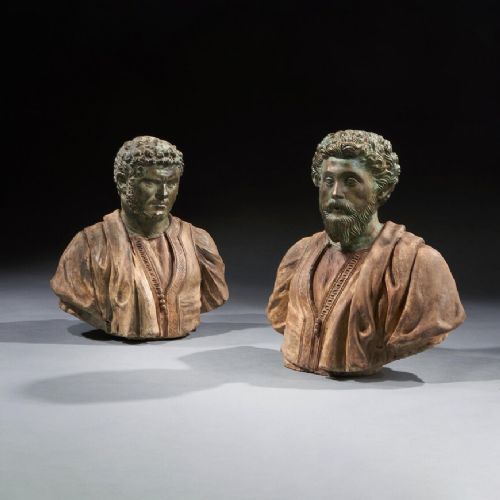
These pieces rely on plaster cast from moulds, sometimes incorporating paint, patination, or bronzing to simulate heavier metals or stone.
Makers often integrated supporting elements like wood brackets, brass mounts, or alabaster bases to stabilize the cast figures.
Alternative pieces utilise terracotta or stone, sharing similar sculptural techniques to capture fine facial details and drapery.
The listings here feature plaster alongside terracotta, wood, marble, brass, granite, and alabaster across multiple centuries.
Distinctions in quality
The fineness of the modelling separates superior portrait sculpture from routine casts, particularly in the rendering of hair, expression, and musculature.
Surface finish dictates visual depth, where skilled application of paint or patination highlights the contours rather than obscuring fine details under heavy layers.
Provenance and documented authorship by known modellers elevate specific library and gallery pieces above anonymous workshop productions.
Raffaelo Monti·Bohumil Rezl·Antonio Rossellino
The Plaster Portrait Sculpture Glossary
- Plaster
- A workable mixture of gypsum and water poured into moulds to set. This material allows intricate sculptural detail at a manageable weight.
- Bust
- A sculpted representation of a person from the chest or shoulders up. These forms focus attention entirely on facial expression and likeness.
- Patination
- The surface ageing or coloration applied to a piece. This process creates the illusion of bronze, terracotta, or aged stone on plaster.
- Neoclassical
- A style drawing inspiration from classical antiquity. It dominates many 19th-century representations of emperors, poets, and philosophers.
- Wall plaque
- A flat-backed sculptural relief designed for hanging. These items offer portraiture in a format suited to narrower wall spaces.
Plaster Portrait Sculpture: Frequently Asked Questions
Where should I display a bust?
Place library busts on sturdy shelves, brackets, or pedestals away from direct sunlight and damp environments to protect the plaster.
Ensure the location supports the weight of the piece securely, particularly if it includes a wooden base or metal mount.
Are these pieces heavy?
Plaster is moderately heavy depending on the thickness of the cast and any added wooden or stone mounts.
Larger library busts require stable placement to prevent tipping during dusting or accidental bumps.
How do I date a plaster bust?
Examine the style of the clothing, hair, and base construction alongside any painted markings or signatures on the reverse.
Comparative pieces from the 19th century and Edwardian eras share specific casting methods and patination styles.