

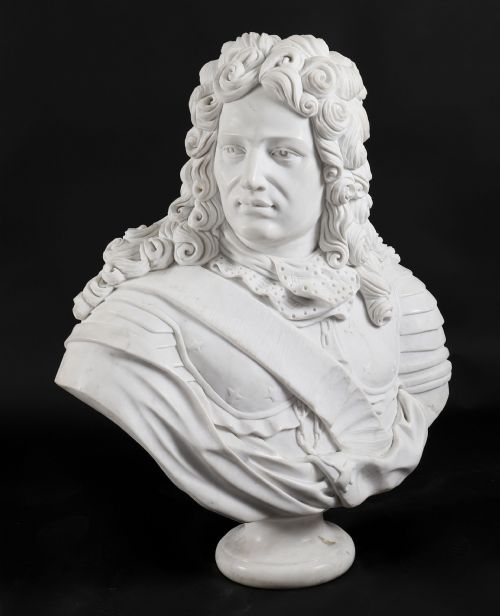
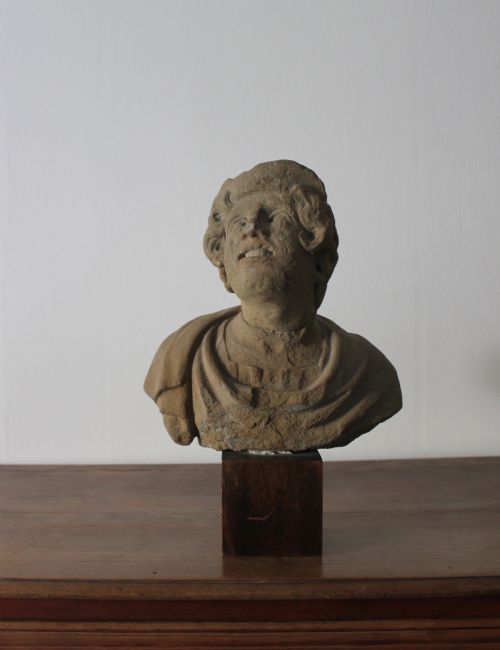
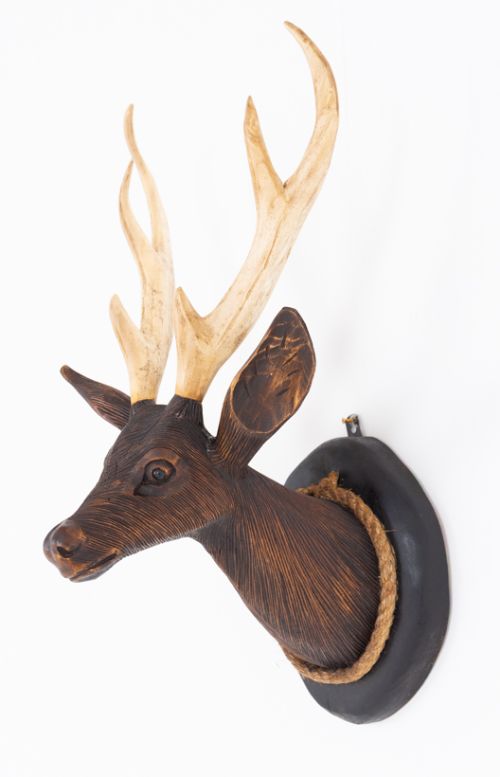
Antique Head Sculpture
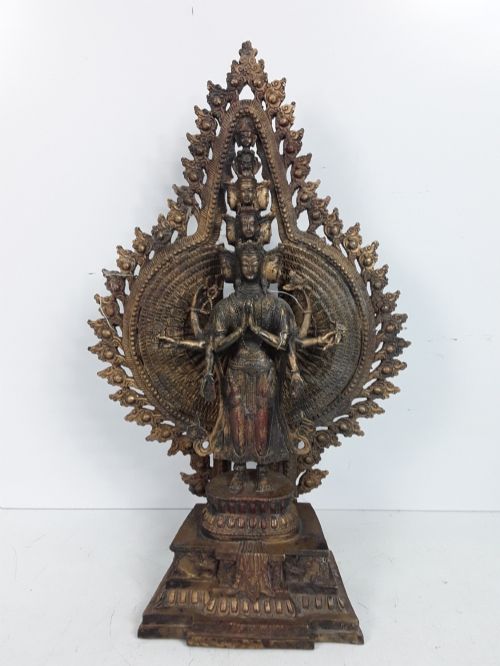
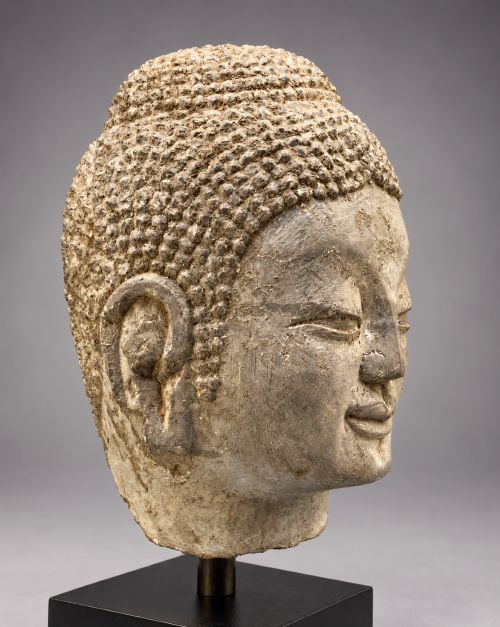
These antique head sculpture pieces bring classical presence and detailed portraiture into a room.
Antique Head Sculpture
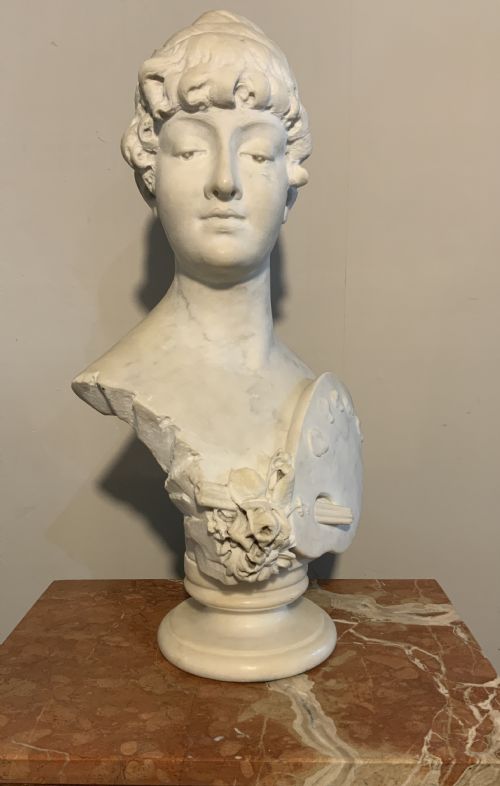
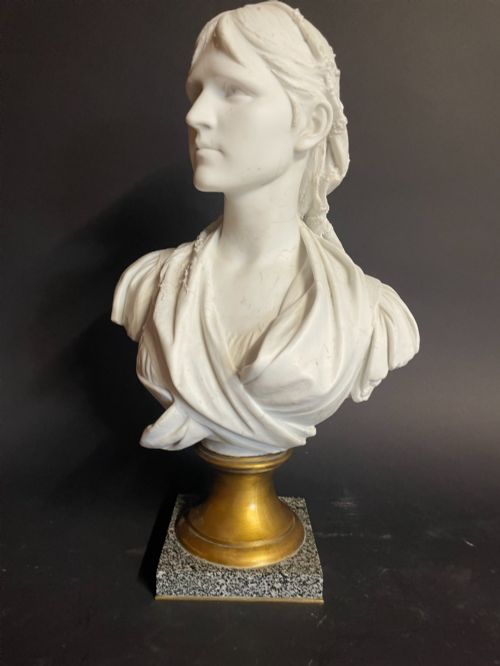
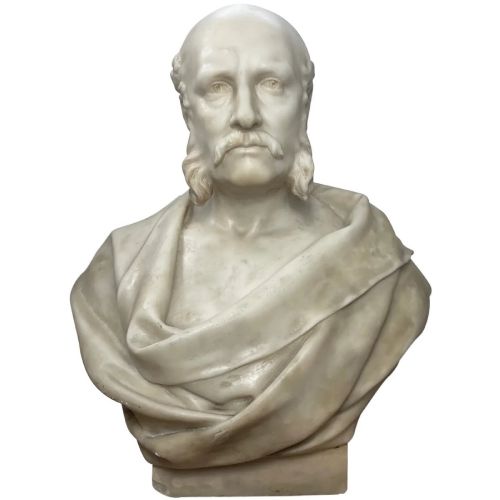
An antique head sculpture focuses the human or animal form into a concentrated study of expression, character and form. When exploring antique head sculpture selections, buyers encounter everything from classical marble portraits to carved timber figures and architectural fragments.
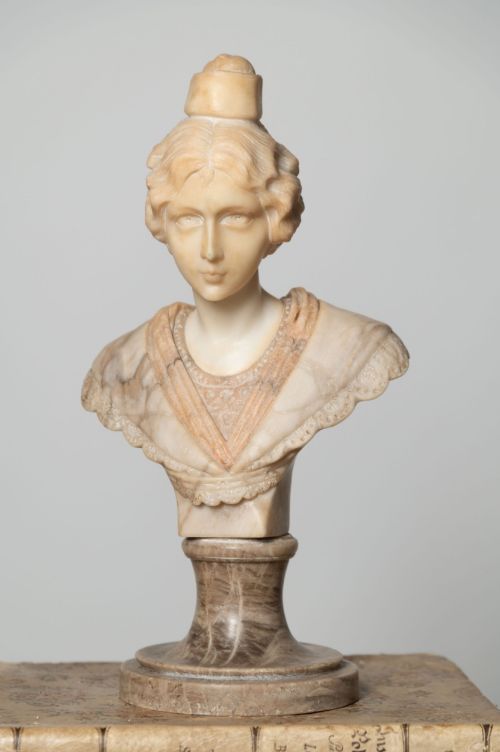
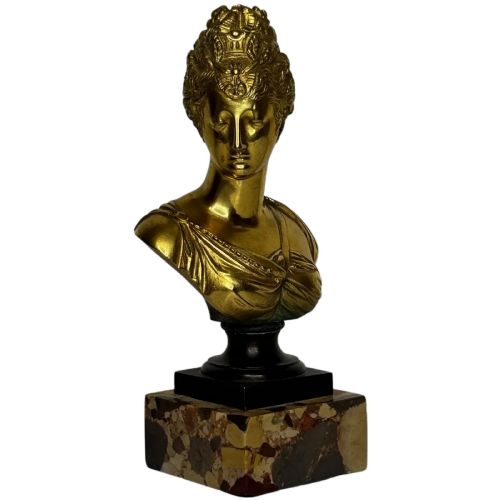
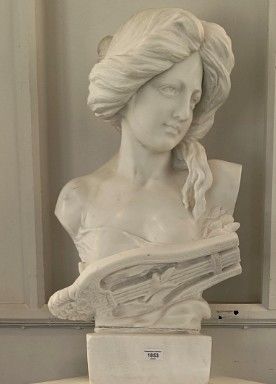
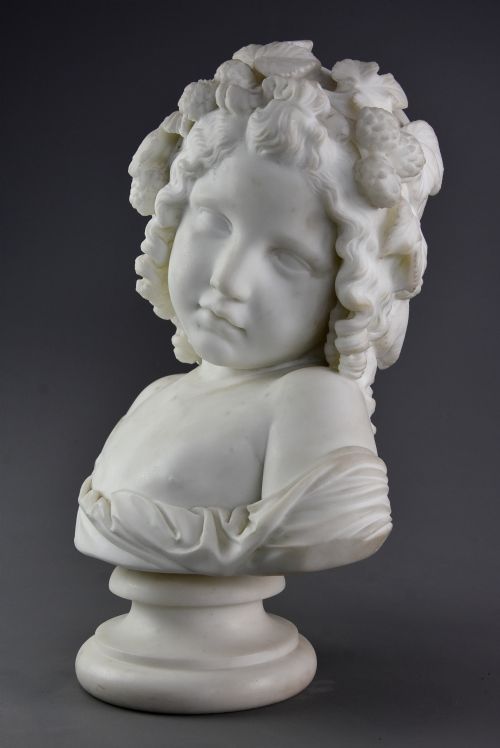
The material range spans white Carrara marble, cast bronze, carved wood, limestone, alabaster and plaster. These works draw upon Neoclassical, Victorian, Baroque, Art Nouveau and Classical Revival aesthetics.
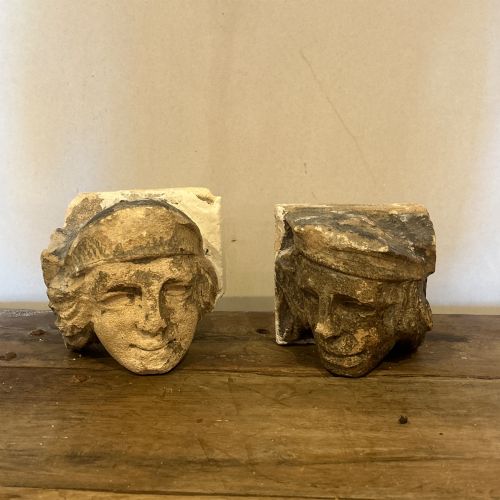
Many examples represent historical figures, mythological subjects, literary characters or civic worthies. Architectural elements such as stone corbels and theatrical props also appear alongside standalone portrait busts.
How they were made
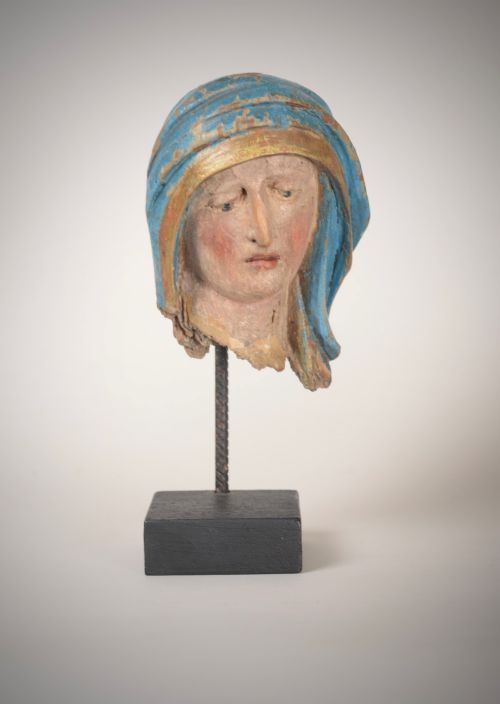
Sculptors carved stone and marble by hand using chisels and rasps to achieve subtle shifts in surface and contour. Wood carvers utilised timber such as olive wood or walnut, sometimes adding polychrome paint and gilding.
Bronze works relied on the lost-wax casting method followed by hand chasing and patination to articulate hair and drapery. Plaster pieces were cast from moulds and frequently painted or bronzed to simulate heavier metals.
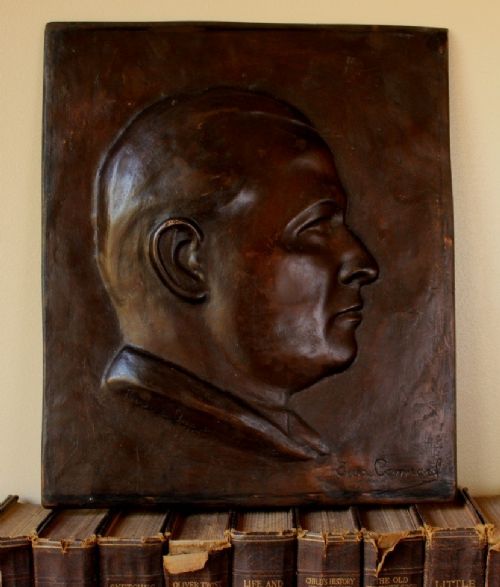
Makers integrated various media, combining alabaster with marble or mounting bronze plaques upon timber panels. These traditional processes required patience and specialist skill across both foundry and studio.
Listings feature materials ranging from Carrara marble and cast bronze to carved wood, alabaster and painted plaster across the nineteenth and twentieth centuries.
What varies in quality
The fidelity of the anatomical modelling dictates the visual success of the piece, separating mechanical copies from expressive works. Fine carvers capture tension in the neck muscles and subtle moisture in the eyes, whereas lesser pieces remain stiff and formulaic.
Surface finish and patination define the depth of the sculpture. A carefully chased bronze or a finely polished marble reveals light across the contours, while heavy or flat paint obscures the underlying form.
The reputation of the sculptor and the clarity of the signature or foundry mark influence the standing of the work. Signed pieces by established makers demonstrate superior execution in the handling of hair, drapery and facial expression.
Eugene Canneel·Houdon·Eugene Aizelin·Emmanuel Villanis·Raffaelo Monti·Auguste Henri Carli·George Henry Paulin·Epstein
The Antique Head Sculpture Glossary
- Bust
- A sculpture representing a person from the chest or shoulders up. This format focuses attention entirely on the facial expression and hairstyle.
- Corbel
- A structural piece of stone projecting from a wall to support a weight. Medieval and 19th-century examples often take carved human or animal head forms.
- Patina
- The surface sheen or coloration developed on bronze, wood or metal over time or through chemical treatment. A rich patina enhances the perceived depth of the material.
- Polychrome
- Painted in several colours. This technique appears on wood and stone sculptures to impart realistic flesh tones and garment details.
- Terracotta
- Baked clay used for sculptural models and figures. It allows fine detail before firing and gains a characteristic matte texture.
Antique Head Sculpture: Frequently Asked Questions
Where should I place a heavy marble bust?
Heavy marble and stone sculptures require a sturdy, level surface such as a dedicated column, a heavy wooden sideboard or a low table. Placing the piece at eye level allows the viewer to appreciate the modelling of the face and the fall of the hair.
Ensure the furniture weight capacity matches the sculpture to prevent tipping. Positioning the piece away from direct heat sources protects the stone and any underlying wooden support.
How do I clean a bronze or plaster head?
Dust bronze sculptures gently with a dry, soft microfibre cloth to remove surface particles. Avoid liquid cleaners that can strip the historic patina.
Plaster pieces demand particular care because the material is porous and soft. Use a dry, soft brush to sweep away dust without applying moisture or rubbing the painted surface.
What is the difference between a bust and a mask?
A bust includes the head, neck and shoulders or upper chest, often mounted on a socle or integrated base. This three-dimensional form presents the subject from multiple angles.
A mask or wall sculpture represents only the face and is designed to hang flat against a vertical surface. Architectural corbels and wall plaques function similarly as structural or decorative reliefs.
How can I tell if a sculpture is cast or carved?
Carved stone, marble and wood display tool marks, chisel facets or the natural grain of the material under close inspection. Every carved line is unique to the maker hand.
Cast bronze, iron or plaster exhibits smooth, uniform surfaces or seam lines from the mould. Metal castings may show chasing marks where the foundry smoothed the raw metal after removal from the mould.