
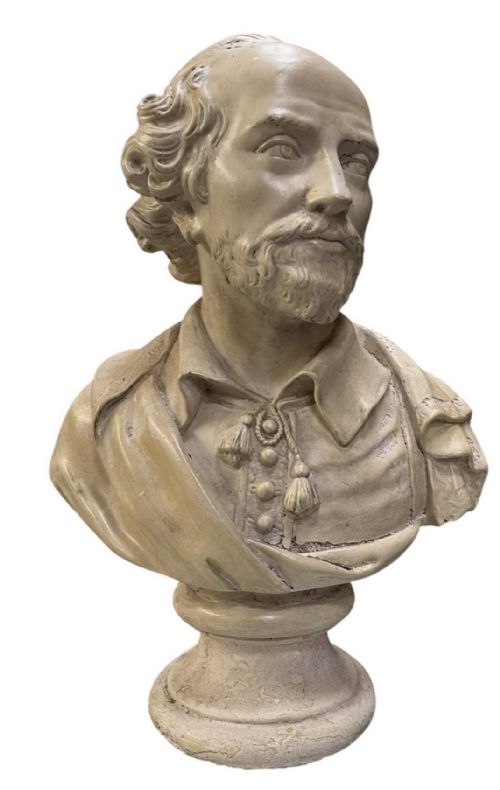


White Plaster Portrait Bust
White plaster portrait bust works of art capture likenesses in monochrome, offering tactile dignity and classical presence for any room.
White Plaster Portrait Bust
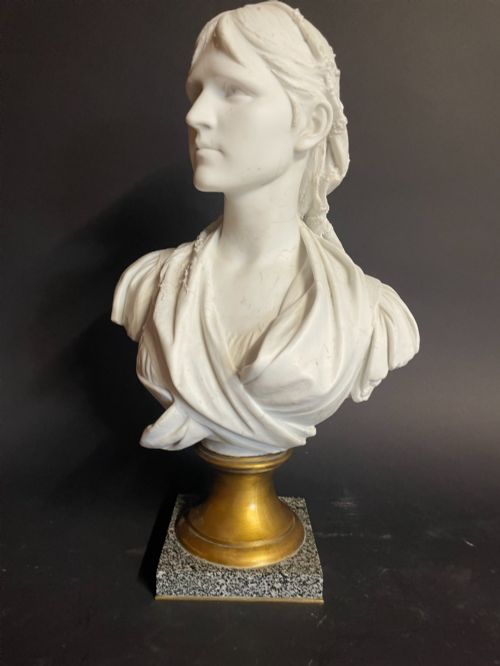
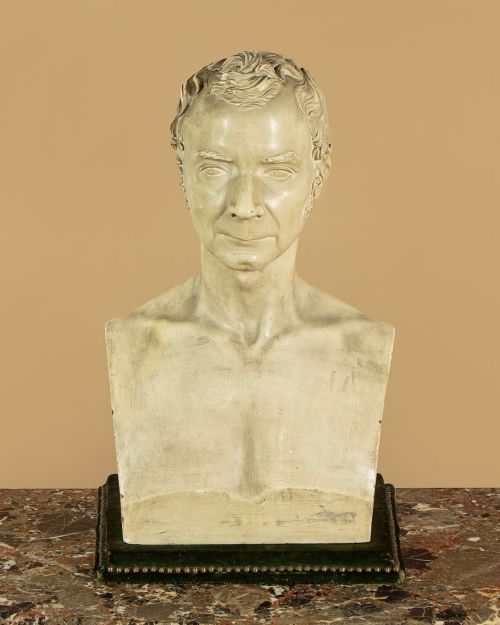
A white plaster portrait bust brings historic figures, literary icons, and unidentified sitters into domestic spaces with quiet gravity. When you search for a white plaster portrait bust, you encounter pieces rendered in moulded plaster, often mounted on brass, granite, or ebonised wood supports.
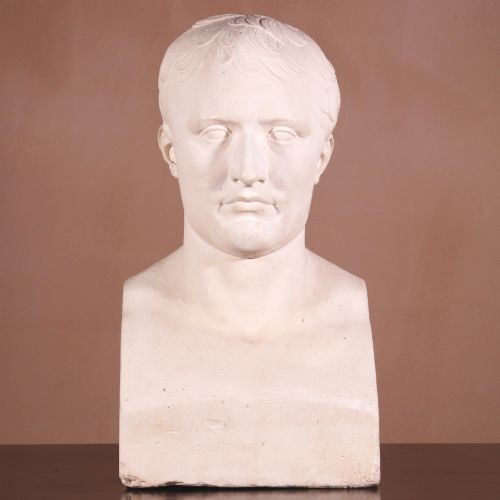
The selections span the nineteenth century, including Georgian neoclassical library pieces and later interpretations of classical subjects such as Homer, Shakespeare, and Napoleon. These sculptures take various forms, from life-sized library busts on brackets down to smaller scale likenesses.
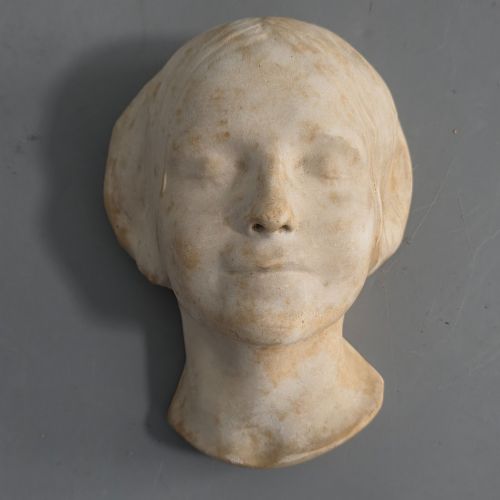
You also meet death masks and Italian studies that emulate carved marble through smooth plaster surfaces. Each piece reflects the enduring appeal of classical portraiture captured in an accessible medium.
Materials and construction methods
Makers formed these sculptures primarily using plaster, pouring the material into moulds taken from original sculpted models or life casts. Some examples incorporate contrasting elements such as brass brackets, marble bases, or ebonised wood mounts to elevate the main white form.
Napoleon remains a silent guest in plaster, watching over nineteenth-century studies with enduring neoclassical intensity.
Assessing quality in plaster portraiture
Quality rests in the crispness of the modelling and the sensitivity of the facial expression, where sharper lines reveal a more skilled hand behind the original mould. Softer casts lose the nuance in hair curls and fabric folds, appearing flat rather than sculptural.
The integrity of the surface finish and the solidity of the mounting, whether on marble, granite, or wood, distinguish standard decorative casts from superior library pieces. Proportion and balance in the casting process determine how convincingly the plaster imitates carved stone.
Raffaelo Monti·James Tassie
The White Plaster Portrait Bust Glossary
- Plaster
- A building and sculpting material made from gypsum, mixed with water and allowed to set in a mould. It provides a smooth surface that takes fine detail.
- Neoclassical
- A style spanning the eighteenth and nineteenth centuries that draws inspiration from the classical art and culture of ancient Greece and Rome. It emphasises restraint, proportion, and classical subjects.
- Death mask
- A cast taken of a person's face shortly after death, often using wax or plaster. These casts served as a basis for sculptural portraits.
- Cameo
- A method of carving or moulding an object, such as a portrait miniature, where a raised relief image stands out from a background of a different colour. Pressed white glass paste was often utilised for this effect.
- Library bust
- A sculptural portrait intended for display in a study or library, usually depicting a philosopher, poet, or historical figure to inspire intellectual pursuits.
White Plaster Portrait Bust: Frequently Asked Questions
What subjects do these busts typically represent?
These sculptures depict literary figures, historical commanders, and classical poets alongside anonymous gentlemen and women.
Subjects like Homer, Shakespeare, and Napoleon appear frequently alongside library busts of classical personages.
How should I display a plaster bust?
Plaster pieces suit stable indoor environments away from direct moisture and heavy handling. Placing them on sturdy brackets, bookshelves, or dedicated pedestals ensures safety.
Dust them gently with a soft dry brush rather than liquid cleaners to preserve the matte surface.
How can I tell the age of a plaster bust?
Age is indicated by the style of the mounting, the colour and patina of the plaster, and any inscribed details or signatures on the truncation.
Nineteenth-century examples often feature specific mounting materials like ebonised wood or brass brackets characteristic of the period.