


Grand Tour Style Bust
A grand tour style bust brings the carved likenesses of classical antiquity, emperors and poets straight into the nineteenth-century study.

Grand Tour Style Bust
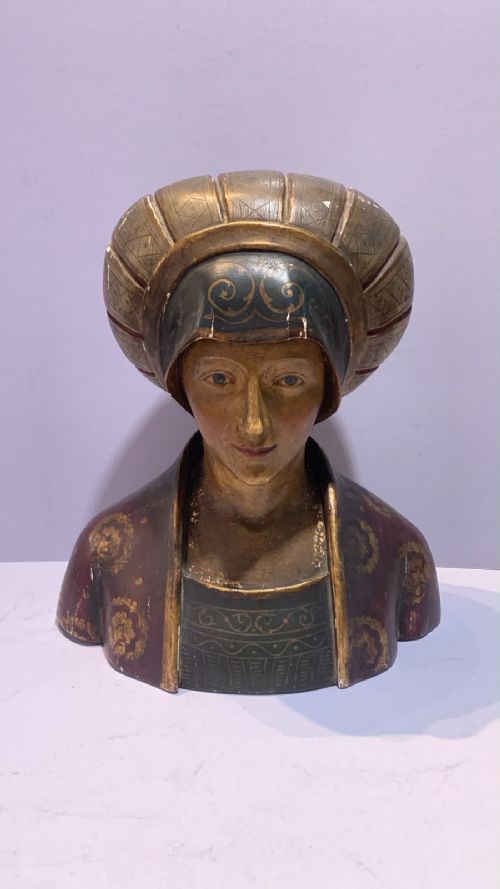
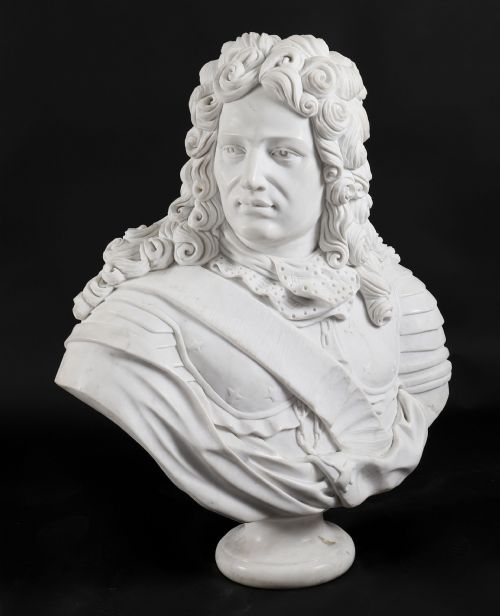
When you search for a grand tour style bust, you encounter sculptural portraits and profile plaques inspired by the classical art of ancient Greece and Rome. These pieces emerged as souvenirs or scholarly furnishings for travellers undertaking the cultural journey across Europe, particularly Italy, during the eighteenth and nineteenth centuries.
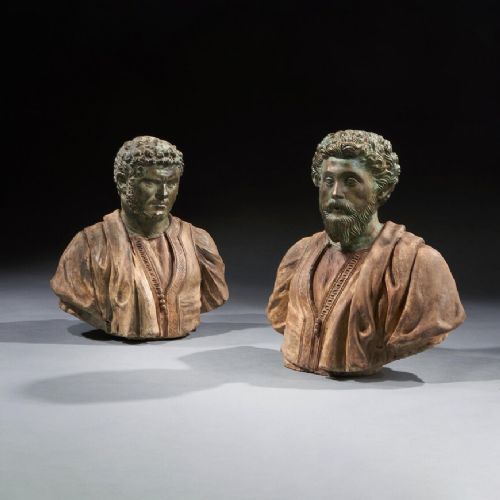
The versions most commonly met on this page date from the nineteenth century, reflecting Victorian and later revivals of neoclassical taste. They depict notable figures ranging from Roman emperors such as Marcus Aurelius, Augustus, and Caracalla to classical heroes, noblemen, and philosophers.
Subjects also extend to mythological and literary figures, including Dante, Virgil, and the Charioteer of Delphi. You will find them modelled in varied forms, from freestanding library busts on pedestals to wall plaques and figural ewers.
How they were made
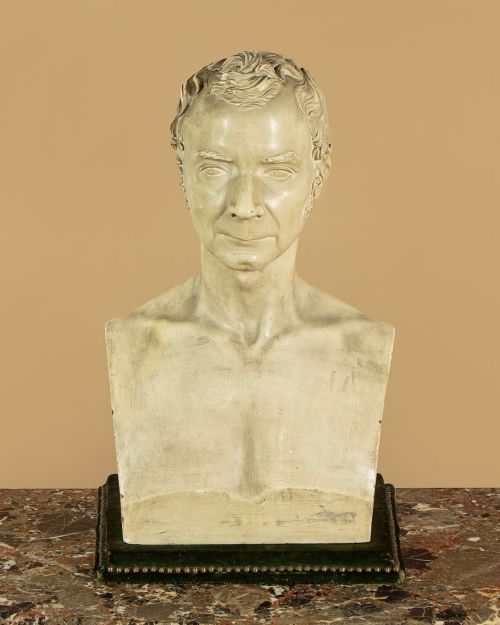
Makers fashioned these pieces using materials that ranged from high-status carved white marble and cast bronze to more accessible mediums such as plaster, terracotta, and stone. Plaster versions were frequently painted, patinated, or bronzed to simulate heavier, more costly metal or aged stone surfaces.
Casting and carving techniques varied according to the medium, with bronzes showing careful chasing and patination, whilst plaster pieces relied on moulds taken from classical antiquities. Sculptors employed classical revival and neoclassical idioms to capture the gravitas of antiquity in miniature or bust-size format.
Grand Tour Style Bust Retail Price Guide 2026
Typical asking prices for grand tour style bust among the pieces listed under this phrase on Sellingantiques today, from the lower quarter to the upper quarter. They describe what is for sale here now, not the wider market.
One exceptional bust depicts the Charioteer of Delphi, proving that tourists fancied bringing home a charioteer even without the chariot.
What varies in quality
The choice of material and surface finish further distinguishes the pieces, as heavy marbles and finely chased bronzes occupy the upper tier of craftsmanship. Conversely, standard plaster castings with heavy or flat paint layers represent the more commercial souvenirs produced for the wider tourist market.
Mathurin Moreau
The Grand Tour Style Bust Glossary
- Grand Tour
- A traditional journey of Europe undertaken by upper-class European young men of sufficient status and wealth to flourish intellectual and cultural education. The souvenirs brought back from this trip heavily influenced nineteenth-century domestic interiors.
- Neoclassical
- A Western cultural movement in the decorative and visual arts beginning in the mid-eighteenth century, drawing inspiration from the art and culture of classical antiquity. This style dictates the austere lines and heroic subjects seen in many nineteenth-century sculptures.
- Patination
- The process by which a surface ages, changes, or is chemically treated to acquire a specific colour and texture. Artists often applied artificial patination to plaster or terracotta to mimic ancient weathered bronze.
- Terracotta
- Fired clay used unglazed for sculptural works, capable of holding fine detail before being painted or patinated. It provided a versatile medium for portrait busts during the classical revival.
- Profile plaque
- A sculptural relief piece depicting a subject from the side rather than head-on, echoing ancient coin designs. These wall-mounted pieces often featured literary figures such as Dante and Virgil.
Grand Tour Style Bust: Frequently Asked Questions
What is a grand tour style bust?
A grand tour style bust is a sculptural portrait modelled after classical Greek and Roman antiquities, produced primarily during the eighteenth and nineteenth centuries as a cultural souvenir.
These pieces served as scholarly ornaments for libraries and studies, reflecting the widespread European fascination with classical history and art.
Who are the subjects of these busts?
Subjects typically include Roman emperors like Augustus and Marcus Aurelius, classical philosophers, poets such as Dante and Virgil, and mythological figures.
Travellers collected likenesses of these revered historical and literary figures to demonstrate their classical education and refined taste.
What materials were used to make them?
Makers utilised a range of materials depending on the desired cost and effect, including carved white marble, cast bronze, terracotta, and plaster.
Plaster versions were frequently painted, patinated, or bronzed to imitate the appearance of heavier metal or stone originals.
How do I style a grand tour bust at home?
These busts suit traditional library settings, studies, and mantelpieces where their architectural forms add historical gravity to a room.
Pairing a plaster or marble bust with old books or dark wood furniture enhances their nineteenth-century scholarly aesthetic.