



Victorian Gentleman Bust
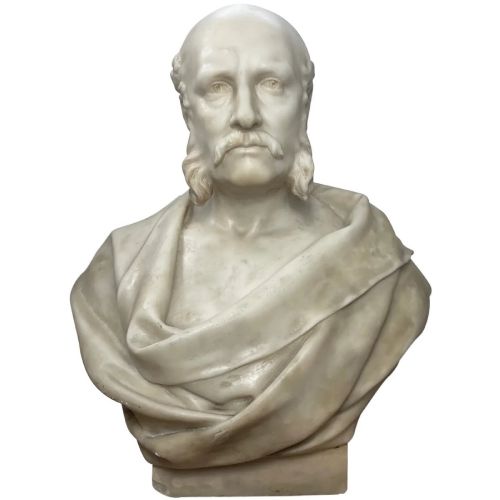
A victorian gentleman bust captures the gravitas and character of the nineteenth century in carved marble, cast bronze, or plaster.
Victorian Gentleman Bust
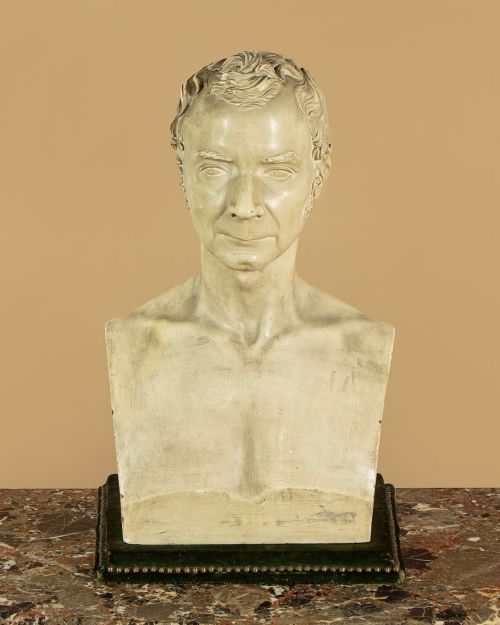
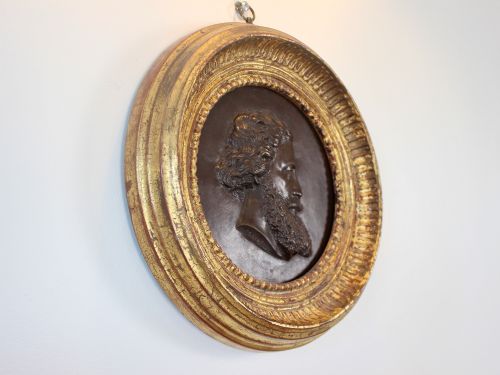
A victorian gentleman bust takes many forms across the evidence, appearing as monumental civic portraits, modest plaster studies, and detailed bronze plaques. You will frequently encounter carved marble pieces alongside painted plaster versions and cast bronze sculptures representing identifiable historical figures or anonymous sitters.
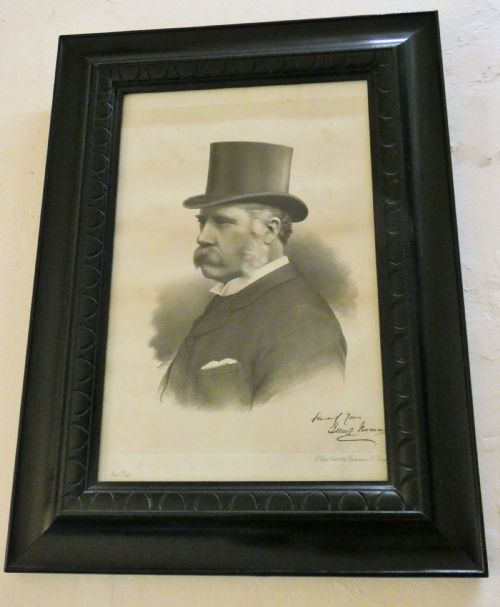
These portraits reflect the aesthetic values of the nineteenth century, drawing on classical and gothic revival influences to celebrate civic leaders, churchmen, medical professionals, and naval officers. The selection ranges from wall-mounted plaques and oil paintings to substantial three-dimensional sculptures designed for prominent display.
Materials and Construction
Makers shaped these portrait pieces using traditional sculptural materials, most notably white and veined marble, cast bronze, and moulded plaster. Stone carvers worked directly with marble to achieve smooth facial contours, while founders poured bronze to capture fine details like beards and formal attire.
Plaster versions often received surface pigment or simulated stone finishes to mimic heavier materials, while other works combined marble with giltwood supports or mounting elements. Painters and printmakers also recorded similar subjects on paper and canvas using oils and watercolours.
Even a stern naval gentleman or bearded doctor needs a gentle dusting behind the ears every now and then.
Assessing Quality and Execution
The choice of material similarly dictates the character of the object, with solid carved marble and signed bronze casts representing the most ambitious efforts. Ephemera and works on paper offer a different register of portraiture compared to heavy stone and metal sculptures.
John Wenlock Rollins·Sir Thomas Brock·E A Foley·Mainfroy
The Victorian Gentleman Bust Glossary
- Marble
- A metamorphic rock prized by sculptors for its fine grain and ability to take a polished finish. It forms the primary medium for the most substantial portrait busts.
- Bronze
- An alloy of copper and tin shaped through lost-wax casting. This metal allows for intricate detail in rendering hair, expressions, and period clothing.
- Plaster
- A composition material mixed with water and poured into moulds to create sculptural forms. It serves as an accessible medium for detailed portraiture.
- Gothic Revival
- An architectural and artistic movement drawing inspiration from medieval design. Objects from this style often incorporate pointed arches and historical ornamentation.
Victorian Gentleman Bust: Frequently Asked Questions
How were these busts displayed?
Sculptors and sitters typically placed these portrait busts on heavy wooden pedestals, library tables, or column brackets within domestic halls and civic libraries.
Heavier marble and bronze pieces required sturdy furniture to support their considerable weight safely.
What subjects do these portraits show?
The sitters encompass notable figures such as clergymen, naval officers, medical doctors, and civic leaders of the nineteenth century.
Many other pieces depict anonymous gentlemen, scholars, or medieval subjects captured in plaster and stone.
How do I care for a marble bust?
Dust marble surfaces gently with a dry, soft cloth to prevent particulate accumulation in the carved crevices of the stone.
Avoid using water, chemical cleaners, or oils, which can penetrate porous marble or disturb historic plaster finishes.
Can plaster busts be repaired?
Plaster is a relatively soft material that is susceptible to chips and surface wear over long periods of handling.
Specialist conservators can stabilise damaged plaster using compatible adhesives and surface retouching techniques.