



Classical Plaster Head
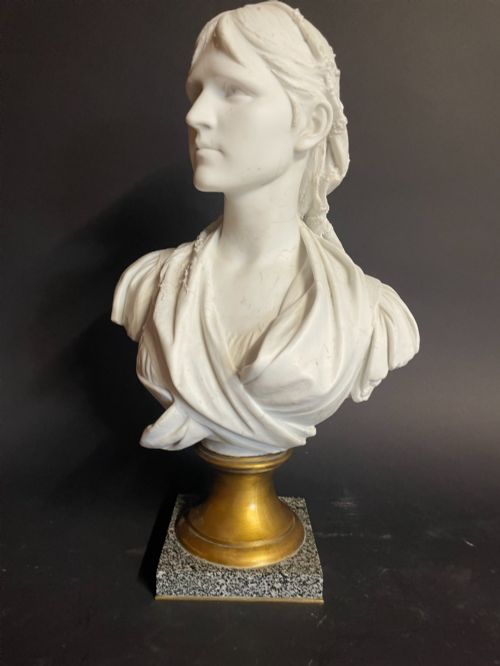
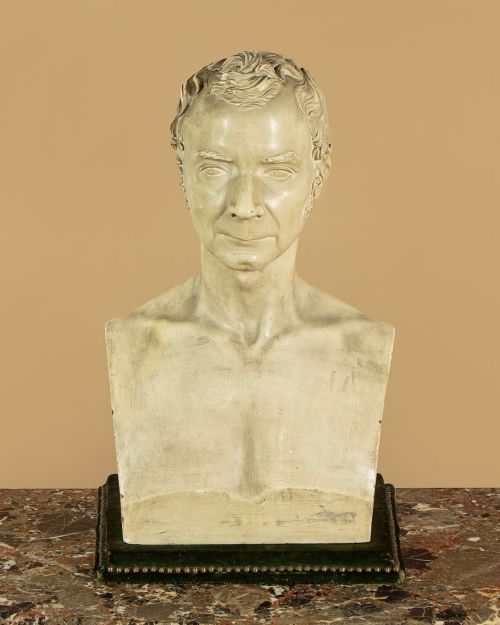
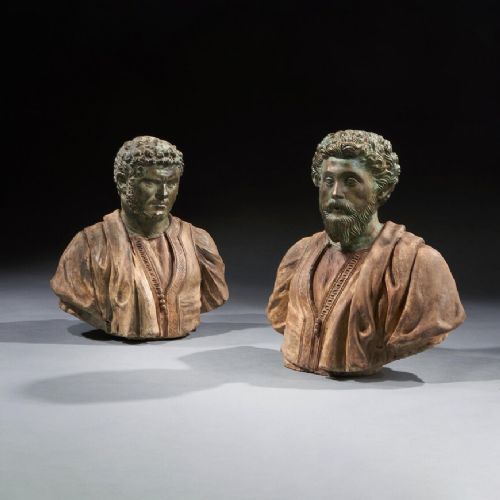
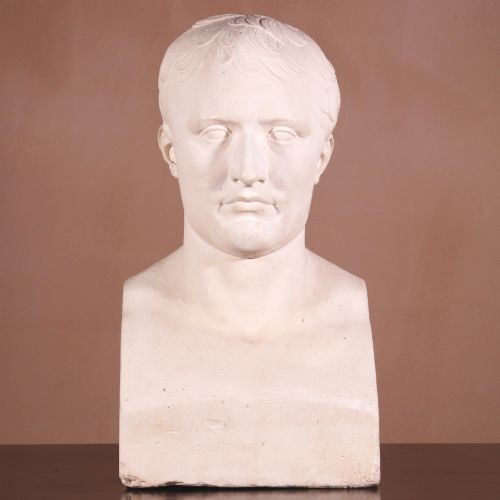
A classical plaster head brings the weight of antiquity and the grand manner straight into a room.
Classical Plaster Head
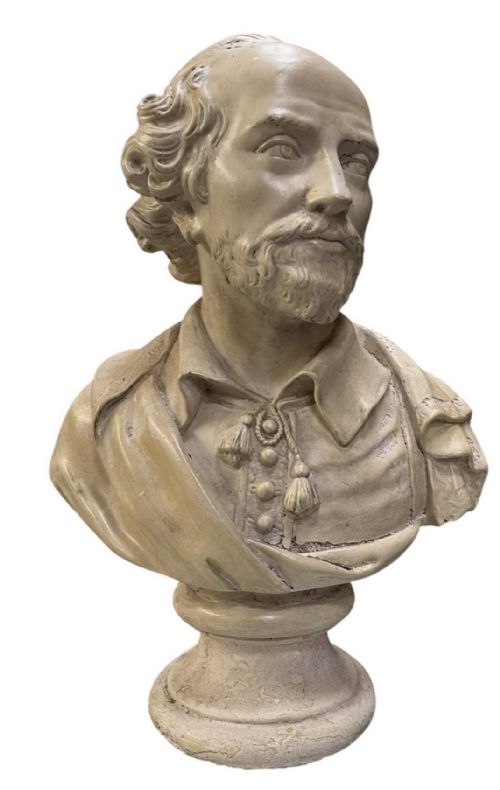
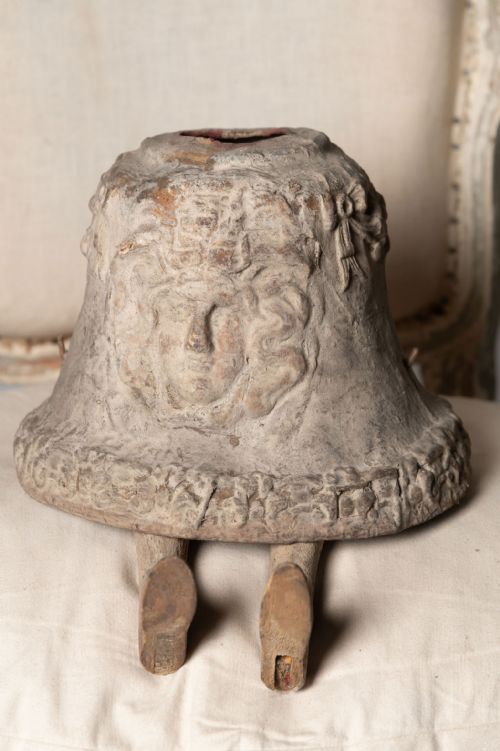
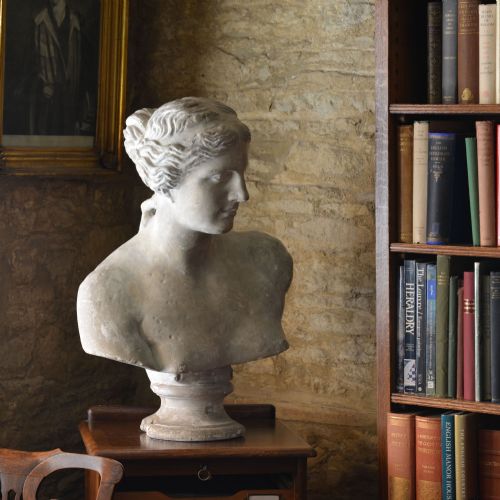
The versions most commonly met on this page date from the nineteenth century and the Edwardian era, rendered in styles spanning Neoclassical, Renaissance Revival, and Classical Revival. Subjects range from mythological figures like Venus and Bacchus to historical and cultural icons such as Beethoven, Shakespeare, and Napoleon. They appear as both substantial library busts mounted on brackets and as theatrical props or wall plaques.
Makers and modellers of the period used durable gypsum and plaster to cast likenesses after renowned antique marbles and bronzes. Some pieces present a stark white finish, whilst others show traces of historical paint, patination, or gesso. These works served as accessible alternatives to expensive marble carvings, allowing households to display classical sculpture.
Materials and Techniques
Plaster and gypsum form the primary body of these sculptures, poured into moulds taken from original carvings or new clay models. Artisans reinforced the plaster mixtures and often applied gesso layers to refine the surface details before casting. Wood and brass elements occasionally appear in supporting brackets or structural mounts attached to the busts.
Surface finishes vary from plain matte plaster to painted applications, gold leaf, and dark patination designed to mimic aged bronze or stone. Paint and patinated washes accentuate the carved musculature and facial expressions, giving depth to the Neoclassical and Italian Baroque forms. These layered finishes protect the porous plaster underneath while defining the overall aesthetic.
Listings feature periods spanning from the early nineteenth century through the Edwardian era and the Art Deco era, encompassing Neoclassical and Italian Baroque styles.
Assessing Quality and Execution
The integrity of the surface finish and the handling of patination or paint also distinguish finer examples. Original patinated surfaces and skilful gilding show a depth that enhances the sculptural form rather than obscuring it. The presence of maker signatures, period stamps, or documented provenance further elevates the standing of an individual piece.
Raffaelo Monti·Antonio Rossellino
The Classical Plaster Head Glossary
- Plaster
- A fine building material consisting of a mixture of gypsum, sand, and water, used extensively for casting sculptural busts and architectural ornaments. It hardens smoothly and accepts paint or patination readily.
- Gesso
- A plaster mix used as a base coat on wood or canvas, or applied to plaster casts to create a smooth surface before gilding or painting. It provides a dense layer that holds fine detail.
- Patination
- The ageing or artificial colouring applied to the surface of a sculpture to simulate the natural wear of bronze, marble, or stone. This treatment adds depth and character to the plaster form.
- Roundel
- A circular panel or wall plaque, often carved or cast in relief with a classical portrait head. These pieces were designed to be hung directly on walls as architectural decoration.
- Neoclassical
- A Western cultural movement drawing inspiration from the art and culture of classical antiquity. It manifests in these sculptures through restrained elegance, idealised proportions, and heroic subject matter.
Classical Plaster Head: Frequently Asked Questions
Where were these busts displayed originally?
Nineteenth-century libraries, studies, and drawing rooms frequently housed these plaster heads as symbols of learning and refined taste. Gentlemen and scholars used them to demonstrate an appreciation for classical antiquity and literature.
They sat upon bookshelves, brackets, and desks, serving both as decorative objects and as subjects for artistic study. Many pieces were also utilised within academic institutions and artists' studios.
How should I clean a plaster bust?
Dusting gently with a soft, dry brush or a feather duster remains the safest method for routine maintenance. Avoid using water or liquid cleaners, as porous plaster absorbs moisture and can easily dissolve or stain.
Professional restoration is recommended for painted or patinated surfaces that require deeper cleaning. Keeping the sculpture away from direct moisture preserves the integrity of the gypsum and any historic paint layers.
How can I tell the age of a plaster head?
Examining the surface wear, patination, and underlying material helps determine the period of manufacture. Nineteenth-century examples often exhibit characteristic yellowing, minor surface chips, and layered patination that differ from modern resin or plaster reproductions.
The style of the mounting bracket, fixings, and any inscribed signatures or dates provide additional clues. Comparing the subject matter to known nineteenth-century cast catalogues also aids dating.