




Terracotta Head Statues
Terracotta head statues are sculptural likenesses modelled in clay and earthenware, offering expressive portraits and classical figures that bring character to any room.
Terracotta Head Statues
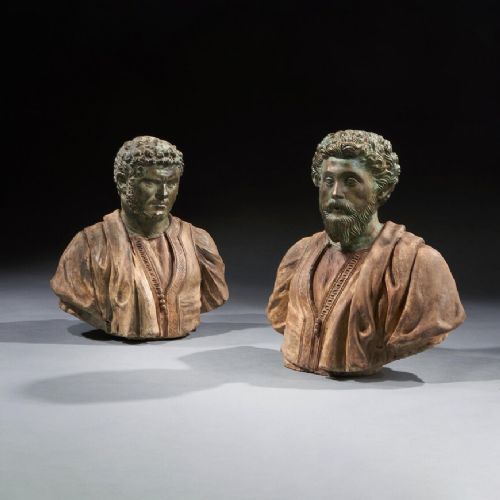
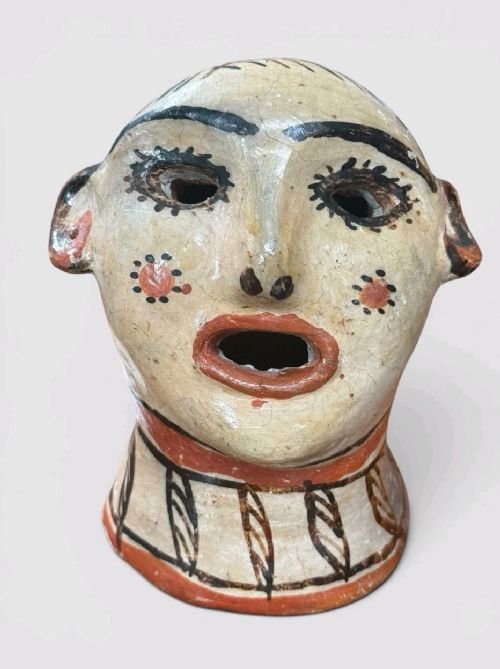
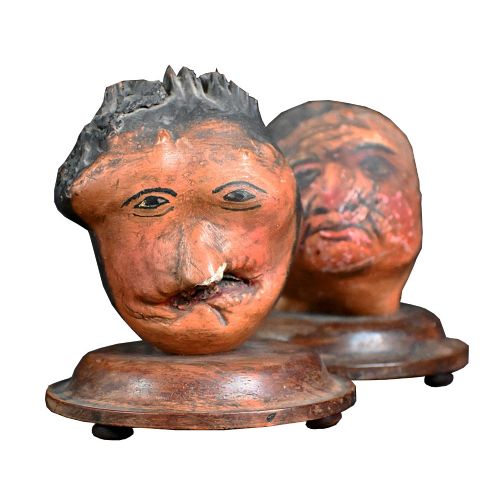
Terracotta head statues encompass sculptural representations ranging from neoclassical portrait busts and classical figures to folk art tribal pieces and regional pottery items. These works appear in forms such as individual portrait busts, pairs of historical subjects, and decorative studies originating across the nineteenth and twentieth centuries.
A buyer examining terracotta head statues will frequently encounter nineteenth-century interpretations of historical figures alongside early twentieth-century Italian and French decorative works. These sculptures capture subjects from classical antiquity and naval gentlemen to female beauties and folk art tribal figures.
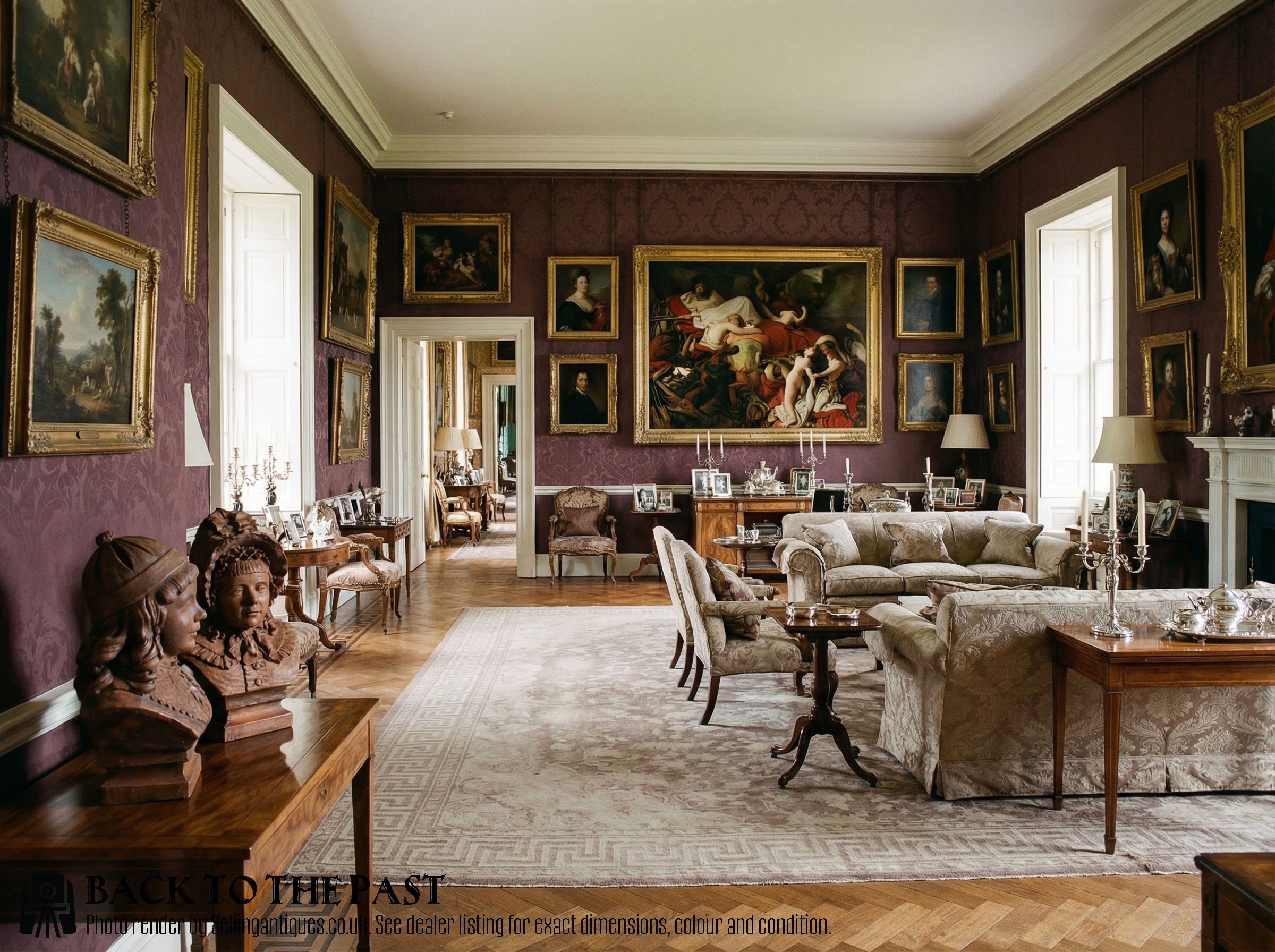
How they were made
Makers shaped these terracotta head statues from clay and earthenware, sometimes employing plaster or wood for bases and supporting structures. The surfaces received treatment through paint, slip pigment, and verdigris patina to emulate older bronzes or aged stone.
Modelling and casting techniques defined the production of these sculptures, allowing artisans to capture fine facial details in portrait busts and folk art figures. Pigments and patinas were then applied to the fired earthenware surfaces to achieve distinctive finishes.
Materials recorded across these sculptures include terracotta, plaster, clay, wood, slip pigment, and verdigris patina.
What varies in quality
Quality in these sculptures rests upon the precision of the modelling and the sensitivity with which the artisan handled the clay or earthenware. Finer pieces demonstrate careful attention to facial expression and anatomical structure, distinguishing professional studio work from simpler folk art production.
The sophistication of the surface finish also differentiates the range, with skilled applications of paint, slip pigment, and verdigris patina adding depth to the material. Works associated with known modellers or specific revival styles exhibit a sharper execution in both form and surface treatment.
Georges Morin·HL Blasche for Reps & Trinte·Antonio Rossellino
The Terracotta Head Statues Glossary
- Terracotta
- A porous reddish-brown earthenware fired in a kiln, widely utilised for sculptural busts and figures. This medium allows for direct modelling and retains fine surface detail.
- Neoclassical
- A style drawing inspiration from the art and culture of classical antiquity, prevalent in nineteenth-century portraiture. It emphasises balanced proportions and classical subjects such as Caesars and mythological figures.
- Patina
- A surface appearance developed through age or chemical treatment, such as verdigris. It provides the visual depth of aged bronze or weathered stone on clay surfaces.
Terracotta Head Statues: Frequently Asked Questions
Where should I display a terracotta head statue?
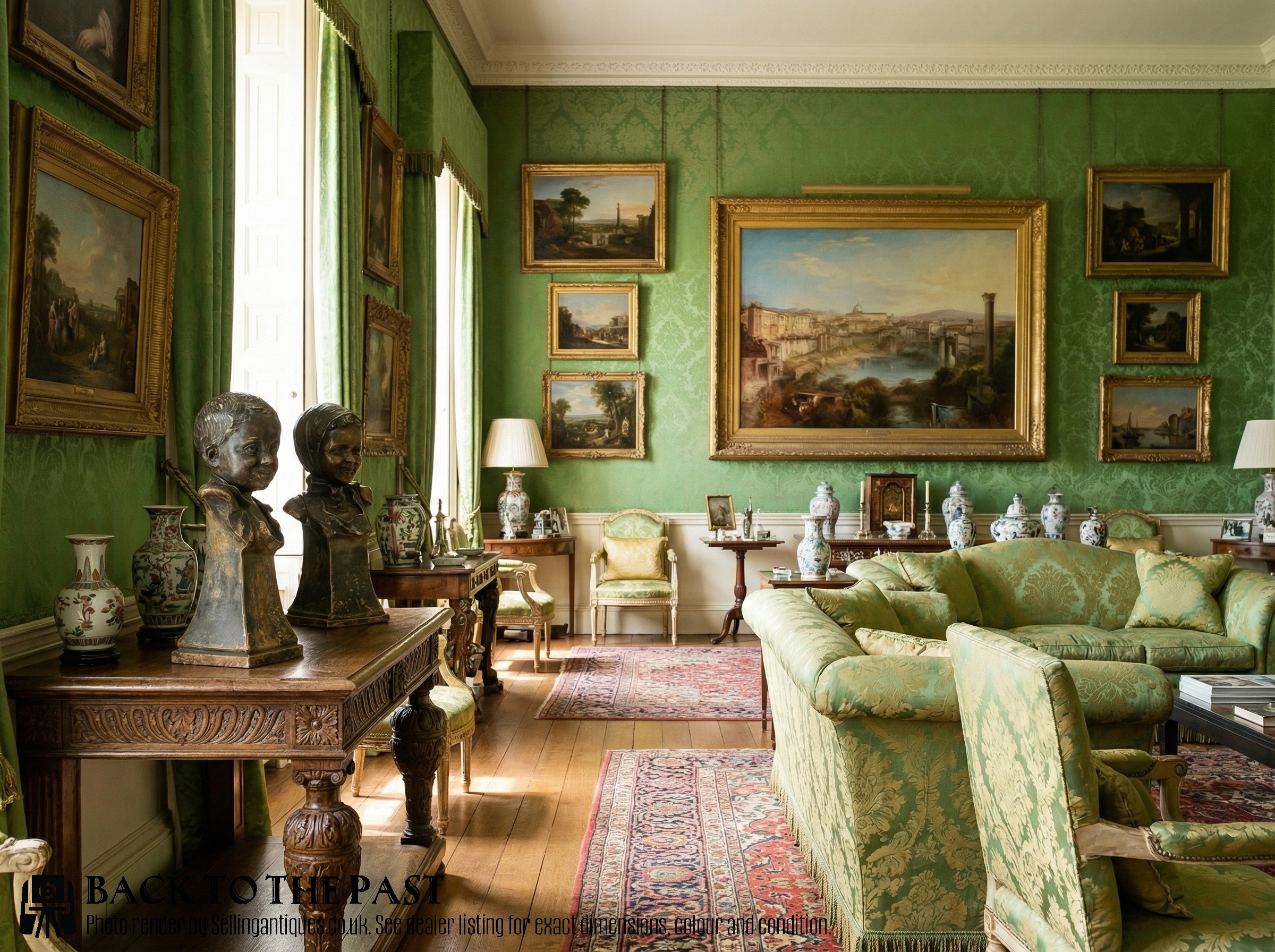
These sculptures suit prominent spots on mantelpieces, bookshelves, or dedicated pedestals where their three-dimensional form can be appreciated from multiple angles. Placing them away from damp areas helps protect the unglazed clay and painted surfaces.
Pairing a bust with simple surroundings allows the modelling and surface patina to stand out effectively within a room.
How do I clean a terracotta bust safely?
Dusting gently with a soft, dry brush is the best method for removing everyday accumulation without disturbing delicate pigments or patinas. Water and liquid cleaners should be avoided because porous earthenware absorbs moisture easily.
Keeping the sculpture in a stable indoor environment prevents dust from settling deeply into textured surfaces and crevices.
What subjects do these portrait busts depict?
The subjects range from classical figures and Roman emperors like Marcus Aurelius and Caracalla to nineteenth-century naval gentlemen and female beauties. Other examples include folk art tribal figures and regional pottery studies.
These varied subjects reflect the sculptural tastes of the nineteenth and twentieth centuries, encompassing both academic revivalism and vernacular traditions.
How can I tell a nineteenth-century bust from a later one?
Dating relies on examining the handling of the clay, the nature of the surface pigments, and any inscribed signatures or dates. Nineteenth-century examples often favour neoclassical subjects or patinas mimicking bronze, while mid-century pieces reflect different stylistic trends.
Comparing the manufacturing style with documented works from specific periods helps clarify the likely decade of creation.