


Pair Terracotta Figurines
Pair terracotta figurines bring character and symmetry to a room, offering sculptural presence modelled in baked earth.
Pair Terracotta Figurines
When you search for pair terracotta figurines, you encounter matched sets of sculptural ceramics modelled from baked clay. These dual pieces span nineteenth-century Italian animal studies and busts, alongside later figures.
The selection on this page ranges across Victorian pottery, Italian cockerels, and twentieth-century deco dancers. Buyers find that these symmetrical groupings function naturally as mantelpiece ornaments and decorative bookends.
How they were made
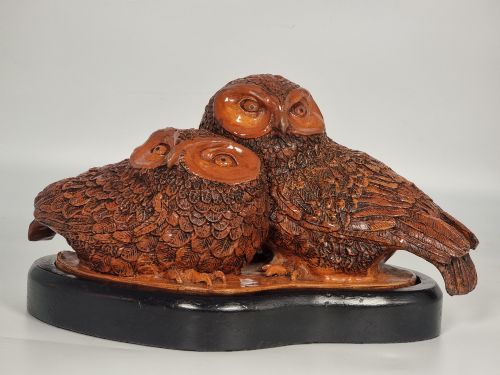
Maker workshops shaped these dual sculptures from earthenware and terracotta clay, often finishing the surfaces with lead glaze or enamel paint. Artisans sometimes mounted pottery figures onto ebonised wooden bases for stability.
Moulding and hand sculpting both appear across the pieces, allowing workshops to produce detailed birds, animals, and human figures in balanced pairs.
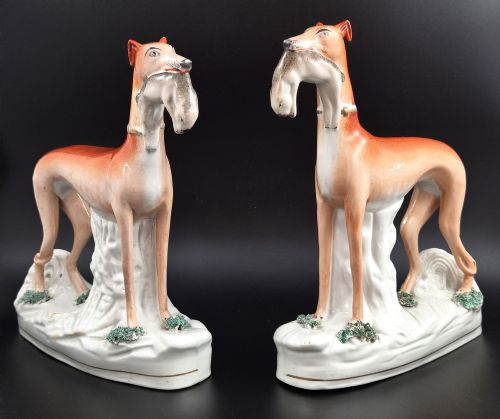
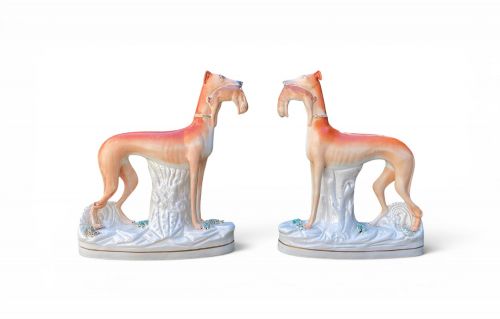
Greyhounds appear remarkably often, evidently proving that nineteenth-century homes needed very vigilant ceramic dogs.
What varies in quality
The harmony of the matching pair also dictates merit, separating average decorative items from genuinely balanced sculptural sets.
Thomas Parr·Royal Dux
The Pair Terracotta Figurines Glossary
- Terracotta
- A porous, unglazed or glazed baked earthenware clay used for sculptural figures and architectural ornaments. It fires to a characteristic reddish-brown hue unless painted.
- Earthenware
- Porous pottery fired at lower temperatures than stoneware or porcelain. It requires a glaze to hold liquids but suits decorative figurines.
- Enamel paint
- A hard, glossy paint applied over fired ceramic surfaces to add vibrant colour details. It distinguishes certain Victorian and later figures.
- Lead glaze
- A traditional shiny coating containing lead that melts during firing to seal ceramic bodies. It gives early pottery a glossy finish.
- Putti
- Depictions of plump, winged infant cherubs often seen in nineteenth-century decorative carvings and bookends. They derive from classical art traditions.
Pair Terracotta Figurines: Frequently Asked Questions
What periods do these figurines date from?
The pieces span the nineteenth century up through the art deco period of the nineteen thirties. Victorian examples sit alongside Italian terracotta works and twentieth-century designs.
Most items reflect nineteenth-century and early twentieth-century manufacturing techniques and aesthetic styles.
How were these pairs used historically?
Paired figurines served primarily as decorative ornaments on mantelpieces, sideboards, and desks. Certain robust examples also functioned practically as bookends.
Their symmetrical nature made them ideal for placing at opposite ends of a shelf or framing a central mirror.
Are all these pieces made of terracotta?
While terracotta and earthenware form the core of the selection, listings also include pottery, ceramic, and porcelain pieces. Glazes and enamel paints frequently finish the surfaces.
Makers utilised various clay bodies depending on the workshop tradition and the desired decorative effect.
How do I care for antique pottery figures?
Dust these decorative sculptures gently with a dry, soft brush to protect the painted and glazed surfaces. Avoid using liquids or chemical cleaners that might damage porous earthenware.
Keep them in stable environments away from excessive moisture and direct sunlight.
What subjects are common in these pairs?
Animals feature prominently, including greyhounds, hares, spaniels, owls, and cockerels. Human subjects encompass dancers, huntsmen, busts, and cherubic figures.
These diverse subjects reflect Victorian tastes and later twentieth-century artistic movements.