


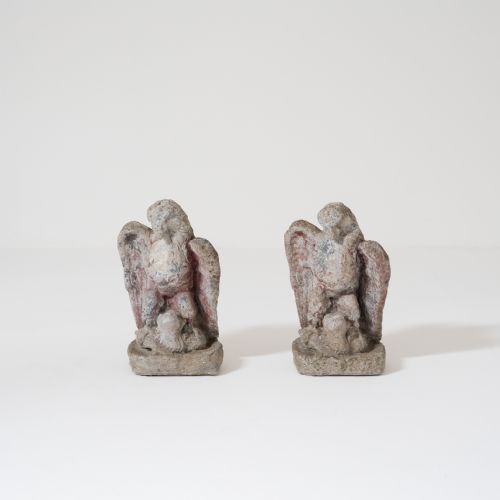


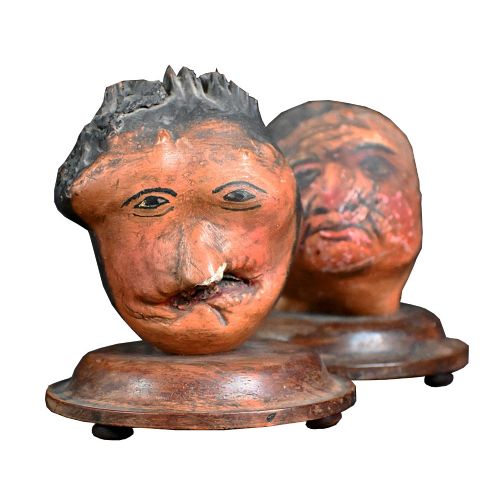
Pair of Terracotta Sculptures
These pair of terracotta sculptures pieces bring substance and classical presence to a room, valued for their weathered surfaces and sculptural form.
Pair of Terracotta Sculptures
When you search for a pair of terracotta sculptures, you encounter dual figural works shaped from fired clay, often cast or modelled as companion pieces for symmetry. These objects span garden statues and architectural ornaments to portrait busts, bookends, and decorative figures.
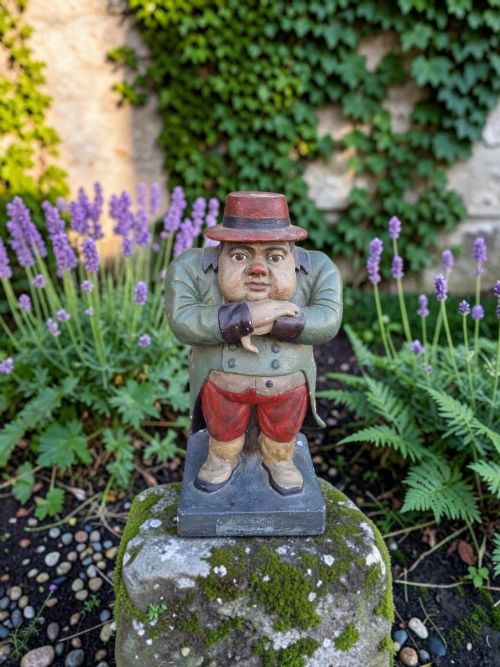
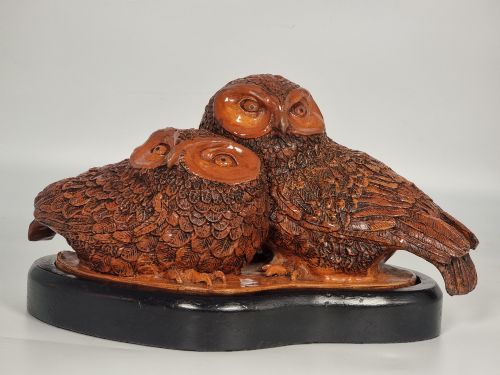
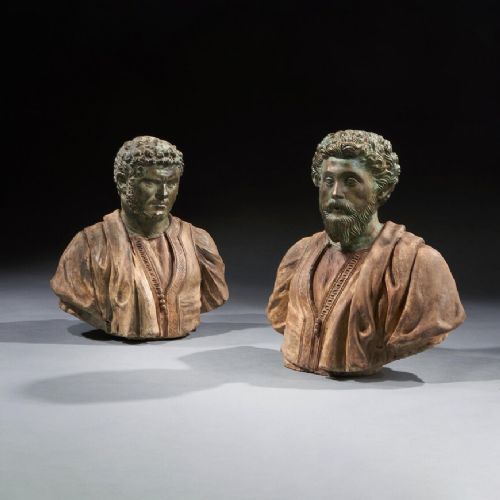
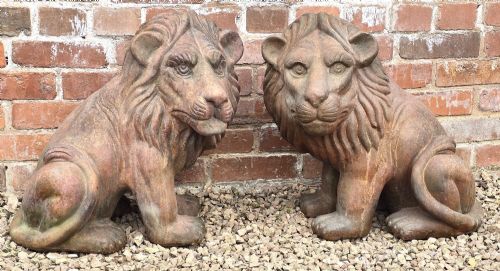
The selections available here lean heavily towards nineteenth century and early twentieth century examples, with a strong showing of Italianate garden lions, portrait busts, and animal figures. You will also find studio pottery owls, stoneware garden eagles, and neoclassical archer bookends.
Origin and form vary widely across the inventory, ranging from English ceramic recumbent lions and Staffordshire greyhounds to Japanese ceramic roof ornaments and Neapolitan creche figures. The grouping brings together domestic ornaments and substantial garden pieces designed to balance a mantelpiece or anchor a terrace.
Materials and construction methods
The primary material is terracotta, alongside earthenware, stoneware, and ceramic pastes, fired in kilns to achieve durability and warm earthy tones. Some pieces incorporate applied paint, pottery glazes, or wood bases, particularly in domestic formats such as bookends and mounted figures.
Makers utilised hand sculpting, moulding, and pressing techniques into earthenware bodies, sometimes pairing the fired clay with ebonised wooden mounts or salt glazing for weather resistance. The resulting surfaces display the natural grain of the clay or the deliberate application of pigment and glaze by the potter.
Listings feature terracotta, earthenware, stoneware, and ceramic materials spanning the nineteenth century, Victorian era, and early twentieth century.
Distinctions in quality
The integrity of the material and the character of the surface patina also separate standard production from exceptional works. Uniform firing, stable repairs, and well-preserved original painted or glazed surfaces elevate the standing of a piece.
Compton Potters Art Guild·Royal Dux·Thomas Parr·Hurlford Kilmarnock
The Pair of Terracotta Sculptures Glossary
- Terracotta
- A porous, brownish-red earthenware clay that is fired in a kiln and left unglazed or painted. It has been used for centuries for sculpture and architectural ornaments.
- Stoneware
- A robust ceramic pottery fired at high temperatures until vitrified and rendered impermeable to liquids. This material withstands outdoor elements effectively.
- Neoclassical
- A style inspired by the classical art and architecture of ancient Greece and Rome. It emphasises proportion, restraint, and classical subjects like Caesars and archers.
- Creche figures
- Intricately modelled devotional figures often associated with nativity scenes. Neapolitan examples typically feature terracotta heads and limbs attached to wire or wooden armature bodies.
- Salt glaze
- A glassy, textured coating formed by throwing common salt into the kiln during high-temperature firing. This technique produces a durable finish resembling orange peel.
Pair of Terracotta Sculptures: Frequently Asked Questions
How do I care for antique terracotta sculptures?
Keep indoor pieces away from excessive moisture and dust them gently with a soft brush. For items kept outdoors, protect them from severe frost by moving them under cover during freezing winter months.
Avoid using chemical cleaners or abrasive pads on the porous clay surface. A mild soap solution and lukewarm water are sufficient if cleaning is necessary.
Are these terracotta sculptures suitable for outdoor display?
Many larger pieces such as garden lions and stoneware eagles are designed for outdoor settings. Their dense ceramic and terracotta bodies withstand standard garden conditions.
However, delicate domestic items like bookends, portrait busts with painted surfaces, and studio pottery should remain indoors. Check the specific material composition before exposing a piece to the elements.
How can I tell a nineteenth-century piece from a modern reproduction?
Examine the underside, base, and interior surfaces for signs of age, tool marks, and wear patterns consistent with historical manufacturing methods. Nineteenth-century pieces often display hand finishing and characteristic weathering of the clay.
Look closely at the surface patina and manufacturing seams. Modern castings frequently lack the subtle irregularities and hand-tooled details found in period works.
Why are these sculptures usually found as pairs?
Pairs were traditionally created to stand symmetrically on either side of a doorway, mantelpiece, or bookcase. This balanced arrangement was central to nineteenth-century interior and garden design.
Keeping them together preserves their original decorative function and historical context. Sculptures made as companions share identical styling, scale, and material.