


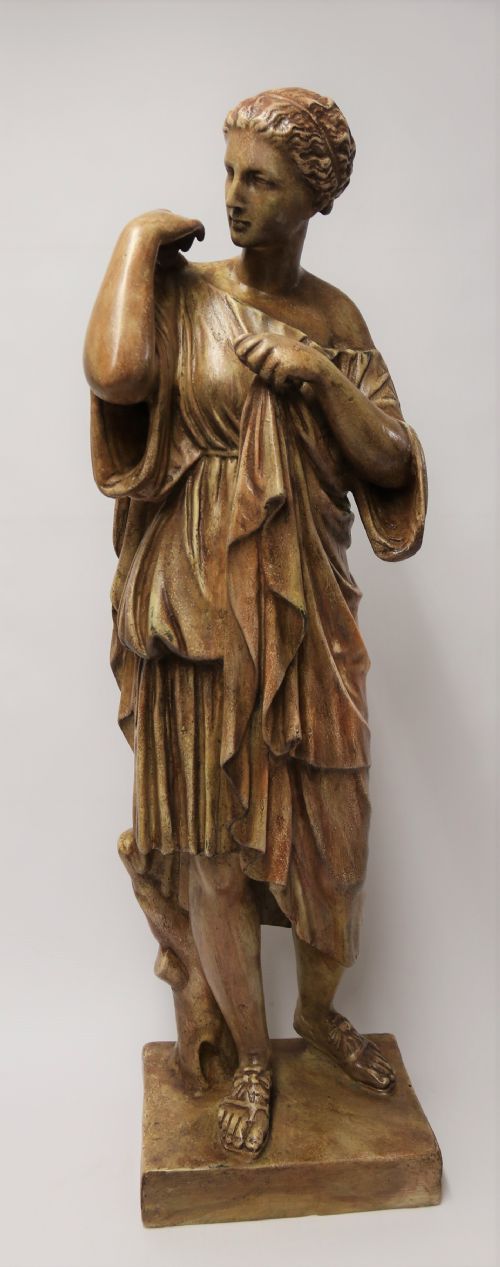

Vintage Terracotta Figures
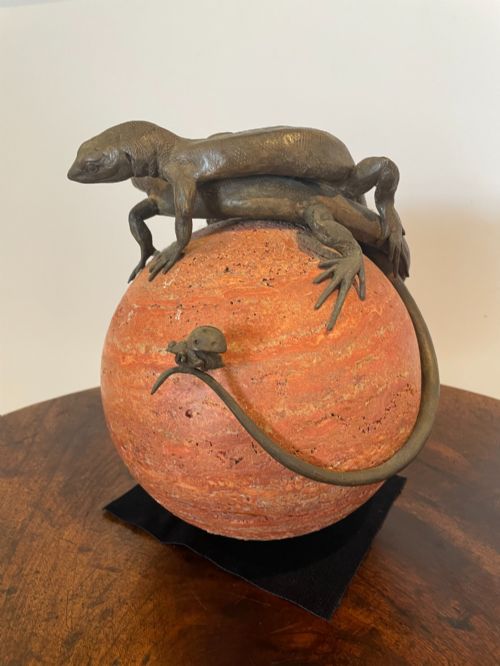
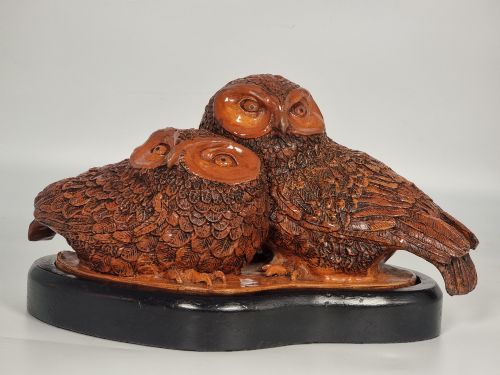
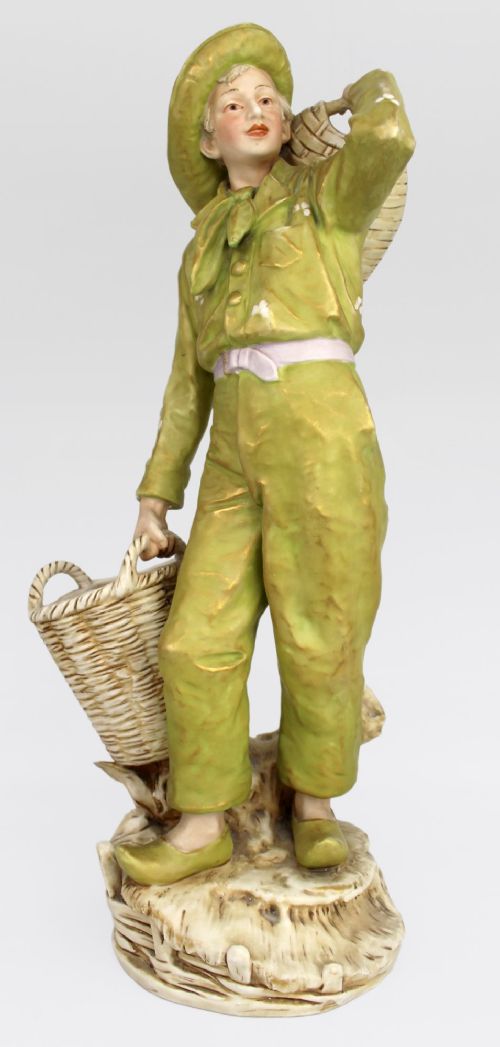
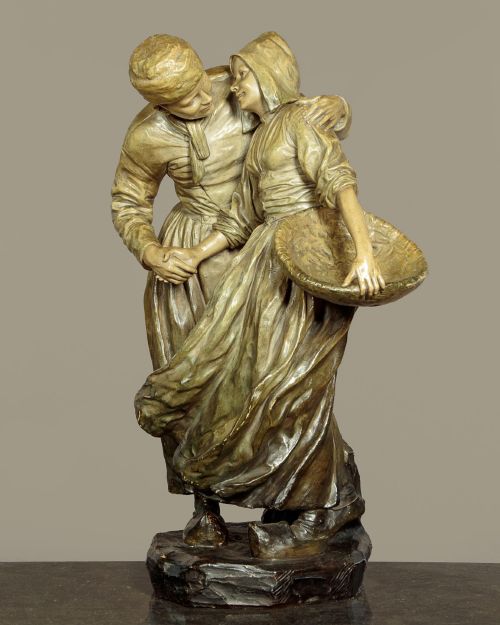
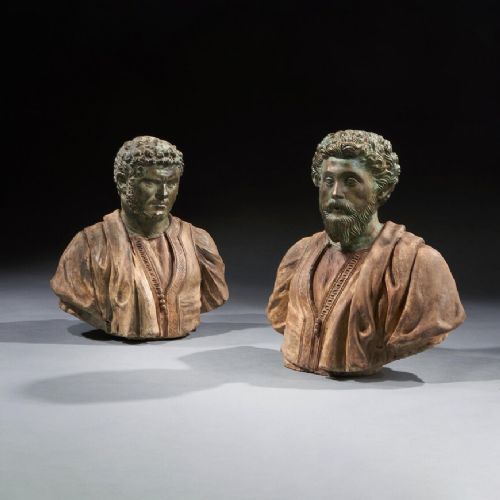
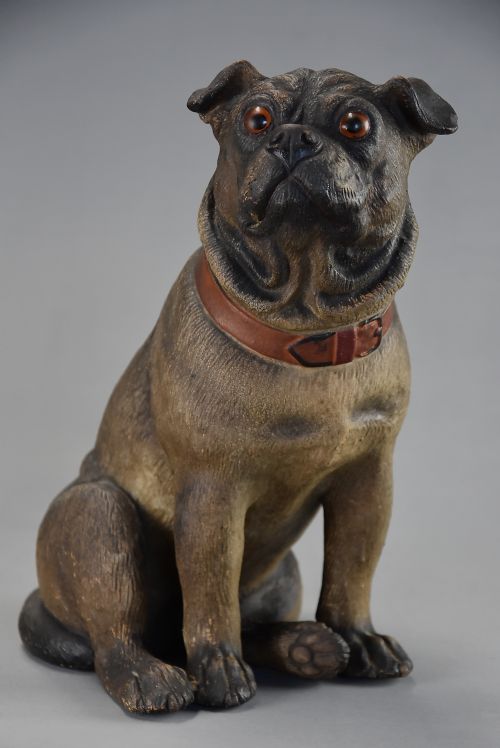
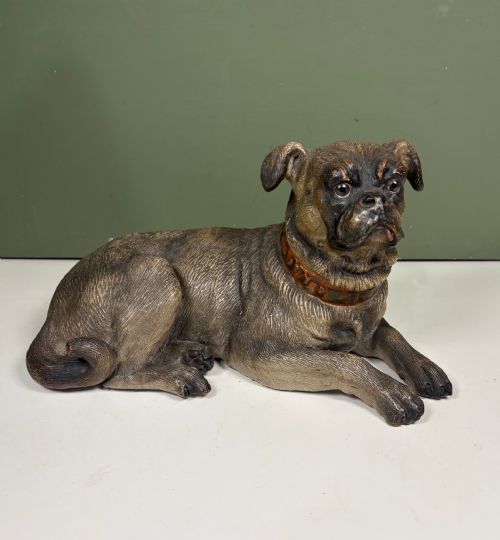
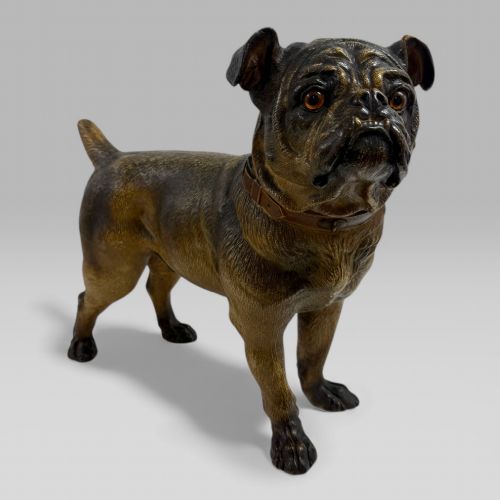
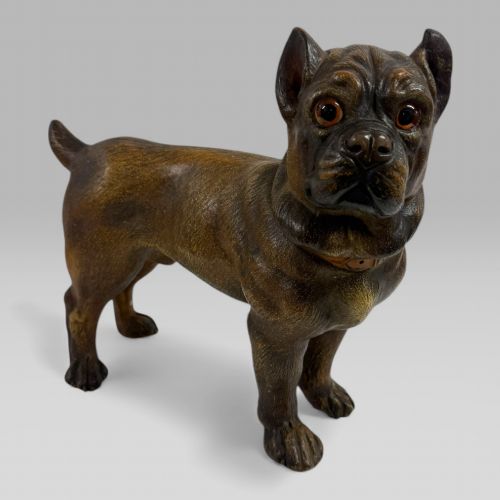
These vintage terracotta figures bring earthy texture and modelled character to a room, ranging from Austrian animalier pugs to classical portrait busts.
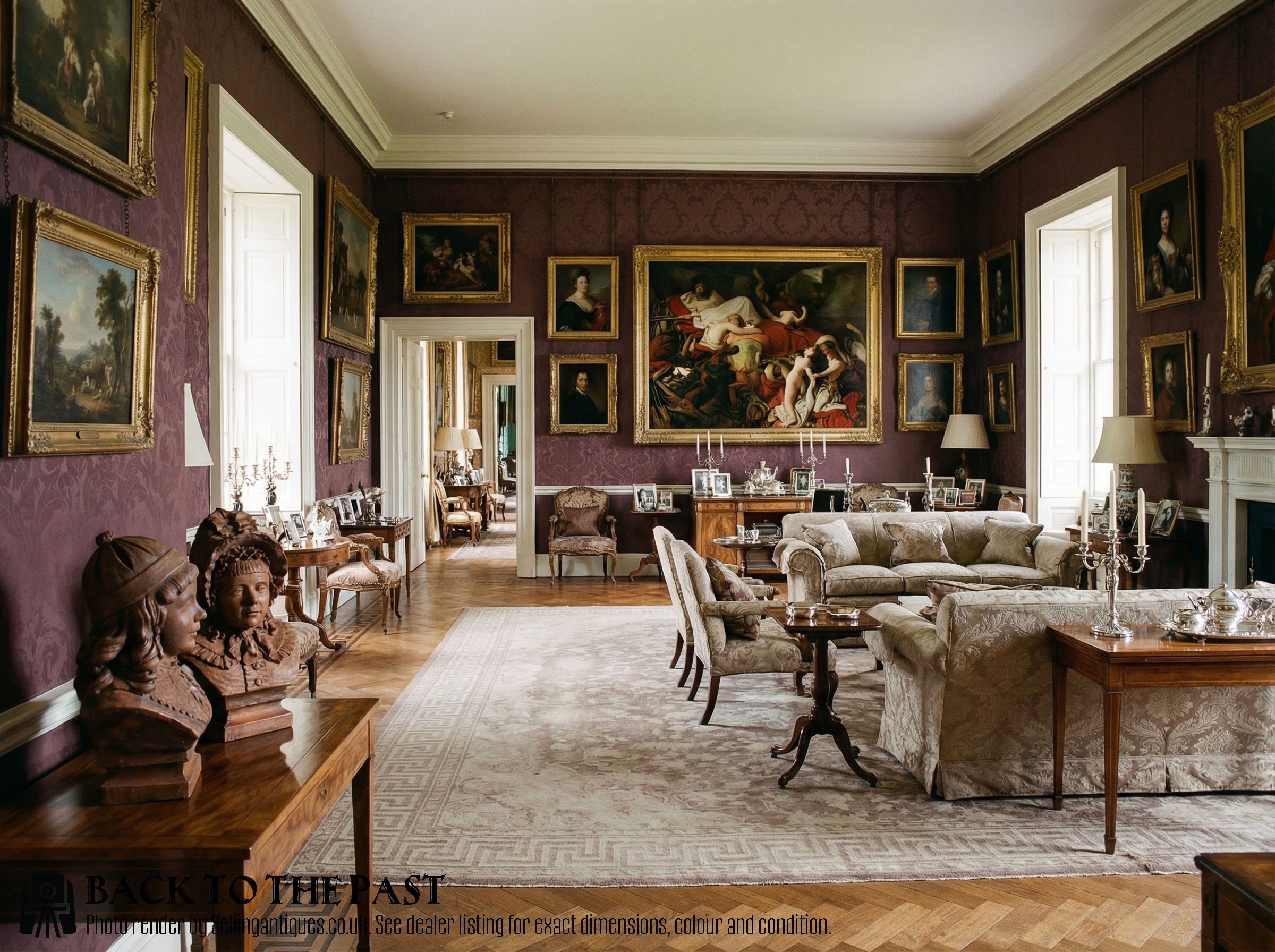
Vintage Terracotta Figures
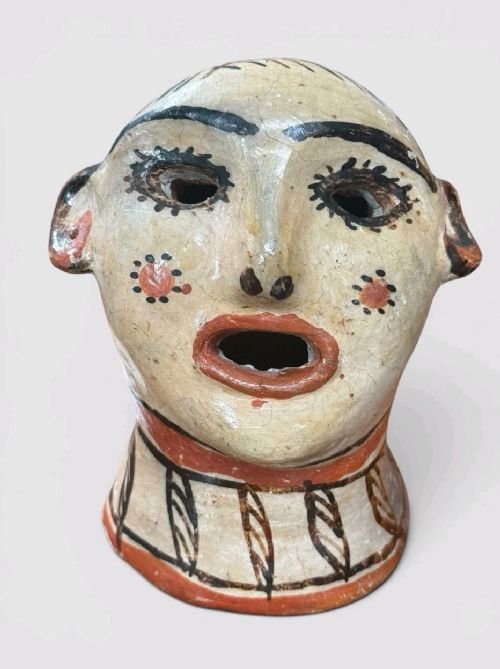
Vintage terracotta figures encompass a broad range of moulded and hand-modelled clay sculptures, decorative figurines, and portrait busts produced across the nineteenth and twentieth centuries. When searching for vintage terracotta figures, collectors encounter everything from Austrian life-size dog sculptures and French folk art cat tiles to classical Roman figures and Art Deco dancers.
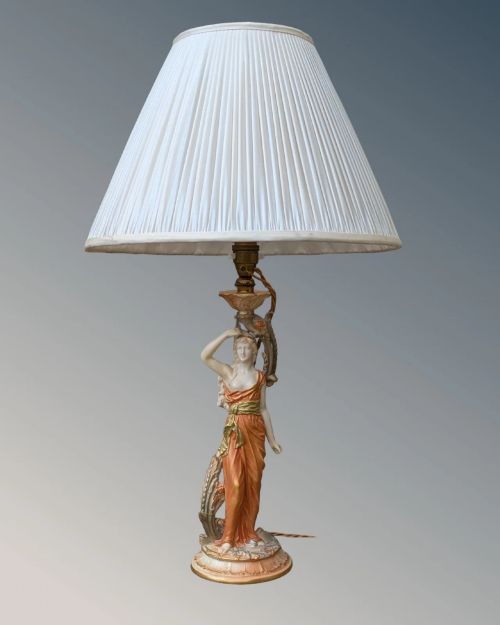
The selection bridges several distinct periods, showing strong representations from the Victorian era, the Art Nouveau movement, and the Art Deco years. Forms vary from functional bookends and table lamps to monumental freestanding sculptures and intricate animal groups.
Makers from Austria, France, and England dominate the forms, often combining traditional earthenware bodies with slip cast techniques or cold painted finishes. These pieces capture domestic animals, mythical subjects, and human figures in varied stylistic treatments.
How they were made
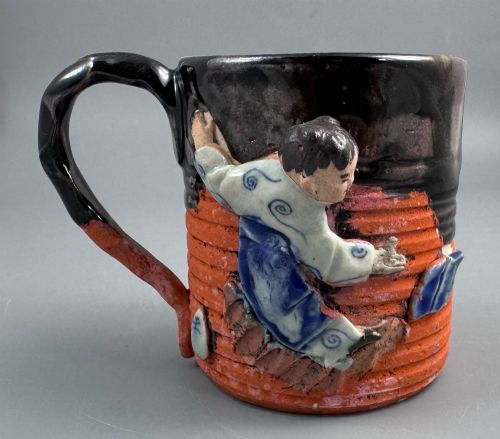
The primary material is terracotta or earthenware clay, shaped either by hand modelling or through slip casting in moulds. Many pieces receive a surface layer of paint, bronze slip, or polychrome glazes such as the Sancai style.
Makers often fired the clay at moderate temperatures before applying detailed cold painted finishes or protective glazes. Bases sometimes incorporate contrasting materials like ebonised wood or include applied elements created separately.
Listings feature Victorian and Art Deco periods, with materials spanning terracotta, earthenware, and cold painted ceramic.
What varies in quality
The precision of the modelling and the crispness of detail in the clay separate standard production items from superior works. Finer examples display subtle anatomical observation in animalier subjects and expressive depth in human portraiture.
The preservation of original cold painted surfaces or polychrome glazes significantly influences the integrity of a piece. Artisanal skill is evident in how well the firing process maintained the proportions of complex figure groups without distortion.
Royal Dux Bohemia·Goldscheider·Bernard Bloch·Guido Cacciapuoti
The Vintage Terracotta Figures Glossary
- Terracotta
- A porous, brownish-red earthenware clay that is fired at relatively low temperatures and used for sculpture and pottery.
- Cold painted
- A finishing technique where paint is applied to a cured terracotta or metal object without subsequent firing, making the surface delicate.
- Slip cast
- A manufacturing method where liquid clay slip is poured into a plaster mould to create hollow figures with consistent walls.
- Animalier
- A nineteenth-century artistic genre dedicated to the realistic and lifelike representation of animals.
- Sancai
- A traditional type of Chinese three-colour glaze used on pottery, typically featuring amber, green, and cream or white tones.
Vintage Terracotta Figures: Frequently Asked Questions
How do I clean terracotta figures?
Dust these figures gently with a soft, dry brush to prevent dirt accumulation in recessed details. Avoid using water or liquid cleaners, particularly on pieces with cold painted surfaces.
Moisture can penetrate porous earthenware and damage fragile pigments or cause underlying clay to degrade over time. Keep them in stable indoor environments away from excessive humidity.
Are all terracotta figures solid clay?
Many figures are hollow rather than solid, constructed using slip casting moulds to reduce weight and ensure even drying during the firing process. Solid modelling is more commonly found in smaller folk art pieces and specific hand-modelled animal sculptures.
Checking the underside or base often reveals the hollow interior or vent holes necessary for safe kiln firing. This construction method was standard practice for larger nineteenth-century decorative works.
What is the difference between terracotta and earthenware?
Terracotta is a specific type of unglazed or glazed porous earthenware fired at lower temperatures, typically characterised by its reddish-brown colour. Earthenware is the broader ceramic category that encompasses terracotta alongside other clay bodies.
While all terracotta is earthenware, not all earthenware has the distinct reddish iron-rich clay body associated with traditional terracotta figures.
How can I tell the period of a figure?
Dating relies on stylistic markers, such as the sinuous lines of Art Nouveau or the geometric abstraction of Art Deco, combined with manufacturer marks. Examining the base, finishing techniques, and any impressed numbers or signatures provides further clues to the era of production.
Comparative study with documented works by known potteries helps narrow down the decade of manufacture. Wear patterns on the base also offer context regarding the age of the piece.