


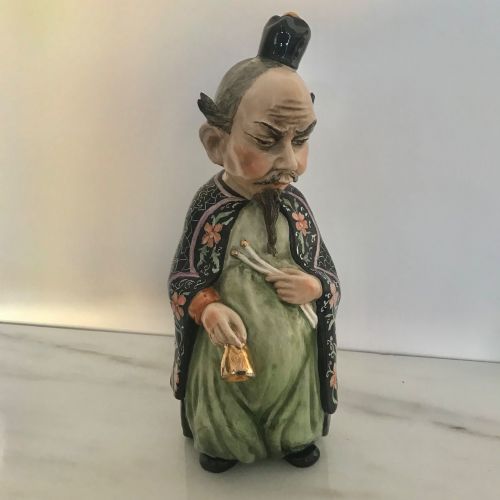

Polychrome Ceramic Sculpture
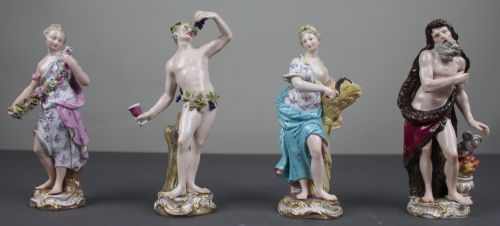
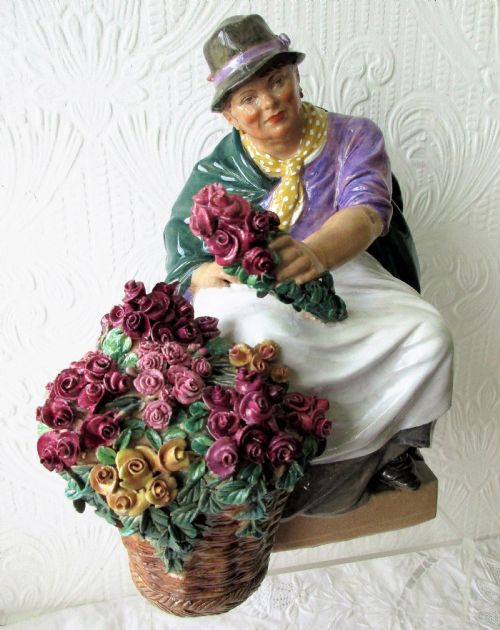
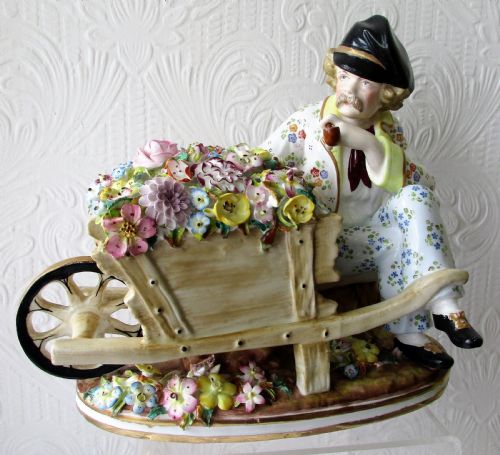
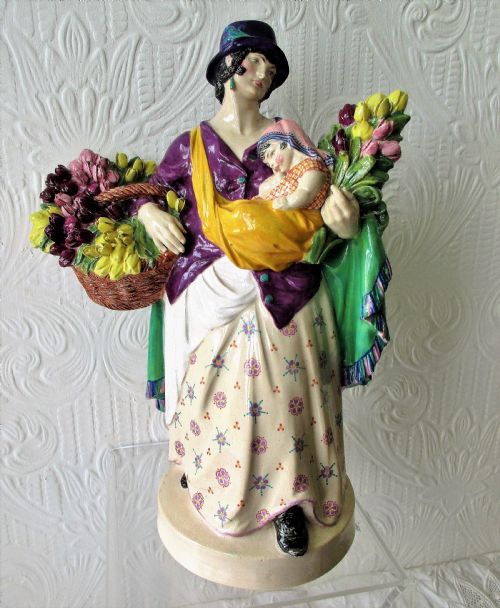
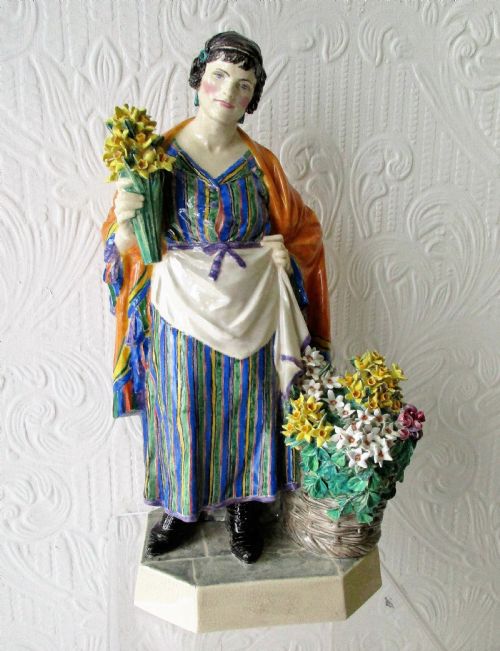
These polychrome ceramic sculpture pieces bring vivid colour and detailed form into a room, spanning delicate birds and historic figures.
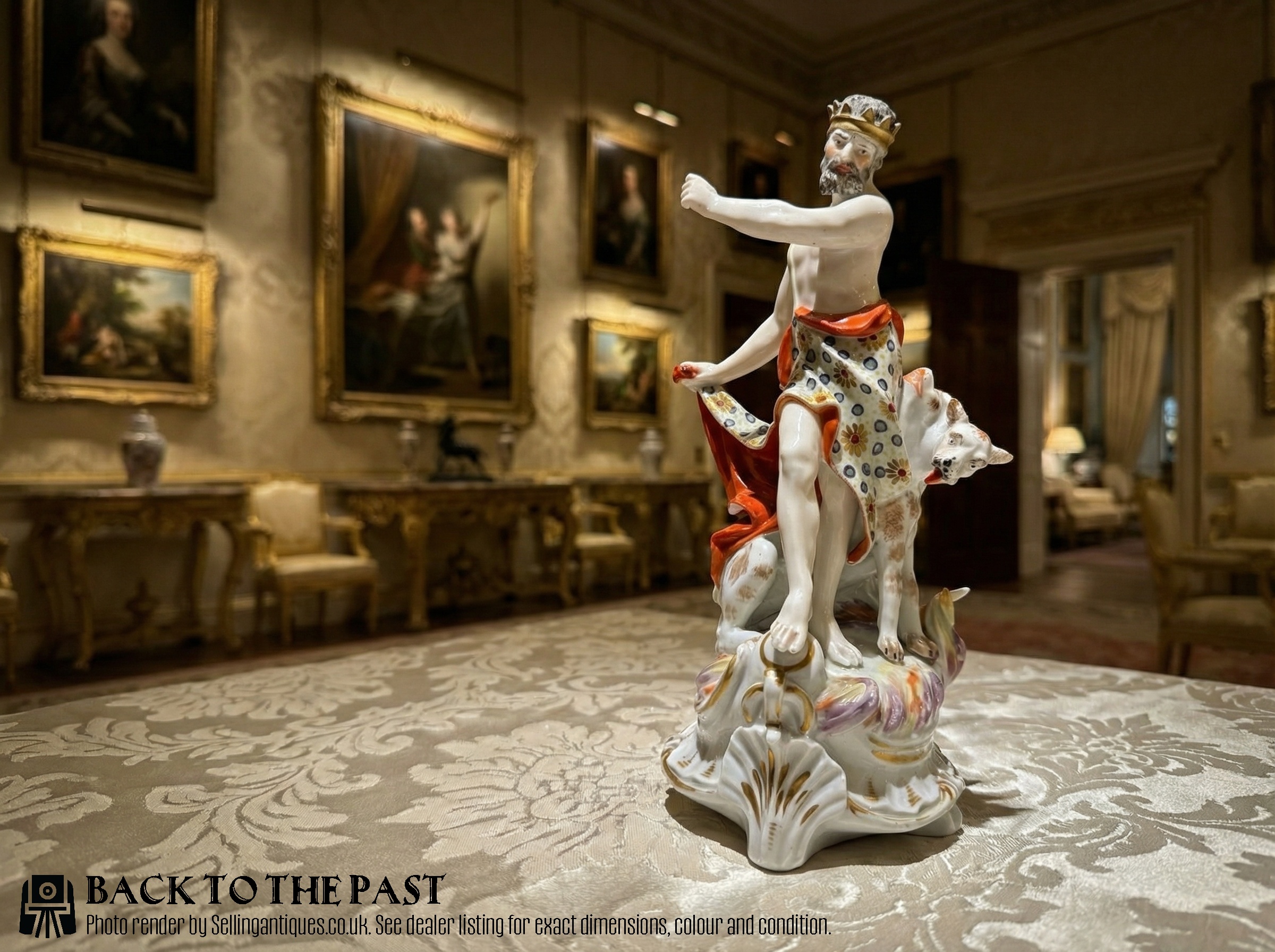
Polychrome Ceramic Sculpture
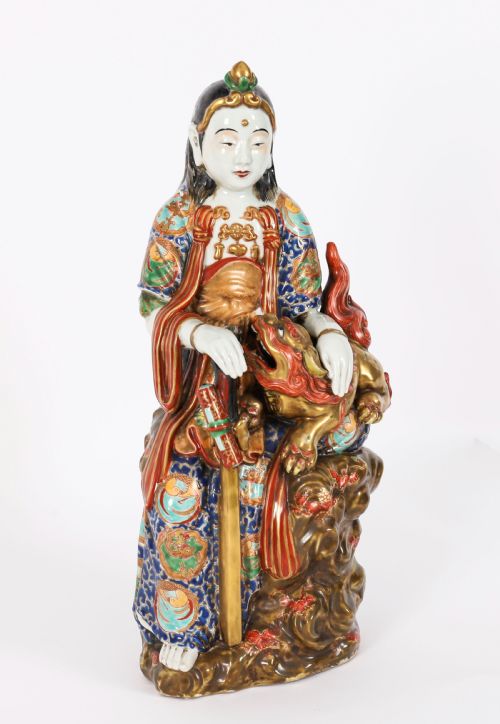
A polychrome ceramic sculpture represents three-dimensional figures, animals and allegorical groups shaped from clay or porcelain and painted in multiple colours. When exploring polychrome ceramic sculpture, a buyer encounters everything from delicate 18th-century European porcelain models to intricate Meiji period Japanese earthenware and Satsuma okimono.
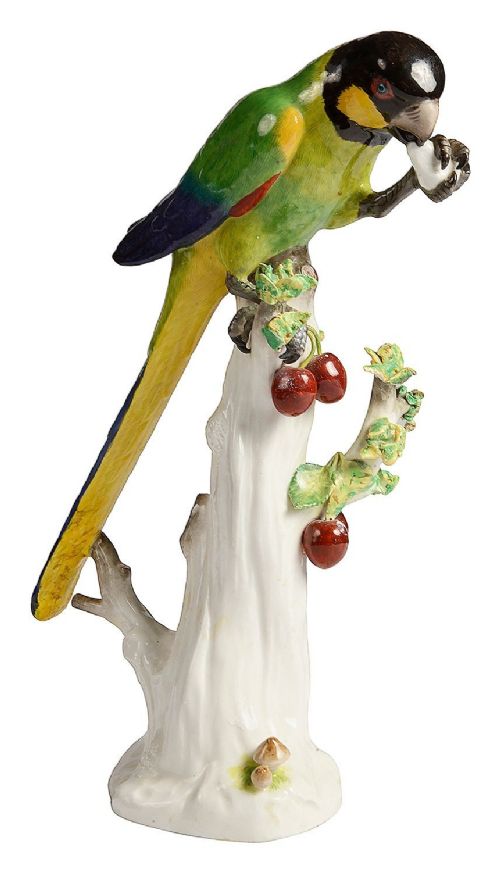
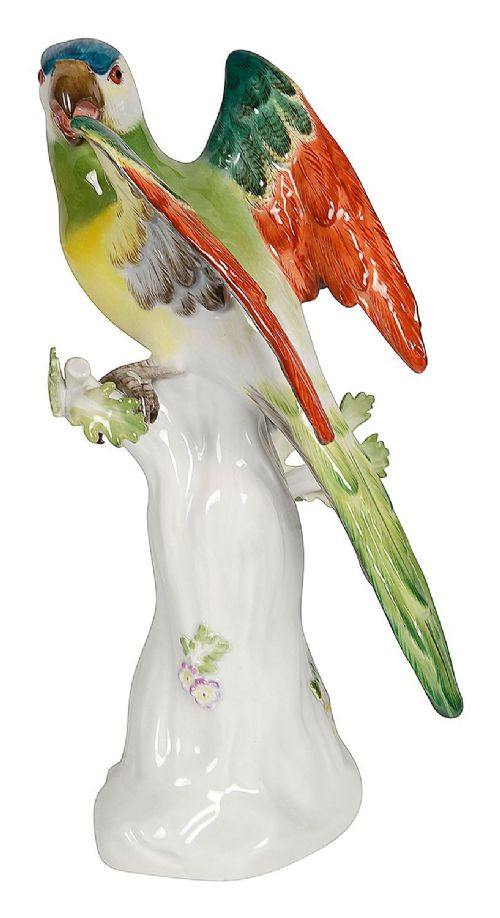
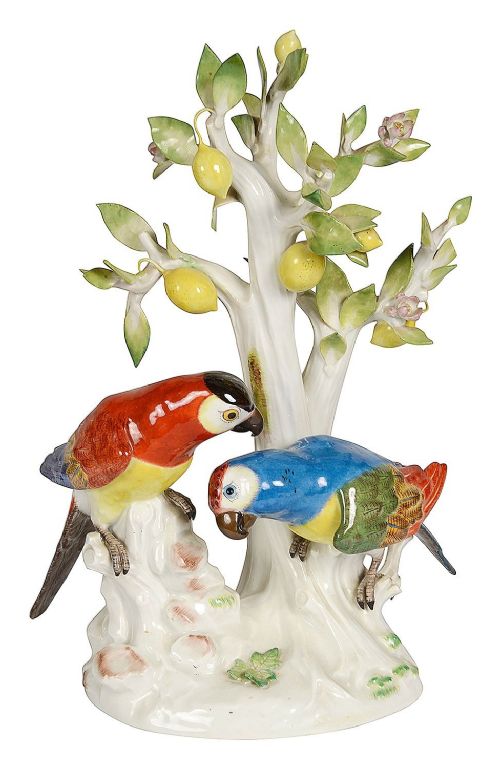
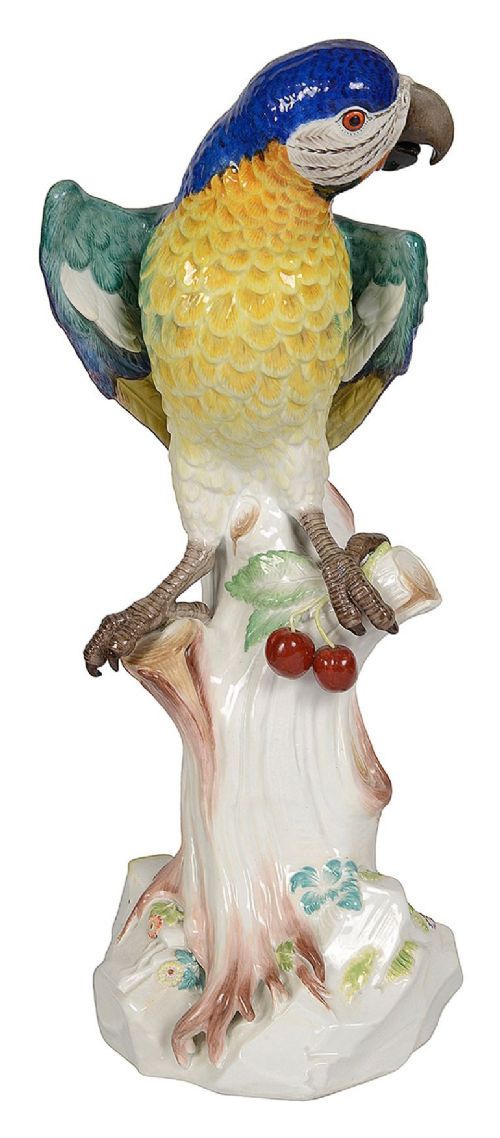
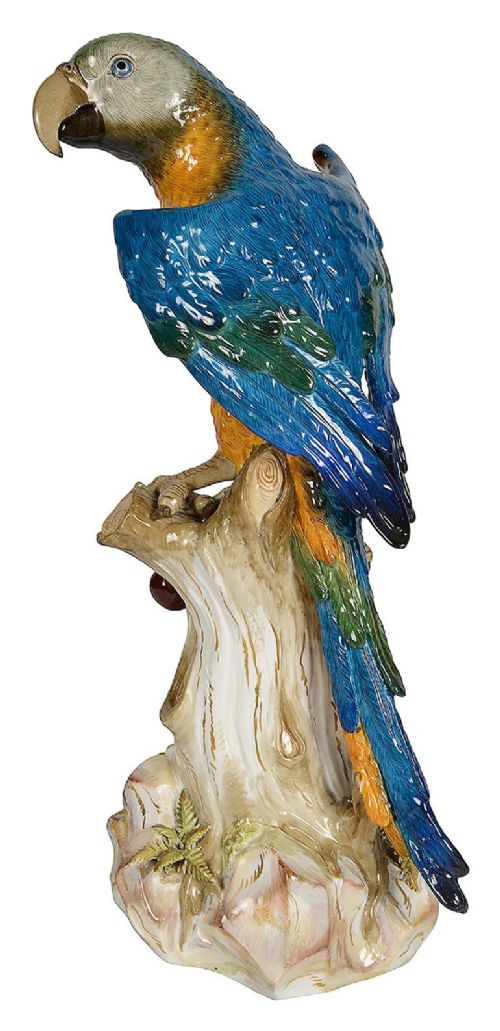
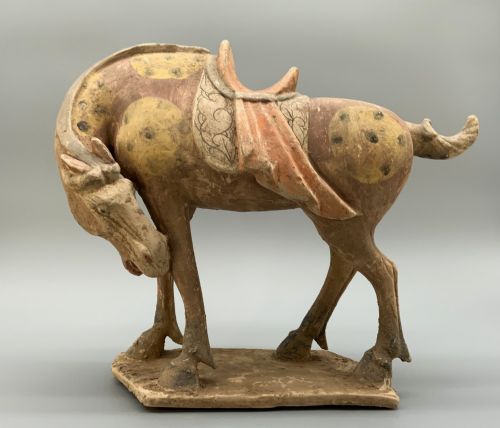
The selection here ranges widely across periods, including Georgian and Victorian items alongside Art Deco examples and early studio pottery figures. Works such as Meissen parrots, Staffordshire figures and Chinese export pieces demonstrate the breadth of forms available to collectors.
How they were made
Makers shaped these pieces using soft-paste porcelain, hard-paste porcelain, earthenware, terracotta and pottery before applying glaze and coloured enamels. Many examples also incorporate gold leaf or gilt details to highlight specific areas of the model.
Firing techniques varied by workshop and period, with some factories utilising high-temperature kilns for robust earthenware and others employing precise enamel painting that required multiple lower-temperature firings to fix the pigments.
Polychrome Ceramic Sculpture Retail Price Guide 2026
Typical asking prices for polychrome ceramic sculpture among the pieces listed under this phrase on Sellingantiques today, from the lower quarter to the upper quarter. They describe what is for sale here now, not the wider market.
Several Meissen parrots keep a silent watch over these collections, perched permanently on their porcelain tree trunks.
What varies in quality
Quality in these sculptures rests upon the crispness of the modelling and the precision of the hand-painted enamel work. Superior examples display fine facial expressions, delicate hand-formed elements like lace or foliage, and an even application of glaze.
The reputation of the pottery or the skill of the individual modeller dictates much of the distinction at the upper end of the scale. Pieces originating from established European factories or master Japanese studios typically exhibit superior anatomical proportion and colour retention.
Meissen·Charles Vyse·John Bevington·Makuzu Kozan II·Ernst Bohne Sohne·C G Schierholz
The Polychrome Ceramic Sculpture Glossary
- Okimono
- A Japanese term for a decorative object or sculpture designed for display in a tokonoma alcove or on a shelf. These figures often depict deities, historical persons, or animals.
- Enamel
- A decorative glass-like coating fused to the surface of ceramic pieces through firing. It provides the vivid colours seen on polychrome works.
- Hard-paste porcelain
- A durable ceramic composition made from kaolin and petuntse fired at very high temperatures. It forms the body of many fine European figures.
- Sancai
- A three-colour glaze technique characteristic of Chinese pottery, typically employing amber, green, and creamy white tones. It appears on various animal and human figures.
- Terracotta
- Porous, fired clay that has not been glazed, often finished with a natural reddish-brown hue. It allows for sharp detail in sculptural modelling.
Polychrome Ceramic Sculpture: Frequently Asked Questions
How do I care for antique ceramic sculptures?
Keep these pieces out of direct sunlight to prevent the enamel colours from fading over time. Dust them gently with a soft, dry brush rather than using liquid cleaners.
Avoid displaying them in areas prone to sudden temperature changes or high humidity. Secure larger or top-heavy groups safely on stable surfaces to prevent accidental tipping.
What is the difference between porcelain and earthenware figures?
Porcelain is fired at much higher temperatures, resulting in a vitrified, non-porous body that often rings when tapped and can be cast very thinly. Earthenware is more porous and opaque, requiring a glaze to seal the clay body entirely.
European porcelain factories like Meissen used hard-paste porcelain for delicate detail, whereas Staffordshire and studio potters often chose earthenware for robust modelling.
How can I tell the period of a Japanese Satsuma figure?
Examine the style of decoration and any signatures or studio marks present on the base. Late 19th-century Meiji period pieces often feature dense crackle-glaze and elaborate hand-painted gilding.
Works signed by prominent artists such as Kizan or associated with Imperial workshops typically reflect the high standards of craftsmanship from that specific era.
Are these figures usually marked by the maker?
Many European porcelain sculptures feature underglaze blue crossed swords, impressed numbers, or painted model codes on the base. Studio pottery and Asian pieces may bear artist signatures, studio seals, or impressed stamps.
Some older or unmarked pieces rely stylistic attribution, period materials, and manufacturing techniques to determine their origin.